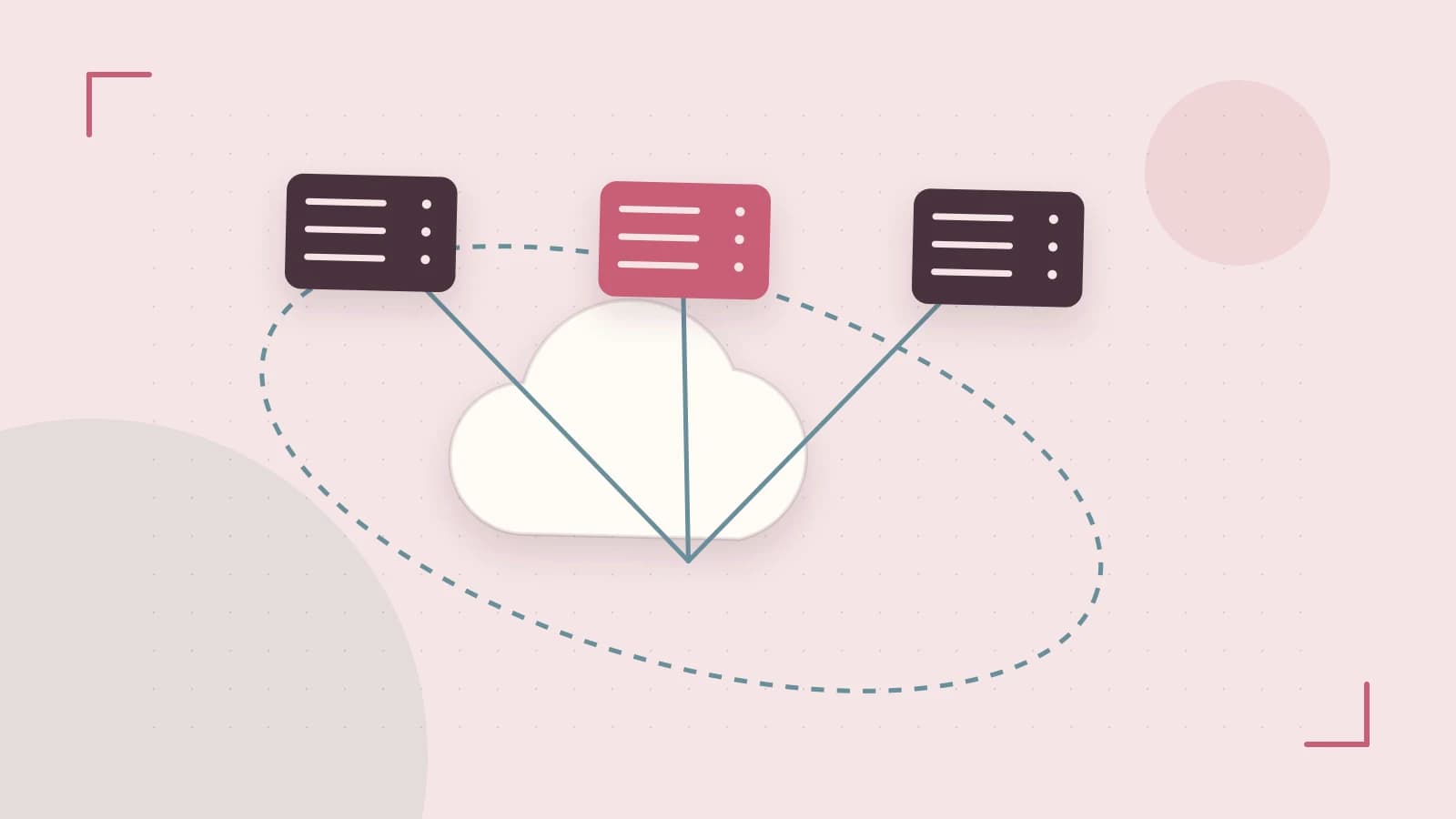
Learn how to deploy a Netlify Edge Function that adds a geo‑based header, with details on requirements, minimal design, trust boundaries, operational checks, and failure handling.
A practical look at configuring FireDAC connection pooling for PostgreSQL in RAD Studio, including sizing trade-offs, session-state pitfalls, and verification steps.
Step‑by‑step guide to diagnose and fix Sourcetree authentication failures caused by expired tokens, stale OS credentials, SSH key permission issues, or mismatched SSH client settings.
Chrome 116+ auto-negotiates HTTP/3 when servers support QUIC. Learn how to decide whether to deploy it, validate with DevTools and command-line tools, and plan for UDP-blocking networks.
Karate’s parallel runner can cut CI wall-clock time, but only when feature files are independent and shared state is isolated. Learn the minimal design, trust boundaries, and operational checks.
Discover how to pair Karma with Istanbul for actionable code‑coverage reports, enforce thresholds, and avoid common pitfalls in front‑end projects. Follow a step‑by‑step setup, a practical example, and a checklist for reliable CI integration.
ELevate turns a CentOS 7‑to‑AlmaLinux 8 upgrade into a repeatable, testable process. Run a preupgrade check, fix inhibitors, then let the tool handle the in‑place migration—all within a single reboot.
Learn how GIMP layer masks let you edit images non‑destructively—keep original pixels intact, paint selective transparency, and revert changes at any time. Follow this practical guide for GIMP 2.10+.
Learn how to use Biome's inline suppressions to handle unavoidable lint errors. Discover how rule-scoped ignores and stale comment detection prevent linter rot during JS/TS development.
The Arch User Repository (AUR) isn't a binary store—it's a collection of build scripts. Learn how PKGBUILDs work and how to manually manage them for a more stable system.
Stop passing pointer-size pairs in C++. Learn how C++20's std::span provides a safer, non-owning view of contiguous memory to prevent buffer overflows.
A step‑by‑step diagnostic guide for Webpack 5 filesystem cache problems: stale builds, cold cache, and corruption, with checks, fixes, and when to escalate.
Learn how Protractor’s built‑in Angular synchronization works, why you should disable it only around non‑Angular boundaries, and see a concrete example of toggling `waitForAngularEnabled` safely.
Replace long-lived IBM Cloud API keys with IAM trusted profiles. Let compute workloads fetch short-lived tokens, scope least-privilege policies, and verify the runtime path is secret-free.
SVG icons from design tools carry bloated IDs that collide in bundles. SVGO's cleanupIDs plugin with a prefix strips the noise and keeps references unique.
Prevent renderer code in Electron from accessing Node APIs by enabling contextIsolation, disabling nodeIntegration, and exposing a safe API via a preload script. This guide shows the minimal config, trust boundaries, checks, and failure modes.
Choosing between a JHipster monolith and microservices hinges on trust boundaries, data consistency, and operational resilience. This guide walks through the decision criteria, the smallest suitable design, and concrete steps to verify security and fault tolerance.
Discover how to enable Yarn Plug’n’Play in a monorepo, cut disk usage, and speed installs. Step‑by‑step guide, verification commands, trade‑offs, and actionable next steps.
When building a multi‑tenant Dovecot mail service, choose virtual mailboxes over system mailboxes for scalability and isolation. This guide compares options, explains trade‑offs, and shows a concrete SQL‑backed configuration.
Stop scattering validation rules across your Vue components. Learn how to use VeeValidate with Zod schemas to create a single, type-safe source of truth for your form logic.
Swiper’s lazy loading defers image decoding until a slide is shown, cutting initial bandwidth and speeding perceived load on mobile. This guide shows how to enable it, verify its operation, and understand the trade‑offs.
Use Pug extends and block to share layouts without duplicating markup, but verify your Pug version—append and prepend behavior changed between releases.
Guide on choosing between Unity Addressables and Resources.Load. Learn how to reduce build sizes and manage memory using asynchronous loading and reference counting.
Stop nesting Result.bind calls in F#. Learn how to use Computation Expressions to create a clean, linear validation pipeline that short-circuits on the first error.
FileZilla's transfer queue manages bulk file operations across multiple site connections, letting you prioritize, pause, and resume transfers while avoiding server bans through careful concurrency tuning.
Learn how to use Jira Automation smart values like plusBusinessDays to set priority-based due dates automatically, while avoiding time zone and execution limit pitfalls.
Option Strict On moves late-binding and narrowing-conversion failures from runtime to compile time in VB.NET. See a worked interface example, interop trade-offs, and local verification steps.
Stop a Fiber server without dropping active requests. Use signal handling and app.Shutdown with a context timeout to drain in‑flight work, then exit cleanly.
R package installs fail when source builds cannot find system libraries or compilers. Learn to read the error log, check for binaries, and install the right toolchain.
Decide when to use TYPO3's built-in page cache, Extbase action caching, or an external reverse proxy—and how to validate each without serving stale content.
k3OS loaded its entire root filesystem into RAM and kept state on a separate disk partition. Here is how that split works, what it costs in memory, and why the project is now a reference architecture rather than a deployment target.
Learn how DataGrip’s Explain Plan tab shows the database server’s execution plan, helping you spot full table scans and missing indexes before changes hit production.
Bower’s overrides let you replace nested dependencies without touching the registry. This guide shows the smallest design, trust boundaries, operational checks, and failure modes to help you decide whether to use overrides or move to a newer tool.
When navigating within an Inertia SPA, you can keep the current component instance alive with preserveState. Learn how it works, verify it, and when to avoid it.
Kaldi’s online2 framework lets you run neural acoustic models in real time. This guide walks through a minimal script, explains beam‑width tuning, and shows how to balance latency, CPU usage, and accuracy on both desktops and embedded devices.
NATS JetStream KV can store microservice state without adding Redis, but it behaves differently than a database. Understand tombstones, quorum writes, and revision checks before you deploy.