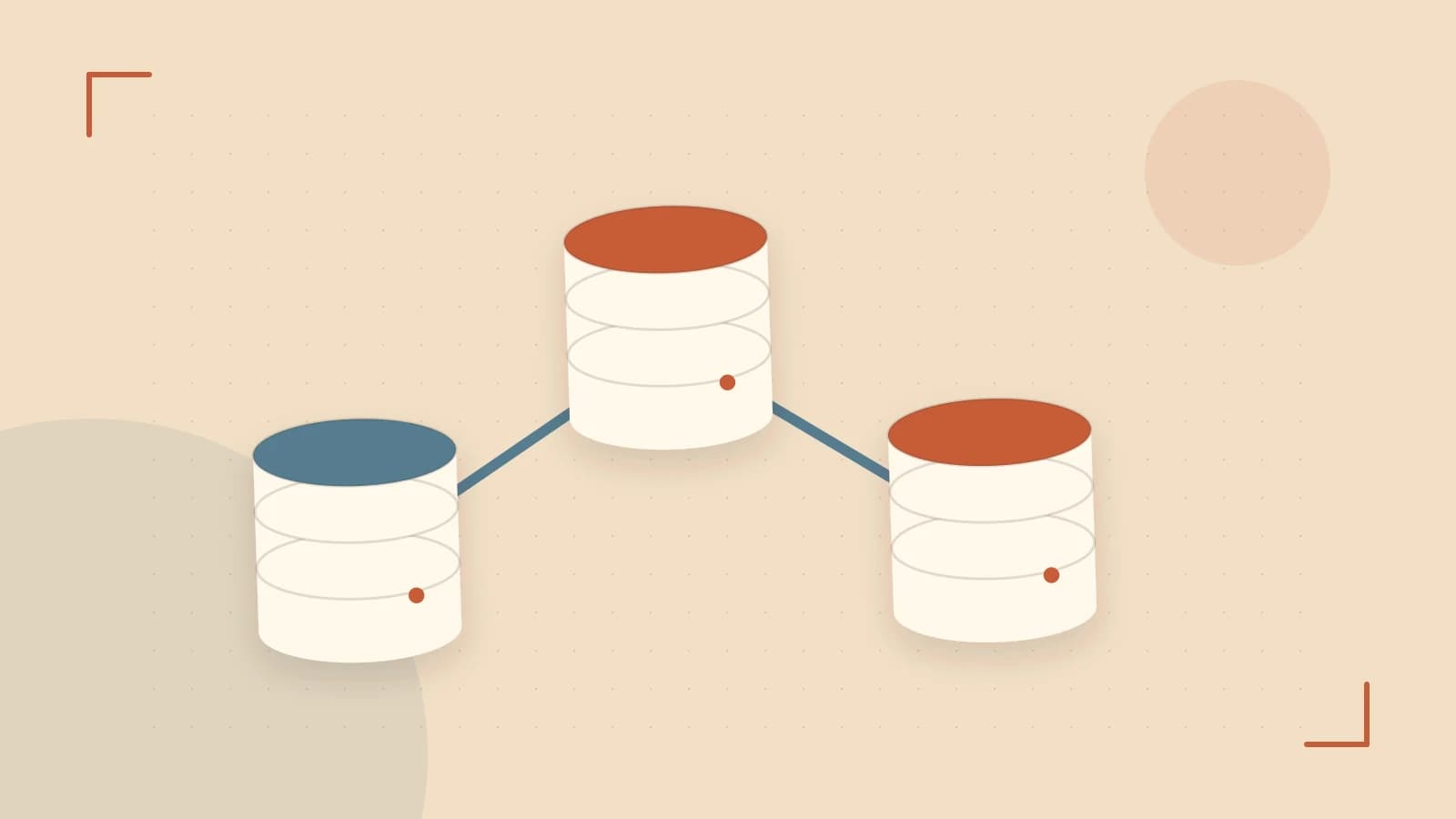
Learn to secure a three-tier IBM Cloud VPC VSI workload with stateful security-group references instead of CIDRs, including CLI configuration, validation tests, and common pitfalls.
Stop switching between your IDE and external API clients. Learn how to use Rider's .http files to version your API tests, automate tokens with JS scripts, and manage environments.
A single CanActivate guard paired with a metadata decorator and Reflector keeps controllers thin and rejects unauthorized requests before DTO validation. Learn the minimal design, operational checks, and failure modes.
Compiled queries in EF Core pre‑compile LINQ into SQL, cutting translation cost by 30–50%. This guide shows when to use them, how to implement, a worked example, and the trade‑offs to keep in mind.
Learn how to stitch multiple GraphQL services into one unified API with Apollo Federation. Follow a step‑by‑step guide to set up subgraphs, configure the gateway, validate entity resolution, and tune performance with caching.
An architecture note on using Apache Airflow deferrable operators to release worker slots during I/O waits, covering trust boundaries, monitoring, and failure modes.
Swiper virtual slides keep a large carousel light by rendering only visible slides, but you must maintain the slide cache, update calls, and accessible fallbacks.
Decide when to use FastAPI BackgroundTasks, async endpoints, or an external queue. Compare complexity, reliability, and latency, then implement a 202 Accepted off-load pattern with validation.
Explains why tungsten is selected for divertor surfaces, how it's bonded to copper alloys, and shows a sample temperature calculation for an ELM heat pulse.
Learn how to configure gRPC clients to spread traffic across multiple service instances using built‑in load‑balancing policies, when it makes sense, and what trade‑offs to watch for.
Bootstrap 5 lets you change themes on the fly by overriding CSS custom properties. Learn how to use the --bs-* variables and data-bs-theme to switch colors without recompiling Sass.
When Cassandra’s compaction strategy is mis‑matched to your workload, latency spikes, storage explodes, and cluster stability suffers. This guide walks you through Size‑Tiered, Leveled, and Time‑Window strategies, shows how to switch from one to another, and explains the trade‑offs you’ll face.
Learn how to define shared schemas in the components section of an OpenAPI document, validate references, and avoid common pitfalls when reusing models across API endpoints.
Keep conditional validation out of Vue templates. Use VeeValidate v4 useForm and useField with reactive meta and schema context to centralize conditional rules and cross-field validation in Vue 3 forms.
Stop relying on boolean flags and nullable fields. Learn how F# Discriminated Unions make illegal domain states unrepresentable and leverage compile-time exhaustiveness checks.
A practical diagnostic guide for Adobe XD prototype sharing failures. Covers link status, permission audience, cloud vs local sync, and when to escalate.
Replace hidden instance-variable dependencies in RSpec before hooks with let and let!. Make setup explicit, lazy where possible, and isolated so failures point to the example.
Emacs ships with project.el, a leaner alternative to Projectile. Learn how to configure custom project roots, verify detection, and weigh the trade-offs.
A practical look at using Gleam custom types and exhaustive pattern matching to replace fragile string status fields, with a worked example and honest trade-offs.
Learn how to use .editorconfig in Visual Studio to enforce C# code style, trigger real‑time diagnostics, run Code Cleanup, and integrate style checks into CI pipelines.
Add a server-side username availability check to Ant Design Form: a rules validator that returns a Promise, shows a loading state, blocks submit on duplicates, and cancels stale requests.
GitHub Codespaces prebuilds can eliminate cold-start compilation, but they trade developer wait time for billed build minutes. Here is how to configure them deliberately.
A decision guide comparing Haskell’s lazy list, unboxed vector, Data.Sequence, and IntSet for a large‑integer pipeline, with a concrete Criterion benchmark example.
Stop manually updating your Jira filters. Learn how to use dynamic JQL functions and optimized query structures to build automated, high-performance dashboards.
When HTTPS visitors hit ERR_SSL_VERSION_OR_CIPHER_MISMATCH, the root cause is often a TLS mismatch between Cloudflare and your origin. This guide walks through the recognisable symptoms, a diagnostic table, ordered checks, fixes tied to findings, and when to ask for support.
Decide between Harvester live migration and cold migration by reviewing storage, CPU, network constraints, trade‑offs, and a step‑by‑step validation guide.
SolidJS replaces virtual‑DOM diffing with fine‑grained reactivity. Learn how signals and effects let you write efficient UI code, illustrated with a counter example and trade‑off discussion.
Enable ATOMIC_REQUESTS for per‑request write consistency, use explicit transaction.atomic for multi‑statement invariants, and defer external effects with on_commit or an outbox.
Process substitution lets Bash give file-argument utilities a live pathname to command output, avoiding temporary files. Learn when <() and >() help, and their portability and safety limits.
How to design secure authenticated mutations in Next.js App Router using Server Actions, covering trust boundaries, validation, and operational checks.
Astro’s Islands architecture lets you keep pages static and hydrate individual components with client directives. Learn how client:load, client:visible, and client:only work, with a practical example and common pitfalls.
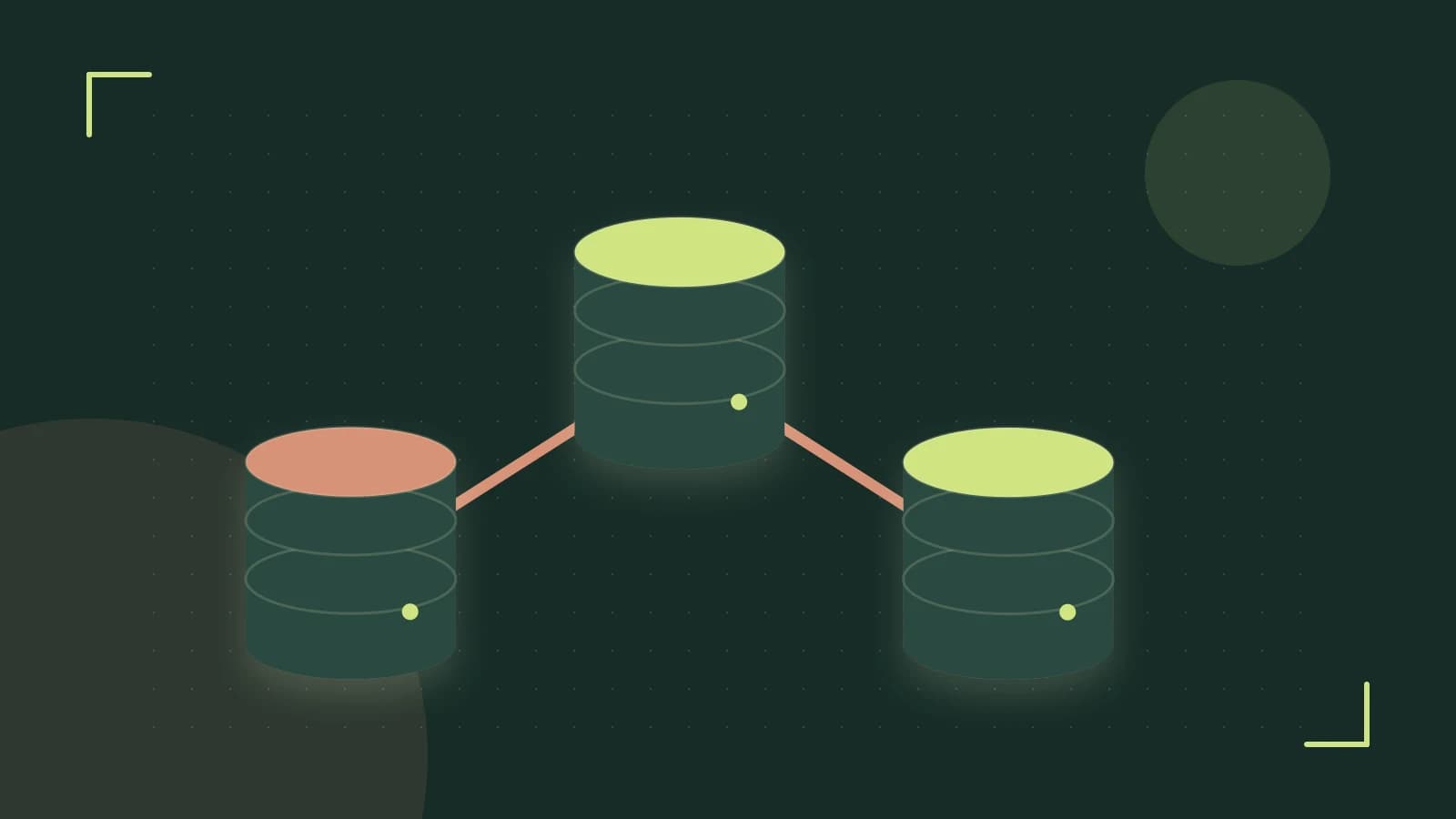
Heroku Postgres point-in-time recovery lets you restore a database to any second within the retention window, enabling fine-grained rollback without rebuilding from scratch. Learn how to enable it, restore safely, and avoid common cost pitfalls.
Build instant, event‑driven pipelines with Cosmos DB’s Change Feed. Learn the problem, solution, a hands‑on C# example, and the trade‑offs you need to consider before you go live.
Stop managing microservices as fragmented Helm installs. Learn how the Umbrella Chart pattern centralizes dependencies and global configurations for a one-click deployment.
Decide how to structure Framer Motion variants for React component transitions: inline, memoized, or external. Learn constraints, trade‑offs, and see concrete examples with exit and layout animations.
Learn how to diagnose and resolve Java heap space OutOfMemoryErrors during Apache Spark shuffles, including identifying data skew and optimizing shuffle partitions.
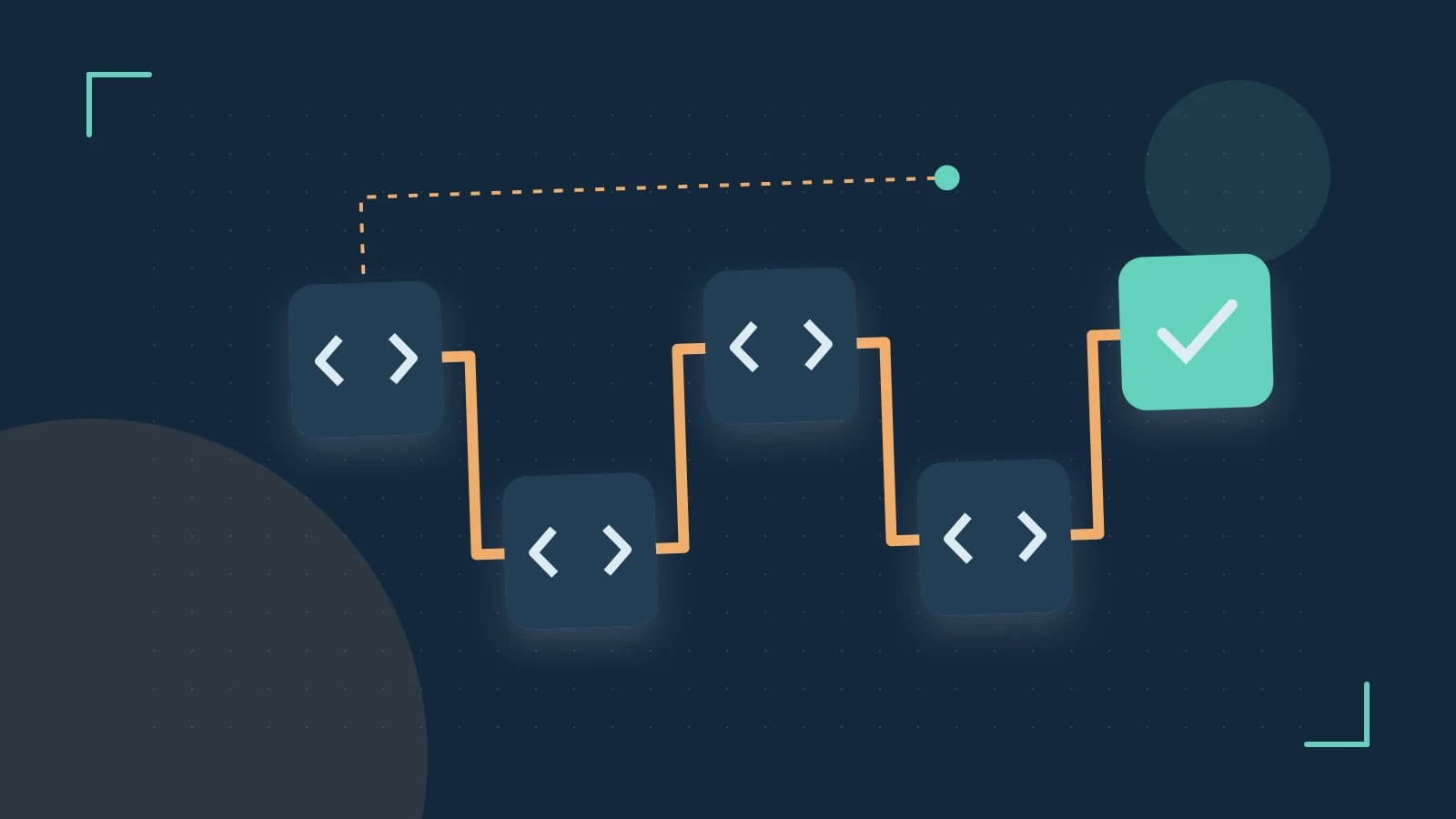
UML Sequence Diagrams help map asynchronous API calls and identify edge cases before code is written, preventing integration errors in distributed systems.
Create a Confluence Page Properties Report to aggregate metadata from multiple pages in a space. Includes setup steps, REST API verification, and recovery options for common failures.
Stop losing complex SQL queries to accidental overwrites. Learn how to use DataGrip's Local History to recover unsaved console buffers and track changes without a VCS.
Choose between Tailwind CSS JIT and legacy mode by weighing build speed, CSS size, dynamic class handling, and PostCSS compatibility. Includes a config example and validation steps.