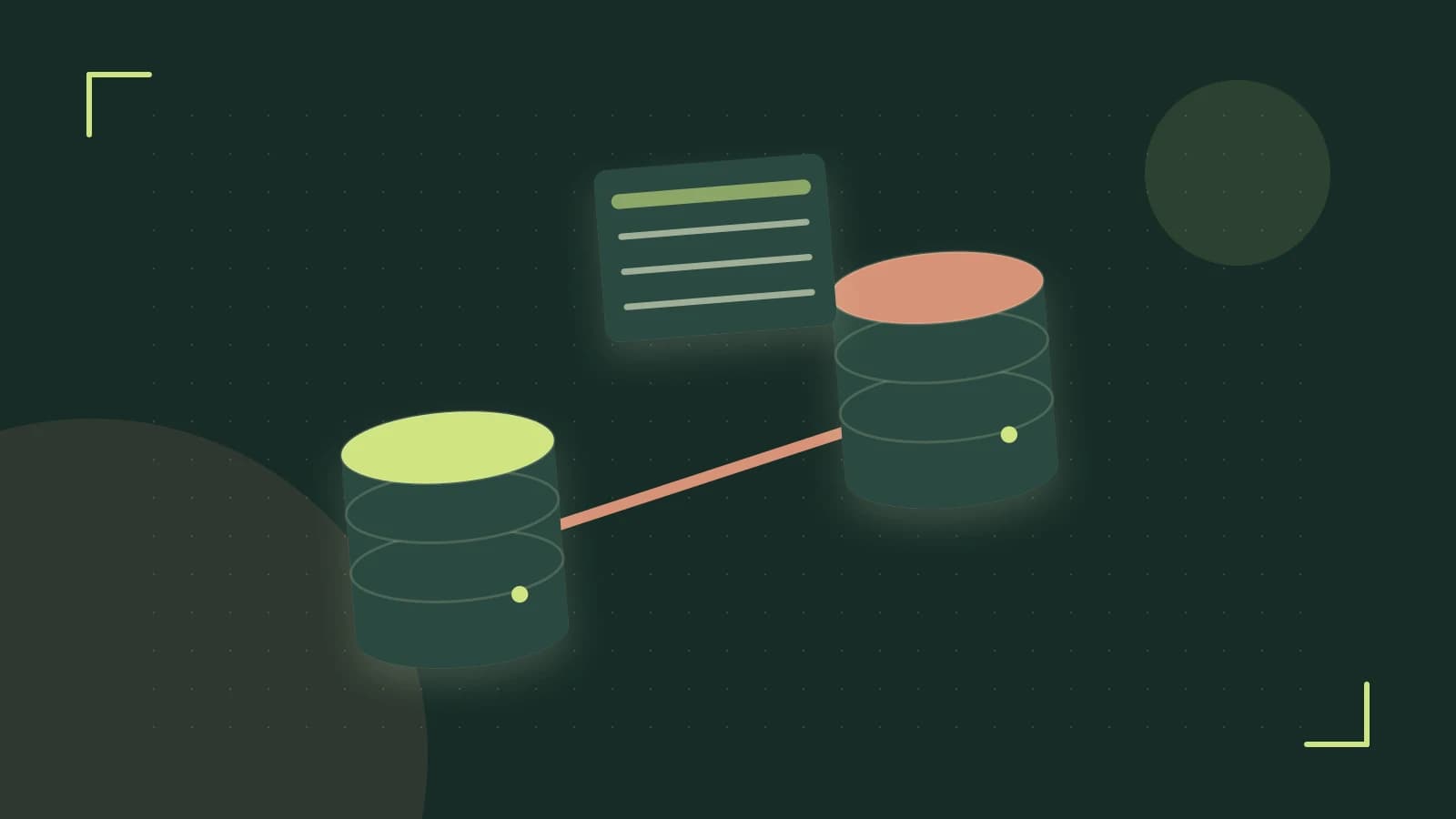
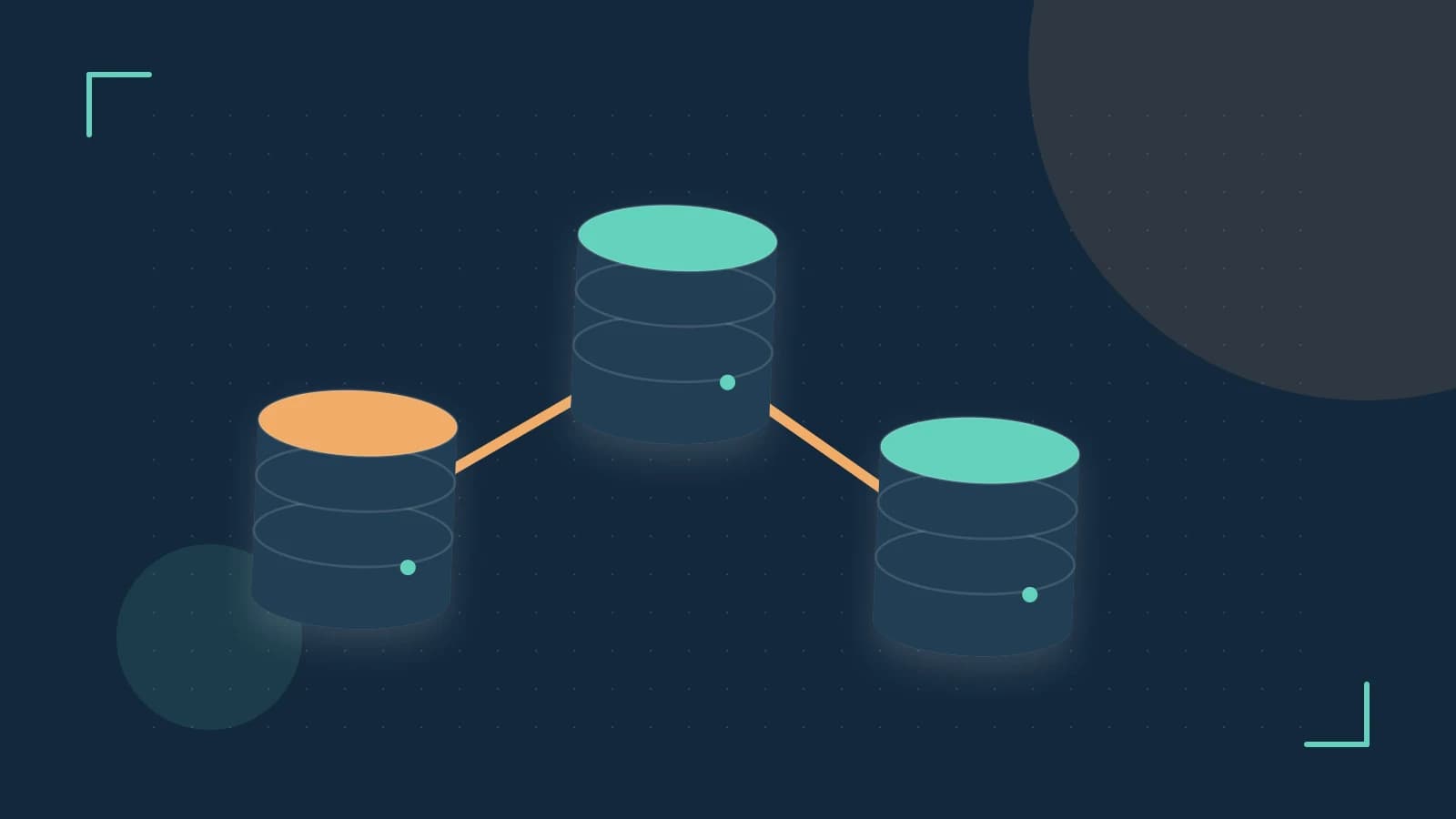
Learn how Azure Cosmos DB's Session consistency level gives read-your-writes with latency close to Eventual, and see a .NET example that shows the trade-off and verification steps.
Learn why Reflex UI may stay stale after an event handler runs, how to diagnose in‑place mutations, background‑task state access, and WebSocket issues, and what fixes to apply.
Angular CDK virtual scrolling handles large lists, but dynamic heights introduce layout thrashing and accessibility gaps. Learn the trade-offs, a worked re-measurement example, and a verification checklist for Angular 17+.
SQL Developer's Explain Plan shows an optimizer prediction; Autotrace shows what actually ran. A practical workflow for validating query rewrites using consistent gets, plan comparison, and DBMS_XPLAN.
NetBeans treats pom.xml as the project and delegates builds to Maven directly. Here's how to align the IDE with CI, which files to gitignore, and the pitfalls that still bite.
A k6 threshold failure is a signal, not a verdict. This diagnostic guide helps you decide whether the application is genuinely too slow or the test itself is miscalibrated — with ordered checks, a symptom table, and escalation criteria.
Learn how Vite’s native ES module serving eliminates bundling in development, giving near‑instant start and precise Hot Module Replacement, with a concrete setup example and notes on browser support and monorepo considerations.
A practical walkthrough of batched status updates with shotgun_api3: scoped script credentials, site-local status codes, and one batch call instead of hundreds.
Learn how to use Atlassian Bamboo Deployment Projects to implement artifact promotion, ensuring the same binary tested in QA is the one deployed to Production.
A technical guide for choosing between Moleculer transporters (NATS, Redis, TCP, Kafka), comparing their impact on service discovery, RPC latency, and cloud compatibility.
Step-by-step guide to deploying a three-node MariaDB Galera Cluster with synchronous multi-master replication, covering installation, configuration, bootstrap, verification, and recovery procedures for high-availability workloads.
MODX contexts let one core serve multiple sites, but they share a database, manager, and codebase. This guide covers the minimal design, routing pitfalls, trust boundaries, ACL patterns, cache issues, and conditions that signal you need separate installations instead.
Want to horizontally scale message workers without a load balancer? JetStream pull consumers let you batch‑fetch, ack, and distribute work across workers, giving you flow control and at‑least‑once delivery. Learn how to set up a pull consumer, run workers, and avoid duplicate processing.
Alloy's Backbone-based data binding eliminates manual row manipulation in Titanium list screens. A concrete task-list example shows how collection changes propagate to TableView automatically, plus the trade-offs: compile step, one-way binding, and community maintenance reality.
A diagnostic guide for Streamlit caching: identify stale data, hash errors, mutation bugs, memory leaks, and cache‑miss regressions with ordered checks, concrete fixes, and escalation paths.
Dart 3 sealed classes replace null-sentinel returns and forgotten error branches with compiler-checked domain models. A worked example shows exhaustive switching over a profile-fetch result type.
Stop setting created_at and created_by in controllers. Yii2's TimestampBehavior and BlameableBehavior move audit fields into the model—here's the configuration, a worked example, and the query-builder bypass you need to know about.
SQLite's default journal lets one slow writer block every reader. WAL mode fixes that with snapshot reads and a separate log file — here's how it works, how to enable it, and what it costs.
Decide between Password Hash Sync, Pass-through Authentication, and Federation for Azure AD Connect based on security, infrastructure, and user experience needs.
Learn how Bun’s native transpiler removes the need for separate TypeScript, Babel, and bundler setup, with a quick React example and notes on its limits.
Learn how to secure sensitive variables in Ansible using Vault. This guide covers file encryption, string encryption, secure playbook execution, and CI/CD integration.
Media queries answer "how wide is the viewport?" — but reusable components need to know "how wide is my space?" A practical guide to CSS container queries, with a working card example and the containment gotcha that collapses elements.
Sourcetree can fetch Git LFS content automatically on checkout and reuse your remote credentials, but diffs still show pointers. Here's what it handles and how to verify it.
S3 Batch Operations replaces fragile list-and-loop scripts with a manifest-driven job that copies, tags, restores, or invokes Lambda across millions of objects — with a per-object completion report.
Move local Mercurial changesets onto a new base with hg rebase: prerequisites, conflict handling, phase checks, and how to recover using obsolete revisions.
Learn how to automate repetitive SPSS tasks using syntax files and the INSERT command, with a concrete example, version considerations, and practical verification steps.
Learn how to implement persistent storage in Google Colab using Google Drive mounts, including performance trade-offs between local VM storage and FUSE-based cloud filesystems.
Learn how to use Reagent atoms in ClojureScript to create reactive UIs. This guide covers state definition, component rendering, and the correct way to trigger DOM updates without manual manipulation.
Stop relying on Primary Scans in Couchbase. Learn how Global Secondary Indexes (GSI) and Covering Indexes eliminate full bucket scans and reduce data fetch latency.
Learn how Travis CI’s Build Matrix lets you test across multiple Node.js versions with a single .travis.yml configuration, and understand the trade‑offs involved.
Towergit's shallow clone lets you fetch only recent revisions, saving time and disk space here's how to use it verify depth and restore full history when needed.
Learn how to write a custom ESLint rule that blocks imports from forbidden directories, handles relative paths, TypeScript aliases, and flat config, with example tests and performance tips.
Tired of flaky data‑science environments? Learn how conda‑lock turns a simple environment.yml into a platform‑specific lock file that guarantees identical installs across CI, notebooks, and production.
OpenSUSE’s Snapper turns Btrfs snapshots into a quick rollback and incremental backup tool. Learn how to enable it, configure cleanup policies, and revert after a bad update with step‑by‑step commands.
When a Flask user logs in but the session disappears after a redirect, the culprit is often the secret key or cookie settings. This guide walks through the symptom, root causes, ordered checks, fixes, and escalation steps to restore session persistence.
Learn how Swift’s built‑in Result type transforms error handling into a clear, composable value‑based pattern. See a concrete example, trade‑offs, and actionable steps for modern codebases.
KaratLabs’ real‑time whiteboard keeps interviewers and candidates in sync with WebSockets, Redis pub/sub, and a simple last‑write‑wins conflict strategy. Learn how the architecture works, test it, and avoid common pitfalls.
Decide between Groovy and Kotlin Gradle DSL in IntelliJ IDEA for Android projects. Compare syntax, IDE support, plugin compatibility, and migration effort. Follow a step‑by‑step example to add a Kotlin module and validate it in the IDE.
Build a high‑performance Julia numerical library by leveraging multiple dispatch and small module boundaries. This guide covers requirements, minimal design, data boundaries, operational checks, failure modes, and when to change the architecture.
How to render large geospatial datasets in the browser with Mapbox GL JS vector tiles: a worked addSource/addLayer configuration, zoom‑dependent styling, runtime filters, and the silent failures that cause blank maps.
Activities get destroyed on rotation and take your UI state with them. Here's how ViewModel + LiveData fixes that, with a working counter example and three ways to verify the lifecycle behavior yourself.
Rancher's multi-cluster management centralizes auth, RBAC, and GitOps delivery across imported and provisioned clusters — but the management plane itself becomes a dependency you must design for.
A diagnostic guide for LÖVE projects that open a black window at startup: how to capture hidden errors, isolate rendering from loading, find bad asset paths and blocking loops, and when to escalate.