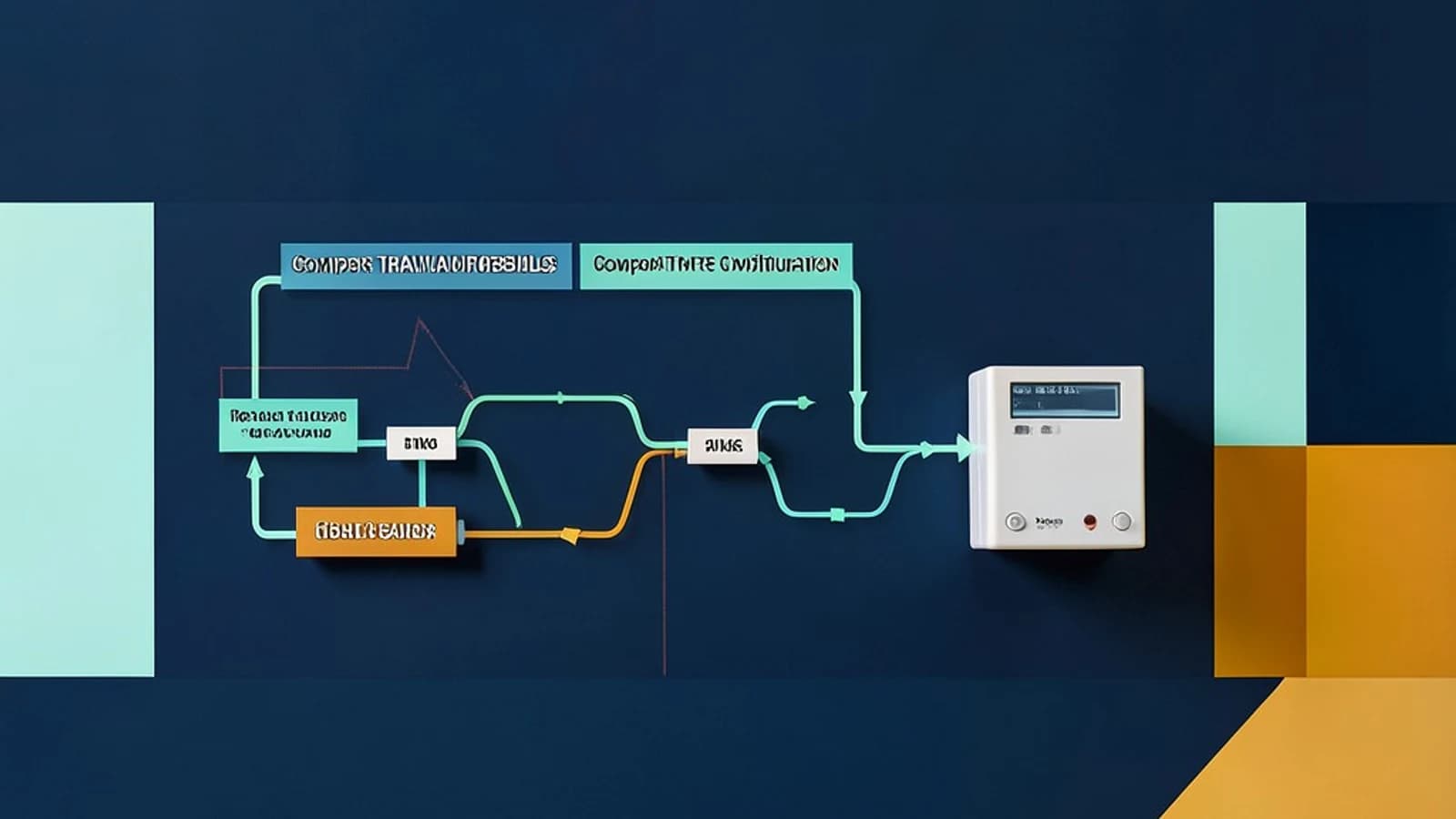
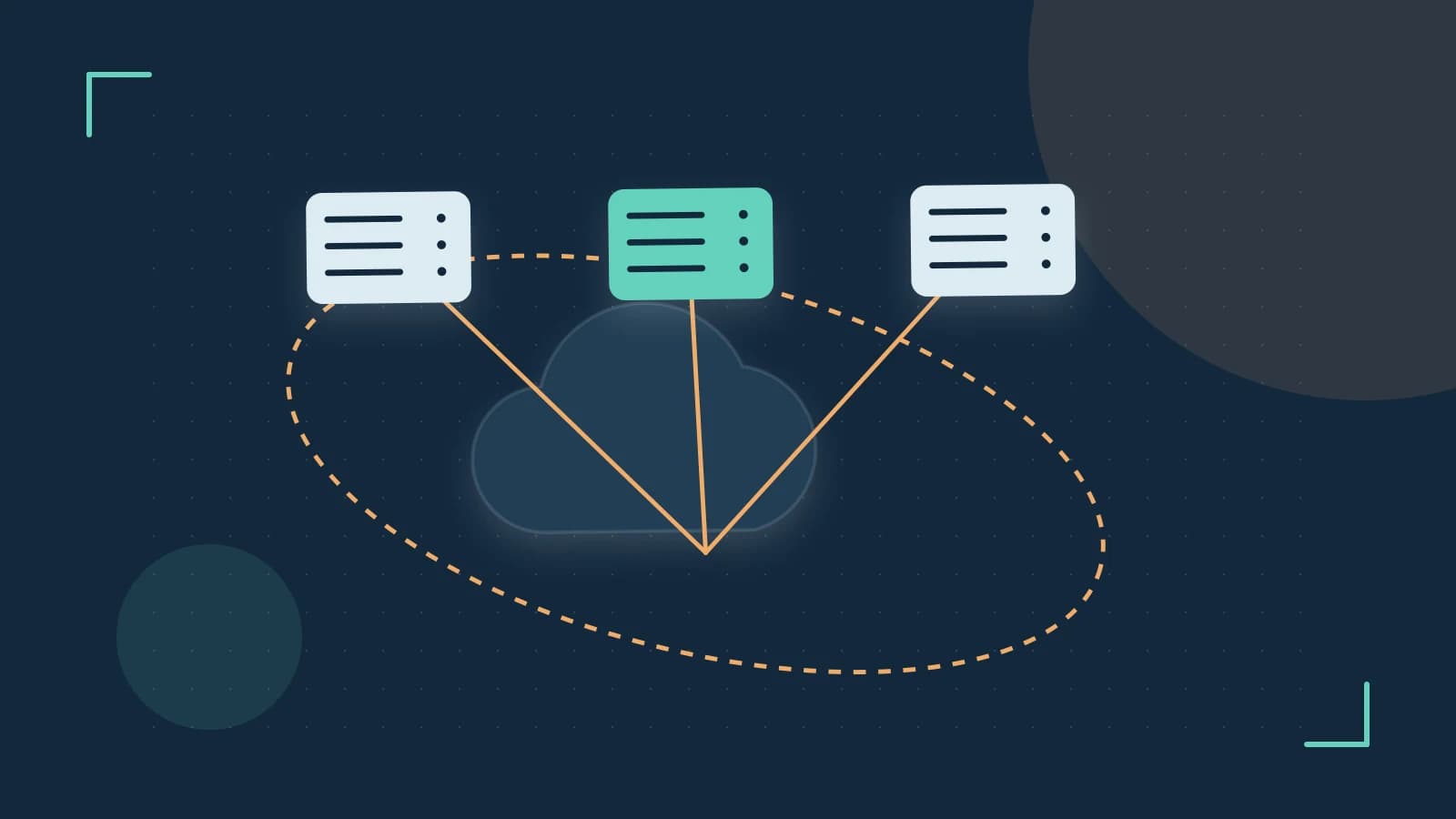
An architecture note on Gradle's build cache for CI: the minimal CI-only-push design, trust boundaries around cached outputs, how to verify FROM-CACHE hits, and the failure modes that matter.
Git says 'HEAD detached' and your commits feel one wrong command away from disappearing. Diagnose the state, save unreferenced work with a branch or the reflog, and reattach safely.
Decide when to use Flutter's Navigator 1.0 imperative API versus Navigator 2.0 declarative router based on deep‑linking, web URL sync, and boilerplate tolerance.
Blender's Geometry Nodes lets you scatter thousands of object copies while storing the source mesh once. Here's the minimal node setup, why instancing matters, and where it breaks.
Diagnose and resolve UI freezes in Delphi VCL caused by TThread.Synchronize deadlocks. Learn to identify lock contention and replace blocking calls with TThread.Queue.
Stop fighting flaky integration tests. Learn how to use Bitbucket Pipelines service containers to run isolated PostgreSQL or Redis instances for deterministic Java Maven builds.
Stop typing 'open' or 'vim' every time you want to view a file. Learn how to use Zsh suffix aliases to launch files automatically based on their extension.
Step-by-step checks to identify and fix Gradle sync errors caused by AGP/Gradle version mismatches, JDK incompatibilities, proxy settings, cache corruption, or insufficient heap.
Learn how to configure IBM Cloud Object Storage lifecycle rules to move infrequently accessed objects to the Cold Vault tier, reducing storage costs while understanding retrieval latency trade‑offs.
Learn how to diagnose and fix Groovy @CompileStatic compilation errors caused by dynamic calls, Groovy Truth, safe‑navigation, and delegate/category transformations.
DNS‑01 challenges let Traefik issue wildcard certificates without exposing ports 80/443. This post shows a complete static config, Kubernetes IngressRouteTLS wiring, and a verification checklist to avoid Let’s Encrypt rate limits.
A decision guide for Gitpod Prebuilds: compare three configuration scopes, understand cost/latency trade-offs, implement a minimal .gitpod.yml, and validate with dashboard and CLI checks.
Canva's Connect API lets your backend autofill templates and export designs as files — no editor required. Here's the architecture, a proof-of-concept sketch, and the real trade-offs.
Learn how to implement Jaeger Adaptive Sampling to automatically balance trace volume, ensuring high‑traffic endpoints don’t overwhelm storage while rare errors are still captured.
Learn why Unity’s Addressables system outperforms the legacy Resources folder for runtime asset management. The post explains memory savings, async loading, and hot‑fixing, with a concrete example and clear trade‑offs.
Decide between ES6 modules and global scripts in CodePen by comparing namespace safety, tooling, browser support, and project scale. Follow a concise table, trade‑off analysis, and a step‑by‑step example that shows real‑world import behavior and verification steps.
Stop API timeouts and database lag. Learn when to use PageNumber, LimitOffset, or Cursor pagination in Django REST Framework to optimize large dataset performance.
Learn how to optimize Three.js performance using BufferGeometry attributes, typed arrays, and InterleavedBuffers to reduce GPU memory overhead and improve cache locality.
Learn how to diagnose and fix the common issue of CharacterBody2D snagging on TileMap seams in Godot 4 using terrain merging and collision shape optimization.
Learn how to use Bulma's 12-column Flexbox grid to create responsive layouts that automatically adapt from mobile stacks to desktop grids without complex CSS math.
Learn how to use Traefik Mesh TrafficSplit to perform weighted canary releases in Kubernetes, with a concrete example, verification steps, and limitations.
A step‑by‑step guide to recognize, verify, and fix clipped or overlapping axis labels, titles, and colorbars when using Matplotlib’s constrained_layout engine.
Learn how to define flags in codecov.yml, upload separate coverage reports, and use carryforward to keep trends alive for unchanged parts of a monorepo.
Learn how to request location permissions and get the device's latitude and longitude using Xamarin.Essentials Geolocation, with error handling and fallback strategies.
Guide to diagnosing Aerospike XDR lag and data inconsistency: recognizable symptoms, cause table, ordered checks, fixes, escalation, and verification steps.
Learn how Adobe XD’s Auto‑Animate interpolates matching layers to create micro‑interactions without timelines, plus setup steps, limits, and developer handoff tips.
When a Vaadin Grid must display thousands of rows, switching from ListDataProvider to CallbackDataProvider enables server-side paging—but the count callback and sorting logic demand careful implementation.
Kernel 'task blocked for more than 120 seconds' warnings come from khungtaskd and point at D-state stalls. Learn to read the stack trace, distinguish disk, NFS, and driver causes, and know when to escalate.
Learn how to build clean, maintainable Typo3 extensions using Extbase MVC and Fluid templates. This practical guide covers separation of concerns, repository patterns, and site-specific configuration with a worked example.
Stop cluttering your Perl scripts with manual newline characters. Learn how to use the Perl 'say' operator to simplify output, handle filehandles, and avoid namespace conflicts.
Stop fighting the lack of JOINs in Firestore. Learn when to duplicate data via denormalization to reduce latency and costs, and how to handle the resulting update complexity.
When refactoring large Sass projects, the old @import rule can duplicate mixins and cause variable clashes. The modern @use rule loads modules once, namespaces everything, and lets you expose only what you need. Learn how to migrate and avoid pitfalls.
Learn how to build a stateful counter with Cloudflare Workers Durable Objects, see the exact code, understand size and concurrency limits, and avoid common pitfalls.
WebAssembly SIMD adds 128‑bit vector types that map to CPU SIMD instructions, giving data‑parallel code a 2‑4× speed‑up in browsers. This guide shows how to compile, test, and fall back when SIMD isn’t available.
TrueTime gives Google Spanner global external consistency by returning a bounded time interval and enforcing a commit‑wait rule, eliminating a central timestamp oracle and keeping latency predictable.
Use Fortran’s native array syntax to let the compiler emit SIMD instructions, boosting numerical throughput. Learn the design requirements, trust boundaries, verification steps, and failure modes for optimal performance.
Learn how Keras ModelCheckpoint automatically saves the best model during training, with a concrete code example, configuration tips, and common pitfalls to avoid.
An architecture‑level guide to CLion’s Remote Development feature: requirements, minimal design, trust boundaries, operational checks, failure modes, and conditions that trigger a fallback to local execution.
An architecture note on Drupal's render cache: the requirements it must meet, the smallest design that works, trust boundaries around contexts and tags, operational checks, and when to change the design.
Learn how ISR lets you serve fast static pages while updating content in the background, with a concrete getStaticProps example, trade‑offs, and verification steps.
Learn how Lodash’s _.debounce limits excessive event handler calls, see a concrete resize‑listener example, and understand its limits, return‑value quirks, and common pitfalls.
Learn why Zustand subscribers may miss updates and how to diagnose middleware, mutation, closure, and subscription issues with step‑by‑step checks and fixes.
Astro ships zero JavaScript by default and hydrates only the components you mark with a client directive. Here's how islands work, which directive to pick, and where the model stops paying off.
An architecture note on using CakePHP's validationDefault() and buildRules() as a deliberate server-side trust boundary: minimal design, bypass risks, operational checks, and when to add more layers.
ReplacingMergeTree lets you push updates into ClickHouse as new rows; the engine deduplicates older records during background merges. This post explains how it works, shows a hands‑on example, and outlines trade‑offs for OLAP workloads.
Learn how to diagnose and fix common awk field splitting issues, including hidden CRLF characters, delimiter collapsing, and handling quoted strings with GAWK's FPAT.