Diagnose and fix SurrealDB graph traversal latency by identifying missing indexes, analyzing query plans with EXPLAIN, and applying targeted indexing strategies for RELATE and FETCH operations.
Architecture note on the Blazor Server circuit model: managing per-circuit state isolation, SignalR trust boundaries, operational checks, and the limits of in-memory state.
Use one Puppeteer browser and create a browser context per user or test for fast, lightweight isolation. Contexts keep cookies and storage separate while sharing the Chromium process.
When AngularJS throws the "$digest already in progress" error, the UI can freeze or show incomplete updates. This guide walks through symptom recognition, root‑cause analysis, ordered checks, fixes, and escalation criteria to help you diagnose and resolve the issue safely.
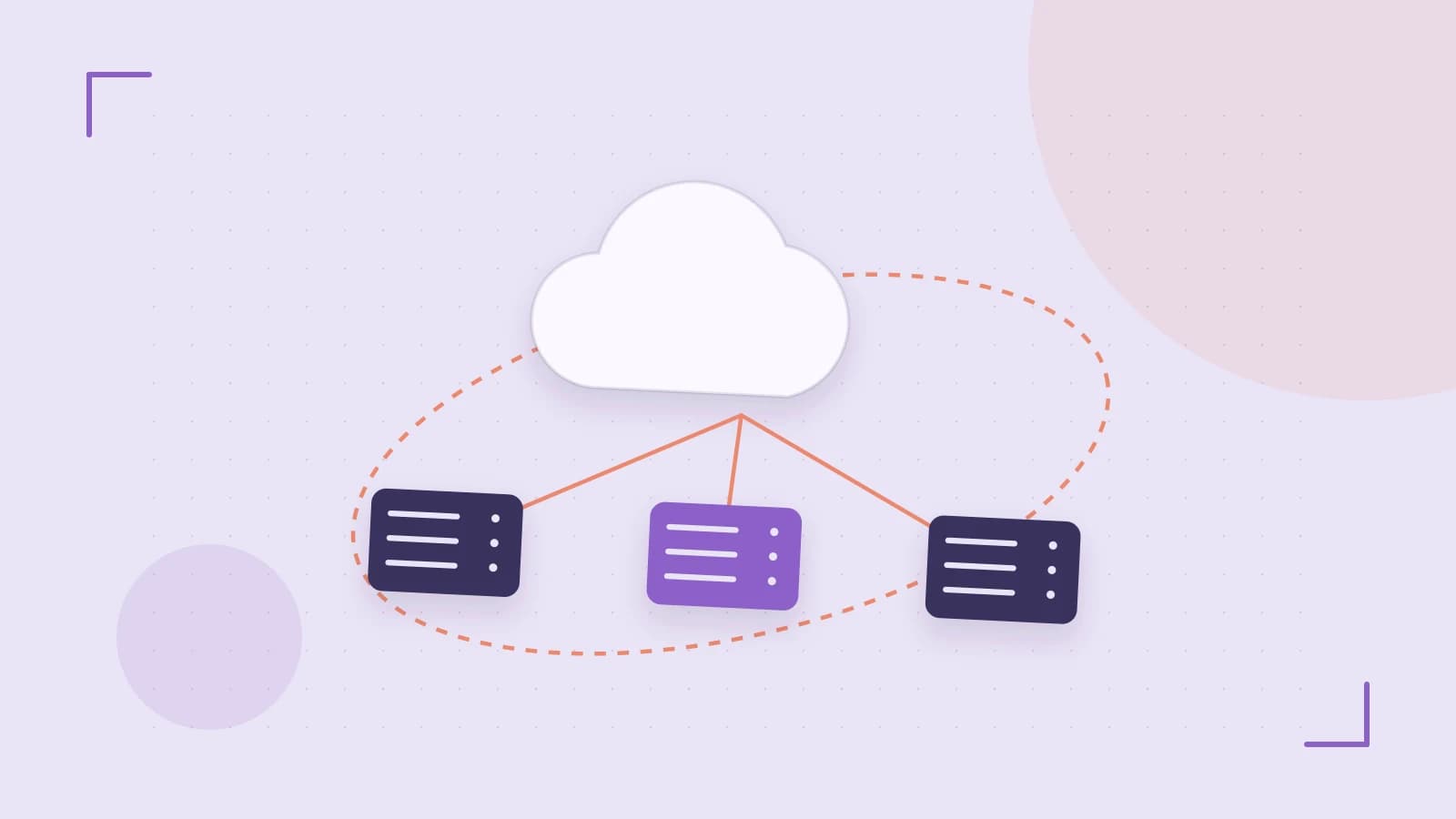
YugabyteDB’s follower‑read feature routes read‑only queries to replicas, offloading the leader and cutting latency in geo‑distributed clusters. Enable with a session variable, verify via tablet‑server logs, and watch leader CPU drop. Trade‑off: staleness; not for write‑heavy paths.
QStringListModel stores exactly what it shows. When your display format diverges from your data—like showing file names for full paths—you need a custom QAbstractItemModel. Here is how to implement the required functions and keep views synchronized.
Learn how Premiere Pro’s Proxy Workflow lets you edit 4K footage smoothly on modest hardware, the step‑by‑step process, trade‑offs, and best practices for a seamless editing experience.
Polygon PoS transactions are only truly final after their state root is checkpointed to Ethereum. Learn how to detect that checkpoint, the limits of the process, and common pitfalls to avoid.
Learn how ROS 2 composable nodes cut inter‑process communication overhead, lower latency for high‑frequency data streams, and enable runtime reconfiguration. Follow a concrete example, trade‑offs, and a practical verification checklist.
Adopt CMake’s FetchContent to embed external libraries directly into your build tree—no pre‑installed packages, simplified CI, and automatic transitive linking. This guide covers the minimal design, trust boundaries, operational checks, failure modes, and when to pivot to another strategy.
Guide to picking the right Web3.js provider (HTTP, WebSocket, or direct RPC) for reliable Ethereum node access in headless servers, with a concrete Infura HTTP example and verification steps.
PGraphics lets you cache static drawing layers in an off-screen buffer, then composite them each frame with a single image() call. This guide shows a complete worked example, explains memory limits, and lists the common mistakes that cause crashes or visual artifacts.
Learn how to treat Sketch Symbols as component APIs, use Overrides for per‑instance tweaks, and leverage Libraries to keep design systems consistent across teams.
Decide whether to use Sentry’s client‑side, server‑side, or both SDKs in a web app by comparing setup, visibility, and duplication risks, then see a hybrid initialization example.
Stop letting linear test execution slow down your CI pipeline. Learn how to implement parallel execution with BrowserStack to reduce test times and handle concurrency trade-offs.
Use a Behance client_id, paginate /v2/projects with the page parameter, and monitor X-RateLimit-Remaining to avoid 429 errors in your backend integration.
Stop relying on perimeter firewalls. Learn how Consul Connect uses Envoy sidecars and Intentions to implement mTLS and Zero Trust security across your microservices.
Threads block on Semaphore.acquire, permits drift to zero, or tryAcquire is misused. This guide shows how to confirm exhaustion vs leak vs starvation with dumps and availablePermits(), and fixes tied to each finding.
Consul Connect sidecars allow all inbound traffic by default. Intentions provide a declarative allow/deny layer enforced by the proxy, enabling least-privilege service-to-service access without code changes.
Learn how Jeet’s column‑span mixin lets you define element widths as a fraction of the grid while preserving gutters and breakpoint‑based responsiveness, with a concrete Sass example and notes on pitfalls.
Learn how to control Read the Docs builds by committing a .readthedocs.yml file that pins Python version, installs dependencies, and overrides the default Sphinx command.
Explains why the volatile qualifier is essential for memory‑mapped I/O in embedded C, shows a concrete LED‑toggle example, and gives a practical verification workflow.
Step‑by‑step guide to diagnose and resolve Neo4j transaction log growth that fills disk on a standalone instance, including checks, fixes, and verification.
Learn how to diagnose and fix 'Hydration node mismatch' errors in Vue Storefront SSR. This guide covers identifying non‑deterministic data, using <client-only> wrappers, and maintaining SEO performance.
Decide whether to use Rocky Linux’s legacy DNF or the newer DNF5 by comparing plugin support, performance, and memory usage. Follow our table, trade‑off analysis, and step‑by‑step validation example for system admins.
Managing Kubernetes scale with Gardener Shoot Clusters: The multi‑cluster management bottleneck occurs when scaling to dozens of clusters across cloud providers. Gardener turns cluster lifecycle into a declarative object, simplifying provisioning and scaling.
Learn how to use BrowserStack Local to test websites hosted on localhost or behind firewalls, including a Node.js implementation and performance trade-offs.
Learn how to use Socket.io Rooms to implement targeted event broadcasting, reducing network overhead by sending messages only to specific subsets of connected clients.
Learn how to implement and manage custom fields in ProcessWire to move from generic page content to structured data objects for better querying and management.
Stop cluttering your business logic with manual if-else checks. Learn how to use JSON Schema for declarative validation, strict contract enforcement, and polymorphic data handling.
Implement database-level multi-tenancy using PostgreSQL Row Level Security (RLS) to enforce data isolation without relying on application-tier middleware.
Learn how a Gazebo System plugin can coordinate multiple robots more efficiently than per‑model plugins, with a complete build‑and‑run example and performance tips.
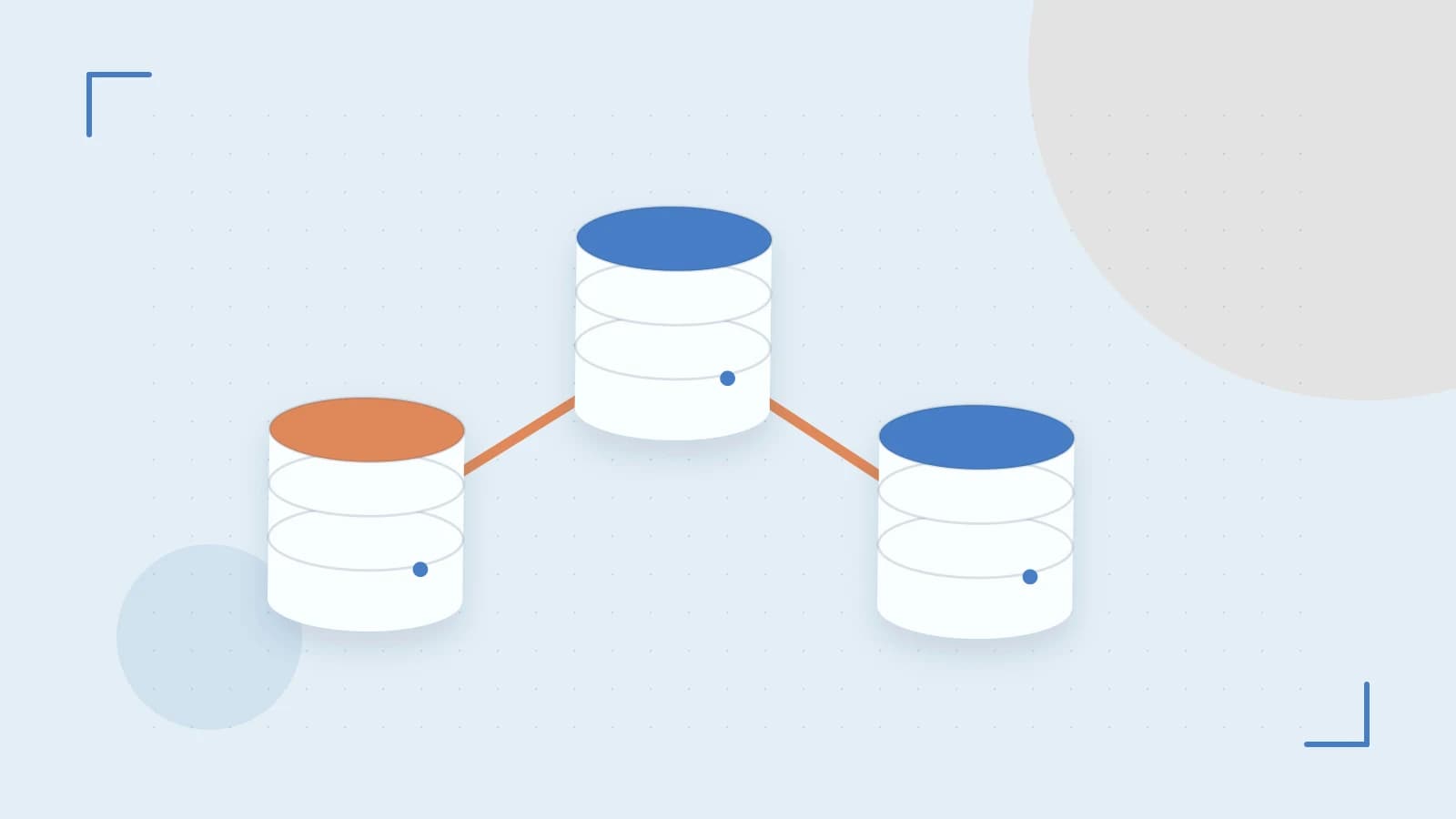
Learn how Detaspace eliminates manual sharding, routes queries to the owning node, and what you must verify before enabling it in a production cluster.
Ren'Py's ATL lets you declare sprite movements, fades, and rotations in a single block. This guide shows how to define a transform, apply it, and check performance. It also covers limits, pitfalls, and how to avoid common mistakes.
Learn how to enable Rollup’s tree shaking to drop unused ES‑module exports, verify the size reduction, and handle common pitfalls like side‑effects and dynamic imports.
Learn why the volatile qualifier is essential for reliable hardware register access in Embedded C, see a GPIO LED toggle example, and understand the performance trade‑offs of over‑using volatile.
Learn how Firebird's Recursive CTEs let you flatten employee org charts or category trees with a single SQL statement, avoiding stored procedures and complex joins.
Learn how to decide between Zig's General Purpose Allocator for leak‑safe debugging and Fixed Buffer Allocator for deterministic, low‑overhead allocation.
Learn how to wrap browser‑dependent components with <ClientOnly> in Nuxt 3 to avoid SSR errors, see the mechanism in action, and avoid common pitfalls.