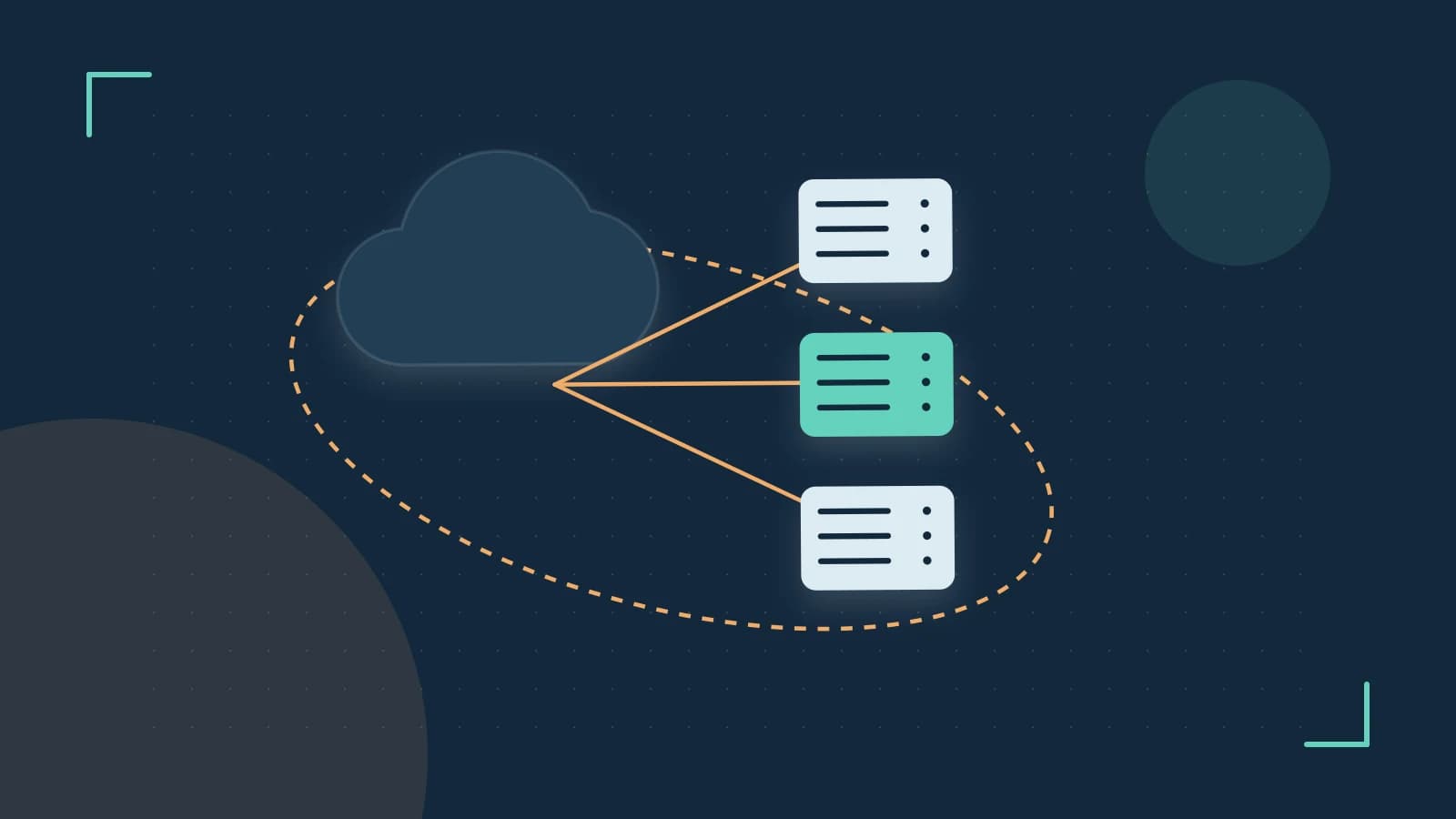
Stop hardcoding service IPs. Learn how the Moleculer Service Broker uses transporters and service discovery to provide location transparency and automatic load balancing in microservices.
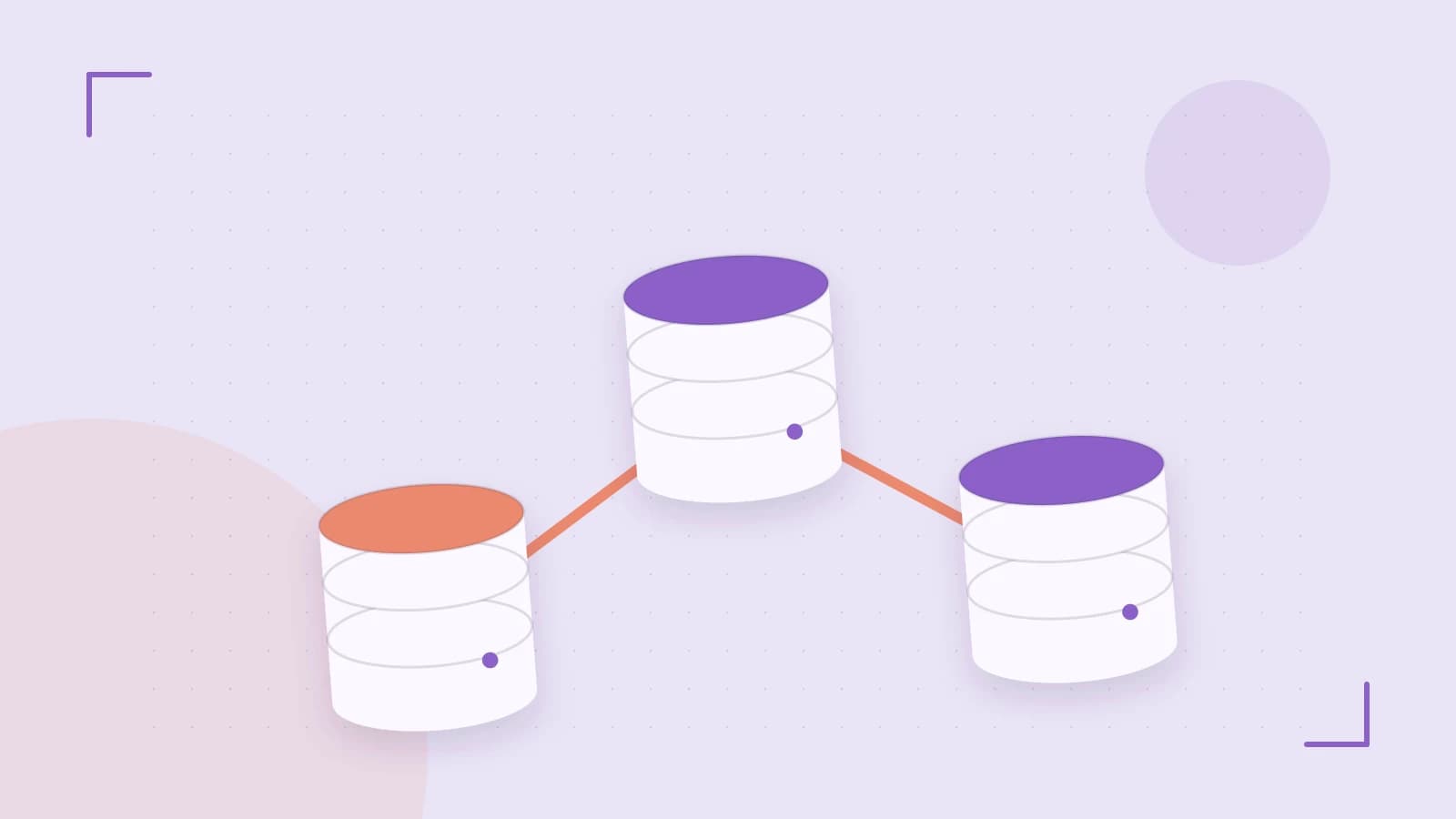
Stop relying on full table scans for JSON data. Learn how to use MariaDB Virtual Generated Columns to index specific JSON keys for relational-speed performance.
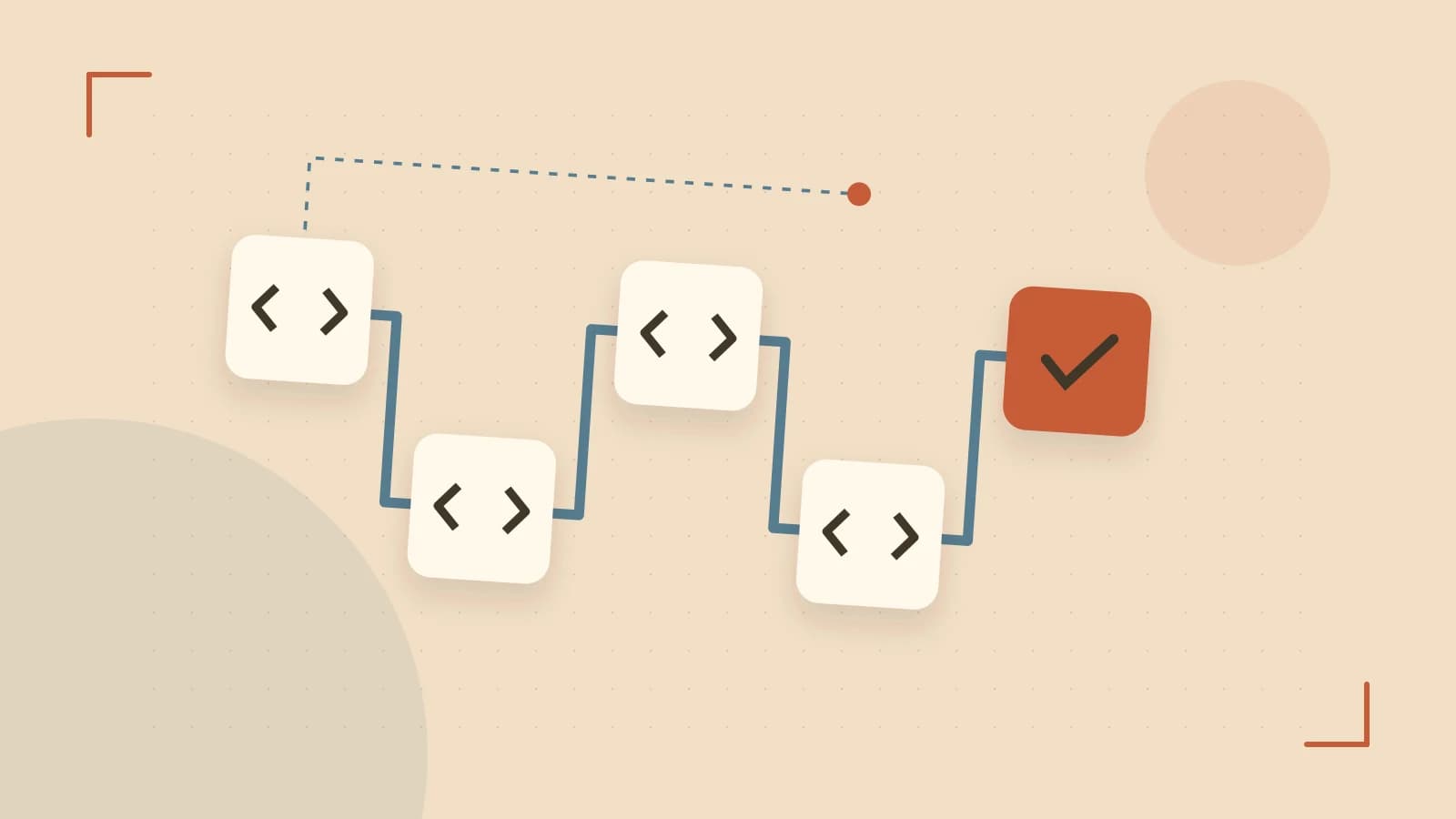
Learn how to diagnose and resolve OCaml Stack_overflow exceptions by identifying non-tail recursive calls and implementing accumulator-based patterns to enable Tail-Call Optimization (TCO).
Stop the frustrating lag of script reruns. Learn how to use @st.cache_data to optimize data loading and API calls in Streamlit for a snappier user experience.
Replace static Storybook examples with CSF3 typed args and the Controls addon. Learn the prerequisites, authoring steps, URL serialization rules, and recovery from cache or config problems.
Constrained Language Mode filters script capabilities at the engine level — not a process sandbox. Understand its allowlist, trust assumptions, diagnostic checks, and the failure modes that break real automation before you rely on it as a security boundary.
For new public DSL macros in Racket 8.x, prefer syntax-parse for clearer compile-time errors and lower maintenance cost, and keep syntax-case only for base-only or legacy code.
Gentoo's USE flags expose compile-time feature selection to users, trading maintenance complexity for precise control over binary size, dependency graphs, and attack surface. A practical walkthrough of the engineering trade-offs, a minimal server example, and the rebuild costs you'll actually face.
Reach lets you write multi-party dApps once and compile to Algorand, Ethereum, or other backends. This guide explains participant roles, interact/commit consensus rounds, and a worked escrow example with frontend integration.
jQuery's .on() delegation attaches one listener to a stable ancestor, handling events for current and future elements. This post covers how it works, choosing the right delegation root, selector performance, and the limitations you'll hit with non-bubbling events or stopPropagation.
Dispatch a createSlice action and see no state change? Use this diagnostic guide to find whether the cause is a stale reference, direct mutation outside Immer, async logic in a reducer, or non-serializable data.
ThinLTO splits LLVM's whole-program optimization into a fast summary phase and parallel backend workers, avoiding the memory explosion of monolithic LTO. This post shows how to integrate it into CMake/Ninja, verify cross-TU inlining, and navigate cache, debug-info, and sanitizer trade-offs.
A concise architecture note for running Nuxt 3 on Nitro in serverless environments: minimal design, trust boundaries, operational checks, failure modes, and redesign triggers.
Learn how to implement a minimal OpenTelemetry Collector sidecar in Kubernetes to handle OTLP trace ingestion, probabilistic sampling, and batch exporting to Jaeger.
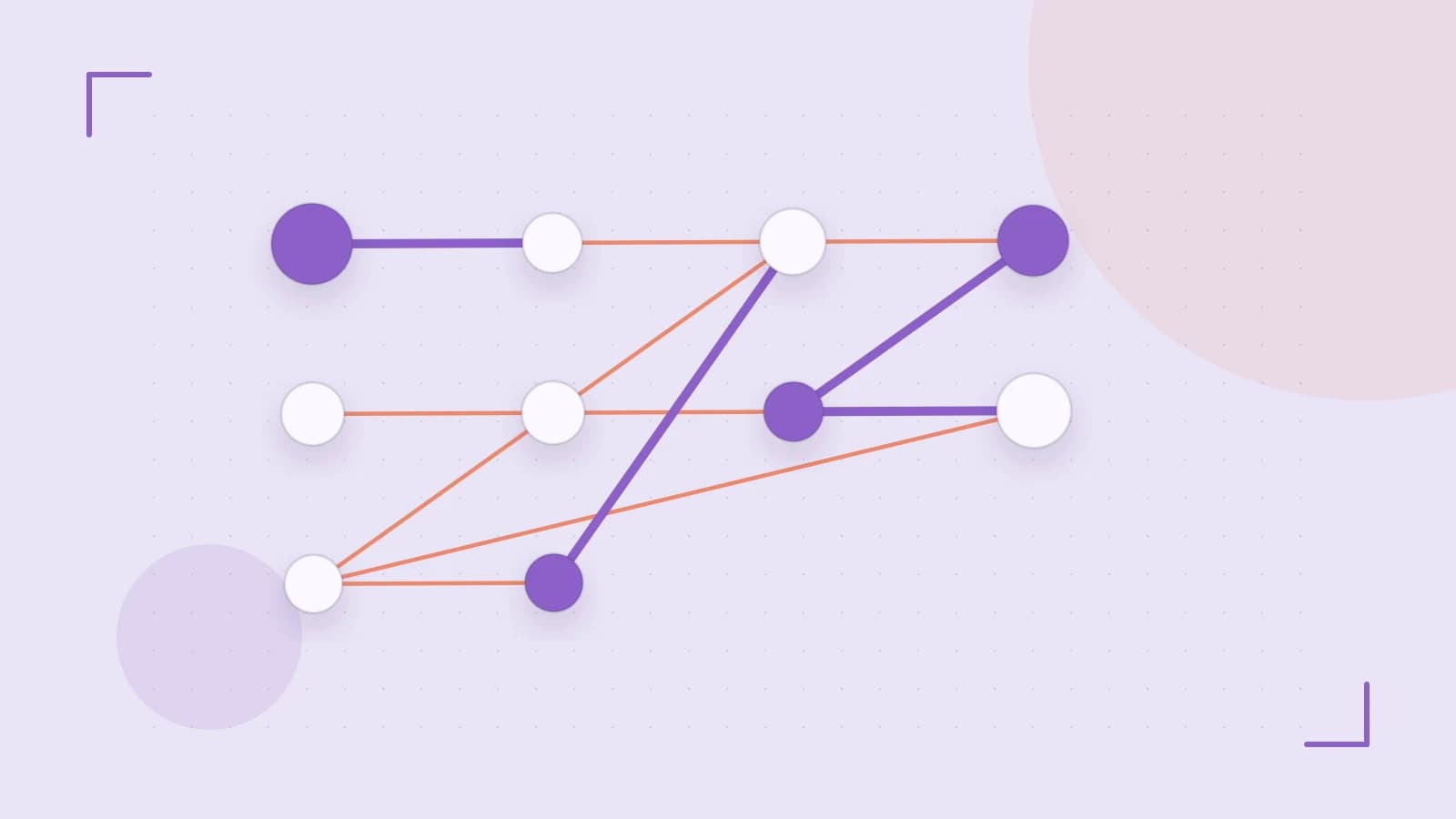
Learn how to compute betweenness centrality on millions‑edge graphs with NetworkX’s k‑sampling, validate the results, and fall back to specialized libraries when needed.
Learn how Kotlin's inline functions and reified type parameters overcome JVM type erasure to create cleaner, type-safe APIs without the boilerplate of passing Class objects.
Learn how to use the Jira Align Strategy Tree to link high-level business goals to executable Jira Software Epics, avoiding the common pitfalls of 'alignment fatigue'.
Learn how to implement secure username and password authentication using Passport.js LocalStrategy, including session management and password hashing integration.
A step-by-step diagnostic guide for finding and fixing retain cycles in Objective-C: recognize the missing dealloc signal, use Memory Graph and Leaks instruments, apply the weak delegate and weak-self block patterns, and verify the fix with repeatable checks.
Explore how Linux Mint's Update Manager uses tiered updates, Timeshift snapshots, and independent kernel management to balance new features with system stability.
Podman runs containers rootless by default using Linux user namespaces. This guide covers subordinate UID/GID setup, a worked nginx example, networking limits, storage drivers, systemd integration, and the common permission trap with host volumes.
PhpStorm's built-in SFTP deployment is the smallest design for solo PHP projects. Learn the path mappings, exclusions, trust boundaries, and failure modes before relying on it.
Manual scene prep in Maya is slow and inconsistent. Encoding import, rename, and attribute steps in a Python script run through mayapy removes the clicking and makes the process repeatable.
Learn how to use Sequelize’s managed and unmanaged transactions for atomic multi‑row writes. Follow a step‑by‑step guide, verify isolation levels, handle nested transactions, and avoid common pitfalls like missing transaction options or connection leaks.
Use Minitab control charts to separate real process shifts from setup errors, then correct subgrouping, limits, and stages before trusting capability indices.
Learn how to connect Dataspell to a remote Jupyter kernel over SSH to keep the IDE responsive while working with large data sets and complex visualizations.
Unlock the power of Debian stable’s unattended-upgrades: automatically pull security patches, fine‑tune origins, test with dry‑runs, and manage reboots—all without manual intervention.
A technical guide for choosing between switchMap, mergeMap, concatMap, and exhaustMap in RxJS to manage asynchronous concurrency and prevent race conditions.
Guide to selecting missing-value imputation in scikit-learn pipelines, comparing SimpleImputer, IterativeImputer, and native HistGradientBoosting support while avoiding leakage.
How to configure, verify, and safely roll back WiredTiger cacheSizeGB so MongoDB keeps its working set cached while leaving memory for the operating system and application.
Learn how to use expo-updates to deploy JavaScript fixes to your users instantly, bypassing app store review cycles while managing native runtime compatibility.
Use the Red Hat firewall system role to define host packet filtering once in Ansible and enforce it consistently across RHEL 8/9 fleets. Covers minimal design, trust boundaries, and failure modes.
Redis Streams can serve as a compact event store when you need ordered, append-only events and parallel consumers. This guide covers the smallest viable single-node design, persistence settings, consumer group mechanics, and the failure modes that force a different architecture.
MoveTables resharding keeps your source shards authoritative until the final write switch. Here is how the VReplication workflow, vindex placement, and cutover freeze interact—and how to rehearse it safely.
A practical pattern for Laminas MVC: use laminas-form InputFilters as the single source of validation truth and laminas-hydrator to map filtered data into DTOs, keeping controllers focused on orchestration.
Mocha's built-in async/await support removes boilerplate from async tests, with a concrete fetch example, version checks, and trade-offs to avoid race conditions.
Learn how to export a TensorFlow 2.x model with explicit serving signatures, inspect them with the CLI, and deploy to TensorFlow Serving, covering common pitfalls and verification steps.
Discover how to turn on HTTP/3 (QUIC) in NGINX 1.27+, the conditions you must meet, a working config example, and how to verify the change. Learn the trade‑offs to keep in mind before deploying to production.
When a Postman collection stops running in the UI or in a CI pipeline, the root cause can be a network issue, data file format, or a sandbox difference. This guide walks through the most common failure modes, shows how to identify them, and gives concrete fixes and escalation thresholds.
Jest snapshot tests capture rendered output automatically and fail on unintended markup changes, giving fast regression detection for presentational React components without manual assertions.
Automate LinkedIn posts with the Share API (v2). Learn how to set up OAuth 2.0, craft UGC post requests, handle media uploads, respect rate limits, and avoid policy violations.