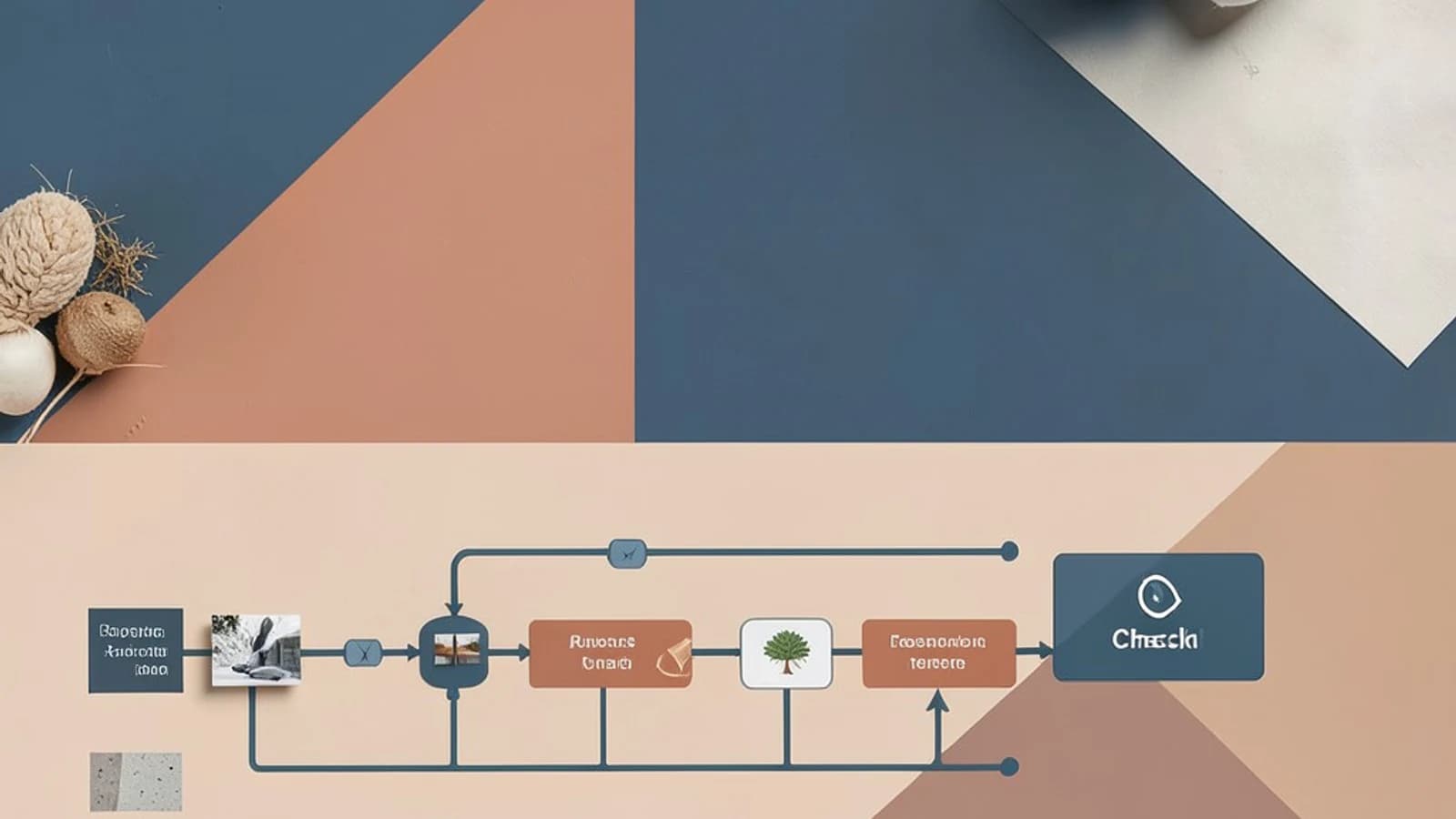
Learn how to architect fault‑tolerant, asynchronous MATLAB code with parfeval, covering requirements, minimal design, data isolation, operational checks, failure handling, and when to re‑design. Includes example code and verification steps.
A decision guide for picking fork, vfork, or clone in Unix-like systems, comparing overhead, memory sharing and portability with a concrete C example and validation steps using strace.
Learn how to replace the old body‑parser with Express’s built‑in express.json() middleware. Understand defaults, limits, custom types, and how to verify raw bodies for secure webhooks. Follow the migration checklist to keep your API safe and efficient.
A concise decision guide comparing PyTorch Eager Mode, TorchScript tracing, and TorchScript scripting, with a concrete benchmark and verification steps.
Stop polluting your pull requests with 'WIP' commits. Learn how to use git rebase -i to squash, fixup, and reword your history for cleaner code reviews.
Learn how to use Ruby's Fiber Scheduler to handle thousands of concurrent I/O operations on a single thread, reducing memory overhead and avoiding thread exhaustion.
Stop guessing why your UI elements are overlapping. Learn how to use the Android Studio Layout Inspector's 3D view and recomposition tracking to debug complex hierarchies.
Learn how to prevent unnecessary UI re-renders in MobX by using actions to batch state mutations and enforcing strict mutation rules for predictable application state.
Learn how to implement the MaterializeCSS 12-column grid system to create responsive layouts that adapt seamlessly from mobile devices to extra-large desktops.
Learn how to implement a centralized Material UI ThemeProvider to eliminate design drift, manage light/dark modes, and optimize render performance in React.
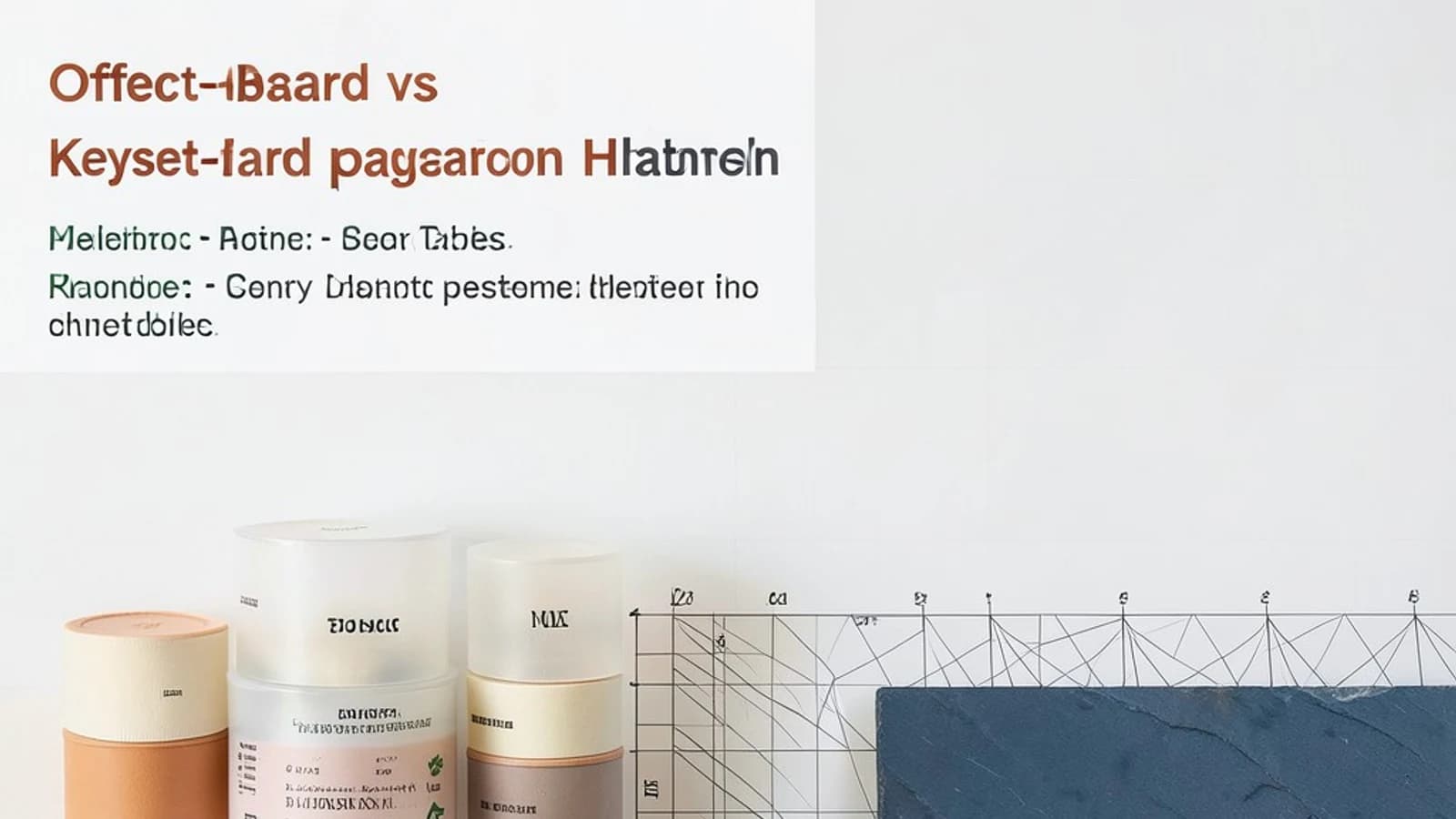
Compare Offset-based vs. Keyset-based pagination in Hibernate. Learn when to use setFirstResult() and when to implement a Seek Method to avoid database performance degradation.
Avoid OutOfMemoryErrors in Java by implementing proper Hibernate pagination. Learn the difference between offset and keyset pagination and how to avoid the dangerous 'in-memory' pagination trap.
Learn how to implement non-blocking asynchronous pipelines in Quarkus using SmallRye Reactive Messaging and Mutiny, while avoiding common event loop pitfalls.
Learn how to use Three.js InstancedMesh to render thousands of objects in a single draw call, eliminating CPU bottlenecks and improving frame rates in dense 3D scenes.
Stop the 'broken demo' syndrome. Learn how to use CodePen's asset hosting and pinned external resources to ensure your front-end demos remain functional long-term.
Learn how to implement reactive state in Reflex by defining State subclasses, creating event handlers, and binding them to UI components for automatic updates.
Stop hardcoding trace probabilities. Learn how to use Jaeger remote sampling to centrally control trace volume and prioritize critical operations without redeploying services.
Deciding between MemoryCacher and RedisCacher in Moleculer? Learn how to balance latency and consistency in distributed microservices with this implementation guide.
Learn how to hide platform‑specific calls behind a shared interface and resolve them with Xamarin.Forms DependencyService, using a battery‑level example and discussing testing trade‑offs.
Learn how to use Godot 4's MultiMeshInstance3D to render thousands of identical objects in a single draw call, reducing CPU overhead and improving frame rates.
NetBeans Platform uses per‑module classloaders and the Lookup API to provide extensibility without recompiling the core, while keeping trust boundaries at the process level.
A practical diagnostic guide for Streamlit @st.cache_data problems: unexpected recomputation, stale data, unhashable errors and memory growth, with ordered checks, fixes and escalation criteria.
Choose between a deep Resource Tree and a flat structure with Templates and Categories in MODX Revolution. Compare trade-offs, performance, and URL stability for large-scale sites.
Vagrant push/pop snapshots (v1.8+) give second-level checkpoints instead of destroy/up. Works on VirtualBox, VMware, Hyper-V, libvirt, but snapshots are provider-local, grow non-linearly, and don't roll back host changes.
Stencil compiles one component source into several distribution formats. The engineering decision is which output targets to enable — each one is a contract with a specific kind of consumer.
Identify why Logstash throughput collapses when the persistent queue fills, verify disk and config causes, apply targeted fixes, and know when to escalate.
Framework7's router balances SPA navigation speed and memory through per-route caching and guards. Learn how to configure the page stack, prefetch data with beforeEnter, and avoid memory bloat on low-end devices.
Learn how to implement Hyper-V Live Migration in Windows Server 2022 to move running VMs between hosts with zero downtime, including CPU compatibility and storage requirements.
Learn how to configure Zustand's persist middleware to automatically save and restore store state in the browser, filter which parts of state are persisted, and avoid common hydration mismatches in server‑side rendered apps.
Learn how ARMv8.3-A Pointer Authentication (PAC) signs return addresses to detect tampering, how to enable it in your toolchain and kernel, and what trade‑offs to consider.
Shows how to use multiple routing tables and ip rule to select next‑hop based on source address, ingress interface or firewall mark, with a step‑by‑step example and verification.
Gleam replaces thrown exceptions with a pure Result type and a try/catch syntax that pattern‑matches on Ok/Err. This blog walks through a file‑reading pipeline, shows the generated code, and discusses verbosity, bundle size, and JS interop trade‑offs.
Learn how to configure SFTP key‑based authentication in FileZilla’s Site Manager, protect stored credentials with a master password, and verify the connection succeeded.
A practical guide to recovering from a failed Liquibase migration by identifying the failed changeset, previewing rollback SQL, applying automatic or manual reversal, and reconciling DATABASECHANGELOG with changelogSync and releaseLocks.
Your SonarQube quality gate fails on legacy code, so the team ignores it. Here is how to scope enforcement to New Code, use branch analysis, and verify the result in CI.
A decision guide for handling large binary assets in GitHub. Compare Git LFS, external object storage, and repository splitting against size, bandwidth, and access-control constraints.
Choosing between fusion and mechanical splicing depends on your loss budget and equipment access. Learn when to prioritize the 0.1dB precision of fusion over the speed of mechanical joints.
Learn how to use the ISO_C_BINDING module to call C functions from Fortran, ensuring type safety and avoiding name mangling issues in cross-language engineering.