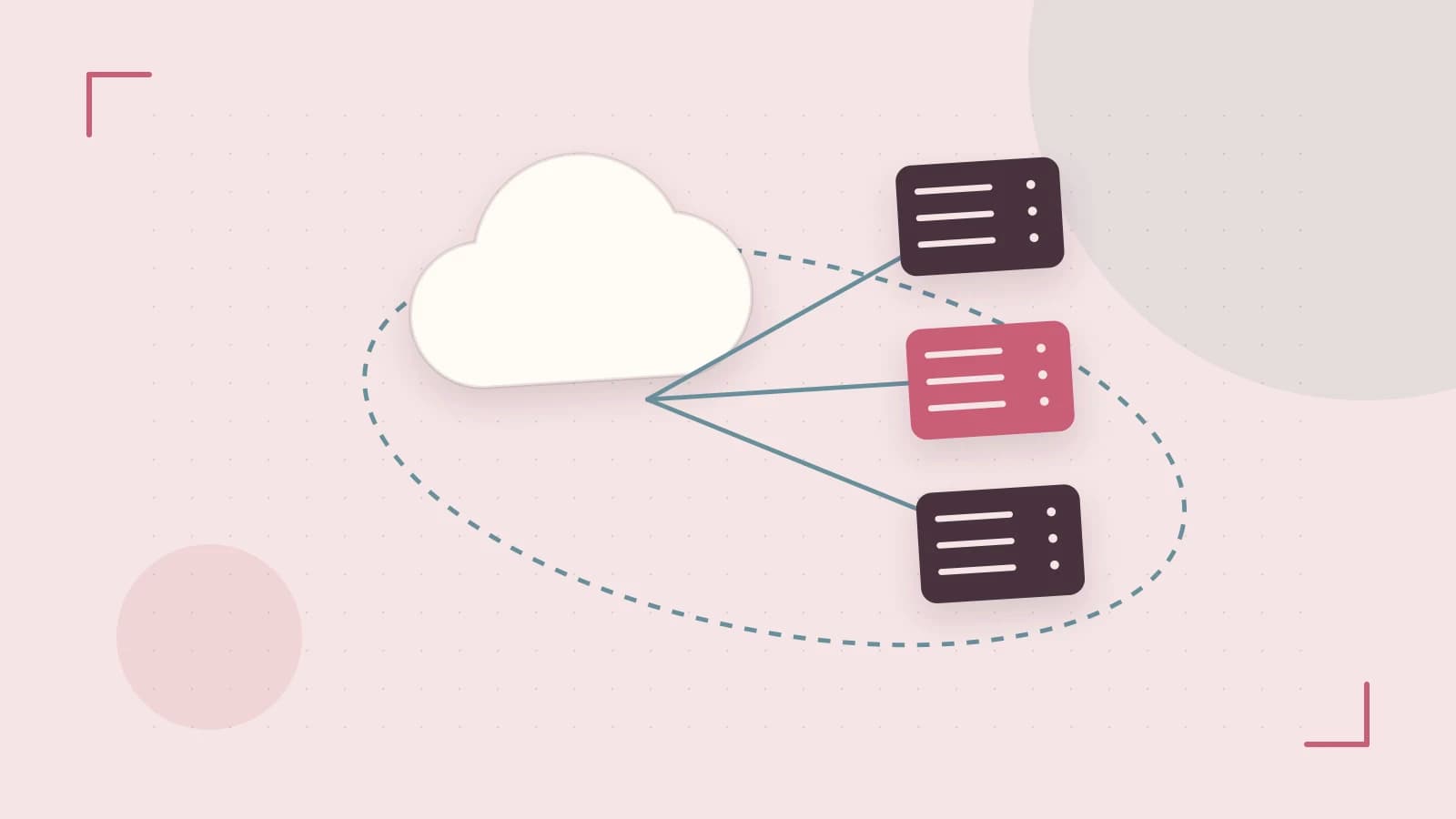
Connect two Azure virtual networks over private IPs using VNet peering: a worked CLI configuration, gateway transit for hub-and-spoke, verification steps, and the non-transitive routing and CIDR rules that break most setups.
React 18's automatic batching merges state updates from timeouts, promises, and handlers into one render — but only with createRoot. Here's how to enable it, verify it with the Profiler, and handle the exceptions.
Reentrancy attacks can drain a contract’s funds. The Checks‑Effects‑Interactions (CEI) pattern is a tried‑and‑true way to stop them. This post walks through a concrete withdraw example, shows how CEI works, and explains its limits and when to add a mutex.
Understand how ng-model implements two-way data binding in AngularJS 1.x to synchronize the View and Model, and learn how to manage the performance impact of the digest cycle.
Learn how to call C++ functions directly from Carbon using its built‑in bridge, with a concrete example, build steps, and a list of current limitations.
v-data-table-server in Vuetify 3 moves pagination and sorting to your API. Here is the options-event contract, a working users-table example, and the pitfalls that break totals, pages, and sort safety.
A decision guide for picking between RocksDB's leveled, universal, and FIFO compaction styles for write-heavy embedded workloads, with constraints and validation.
quasar build succeeds but the deployed app renders a blank page? Diagnose asset publicPath mismatches, history-mode rewrite gaps, boot errors, and stale service workers with ordered checks.
Learn how to use Rexx stem variables as indexed lists: set a stem default, store the count in tail 0, iterate with a DO loop, and avoid common pitfalls like unset tails and stem‑wide drops.
Reflection or source-generated System.Text.Json? A decision guide covering trimming, Native AOT, cold starts, hybrid resolver chains, and how to validate the choice on your own DTOs.
Discover why small files take up more space than expected in MS-DOS. We explore the File Allocation Table (FAT) architecture, cluster-based allocation, and the resulting slack space.
Learn when to expose Ceylon declarations with shared visibility and when to keep them package‑private, with a decision table, trade‑off discussion, and a minimal validation example.
Stop the 'plastic' look in your 3D scenes. Learn how to implement PBR materials in Babylon.js using the metallic-roughness workflow and HDR environment maps for photorealistic results.
Learn how to diagnose and fix ORA-01555 'snapshot too old' errors by analyzing V$UNDOSTAT, adjusting UNDO_RETENTION, and managing undo tablespace capacity.
Playwright browser contexts give you incognito-grade isolation at near-zero cost. Here's how to use them for fast parallel tests, one-time logins via storageState, and multi-user scenarios — plus where the model breaks down.
Learn how to use New Relic custom span attributes to isolate latency spikes by tenant or feature flag, including implementation examples and NRQL verification steps.
Enable KubePrism on Talos Linux so in-cluster workloads reach the Kubernetes API through a node-local load-balanced endpoint, and verify it survives a control plane node outage.
CodeIgniter 4's paginate() and Pager service give you correct pagination in a few lines — if you know about the COUNT query cost, named groups, and dropped filter parameters.
Go infers generic type arguments by unifying call-site argument types with type parameters — conservatively. Here's how it works, where it gives up, and how to design APIs that infer cleanly.
Pick atom for independent synchronous state, ref for coordinated transactional state across multiple values, and agent for asynchronous decoupled work. A compact comparison and practical Clojure examples show when each primitive fits and what to watch for.
Pulumi component resources let you package repeated infrastructure patterns—like a VPC with subnets and routing—into one versioned, reusable unit. Here's how they work, with a TypeScript example and the trade-offs.
Choosing FIFO over standard SQS queues hinges on per‑entity ordering and deduplication needs. This architecture note explains requirements, minimal design, trust boundaries, operational checks, and when to switch.
Learn how Vite automatically treats files ending in .module.css (and variants) as CSS Modules, how to import them, tweak the hash format, and what to watch out for when mixing global and module styles.
Atom’s sunset in 2022 left developers with a powerful init script but a dead package registry. This post explains how to run your init script, install packages offline, and migrate your settings to a modern editor like VS Code.
Read the Docs turns every tag into a potential published version. Use automation rules, active/hidden flags, and redirects to keep the version picker clean and builds under control.
Guide to deciding between Travis CI’s build matrix and a single‑job version‑manager approach for testing multiple language versions, with constraints, trade‑offs, a sample .travis.yml, and validation steps.
Learn when StackBlitz’s WebContainer‑based browser IDE gives you faster, shareable frontend workflows and when you should still reach for a full cloud VM.
Decide when to use JavaScript Map versus a plain Object for key‑value storage by comparing key types, order guarantees, size introspection, performance, and JSON support.
Learn how Algolia’s Custom Ranking lets business metrics like rating or stock act as tie‑breakers after textual relevance, with a concrete e‑commerce example, configuration steps, and verification tips.
Learn how to replace inefficient Primary Indexes in Couchbase with Global Secondary Indexes and Covering Indexes to eliminate data fetches and reduce query latency.
Learn how to use Tower's partial staging and named stashes to maintain clean, atomic commits and organize work-in-progress changes without CLI complexity.
Application-level tenant filters fail the day someone forgets one. Supabase's Row Level Security moves multi-tenant authorization into PostgreSQL itself — here's the pattern, the performance cost, and how to verify it.
Build a geolocation redirect with Netlify Edge Functions: Deno handler, netlify.toml routing, local CLI testing, production verification, and rollback options.
Learn how to use ReadOnlySpan<T> to eliminate unnecessary heap allocations during string parsing in C#, reducing GC pressure and improving application latency.
Stop downloading gigabytes of unnecessary data. Learn how to use SVN sparse checkouts and depth controls to optimize your local workspace in large monolithic repositories.
ApplicationSets generate Argo CD Applications from one template plus a generator. Learn how the mechanism works, see a cluster-generator example, and avoid orphaned apps and broad selectors.
GNU nano's Justify feature re-wraps prose paragraphs to a consistent width in one keystroke. Here's how it decides what a paragraph is, how to try it safely, and why it will destroy your tables if you're careless.
Local rate limits silently scale with your replica count. Envoy's global rate limiting centralizes quota decisions in an external gRPC service — here's how the pieces fit, a working per-IP example, and the fail-open vs. fail-closed decision you can't skip.
The .norg format is Neorg's purpose-built plain-text markup for Neovim notes and tasks. Here's what the syntax looks like, what it does well, and where the ecosystem trade-offs bite.
Safari's ITP caps JavaScript-set cookies at 7 days, silently breaking analytics and sessions. Here's how the rule works, how to verify it, and why server-set cookies are the fix.
Enable and tune Kafka log compaction so stream-processing state rebuilds stay fast: topic configuration, dirty-ratio tuning, tombstone deletes, and verification with console producers and consumers.
How Chrome Service Workers enable offline-capable apps via the Cache API: a worked cache-first setup, lifecycle pitfalls, and DevTools verification steps.
Spring Data JPA’s Pageable and PageRequest let you fetch only the data you need, but they bring hidden costs like extra count queries and offset scans. Learn how to use Page vs Slice, index sort columns, and switch to keyset pagination for large datasets.
If your Pulsar cluster is running out of disk space, tiered storage can move old messages to S3 without changing consumer APIs. Learn the architecture, how to set it up, and the trade‑offs you’ll face.
Use Karate's call and callonce to reuse feature logic, pass JSON data, and capture return values. Learn how to structure calls, avoid pitfalls, and verify results with the HTML report.
Rollup’s sideEffects flag lets you prune unused code, but it must be used carefully. Learn how to set the flag, test bundle size gains, and avoid breaking your app.