An architecture note on adding tabling to a Prolog knowledge base: the smallest design, trust boundaries, operational checks, failure modes, and when to change the approach.
Learn how Node‑RED subflows let you package reusable node groups, expose ports, and keep every instance in sync—cutting maintenance overhead in IoT flows.
Learn when to use flat Symbols, nested Symbols, or overrides in Sketch for a maintainable UI component library, with a concrete button‑icon example and validation steps.
Step‑by‑step guide to subclass QAbstractItemModel for a read‑only string list and attach it to a QListView, with verification and troubleshooting tips.
Learn how to enable IE10’s native Flexbox implementation using the -ms- prefix, see a three‑card example, and understand the trade‑offs for older browsers.
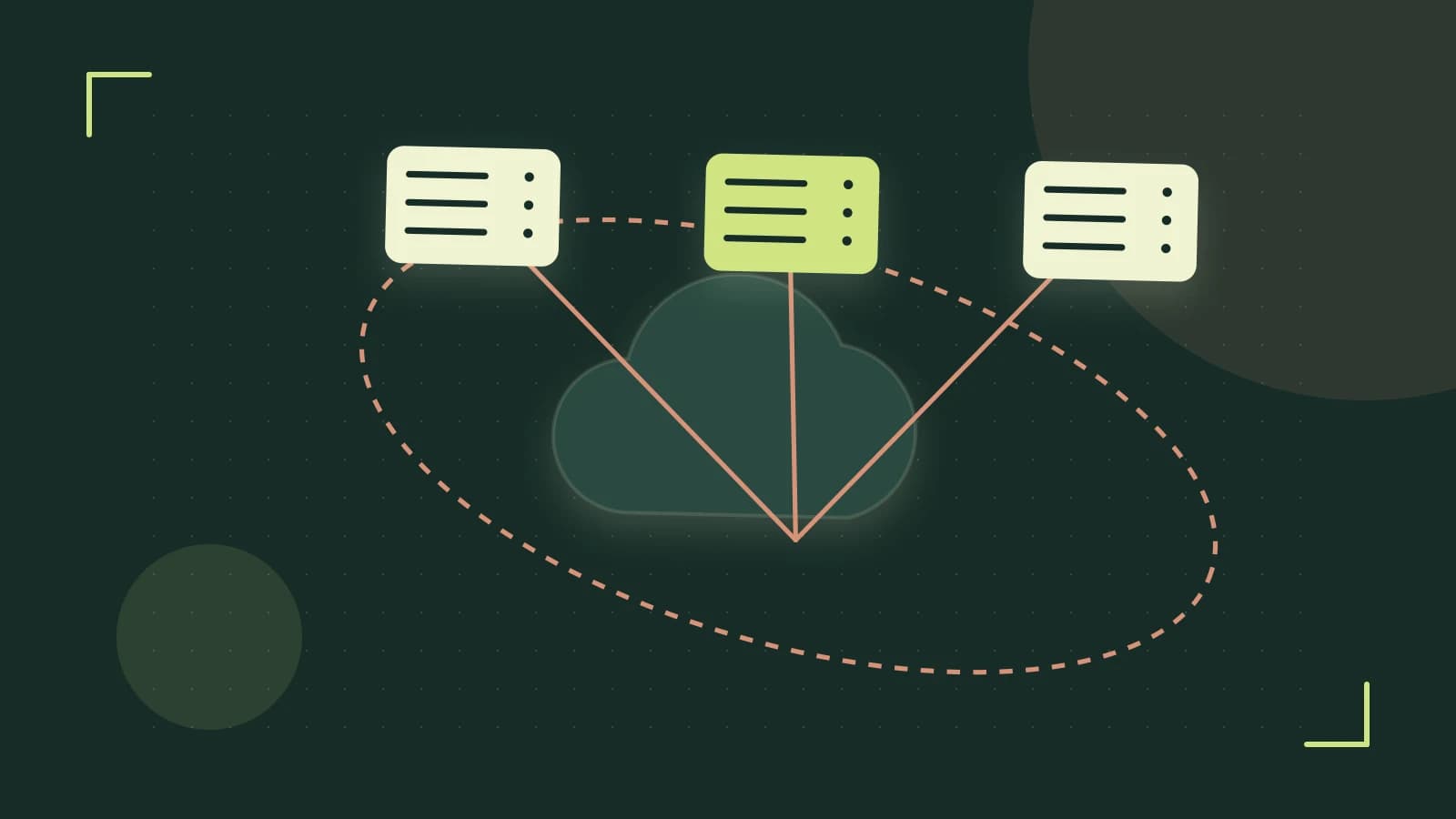
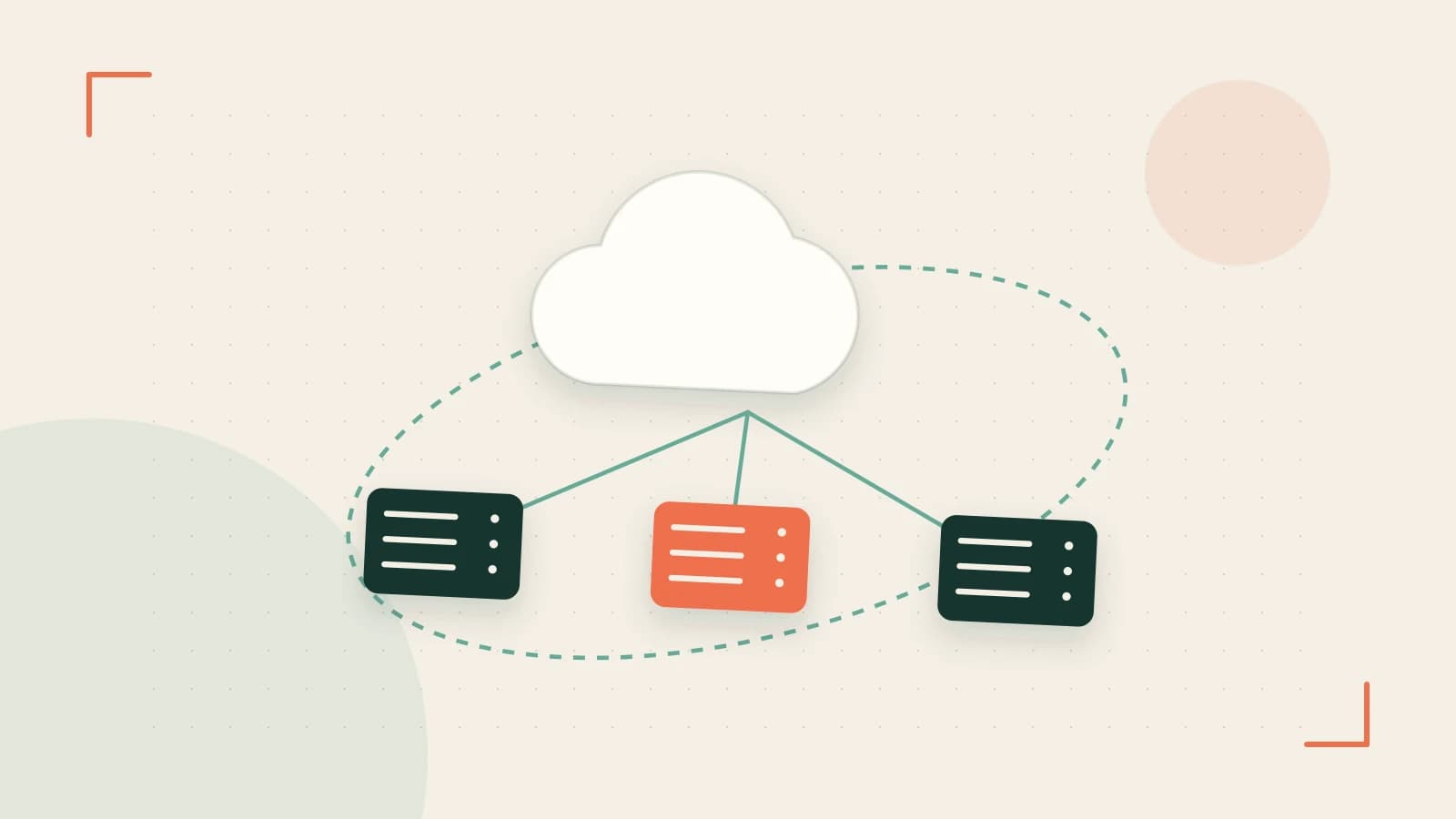
Learn the smallest viable HA configuration for HDFS, the trust boundaries involved, key operational checks, typical failure modes, and when you should reconsider the design.
Learn how to enable Moleculer’s built‑in circuit breaker middleware, configure thresholds, observe state changes, and use a fallback response to prevent cascading failures in your micro‑service mesh.
Learn how to pick the right replication mode for a multi‑node YugabyteDB cluster by weighing durability, latency, and operational impact, then see a concrete xCluster setup and validation.
Learn how Streamlit’s @st.cache_data and @st.cache_resource decorators prevent costly recomputations in interactive apps, with a concrete CSV‑loading example, trade‑offs, and practical verification steps.
Learn how to use Jasmine spies to isolate units under test, mock HTTP dependencies, and verify function calls without relying on live network requests.
Learn how to use Scheduled Actions in Deta Space to run recurring background tasks like database cleanup and API polling without external cron services.
Gulp 4 replaces the old dependency-based task system with explicit series() and parallel() functions, giving developers full control over execution order and concurrency.
Learn how Lumen’s lightweight router and service container give you Laravel‑like ergonomics for APIs, see a concrete service‑binding example, and understand what Lumen does and does not provide for production performance.
Learn how Grafana provisioning lets you manage dashboards and data sources as version‑controlled files, eliminating configuration drift across environments.
Learn how Clojure transducers let you build reusable, lazy data pipelines without intermediate collections, with a worked example, performance comparison, and common pitfalls.
Learn how htmx’s hx‑boost attribute can turn a traditional multi‑page app into a fluid, single‑page‑app‑like experience with minimal JavaScript. The post walks through the problem, the solution, a concrete example, trade‑offs, and how to verify the result.
Livewire streams uploads to a temporary server folder, letting you validate and store files in one component, with progress events and size‑limit configuration.
Decide whether to use Sourcetree’s bundled Git or a system‑installed Git. This guide lists constraints, compares options in a compact table, explains trade‑offs, and shows how to validate the choice in practice.
Learn how to push JavaScript‑only changes to existing Expo builds using OTA updates, with a concrete publish example, verification steps, and key limitations.
When you need value‑based equality and nondestructive mutation in C#, records with ‘with’ expressions give you a concise, compiler‑generated solution. Learn how they work, see a worked example, and understand the limits and common pitfalls before you adopt them.
A GraphQL endpoint that slows linearly with list size almost always has the N+1 resolver problem. Here's how to confirm it with query counts and fix it with per-request DataLoader batching.
Hardcoded URLs in Contao content break silently when aliases change. Insert tags store references instead of literals — here's the engineering case, the caching catch, and a custom tag pattern.
Learn how to move infrastructure security and cost optimization from post-deployment audits to the pull request using Codeac's static analysis and cloud-resource detection.
Learn how GCC’s Link-Time Optimization (-flto) enables whole-program inlining and dead-code elimination, reducing binary size and improving runtime, along with its trade-offs and verification steps.
Learn how to choose between API Keys, OAuth2, and Bearer tokens for your OpenAPI 3.0 specs, with a practical guide to implementing JWT authentication in Swagger UI.
Stop copy-pasting HTML into your Markdown. Learn how to use Hugo shortcodes to create reusable UI components and eliminate markup debt in your static site.
Learn how to use Discloud’s built‑in cron‑style scheduler to automatically restart Discord bots, curbing memory leaks while minimizing manual downtime.
Learn how to identify why Nanite meshes appear black or missing, check asset flags, project settings, GPU compatibility, and material compatibility, and apply the appropriate fix.
Learn how to enable automatic failover on DigitalOcean Managed PostgreSQL, verify the failover process, and understand its trade‑offs for production workloads.
When union-type narrowing stalls at block boundaries, this guide provides a checklist, cause table, and compiler-verified fixes for TypeScript developers.
Learn why Devicon's SVG sprite method yields crisper icons than icon fonts, how to implement it with a simple HTML/CSS example, and what pitfalls to avoid.
Learn how to use Svelte derived stores for global state: requirements, minimal design, data boundaries, operational checks, failure modes, and when to revisit the design.
Aerospike’s Hybrid Memory Architecture keeps indexes in RAM and data on NVMe SSDs, delivering sub‑millisecond latency while balancing cost and performance.
When the repeat-grid handle vanishes or cells misbehave, follow this step-by-step diagnostic to identify the cause and restore expected behavior in Adobe XD.
Step-by-step guide to asynchronous volume replication between two HPE Nimble arrays: partnership setup, scheduling, sync verification, test failover, and recovery after an outage.
Patch coverage focuses on the lines changed in a PR, letting teams enforce testing for new code without touching legacy modules. This guide explains how to enable it in Codecov, set thresholds, and avoid common pitfalls.
Learn how Liquibase preconditions guard migrations against duplicate changes, with a real example, trade‑offs, and best practices to keep your database in the expected state.
Decide whether to use Ant Design’s Modal or Drawer for your next UI. Compare focus trapping, scroll behavior, dismissal, and positioning, then see a concrete form example and how to verify it.
MonoGame's default fixed timestep can cap your update rate, while a variable timestep introduces non-determinism. A time accumulator lets you lock updates at 60 FPS and render smoothly at any frame rate.
Two green PRs can still break main when combined. GitHub's merge queue tests the exact merge result before landing — here's how it works, how to configure it, and the merge_group trigger everyone forgets.
Decide between Plotly's SVG scatter and WebGL scattergl traces: a compact comparison, the real trade-offs, a threshold-gated implementation, and how to validate with your own data.
CLion 2023.1+ replaced its C++ engine with clangd When goto-definition or diagnostics break the usual culprit is a mismatched compile_commands.json Here's how to generate verify and troubleshoot it
A practical guide to Vagrant synced folder backends, configuration patterns, and verification methods for reliable host‑guest directory synchronization.
Stop training before your model overfits with Keras’ EarlyStopping and ModelCheckpoint. Learn how to set up the callbacks, combine them correctly, and verify the best‑saved model with a concrete MNIST example.