A decision guide for Sketch Smart Layout: when to apply it to Symbol masters, what constraints it imposes, how it compares to Figma Auto Layout and CSS Flexbox, and a concrete button implementation with validation steps.
A diagnostic guide for Puppeteer navigation timeouts: recognize the condition, use a cause table, run ordered checks, apply targeted fixes, and know when to escalate.
Xamarin.Essentials replaces custom DependencyService implementations for secure storage, geolocation, permissions, and 27 other device APIs with a single NuGet package. Here's the practical integration pattern, a worked example, and the trade-offs you need to know before adopting.
Run Java Selenium tests on BrowserStack's cloud grid with BrowserStackLocal for private URLs: store credentials in environment variables, start the tunnel, set capabilities, and verify the session in the dashboard.
Automated PR review bots fail when they block too much. A practical policy for deciding which Codeac findings should stop a merge, and how to measure it in a pilot.
Drawing directly to a window surface can be slow because of per-pixel format conversion. A similar off-screen surface matches the target format, so you draw once and blit once.
Dropwizard requests timing out while the database looks healthy usually means the managed JDBC pool is exhausted. Diagnose with pool metrics and a thread dump, then fix sizing, validation, or leaks.
Traces appear for some services but distributed traces are broken. Use this diagnostic guide to check sampling, service names, agent health and intake connectivity in Datadog APM for microservices.
io_uring can reduce syscalls for I/O-heavy Linux services, but it only pays off when syscall overhead is measurable. This post shows the shared-ring model, a minimal liburing file-serving loop, and how to check kernel support and policy before adopting.
LuaTeX embeds a full Lua interpreter, letting TeX generate dynamic content, algorithmic layouts, and inline data processing in a single compilation pass.
Learn how Zend Framework’s InputFilter provides a declarative chain of validators and filters to secure form data, with a worked example, integration tips, and performance considerations.
When a developer runs a framework that touches thousands of tiny files — think npm install, Composer dump‑autoload, or asset compilation — the default VirtualBox shared folder becomes a bottleneck.
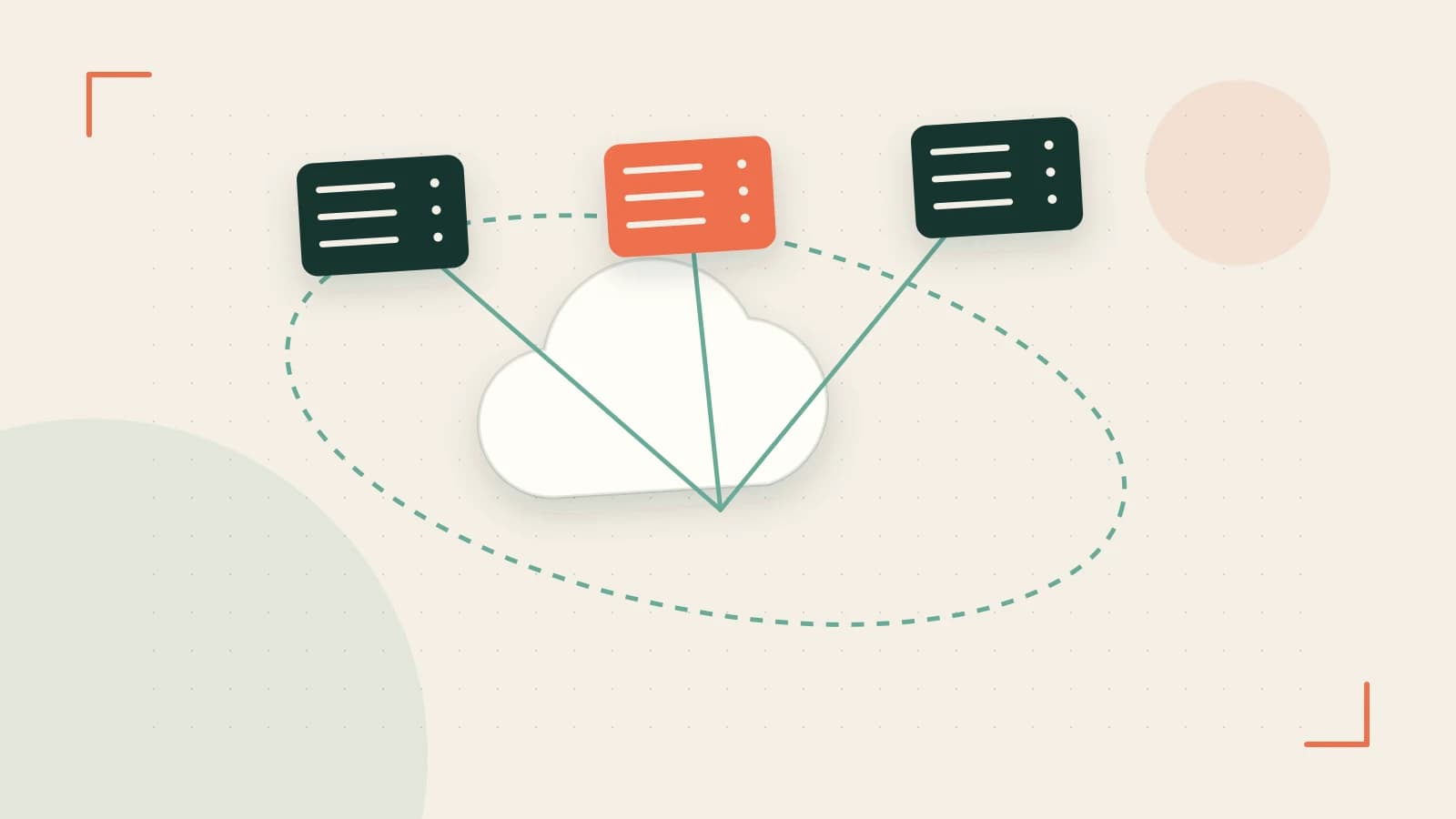
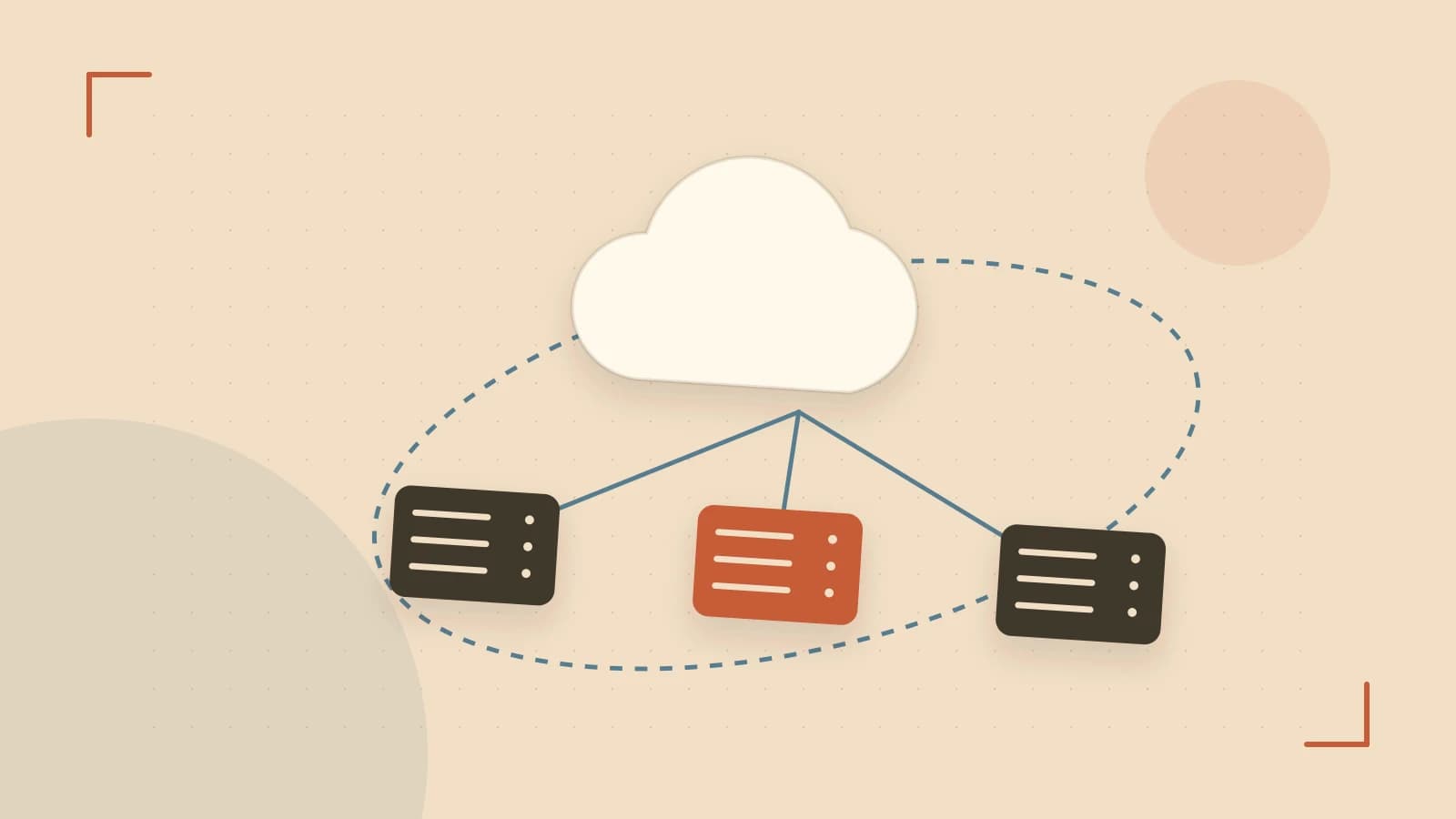
A decision guide for dedicated vs shared seed patterns in CNCF Gardener, with honest caveats: the pattern is a convention, not an API field. Includes real kubectl checks for shoot-to-seed mapping and credential scoping.
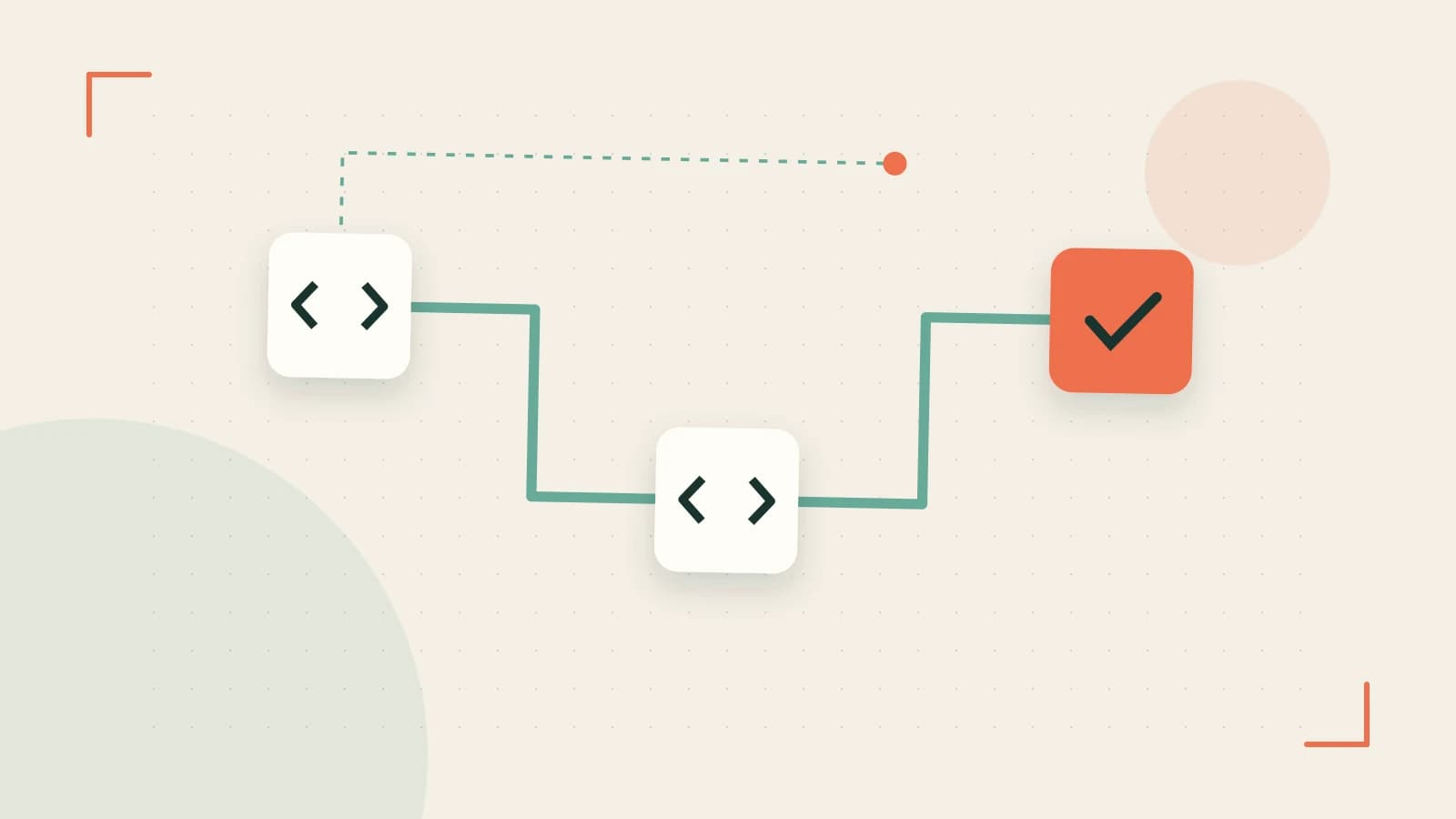
Learn how to replace duplicated Node.js CI workflows with a single GitHub Actions matrix, control parallelism, and verify the setup locally or in the UI.
Learn how Jeet’s column-span mixin sets responsive column widths by automatically subtracting gutters, with a worked Sass example, limits, and verification steps.
Learn how to use Cloudflare Workers KV to share mutable state like feature flags across all edge instances, with a concrete code example, trade‑offs, and a verification checklist.
Configure JVM Metaspace with explicit MaxMetaspaceSize, tune expansion thresholds, verify with jstat/jcmd, and avoid OOM from unbounded native memory growth.
Lodash's _.debounce tames noisy events, but leading, trailing, and maxWait options require careful configuration to avoid missed firings or excess API calls.
Learn how Google Cloud Pub/Sub ordering keys guarantee per‑key message order, see a click‑stream example, understand the parallelism trade‑off, and verify the behavior locally or in Cloud Console.
Keras EarlyStopping halts training when validation loss plateaus, saving compute and preventing overfitting--if you configure patience and restore_best_weights correctly.
Docker layer caching can speed up CircleCI pipelines, but stale layers and storage quotas may hurt reliability. Learn how to control, verify, and troubleshoot caching behavior.
Lucid's paginate() gives you a working paginated endpoint in one line, but it relies on OFFSET/COUNT. Here's how it works, a production-ready controller with stable ordering and eager loading, and the honest trade-offs that tell you when to graduate to keyset pagination.
Select ODE, Bullet, or Simbody in Gazebo Classic via the <physics type='...'> element, then verify engine choice and tune step size and solver iterations for stable simulation.
Zustand's persist middleware handles localStorage hydration automatically, but production use requires deliberate choices: whitelist serializable state with partialize, gate renders during SSR with onRehydrateStorage, and verify with memoryStorage in tests. Here's the practical guide.
How to use Inkscape's headless CLI to batch-export and normalize SVGs in scripts and CI: export arguments, the actions system, DPI vs pixel sizing, 0.9x migration, and the quoting, font, and latency pitfalls that bite in practice.
Learn how Lua coroutines enable lightweight cooperative multitasking in games and servers. A step‑by‑step state‑machine example, trade‑offs, and practical guidance are included.
Use Terramate to turn a monorepo of Terraform root modules into independent, independently plannable stacks. Learn how to generate shared backends, detect changes via git, and run CI safely with minimal design and clear trust boundaries.
Verify soft-delete retention and enable purge protection on Azure Key Vault so deleted secrets, keys and certificates can be recovered instead of permanently lost, with a rehearsed recovery path and clear limits.
Diagnose reentrancy in Vyper: identify risky external calls, apply @nonreentrant locks with proper keys, and verify with a simple attacker test. Follow the step‑by‑step guide to secure your smart contracts.
Learn how to configure Babel’s preset‑env with browserslist targets and core‑js ‘usage’ to inject only the polyfills you need, shrink bundle size, and keep legacy browser support.
Stop fighting with escape characters in your BDD tests. Learn how to replace complex Regular Expressions with Cucumber Expressions for cleaner, type-safe Java step definitions.
An architecture note on Tauri 2 capabilities: treat the WebView as untrusted, grant per-window scoped permissions, validate everything crossing IPC, and verify default-deny with negative tests.
Facebook's BigPipe streamed pages in chunks instead of waiting for the slowest backend service. Here's how pagelets worked, what they cost, and why the idea still matters.
Learn how to page through Twitter API v2 recent search using next_token, budget the 450-request/15-min limit, and handle token expiry with a ready-to-run curl/Bash example.
Carbon's bidirectional C++ interoperability via extern "C++" linkage enables incremental migration without wrappers. This architecture note covers the minimal design, trust boundaries, CI verification steps, failure modes, and conditions that would force a redesign.
Learn how Quasar boot files run initialization code before the root Vue mounts, with a worked example, execution order details, and limits to watch for.
Vitest hoists vi.mock calls, which can cause 'cannot access before initialization' errors. Learn how to use vi.hoisted to safely define mock data and functions.
Discover how Ceylon’s union and optional types (T? and String|Integer) give you compile‑time null safety, and learn a step‑by‑step workflow to build, run, and test a small JVM module with the last stable 1.3.x toolchain.
Learn how to architect a secure, performant LDAP integration for Mattermost, focusing on trust boundaries, attribute mapping, and avoiding common performance bottlenecks.
Learn how to use the Rexx PARSE instruction to extract data from delimited and fixed-width text files using template patterns, stem arrays, and validation checks.
Ballerina table comprehension syntax lets you filter, project, and order JSON records in-memory without external libraries. A practical example and verification guide.
Clarity bans loops to keep execution costs predictable — which means recursion without a depth guard is a mainnet incident. Here's how to bound your contract logic and verify it before deployment.
An architecture‑focused guide for adding ASP.NET Core Health Checks: requirements, minimal design, trust boundaries, operational settings, failure modes, and triggers for redesign.