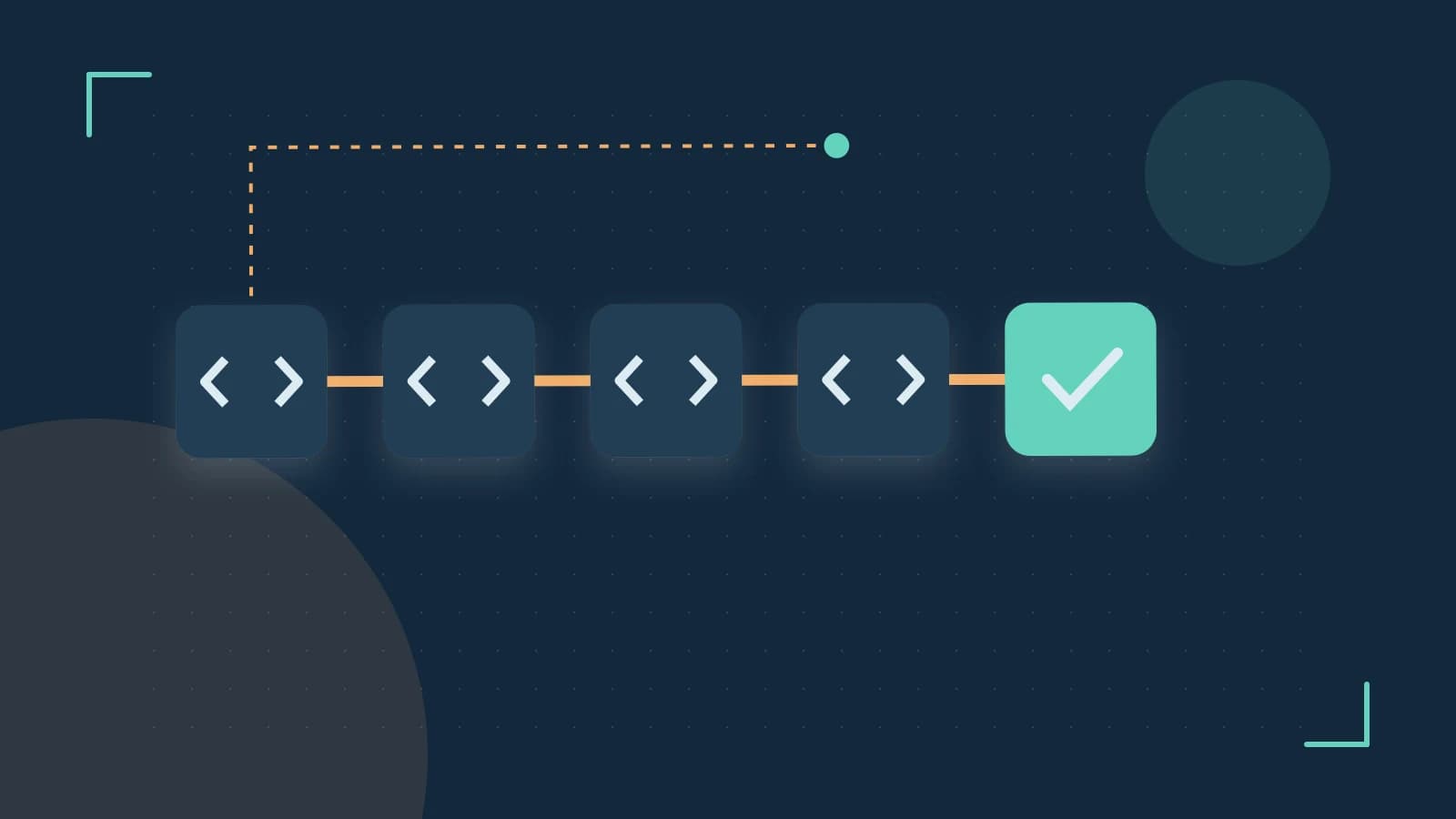
Transducers compose reducing functions into single-pass pipelines, avoiding intermediate collections. This article explains the mechanism, a worked example, and common pitfalls.
A Talos node that won't boot after an upgrade or config change has a narrow failure surface. Diagnose config drift, kernel mismatch, and etcd rollback loops with talosctl.
Handlebars block helpers let you control how often a template fragment renders and with what context. A worked repeat-helper example shows options.fn, inverse blocks, SafeString, and the pitfalls to avoid.
Use KMS GenerateDataKey to encrypt customer data locally in Lambda, store the encrypted data key with the ciphertext, and avoid per-record KMS calls. Includes a working Python example and verification steps.
Ghost 4.x and 5.x emit canonical, description and Open Graph tags automatically — but only if the theme's head helper is present. This guide covers site-wide defaults, per-post overrides, and verifying the rendered head with curl and Lighthouse.
Minimal APIs cut controller ceremony, but the real decision is where validation, filters, and error shaping live. A products CRUD example, plus how to check the status codes.
Learn how Splunk’s Data Model Acceleration pre‑computes query results, the steps to enable it, and the trade‑offs you need to consider before turning on the cache.
LeetCode's Easy/Medium/Hard tiers are static thresholds on aggregate stats, which misrepresents difficulty across skill groups. This post proposes a hybrid score combining solve time, success rate, and problem length, with a worked example and validation steps.
Split monolithic SPSS syntax into reusable modules with INSERT FILE: how paths resolve, a worked driver script, nesting and encoding pitfalls, and how to verify each module actually ran.
When a C# app freezes after calling .Result or .Wait on an async method, a deadlock is likely. This guide walks through diagnosing the blocking call, checking the SynchronizationContext, and applying fixes such as ConfigureAwait(false) or refactoring to async all the way.
Argo CD’s ApplicationSet lets you generate many Applications from a single template. This guide shows a full example, explains RBAC needs, and lists common pitfalls so you can deploy to multiple environments reliably.
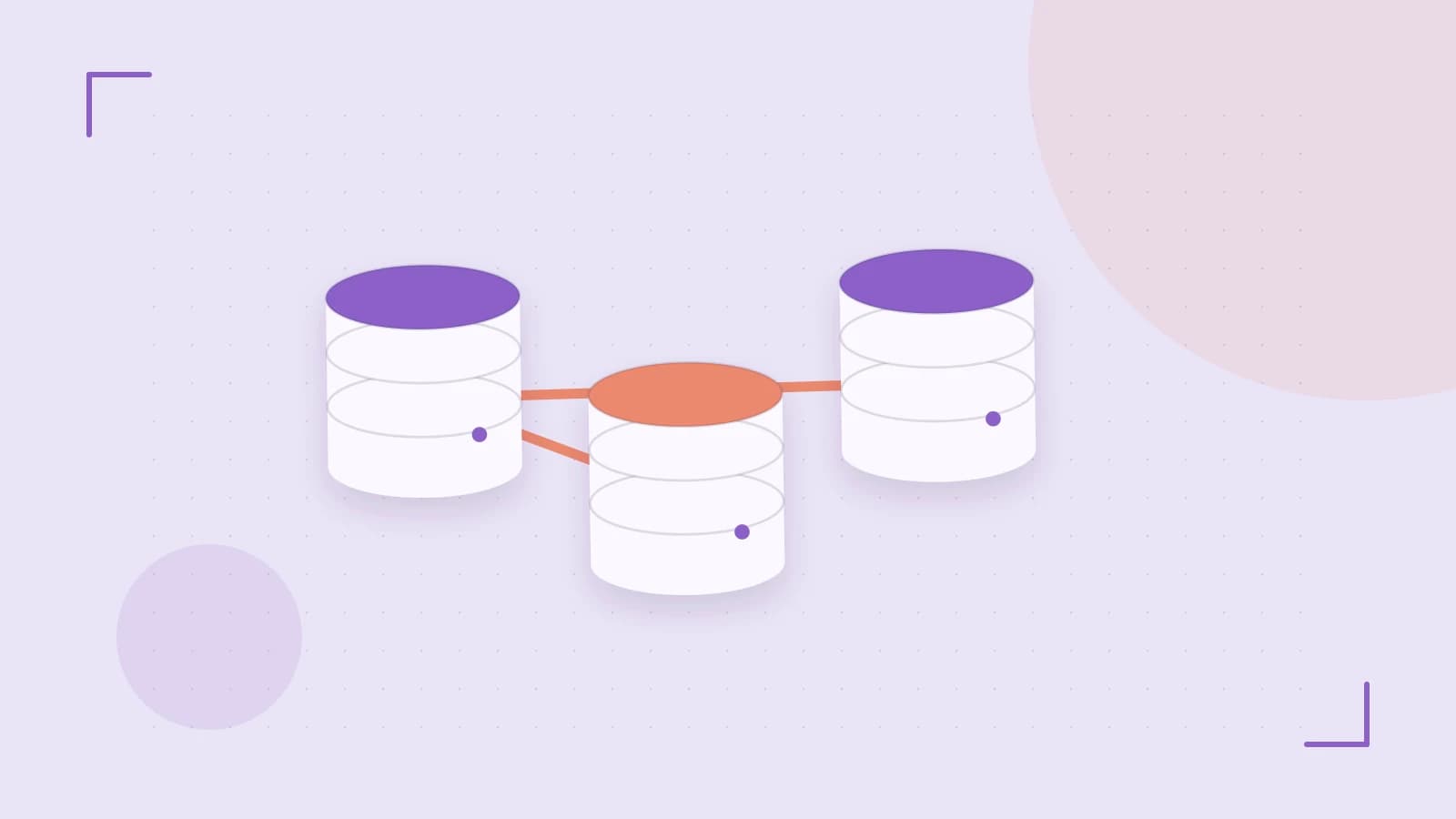
CouchDB MVCC model lets concurrent writes coexist, but conflict handling choices affect data integrity. This guide compares automatic and explicit merging, outlines trade-offs, and shows how to detect and resolve conflicts using ?revs=true.
A diagnostic guide recognizing DynamoDB throttling and hot partition symptoms, ordered checks, capacity and key redesign fixes, and AWS Support escalation criteria.
Layer masks let you hide or reveal parts of a layer without altering pixel data. In this post, we walk through creating, refining, and leveraging masks in GIMP, show a concrete example, discuss performance trade‑offs, and give a quick‑start recipe.
A decision guide for JSON handling in Swift: when Codable's synthesized conformance is the right call, when raw JSONSerialization earns its verbosity, and why SwiftyJSON is mostly a legacy choice.
Learn how to implement URL‑driven pagination in Remix by reading search params in route loaders, rendering prev/next links with <Link>, and avoiding common pitfalls.
GitBook's Git Sync binds a space to a repo branch so Markdown and the visual editor stay in step — plus the branch wiring, PR workflow, and failure modes to plan for.
Webpack 5's splitChunks default duplicates vendor code across entries. Compare async-only, single-vendor, and per-package cacheGroup strategies, with a working config and hash-stability validation.
Fiber supports trailing optional route parameters, but not default values. A small group middleware plus a registration-order check covers the common /users and /users/3 case.
A diagnostic walkthrough for Swagger UI Try it out failures: how to read the Network tab, tell CORS from auth and payload errors, and fix the right layer.
Learn how to enable and use Edit and Continue in Visual Studio to apply code changes during a debugging session without restarting, plus its limits and verification steps.
Step‑by‑step guide to create a Bulma navbar that collapses to a hamburger on small screens and includes a functional dropdown using only Bulma classes and minimal JavaScript.
When DuckDB queries fail with out-of-memory errors or sudden slowdowns from external sorting, this guide walks you through recognizing the condition, diagnosing with EXPLAIN ANALYZE, and applying targeted fixes.
Learn how to use Svelte's Context API to eliminate prop drilling. This guide covers reactive patterns using stores, Symbol-based keys, and common pitfalls like initialization timing.
Define a contract once with RSpec shared examples and reuse it across example groups — including parameterization, it_behaves_like vs. include_examples, and the traps to avoid.
Stop over-fetching data from Sanity. Learn to use GROQ projections to transform content on the server, reducing payload size and improving app performance.
Use Bash process substitution to compare sorted files without temp files. Learn how it works, how to guard against non‑POSIX systems, and when it’s safe to use.
When Devicon icons show blank boxes or monochrome glyphs, the problem rarely lies in your code. Follow this diagnostic guide to pinpoint 404s, CSP blocks, wrong class names, or outdated releases, and apply targeted fixes or switch to inline SVGs.
Proxy cache and replication both make upstream images available in Harbor, but they fail differently. Compare constraints, storage, and validation steps before choosing.
A decision guide for Bower versioning: compare automatic semver resolution, explicit resolutions, and a hybrid approach with a compact trade-off table, concrete bower.json example, and step-by-step validation commands.
DataGrip's result grid fetches rows in pages, so the count you see reflects what's been fetched — not the table's size. Here's how to page deliberately and when to push the work to SQL.
Async field validation in Ant Design is a UX layer, not a security boundary. Here is the smallest design that maps server 400 responses back onto fields, plus the checks and failure modes that decide when to change it.
Helm hooks buy ordering but cost visibility: they vanish from helm template and diff tooling. A decision rule for migrations, warm-ups, and setup jobs.
SQL Developer's built-in formatter supports portable XML profiles. Define indentation, keyword casing, and comma style once, share the file, and enforce consistency via Ctrl+Shift+F or the sdcli command-line tool in CI.
Learn how ShotGrid’s custom entity schema lets you add bespoke fields to assets, shots, or custom entities, drive new API endpoints, and keep your pipeline flexible. A step‑by‑step example shows adding a ‘Story Beat’ list field to shots and querying it via shotgrid3.
A practical comparison of Perl exception-handling options across Perl versions, with a compact table and a concrete helper pattern you can validate today.
A step‑by‑step diagnostic guide for React Native FlatList scroll jank: identify missing keys, absent getItemLayout, and inline callbacks; apply targeted fixes; verify with PerfMonitor and React DevTools; and know when to escalate to FlashList or native modules.
Embedded SQLite makes k3s ultra‑lightweight, but write‑heavy workloads and shared storage can hit concurrency limits. Here’s how to evaluate the trade‑off and migrate to external etcd if needed.
A guide to replacing JavaScript buffer-filling loops with WebAssembly memory.fill, covering prerequisites, procedure, performance checks, and trap-safe recovery.
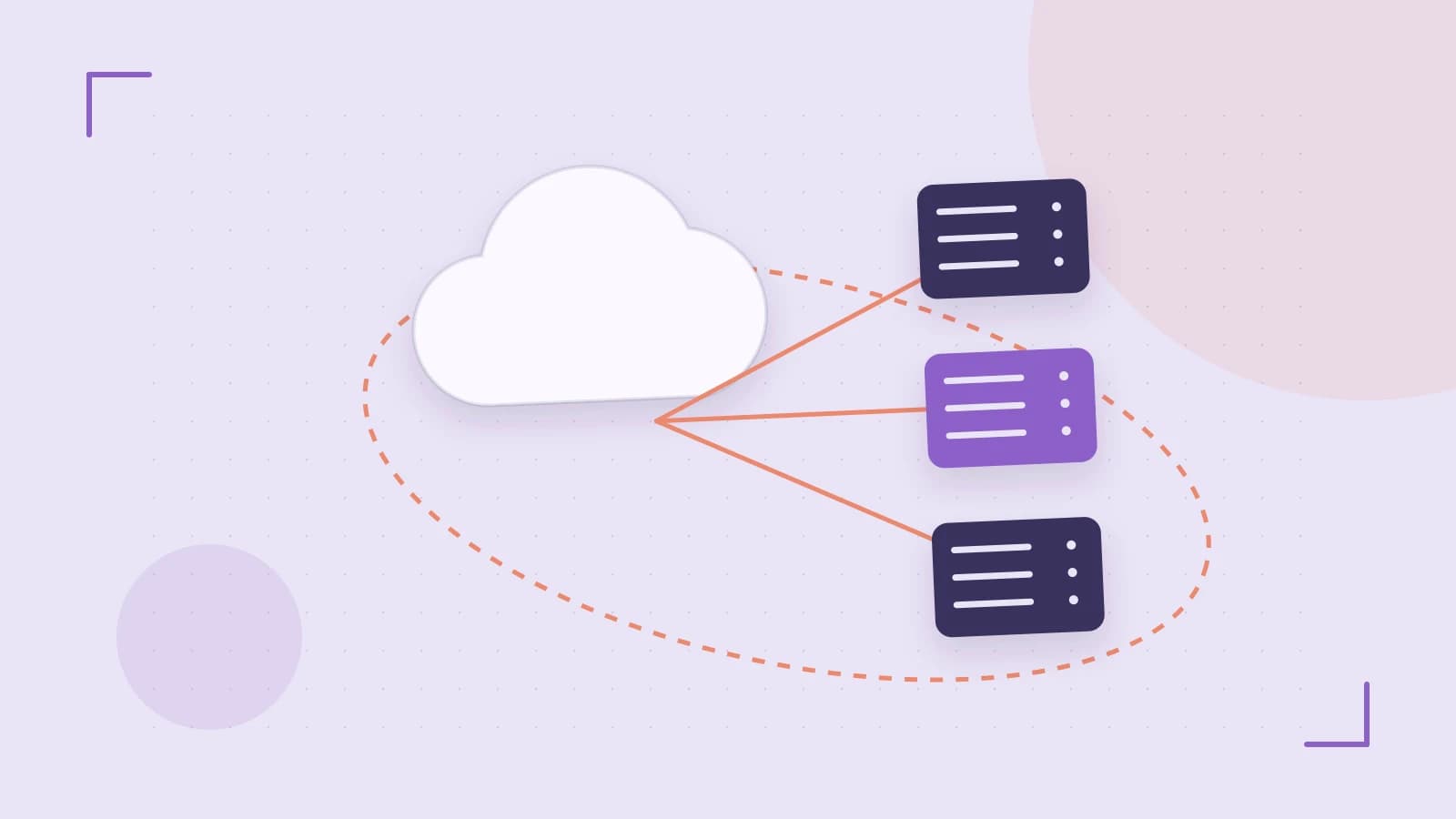
Learn how VMware’s Storage DRS auto‑balances I/O and capacity across datastore clusters, with a step‑by‑step setup, example migration, trade‑offs, and practical checks to keep your vSphere environment running smoothly.