Learn how Argo CD ApplicationSet eliminates repetitive Application manifests by generating one Application per cluster from a single template, with a concrete List‑generator example and guidance on limits.
Decide when to use Vercel Edge Middleware versus a Serverless Function for redirects, rewrites, and header changes based on latency, runtime limits, and need for async I/O.
Stop the merge chaos. Learn how to use Sourcetree's Git Flow integration to automate feature, release, and hotfix branches without memorizing complex CLI commands.
Stop legacy warnings from drowning out new bugs. Learn how to implement and manage Qodana baselines to suppress technical debt while enforcing a zero-new-issue policy in CI.
Guide to decide when to use .call() for read‑only calls and .send() for state‑changing transactions in Web3.js, with a table of trade‑offs and a verification example.
Learn how to diagnose and fix conventional memory exhaustion in MS-DOS by adjusting CONFIG.SYS, loading HIMEM.SYS and EMM386.EXE, and using DEVICEHIGH/LOADHIGH.
Learn how to eliminate duplicated login steps in Karate DSL by extracting authentication into a reusable feature and invoking it with the call keyword.
Learn how Scala's @tailrec annotation enforces tail‑call optimization, turning safe recursion into constant‑stack bytecode, with a concrete factorial example and verification steps.
Learn how to call TheAlgorithms Java BinarySearch on a sorted list, understand its return contract, and avoid common mistakes like unsorted data or primitive types.
Stop relying on optional pairs for async errors. Learn how Swift's Result type provides type-safe, mutually exclusive outcomes for cleaner asynchronous code.
Learn how to diagnose and fix 'Allowed memory size exhausted' errors in Shopware 6 during DAL indexing and plugin updates using memory limits and batch size tuning.
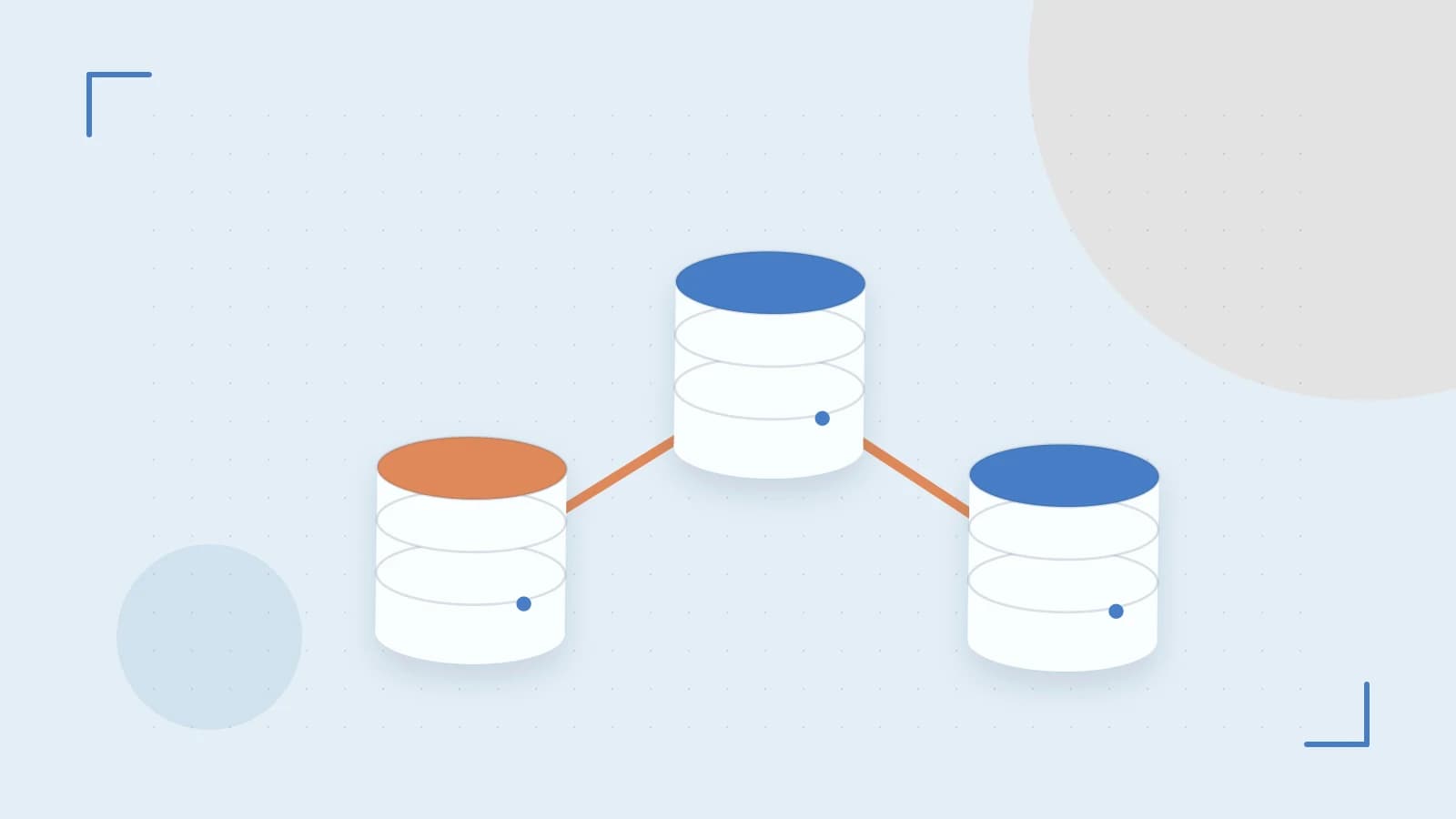
Learn how to implement and monitor bidirectional data synchronization in CouchDB using the _replicator database to build resilient, offline-first applications.
An architecture note covering the requirements, minimal design, trust boundaries, operational checks, failure modes, and conditions that would prompt a redesign of Xcode’s New Build System.
Learn how to enable Vert.x’s clustered event bus with Hazelcast, run a simple sender/receiver example across two JVMs, and verify the setup while understanding latency and version‑compatibility trade‑offs.
Step‑by‑step guide to create a New Relic Synthetic API monitor that validates endpoint availability and latency, configures alerting, and includes verification and recovery actions.
Learn how to schedule deferrable background work that survives app kills and device reboots with WorkManager, see a concrete example of a constrained log‑upload worker, and understand the trade‑offs involved.
Understand how to implement stateful processes using GenServer, balancing synchronous calls and asynchronous casts to build resilient OTP applications.
Learn how to create an Algolia Query Rule that promotes a specific record when a search query contains a keyword, with a ready‑to‑run API example, limits, and common pitfalls.
Learn how to import a running K3s cluster into Rancher using the cluster registration agent, enable monitoring, and deploy Helm charts while preserving the cluster’s original lifecycle.
Decide whether to use the lightweight svnserve daemon or Apache HTTPD with mod_dav_svn for your Subversion server, based on network, auth, and feature needs.
Learn when to enable DataTables server‑side mode, how to build a secure Express endpoint, and the trade‑offs you’ll face. A concrete example and practical checklist guide you from client‑side to server‑side rendering.
Learn how to extend the ProcessWire admin interface by creating custom Fieldtype and Inputfield classes to handle specialized data storage and UI rendering.
Learn how to animate Grease Pencil strokes in Blender, driving thickness from an armature rotation and keeping viewport performance in check. A step‑by‑step guide with practical tips and a trade‑off discussion.
When building a high‑throughput web service with Nano, selecting the right feature for session caching is critical. This guide compares Nano’s in‑memory key‑value store, async I/O layer, and plugin architecture, weighing trade‑offs and providing a concrete implementation example.
Learn how to implement custom Capacitor plugins to access native Android and iOS APIs, including code examples for the bridge, threading precautions, and debugging strategies.
Stop relying on documentation to maintain project architecture. Learn how to write custom ESLint rules using AST visitors to programmatically enforce boundary constraints.
Learn how to use CSS environment variables and the viewport-fit=cover property to prevent UI elements from being obscured by the notch and home indicator in Safari on iOS.
Learn how NestJS Request-scoped providers work, why the 'bubble-up' effect can kill your application performance, and how to verify your DI container's behavior.
Learn how to manage symbolic state and evaluation boundaries in the Wolfram Language to prevent premature reduction and build robust rule-based pipelines.
Avoid 403 and 404 errors in IBM Cloud Object Storage by aligning your S3 API endpoints with bucket residency and choosing the correct authentication method.
Learn how to diagnose and fix 'Circular dependency' warnings in Rollup.js using the Extraction Pattern and Deferred Execution to prevent runtime undefined imports.
Learn how to implement Apache Pulsar Shared Subscriptions to distribute message processing across multiple consumers and scale throughput horizontally.
IntelliJ IDEA’s Database Tools let you add PostgreSQL data sources, run SQL queries with auto‑completion, and export results—all inside the IDE. Follow a quick setup guide, see a concrete example, and learn the trade‑offs before you dive in.
Stata’s MERGE command fuses two datasets by key variables, producing a _merge variable that flags match status. This guide covers syntax, a worked example, pitfalls, and verification steps to ensure accurate data integration.
Learn how to enable Dovecot’s Solr‑backed full‑text search, configure the plugin, test indexing and queries, and understand the operational trade‑offs.
An architecture note explaining how tmux uses a per‑user Unix domain socket to enable multiple clients to share a session while preserving isolation and describing what can go wrong.
Learn how Windows 8's Fast Startup saves a kernel snapshot to hiberfil.sys, speeds boot times, and what trade‑offs to consider for dual‑boot or driver issues.
Learn how switching Airflow’s XCom backend from the default database to Redis or a shared filesystem reduces metadata‑DB load, avoids pagination bottlenecks, and what trade‑offs to consider.
An architecture note on Qwik’s resumability: minimal signal serialization, trust boundaries, runtime checks, failure modes, and when a redesign would be required.
Stop writing repetitive validation logic in your route handlers. Learn how Fastify uses JSON Schema to compile optimized validation and serialization functions.
Learn how Bulma’s column classes and responsive modifiers let you build flexible, nested grids that adapt across devices, with a practical example and notes on limitations.