Learn how to set up Symfony Messenger with the Doctrine transport for reliable async work, complete with a message/handler example, consumption command, and operational trade‑offs.
Learn how to use Puppeteer's Page.pdf() to create professional documents by leveraging @media print CSS, managing network idle states, and configuring background rendering.
Learn how to embed a Canva design in any web page using the ?embed parameter in an iframe, with a concrete example, limits, and typical pitfalls to avoid.
Learn how CSS Grid’s auto‑fit and minmax create responsive card columns that adapt to any viewport, with a worked example and notes on when Flexbox is a better fit.
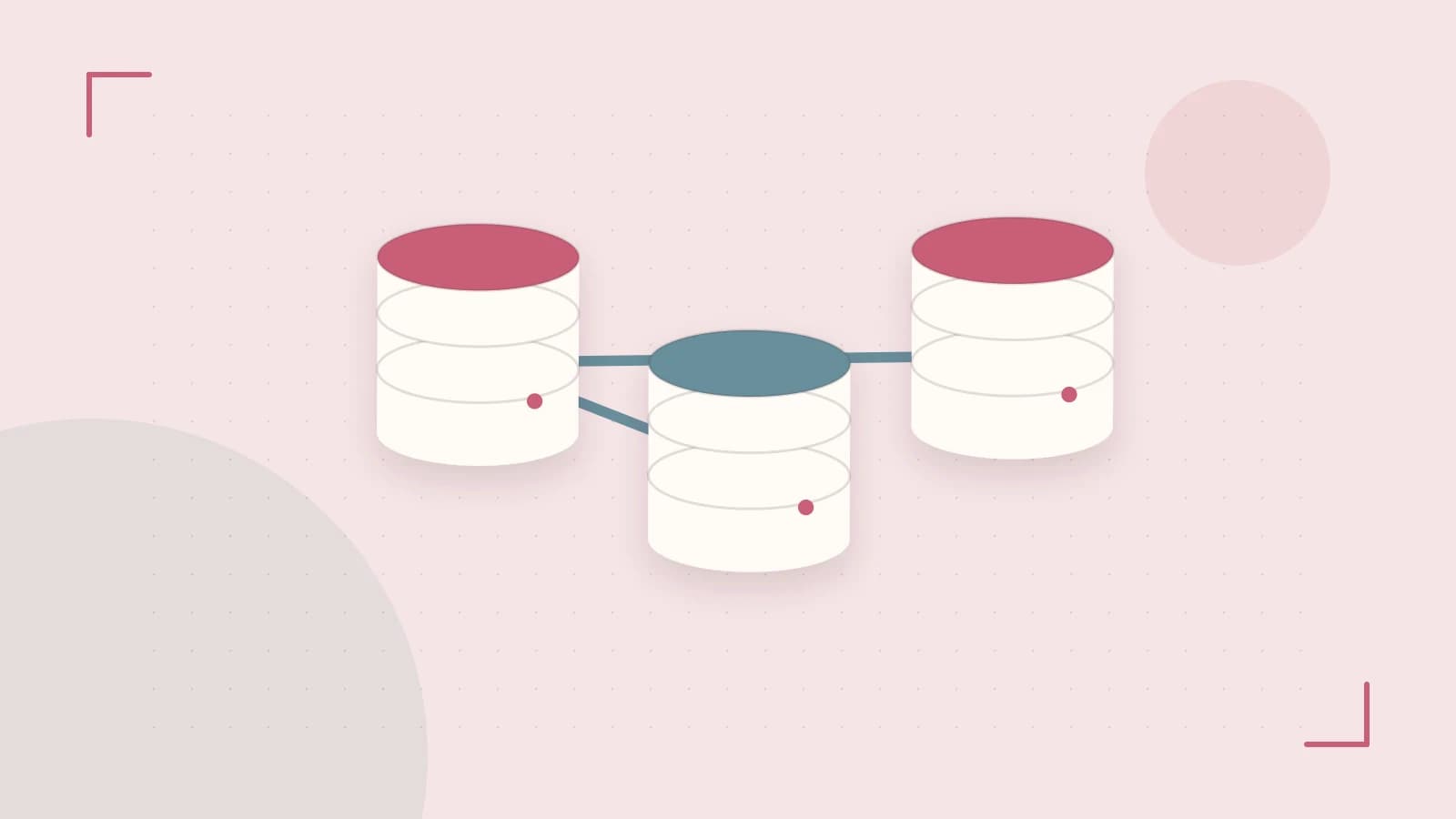
Learn how YugabyteDB follower reads let you serve SELECT queries from replica tablets to cut read latency, with a concrete example, setup steps, and consistency trade‑offs.
Learn how Consul Prepared Queries let you change service‑lookup filters (tags, version, health) without redeploying every client, with a worked example, trade‑offs, and practical steps.
Stop using blanket --allow-read flags. Learn how to use Deno's granular permission system to implement the principle of least privilege and secure your scripts.
Learn how the @task decorator turns Python functions into Airflow tasks with automatic XCom handling, see a concrete ETL example, and understand size limits and common pitfalls.
Learn how to use Source Engine’s $blend QC directive to smoothly transition between idle and run animations, with a worked example, verification steps, and performance considerations.
Learn how to mark assets as addressable, build content, load them at runtime with proper handle release, and verify memory usage using the Unity Profiler.
A concise look at how Stack Overflow’s duplicate detection works—from title similarity and tag overlap to an ML‑scored review queue—and how you can verify or influence its outcome.
Learn how Thymeleaf's Natural Templating allows designers to work with static HTML while developers inject dynamic server-side data, eliminating the friction between UI design and backend implementation.
Diagnose and fix common Bulma layout issues, including collapsing columns, missing gutters, and CSS specificity conflicts using this step-by-step diagnostic guide.
Discover how Jeet’s streamlined compiler pipeline cuts build times and binary size, boosting web app startup speed. A hands‑on example shows real gains over the classic LLVM toolchain.
Learn how to deploy PfSense’s captive portal for guest Wi‑Fi in a small office—step‑by‑step GUI configuration, a worked example, and the trade‑offs to consider.
A decision guide that compares TrafficSplit with Istio‑based alternatives, explains trade‑offs, and shows how to implement and validate a weight‑based canary rollout.
Learn how Gardener’s Control Plane Migration feature lets you upgrade a Shoot cluster without API downtime, with a concrete manifest example and practical trade‑offs.
Learn how Svelte's reactive statements automatically update derived values when dependencies change, with a simple counter example, a derived array example, limits, and common pitfalls.
Stop trusting the client. Learn how to use Meteor Methods to move database logic to the server, implement strict validation, and leverage optimistic UI updates safely.
Diagnose and fix Devicon rendering issues, including missing icons and empty squares, by verifying CDN links, font-face loading, and CSS class mapping.
Learn how Inkscape’s Live Path Effects let you apply dynamic, editable transformations to vector paths—illustrated with a wavy banner example and practical trade‑offs.
Learn how to prevent 'specification drift' caused by ambiguous technical terms like 'XD' by implementing project glossaries and diagnostic verification steps.
Learn how cPanel’s MultiPHP Manager lets you assign specific PHP runtimes to individual domains, how to automate those changes with the REST API, and the performance trade‑offs you should consider before scaling this across a hosting environment.
When Harbor image replication stalls or fails, pinpointing the root cause quickly saves time. This guide walks through common conditions—authentication errors, network timeouts, resource limits, and mis‑configured endpoints—provides ordered checks, actionable fixes, and escalation thresholds.
Learn how to create a Gazebo model plugin that applies a constant force, with build instructions, loading steps, and a discussion of version‑locking and stability trade‑offs.
Learn how to implement robust client-side validation in Ant Design v5 using Form.Item rules, custom triggers, and the useForm hook to ensure data integrity before submission.
When you declare a state variable as `public` in Vyper, the compiler auto‑generates a read‑only getter. This blog explains the mechanics, benefits, limits, and how to use them safely in production.
When working with millions of rows in R, picking the right framework matters. This guide compares data.table, dplyr, and base R on speed, memory, and usability, and walks through a microbenchmark to help you decide.
Stop duplicating Terraform directories for every environment. Learn how Terramate's orchestration layer uses stack templates to maintain DRY infrastructure across multi-account deployments.
Learn how to handle Webflow CMS limits, the difference between server-side and client-side filtering, and how to scale datasets beyond the 100-item threshold.
Stop unnecessary re-renders in async contexts. Learn how React 18's automatic batching groups state updates in promises and timeouts into a single render cycle.
Discover how Azure Key Vault Managed HSM delivers FIPS 140‑2 Level 3 validated hardware security, how to spin up an instance, generate keys, and integrate with Azure Functions. We also cover cost, region limits, and the lack of soft‑delete, giving you a clear decision framework.
Learn how to create a stateful counter that survives restarts, scales automatically, and handles concurrent increments using Cloudflare Workers Durable Objects. The guide covers setup, code, deployment, and verification.
Learn how Tauri’s file system API uses OS sandboxing and a declarative permission model to keep desktop apps secure and lightweight. Follow a concrete example, see the trade‑offs, and get actionable next steps for your project.
Harvester blends KubeVirt and Longhorn to give VMs the mobility of containers while preserving persistent storage. Learn how the architecture keeps VM data safe across node failures, how to verify the integration, and when to shift to external storage for low-latency workloads.
Learn how to create, secure, and scale Mattermost slash commands. Walk through a minimal echo command, a CI‑pipeline trigger, and key trade‑offs for performance and security.
BangPatterns let you force eager evaluation of arguments in Haskell. This guide shows why, how, and when to use them, with a concrete sum example, performance checks, and common pitfalls.
Duplicate CI pipelines across repos? Use GitHub Actions reusable workflows to centralize logic, reduce drift, and simplify maintenance. Learn how to set up, call, and version a reusable workflow with a concrete example and trade‑offs.
Learn how to implement Django Middleware using the Russian Doll pattern to handle cross-cutting concerns like logging and authentication without polluting your views.
Choose hardware‑accelerated rendering in SDL2 when available, but always provide a software fallback. This guide covers constraints, a comparison table, trade‑offs, a concrete implementation, and validation steps to keep 60 fps on Windows, macOS, and Linux.
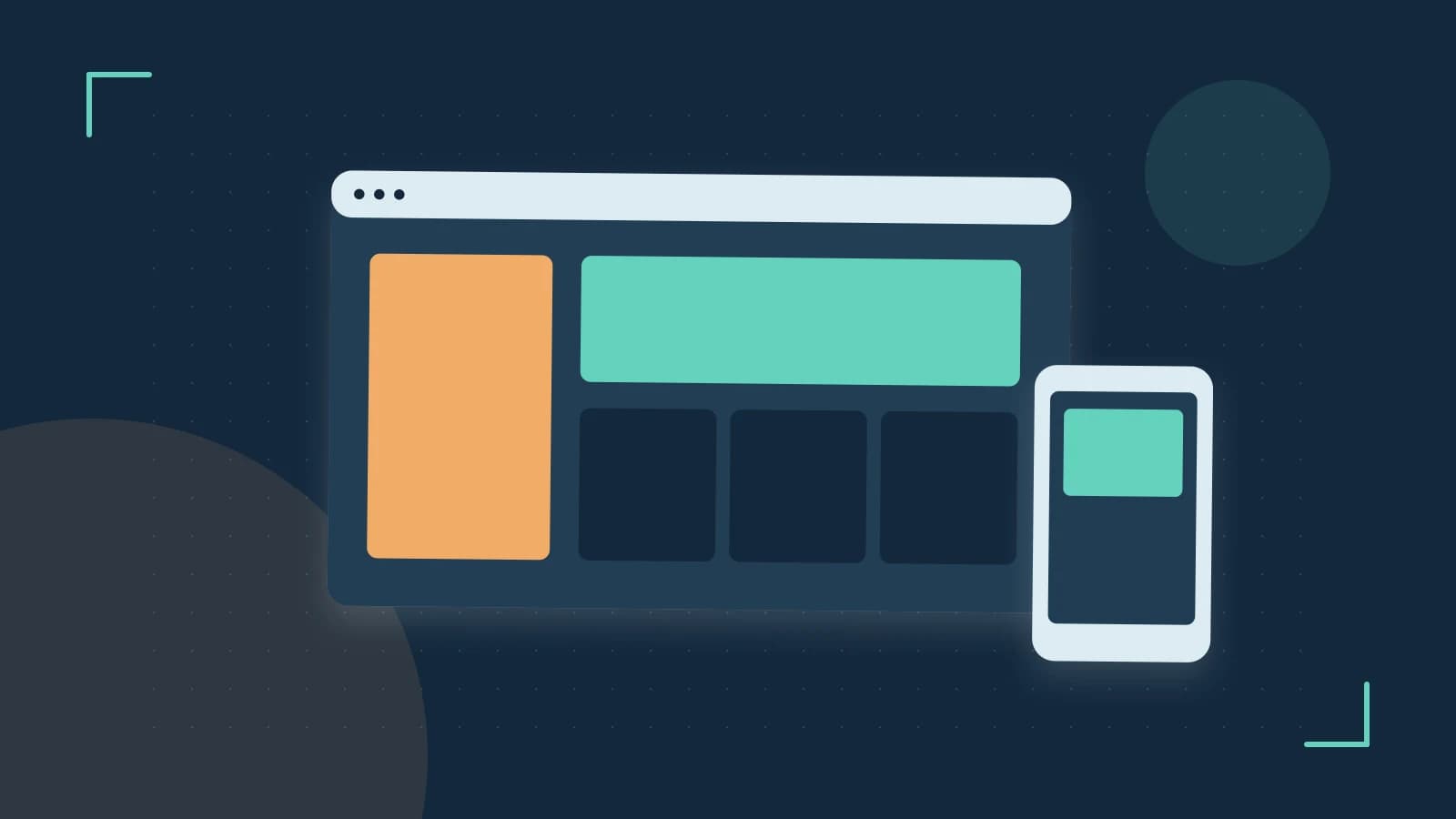
Stop fighting with CSS media queries. Learn how to use React-Bootstrap's 12-column grid system and breakpoint props to create layouts that adapt seamlessly from mobile to desktop.