Diagnosing and Resolving TempDB Contention in SQL Server
A diagnostic guide to identifying and resolving TempDB contention in SQL Server using wait statistics, I/O monitoring, and targeted configuration changes.
09 Oct 2025, 07:01 UTC
ReadMeFeed / Community knowledge
Practical guides, fresh perspectives and ideas worth trying.
A diagnostic guide to identifying and resolving TempDB contention in SQL Server using wait statistics, I/O monitoring, and targeted configuration changes.
Learn how to design a low‑latency, fault‑tolerant cache using Memcached’s client‑side consistent hashing. The guide covers minimal architecture, trust boundaries, operational checks, failure modes, and when to rethink the design.
A guide to fixing Mattermost WebSocket failures and 502 errors caused by misconfigured reverse proxies and timeout settings.
When a Matplotlib plot fails to appear or its labels overlap, the culprit is often a backend mismatch, a figure that’s too small, or tight_layout mis‑calculations. This guide walks through a step‑by‑step diagnostic checklist, fixes, and escalation paths to get your visualizations back on track.
Step-by-step guide to generating standalone executables from MATLAB code using MATLAB Coder, covering prerequisites, the codegen command, configuration options, and verification steps.
Typography overrides in MUI v5 often fail silently. This guide diagnoses the most common pitfalls—from misplaced ThemeProvider to Emotion cache conflicts—and shows how to fix them step‑by‑step.
Decide when to use fenced code blocks with language identifiers, indented blocks, or inline code in Markdown. Compare compatibility, readability, and tooling support.
Identify the offending queries in MariaDB deadlock traces, fix missing indexes or long transactions, and know when to escalate.
Learn how to use Love2D’s off‑screen canvases to reduce draw calls and keep frame‑rate stable for dynamic UI layers. The article covers requirements, minimal design, data boundaries, runtime checks, failure modes, and when to redesign.
Learn how to use Liquibase contexts to manage environment-specific database migrations using a single changelog without code duplication.
A technical guide on using Timeshift in Linux Mint to create system snapshots and recover from boot failures or configuration errors.
Use libGDX AssetManager to load assets asynchronously, check progress, retrieve safely, and dispose cleanly. Follow this step‑by‑step guide to avoid memory leaks and startup stalls in your 2‑D game.
Learn how to use LESS mixins to create reusable CSS templates with parameters, defaults, and conditional logic while avoiding duplication.
Choose a LaTeX engine for OpenType fonts and Unicode input, with a minimal fontspec example and checks for glyph coverage, font embedding and portability.
Learn how to use Leetcode’s ‘Add to My List’ button to build a personalized question set, monitor progress, and streamline interview preparation. Follow the step‑by‑step guide, verify your list, and troubleshoot common issues.
Use Laravel Jetstream’s built‑in team tables, models, and Gate policies to add team creation and invitations without writing custom migrations or controllers.
A conservative draft describing assumed steps for Aerospike backup, validation, and restore, with notes on verification and rollback.
Learn how to diagnose and fix Azure Front Door 502 Bad Gateway errors caused by App Service instance replacement during maintenance, with verification steps and Well‑Architected alignment.
Choose hot, cool, cold or archive storage using access frequency, retrieval needs and retention costs, then validate a narrowly scoped lifecycle policy.
In order to support latency-critical and high-throughput workloads, Kubernetes offers a suite of Resource Managers. The managers aim to co-ordinate and optimize the alignment of node's resources for pods configured with a specific requirement for CPUs, devices, and memory (hugepages) resources. Topo
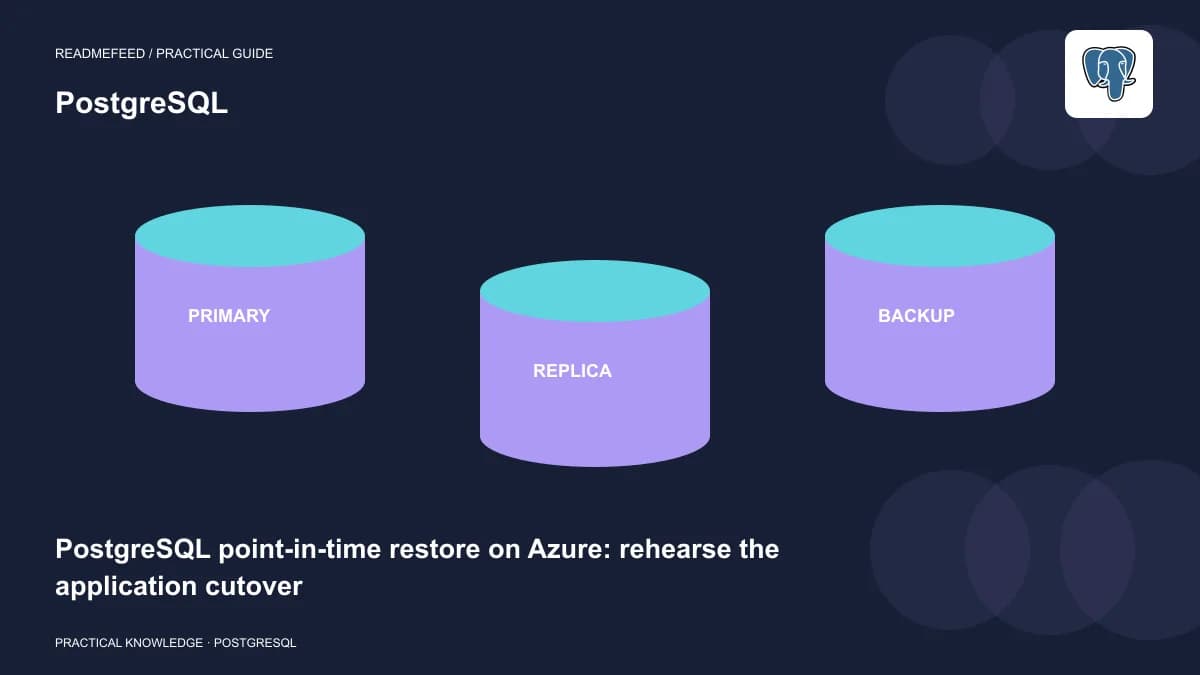
A restored database server is the beginning of recovery. Plan the target time, network access, validation and application switch as one exercise.
Learn how Azure RBAC scopes, management permissions and data permissions fit together, with a practical process for verifying application access.
Use Bicep what-if with the exact deployment scope and parameters, interpret its limitations, and verify the applied resources against the reviewed plan.
In the modern landscape of cloud-native development, the presence of hardcoded credentials, API keys, or certificates within source code is not merely a technical oversight;…
Microsoft has announced a $60 million commitment supporting the US Department of Energy’s Genesis Mission. The announced package combines $40 million in Azure compute and AI credits distributed over three years with $20 million in engineeri
Grant Azure Container Registry pull access with the correct role mode, select the workload identity, and verify an immutable image without shared registry passwords.
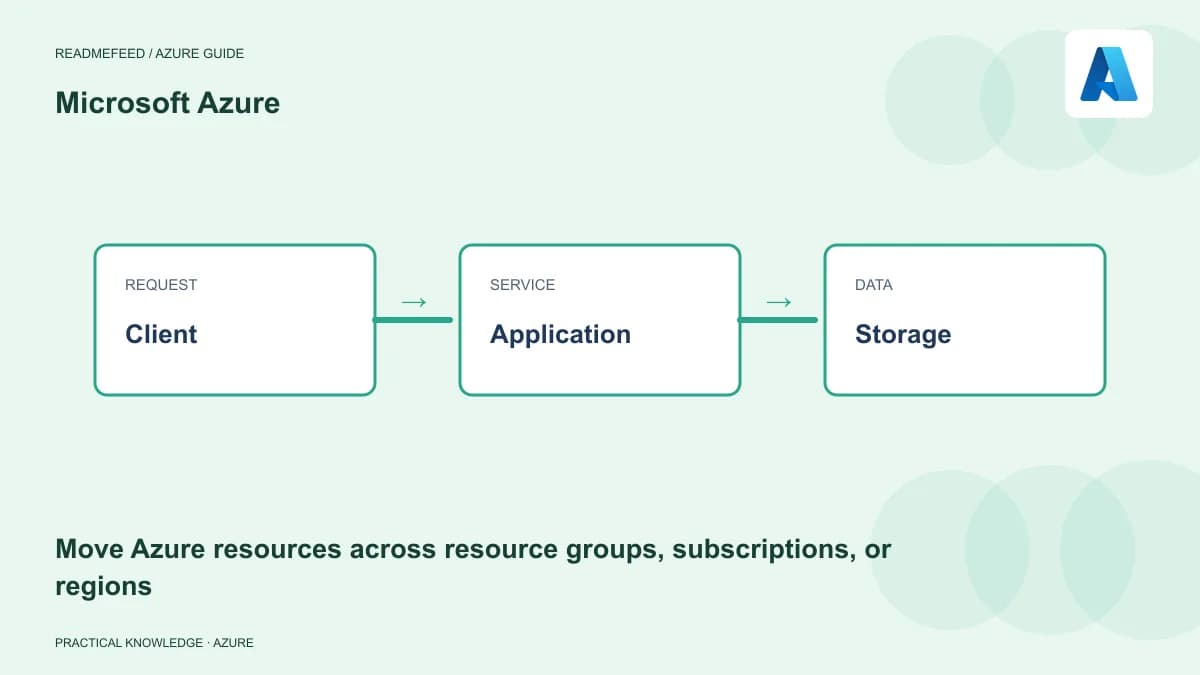
Azure resources can be moved to a new resource group or subscription, or across regions. Move resources across resource groups or subscriptions You can move Azure resources to either another Azure subscription or another resource group under the same subscription. You can use the Azure portal, Azure
Diagnose Azure SQL Database connections through DNS, connection policy, network controls and Microsoft Entra database permissions using the runtime identity.
Build a useful Azure App Service health endpoint with bounded dependency checks, appropriate authentication and evidence from each running instance.
Check Azure Files share access through its supported identity source, share permissions, directory permissions and SMB network path before remounting.
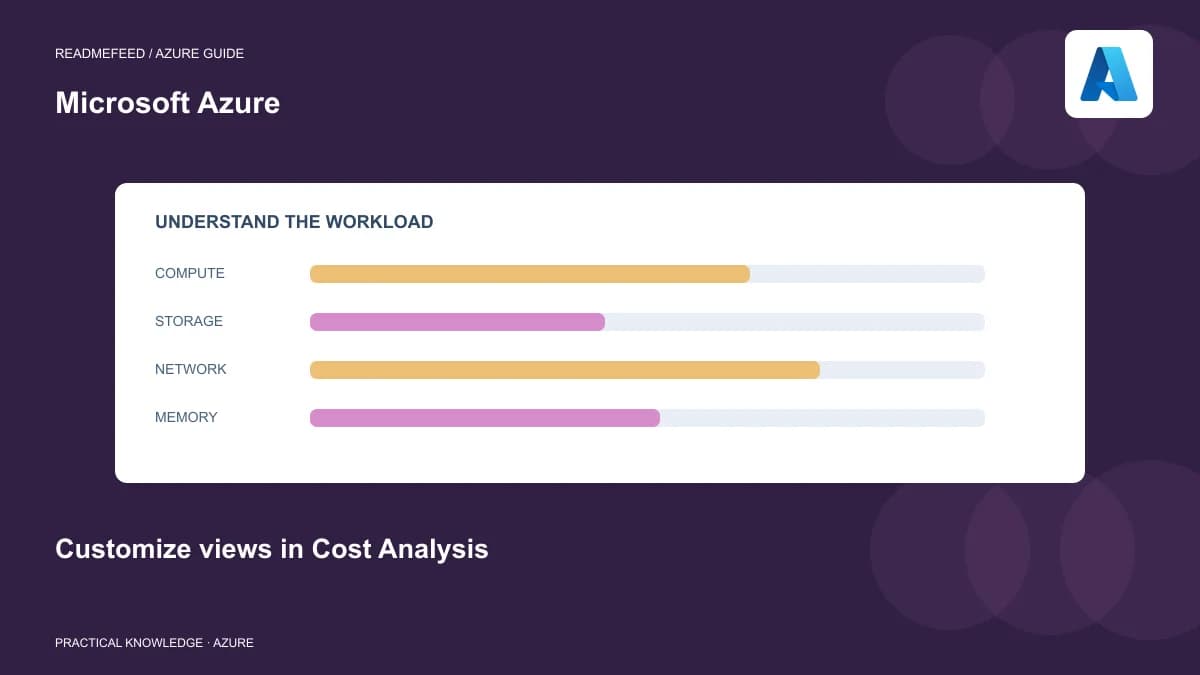
This article helps you customize views in Cost Analysis to understand how you're being charged and to investigate unexpected changes. Prerequisites To customize views, you must have at least the Cost Management Reader (or Contributor) role. You should be familiar with the information at Quickstart:
Troubleshoot Azure Key Vault secret access by checking its permission model, runtime identity, data role and network path before widening permissions.
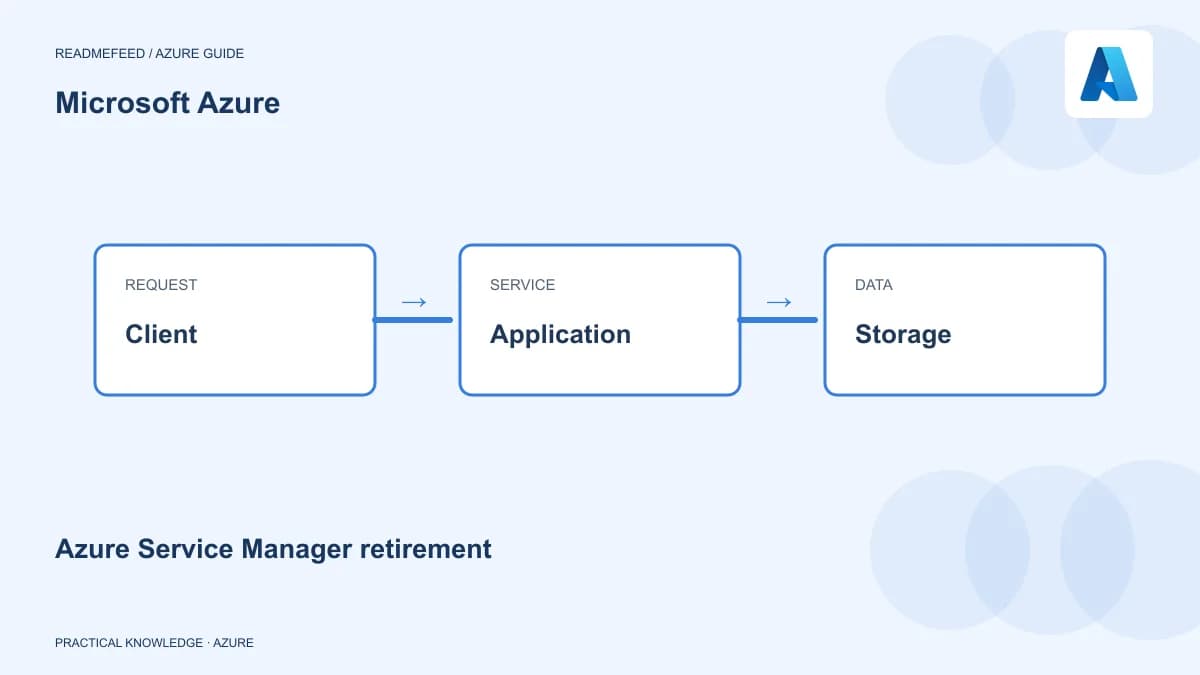
Azure Service Manager (ASM) is the old control plane of Azure responsible for creating, managing, deleting VMs and performing other control plane operations, and has been in use since 2011. ASM is retiring in August 2024, and customers can now migrate to Azure Resource Manager (ARM) . ARM provides a
Understand how Azure private endpoints depend on DNS and routing, then verify the application's hostname resolves to the intended private connection.
Design Azure Functions handlers for repeated delivery by matching trigger retry behavior to durable idempotency, transaction boundaries and failure recovery.
Choose system-assigned or user-assigned managed identities, grant the right service access, and verify the credential used by your Azure application.
Use Application Insights request and dependency telemetry to investigate failures, with clear service identity, bounded log queries and verified instrumentation.
The backend pool is a critical component of the load balancer. The backend pool defines the group of resources that serve traffic for a given load-balancing rule. There are two ways of configuring a backend pool: Network Interface Card (NIC) IP address To preallocate a backend pool with an IP addres
Azure Virtual Network is a fundamental building block for your private network in Azure. It enables Azure resources to securely communicate with each other, the internet, and on-premises networks. A virtual network is similar to a traditional network that you'd operate in your own data center. Howev
An Azure Load Balancer health probe is a feature that detects the health status of your application instances. It sends a request to the instances to check if they're available and responding to requests. The health probe can be configured to use different protocols such as TCP, HTTP, or HTTPS. It's
Prepare Azure App Service slots, separate environment settings, warm up the candidate release, and verify the application before and after a swap.
Trace Azure connection failures through subnet rules, NIC rules, routes, guest firewalls and listeners, using effective rules and Network Watcher evidence.
Set an Azure cost budget at the right scope, distinguish alerts from spending limits, and test the notification path before relying on it operationally.
System component metrics can give a better look into what is happening inside them. Metrics are particularly useful for building dashboards and alerts. Kubernetes components emit metrics in Prometheus format . This format is structured plain text, designed so that people and machines can both read i
Design Azure Queue Storage workers around message visibility, pop receipts, durable operation keys and a clear recovery path for repeatedly failing work.
Azure Storage encrypts all data in a storage account at rest. By default, data is encrypted with Microsoft-managed keys. For additional control over encryption keys, you can manage your own keys. Customer-managed keys must be stored in an Azure Key Vault or in an Azure Key Vault Managed Hardware Sec
Use Azure Container Apps revision modes, readiness checks and traffic weights to test a candidate release and verify the behavior of the active version.
In the contemporary landscape of cloud-native development, the persistence of hard-coded credentials remains a staggering architectural failure. Azure Key Vault serves as the definitive mitigation…
Note: This section links to third party projects that provide functionality required by Kubernetes. The Kubernetes project authors aren't responsible for these projects, which are listed alphabetically. To add a project to this list, read the content guide before submitting a change. More informatio
By default, containers run with unbounded compute resources on a Kubernetes cluster. Using Kubernetes resource quotas , administrators (also termed cluster operators ) can restrict consumption and creation of cluster resources (such as CPU time, memory, and persistent storage) within a specified nam