Jeet is a lightweight Java web framework that auto‑configures Jersey on Jetty, enabling rapid REST API development with minimal boilerplate. This blog walks through a minimal setup, shows hot‑reload, and discusses trade‑offs before you ship production.
Learn when to use Signals, Stores, and Context in SolidJS to maintain fine-grained reactivity and avoid common pitfalls like reactivity loss through destructuring.
Learn how Jeet’s unit‑based grid works: define a base unit, use the .span() mixin to calculate column widths, and see the resulting CSS with a concrete LESS example.
In a multi‑tenant Rancher environment, fine‑grained RBAC prevents accidental changes. This guide walks through creating a view‑only ClusterRole, binding it to a user group, and validating the permissions with concrete YAML and kubectl checks.
Decide between bare metal, virtual machine, or cloud instances for Talos Linux, compare trade‑offs, and see how to apply a machine config for a three‑node HA control plane with validation steps.
Enable EOS in Kafka Streams with a single property switch, see a full Java example, and learn the limits, common mistakes, and how to verify that your application truly processes each record once.
Broadcast Hash Join cuts join latency by eliminating shuffles when one side is small. Learn when to enable it, how to force it, and the trade‑offs to watch for in real‑world Spark jobs.
Elm’s ports give you a safe, typed boundary between Elm and JavaScript. This article explains how ports enforce safety, shows a practical adapter pattern, discusses performance trade‑offs, and provides a checklist for production‑ready apps.
Stylus mixins with default parameters let you define reusable CSS rule blocks that gracefully handle missing arguments. Learn the syntax, see a worked button example, understand nested scope for theming, and avoid the silent-fallback trap.
Learn how to prevent data races and handle actor reentrancy in Swift. This guide covers the Isolated State pattern, Sendable boundaries, and strict concurrency verification.
Learn how to query DynamoDB by attributes other than the primary key using Global Secondary Indexes (GSIs), including configuration examples and cost-optimization strategies.
Learn how p5.js instance mode isolates sketches, lets you package them as reusable widgets, and avoids global namespace clashes when embedding multiple instances on a page.
Design Elixir supervision trees as explicit trust boundaries. Isolate unrelated subsystems under separate top-level supervisors, choose restart strategies that match failure correlation, and monitor restart intensity to avoid cascading outages.
Choosing between Akka's tell and ask patterns determines whether your actor system stays responsive or blocks under load. This post explains the overhead of ask, when tell is sufficient, and how to verify the impact with a profiler.
Step‑by‑step diagnostic guide for RKE2 cluster upgrades that stall at the "updating kubelet" phase in Rancher 2.7+, covering causes, checks, fixes, and when to escalate.
Intermittent 500 errors and stale pull‑request data across Bitbucket Data Center nodes usually indicate cache or shared‑home incoherence. This guide shows how to confirm node‑specific drift, map symptoms to causes, and apply targeted fixes with safe verification.
Vault Transit's rewrap endpoint lets you migrate existing ciphertext to a new key version without decrypting and re-encrypting your data. Here's how it works, with a concrete example and trade-offs.
Choose between IntelliJ’s fast inline inspections and SonarQube’s cross-project quality metrics. This guide outlines constraints, trade-offs, and a validation workflow for Java teams.
Deciding between Traefik's Docker and File providers involves balancing automatic service discovery against centralized security and external service support.
Configure RubyMine's Remote Development to keep the IDE on your laptop while the Ruby toolchain, gems, and debugger run on a remote host via SSH, Docker, or WSL 2. Includes a worked SSH example, path-mapping pitfalls, and verification steps.
A step‑by‑step diagnostic guide for troubleshooting Liquibase validation failures in JHipster‑generated applications, including checks, fixes, and escalation paths.
Learn how to add and use SwiftUI #Preview blocks in Xcode 15+, understand their sandboxed architecture, and weigh the build‑time and API limitations against rapid UI iteration.
Flaky Selenium tests? Learn how to use WebDriverWait with ExpectedConditions to wait for specific element states, avoid Thread.sleep, and reduce test flakiness.
Learn how to diagnose and fix Apache 503 Service Unavailable errors caused by worker exhaustion, including tuning MaxRequestWorkers and KeepAliveTimeout.
Learn how to use Nomad System Jobs to automatically deploy infrastructure agents, monitoring tools, and log forwarders across every node in your cluster.
A step-by-step diagnostic guide for AngularJS $injector:unpr unknown provider errors: recognizable symptoms, cause table, ordered checks, targeted fixes, and escalation criteria for AngularJS 1.x applications.
Compiler reports header not found even though the file exists. A diagnostic guide for CMake include path failures with cause table, ordered checks, fixes tied to findings, and escalation criteria.
A concise guide to the requirements, minimal design, trust boundaries, operational checks, failure modes, and redesign triggers for A-Frame's built‑in look-at component.
JetBrains Live Templates turn repetitive boilerplate into single-abbreviation expansions with variables, scoping, and team sharing. Learn to create a Java main-method template that auto-fills the class name and positions the caret, plus how to export templates for team consistency.
Learn how Mongoose pre('save') middleware centralizes field normalization for regular saves, why bulk operations bypass it, and how to handle the gap safely.
When instrumenting Java services with OpenTelemetry, choosing between gRPC and HTTP/1.1 OTLP exporters boils down to latency, infrastructure, and operational simplicity. This guide compares both transports, explains trade‑offs, and shows concrete Java code to validate your choice.
Learn how to encapsulate common functionality into Node‑RED subflows, see a JWT‑validation example, and understand the trade‑offs before adopting this pattern in your own flows.
Learn how to use Gradle's configuration avoidance to cut build startup time. Replace tasks.create with tasks.register to defer task creation and improve performance in multi-project builds.
IE10 uses a 2012 Flexbox draft with -ms- prefixes and no support for wrapping. Learn how to map modern flex properties to the 'tweener' syntax for legacy support.
When a front‑end build takes minutes, grunt‑newer can cut that time by filtering tasks to only changed files. Learn how to add it to your Gruntfile, run a concrete uglify example, and understand the trade‑offs that come with incremental builds.
Use Photon Realtime’s lobby‑visible custom properties to perform skill‑based matchmaking without a separate lobby. Set <code>CustomRoomPropertiesForLobby</code> on room creation and filter with <code>ExpectedCustomRoomProperties</code> in <code>OpJoinRandomRoom</code>.
Diagnose Replit Repl build failures caused by missing dependencies, version mismatches, permission issues, and network restrictions with ordered checks and targeted fixes.
Bridge custom scripts and DIY sensors to IFTTT using Webhooks. Learn how to configure HTTP triggers, send JSON payloads via cURL, and manage security constraints.
Glitch’s live collaboration uses WebSockets and Operational Transformation to merge simultaneous edits instantly. This post explains the mechanism, its practical limits, and a hands‑on verification you can run today.
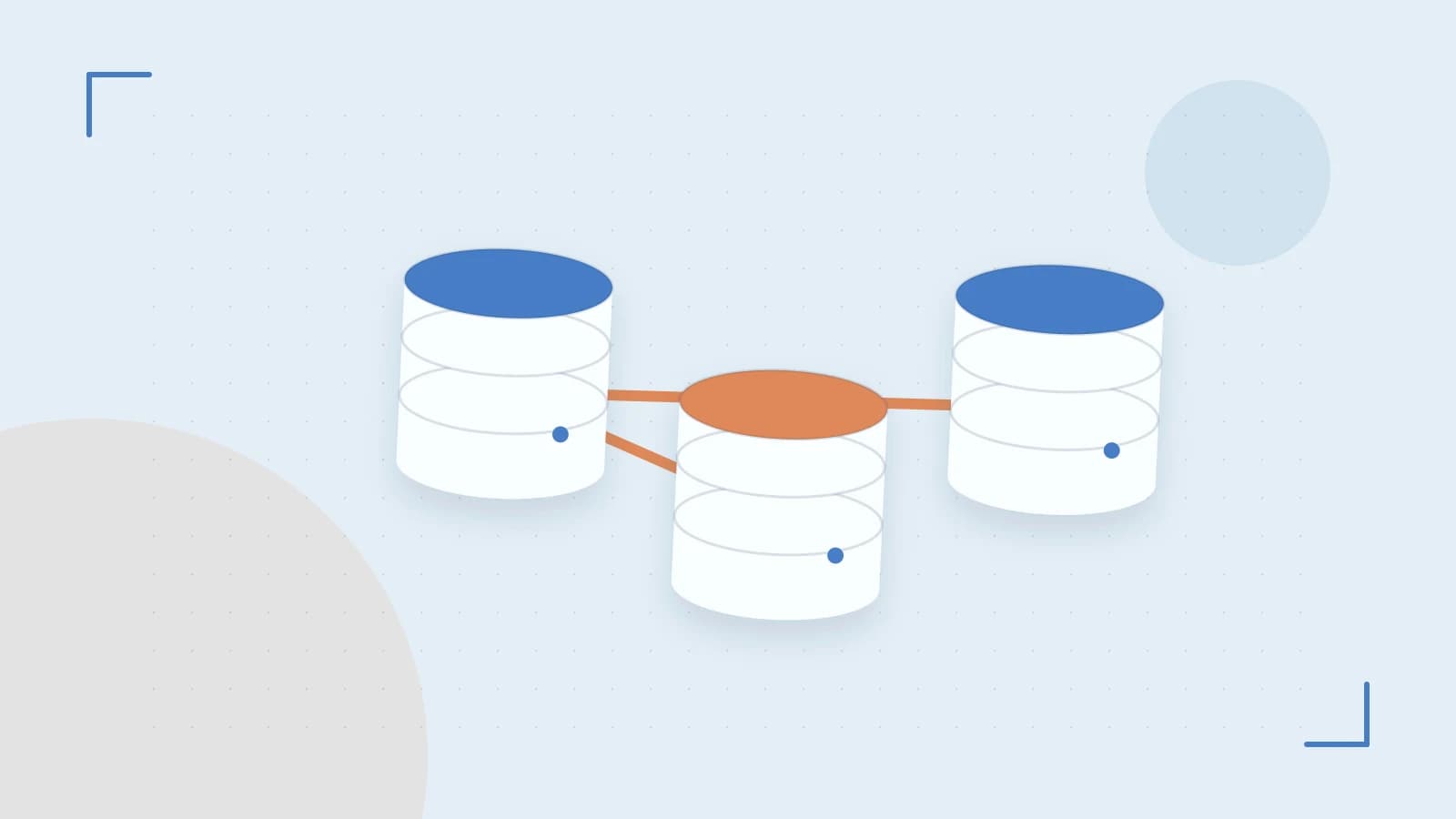
Deploy a three‑node MariaDB Galera Cluster for synchronous replication and zero‑loss failover. Includes prerequisites, configuration, bootstrapping, health checks, recovery, and operational caveats.