Learn how Flask’s application factory pattern removes global app state, lets you test with different configs, and keeps extensions and blueprints decoupled.
Learn how JetBrains’ Structural Search and Replace lets you refactor repetitive null‑check boilerplate safely across a Java codebase, with a worked example, trade‑offs, and next steps.
Learn how Adobe Illustrator’s Blend Tool automates smooth shape and color transitions, see a step‑by‑step example, and understand the trade‑offs before applying it to your work.
Learn how to use Ballerina workers to offload CPU-intensive tasks from the main event loop, utilizing futures for asynchronous results and locks for thread safety.
Learn why async route handlers in Express 4 can crash your server and how to implement a robust asyncHandler wrapper or migrate to Express 5 for automatic error forwarding.
Learn how to use @CompileStatic in Groovy to eliminate dynamic dispatch overhead and achieve Java-like performance without losing Groovy's concise syntax.
Navigator 2.0 lets you model navigation as a list of pages, simplifying deep‑linking and state restoration. This guide compares it to Navigator 1.0, walks through a two‑screen example, discusses trade‑offs, and gives concrete next steps for developers.
Use Jupyter’s %timeit magic for fast, reliable benchmarks inside notebooks. Learn how it works, see a concrete example, understand its limits, and get practical tips for accurate performance checks.
Learn how Hoppscotch’s environment variable system lets you externalize URLs, tokens, and more, enabling a single request template to target multiple environments. Follow the example, watch out for common pitfalls, and verify substitutions before sending.
Learn how to use Git sparse‑checkout to cut disk usage and speed up work in large monorepos. Follow a step‑by‑step guide, see a concrete example, and understand the trade‑offs.
Learn how to set up, run, and validate a Katib experiment on a Kubeflow cluster. Step‑by‑step guide covers YAML, resource limits, monitoring, and recovery options.
Discover how Android Studio’s Layout Inspector turns a running app into a live UI debugger. Learn to spot overdraw, deep hierarchies, and runtime attribute mismatches with a step‑by‑step example and practical checklist.
Learn how to register and verify Transient, Scoped, and Singleton services in .NET Core, avoid common pitfalls, and ensure correct lifetime behavior with concrete examples and diagnostics.
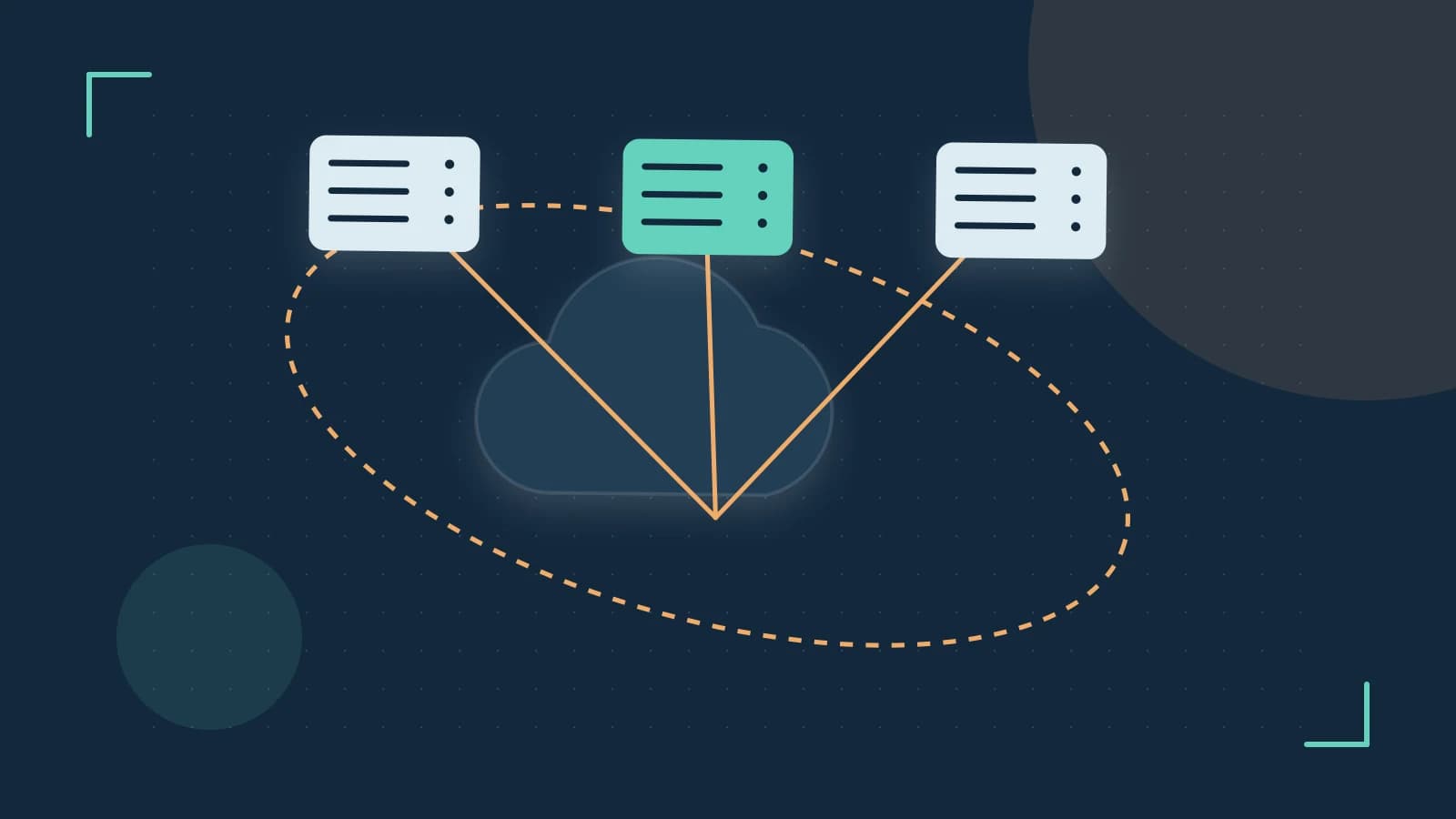
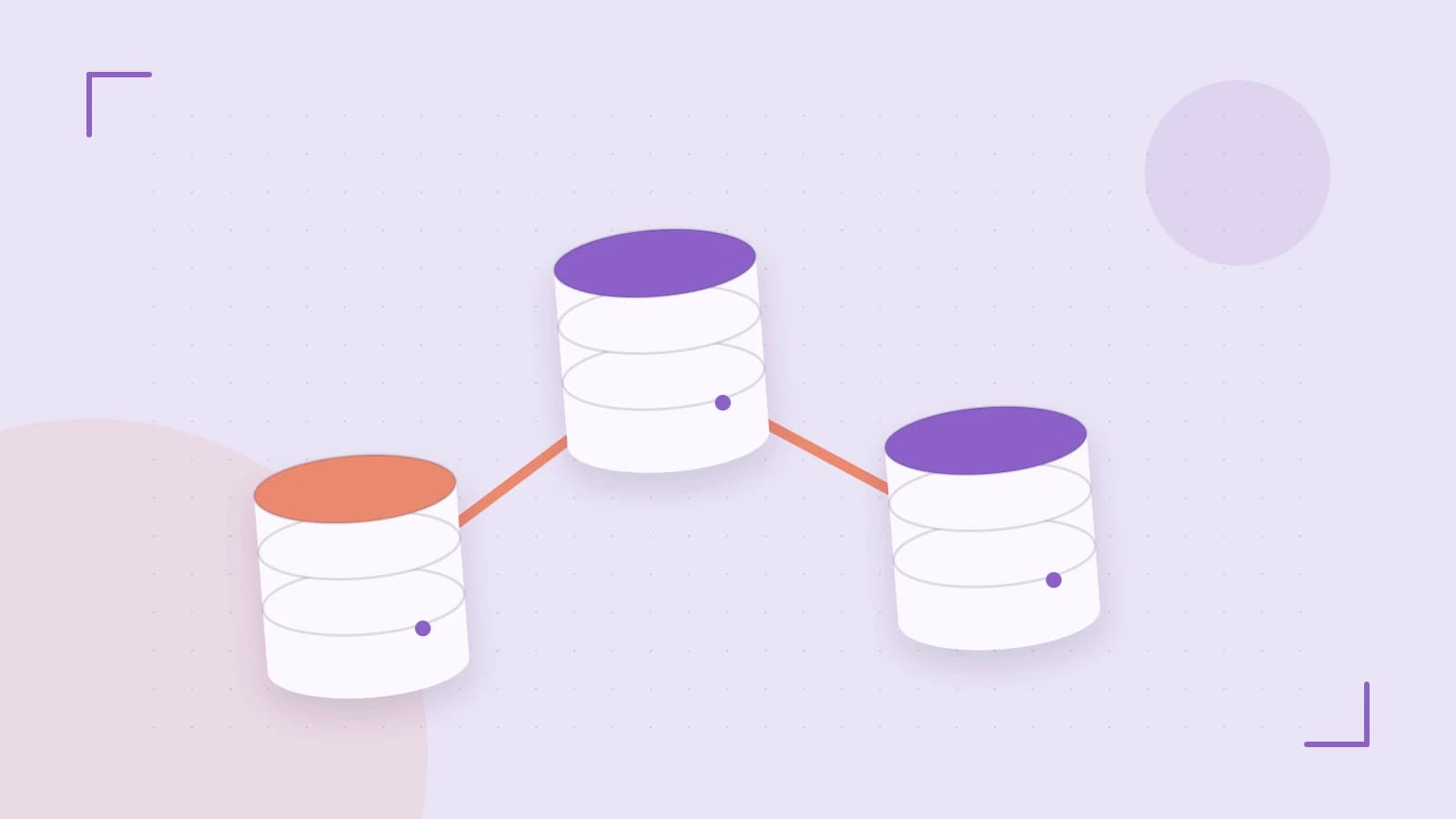
Learn how to design a minimal Splunk Indexer Cluster using a three-node setup to ensure data redundancy, including RF/SF configurations and operational health checks.
Learn how Docker multi‑stage builds let you compile with heavy tools and ship only the needed binary, cutting image size by 70‑90 % and improving container security.
A concise decision guide for swapping ESLint + Prettier with Biome in a TypeScript monorepo, covering constraints, option comparison, trade‑offs, step‑by‑step implementation, and verification methods.
Learn how a Homebrew Brewfile can declaratively capture and install the formulae, casks, and services your team needs, with a worked example, verification steps, and known limitations.
Eclipse’s Java debugger lets you pause execution, inspect variables, and evaluate expressions on the fly. This guide walks through setting breakpoints, starting a debug session, and common pitfalls to avoid, with a concrete code example.
Keep GitHub events in your chat rooms with Gitter’s built‑in integration. Install the GitHub App, pick events, and watch real‑time updates appear in Gitter. Learn the setup, limits, and best practices in this concise guide.
Guide to choosing between NUnit, xUnit.net, and MSTest in JetBrains Rider, featuring a comparison table, trade-off analysis, and a validation workflow for test discovery.
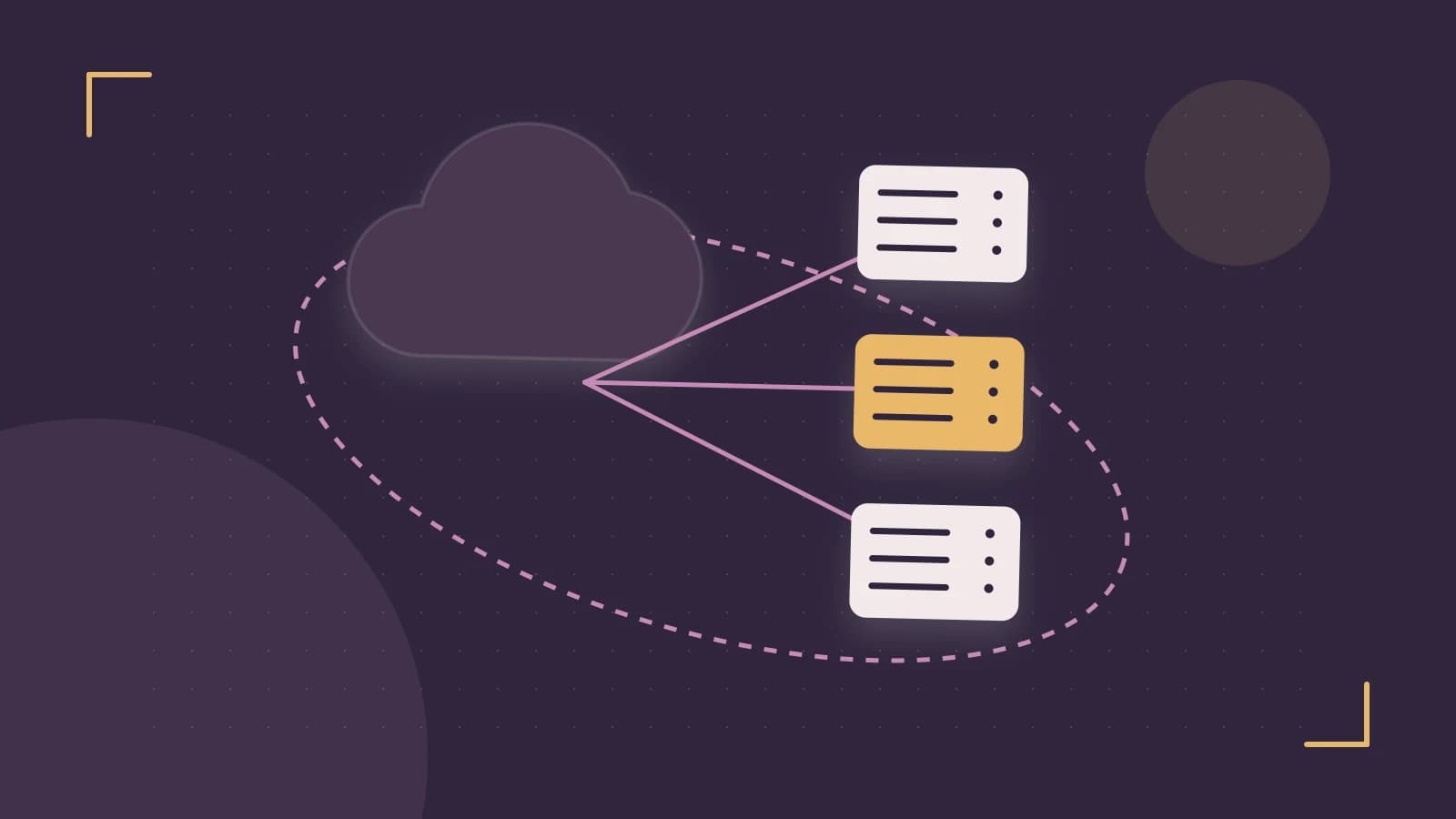
Learn how DigitalOcean Managed Kubernetes automates control plane upgrades and node pool autoscaling to reduce operational overhead for production workloads.
Learn how Linux XDP (eXpress Data Path) allows high-performance packet filtering by executing eBPF programs at the NIC driver level, bypassing the expensive kernel network stack.
Stop managing separate Node.js build scripts for your static site. Learn how to use Hugo Pipes to compile SCSS, minify JS, and handle cache busting within a single binary.
Stop leaving temporary files behind after tests. Learn how to use JUnit 5's @TempDir to automate the creation and cleanup of isolated test directories.
Cairo range checks prevent silent overflows by constraining field elements to specific bit-widths. Learn how to use fixed-size types to enforce bounds and verify them in Sierra.
Use gRPC deadlines to bound how long a client will wait for a response and propagate that budget across services so servers can stop expensive work early and avoid cascading failures.
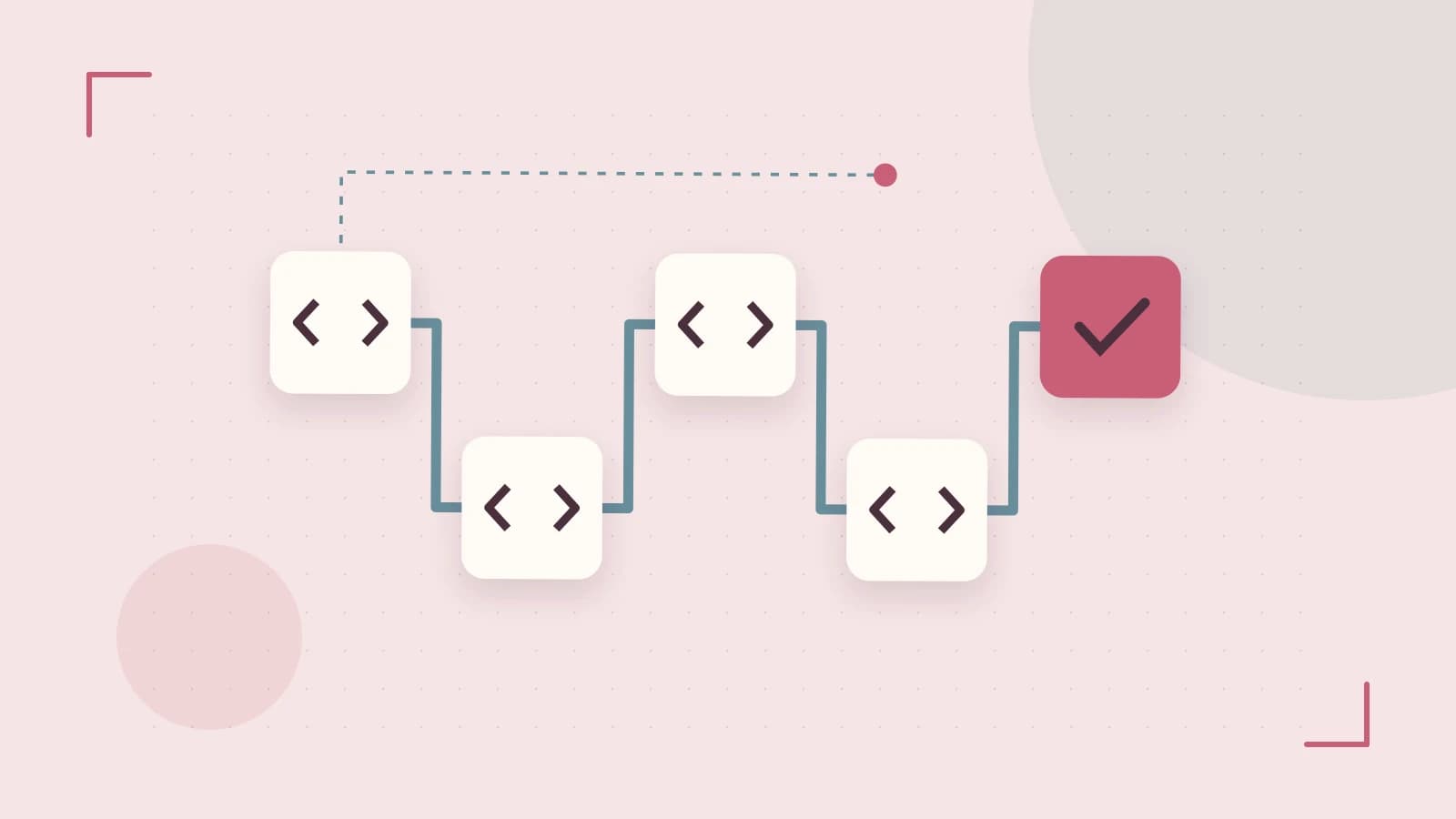
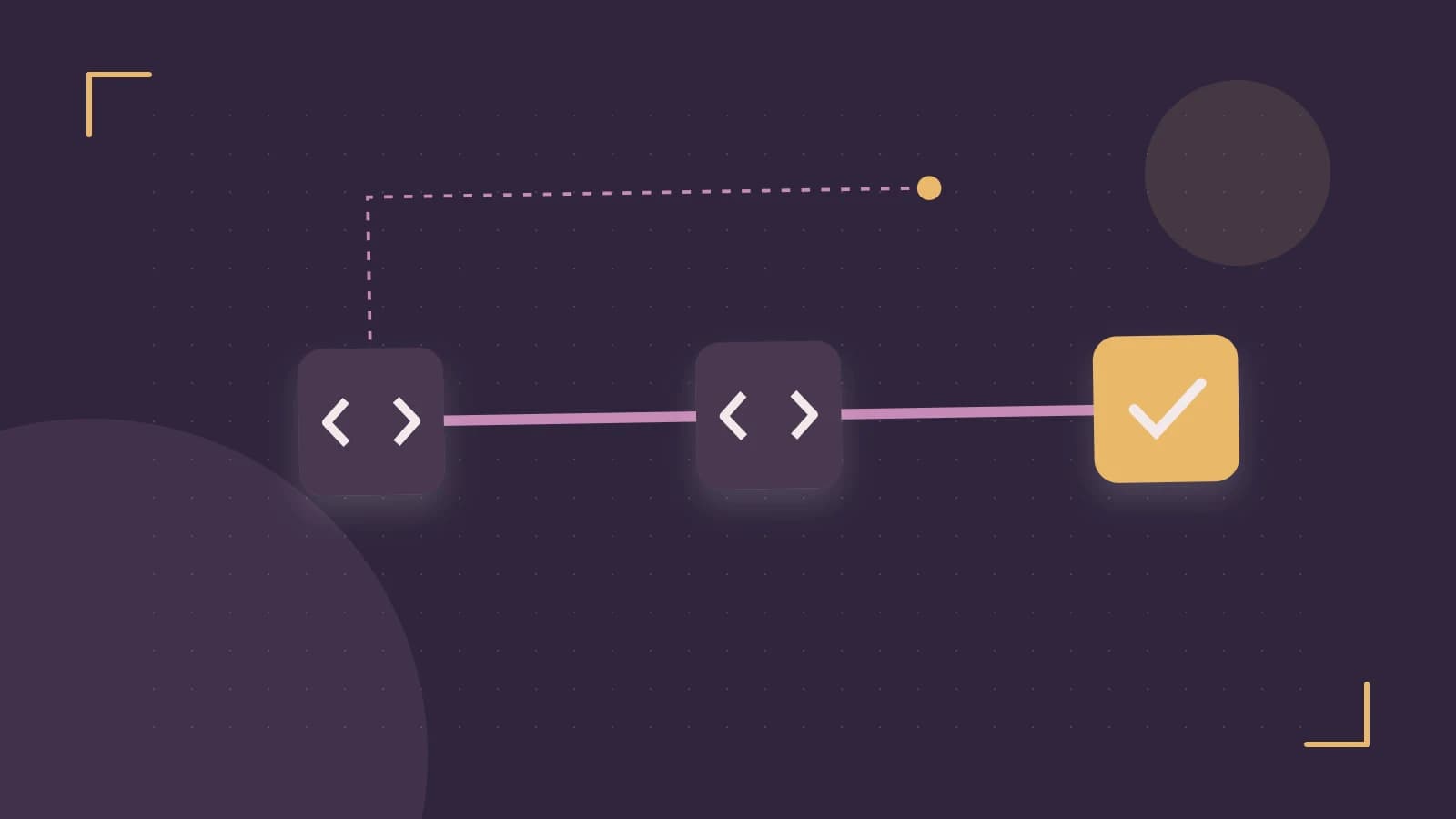
Learn how to create and use GitHub Actions composite actions to eliminate duplicated CI steps, improve maintainability, and version shared workflow logic across repositories.
Learn how to diagnose and fix common Pug mixin errors, including 'Mixin not defined' and argument mismatches, with a structured diagnostic guide and resolution steps.
A cautious guide for handling the undocumented term 'kdeneon' in system design, focusing on requirements, minimal stub design, trust boundaries, operational checks, failure modes, and verification steps.
Learn how to use Cloudflare Workers KV for fast, edge‑served feature‑flag reads, with a concrete example, consistency trade‑off, and verification steps.
Learn how Bootstrap's 12‑column grid uses container, row, and col-* classes to create layouts that adapt from phones to large desktops, with a concrete example and pitfalls to avoid.
Decide between Custom Post Types and Custom Database Tables for WordPress structured data. Compare performance, admin UI overhead, and scalability for high-volume data.
Learn when to keep all projects in one .sln file and when to use .slnf filters to reduce IDE load, with a compact comparison table and a step‑by‑step validation example.
Configure SonarScanner to wait for the Quality Gate and fail your pipeline when new-code issues violate the gate, then verify with a deliberate violation.