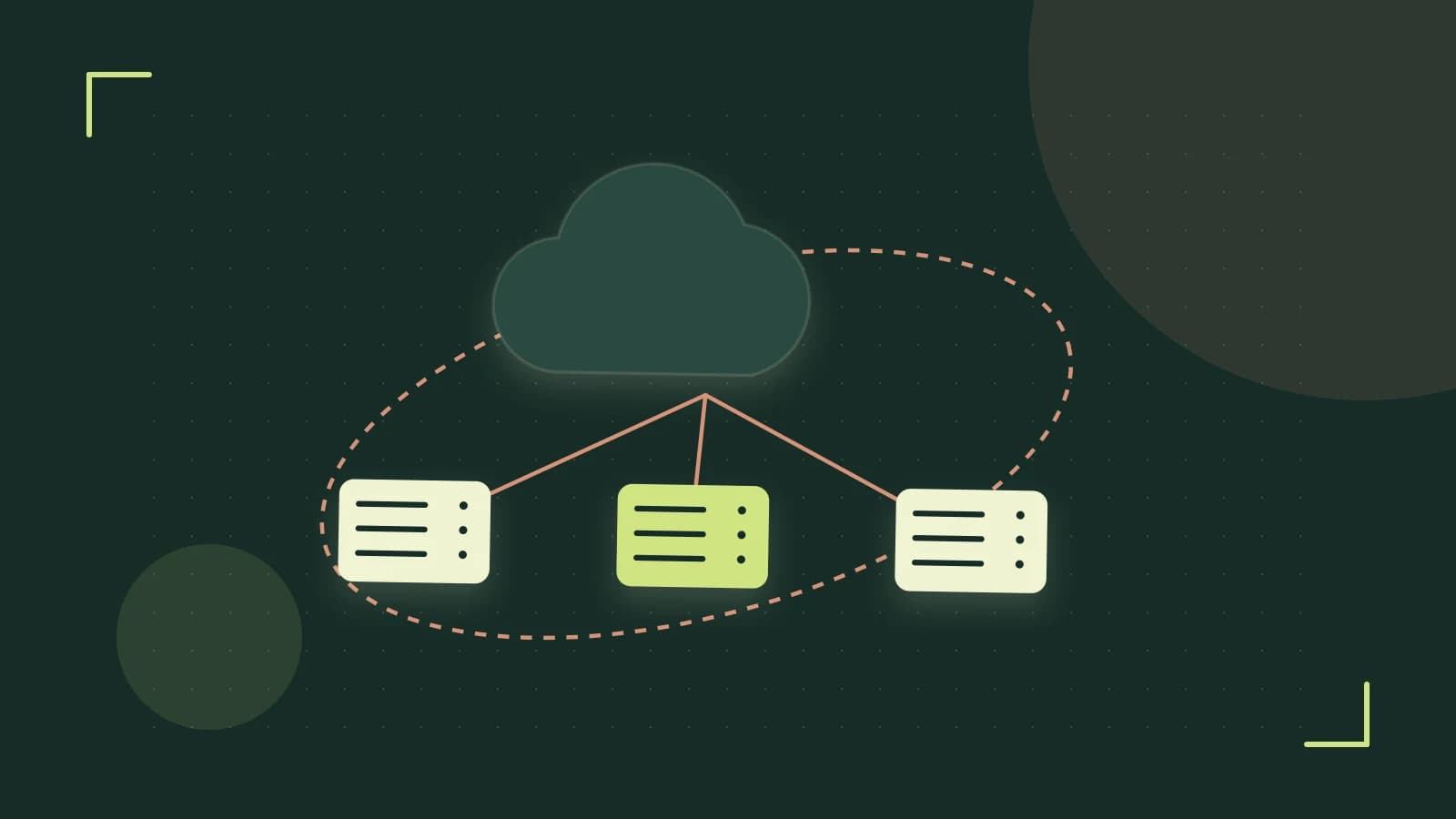
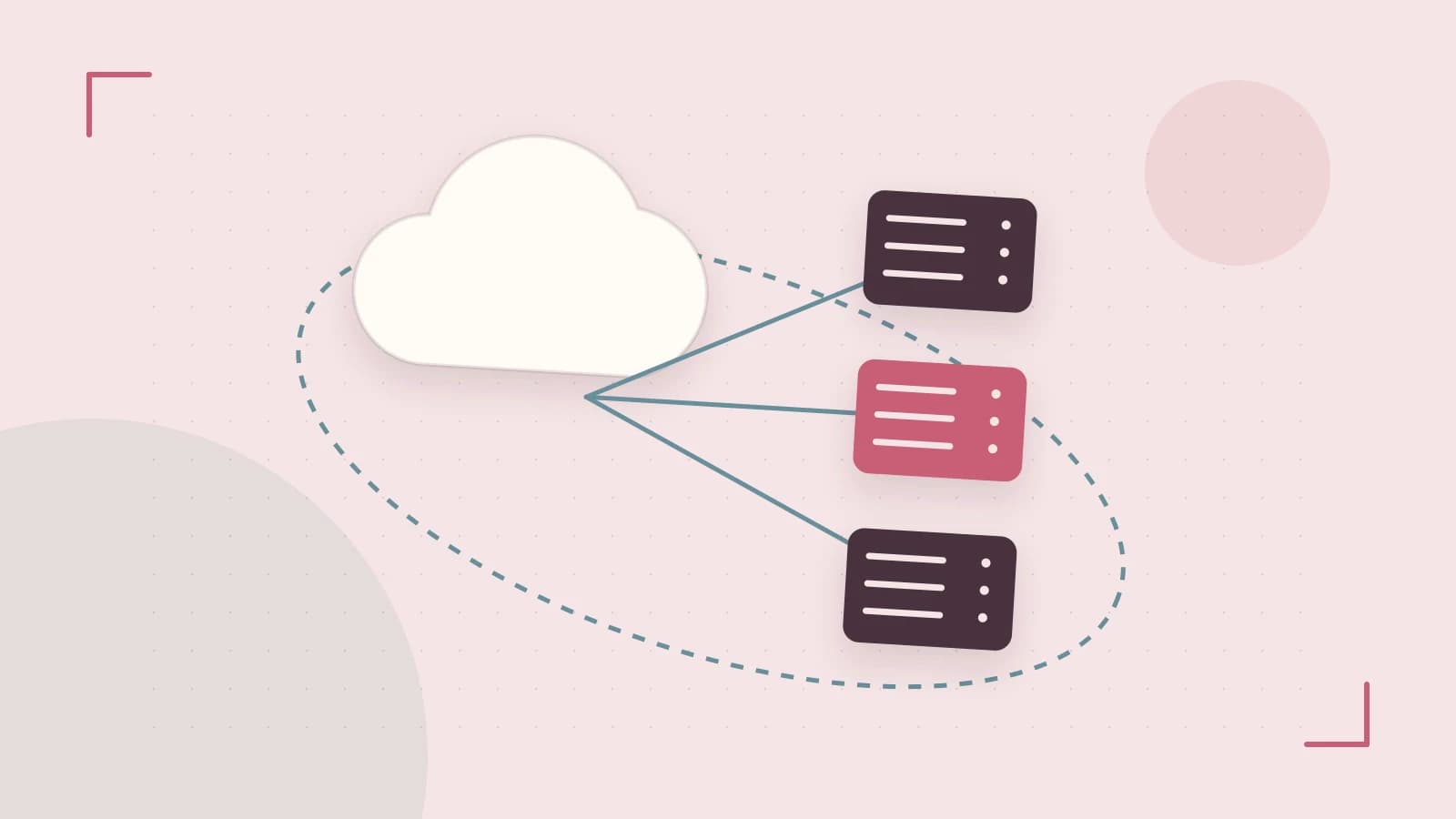
Envoy's local and global rate limit filters solve different problems. Learn when to use an in-memory token bucket versus a distributed gRPC backend, with configuration examples and trade-offs.
Learn how to install, start, stop, and maintain background services on macOS using Homebrew’s brew services, ensuring consistent launchd integration across machines.
When a team already uses Gitter, decide how to surface CI events. Compare the built‑in repository integration, the Gitter REST chatMessages API, and a Matrix‑based path. Pick the right option, understand its trade‑offs, and see a concrete posting pattern with validation steps.
Learn how Safari’s declarative content blocker lets you filter network requests before they’re issued, the limits you’ll hit, and a concrete example that cuts third‑party analytics traffic. Perfect for extension developers weighing performance vs. flexibility.
Wolfram's NDSolve handles stiff differential equations through adaptive methods, but choosing the right algorithm—like BDF versus LSODA—can mean the difference between hours of computation and seconds of accurate results.
Tree-shaking in Rollup depends on a precise sideEffects contract. Learn how ESM boundaries, named exports, and visualizer audits keep library bundles lean.
Decide when to enable or disable Codepen's Live Preview. Compare resource usage, feedback speed, and risk of missed bugs. Follow a step‑by‑step test to measure CPU impact and verify visual updates.
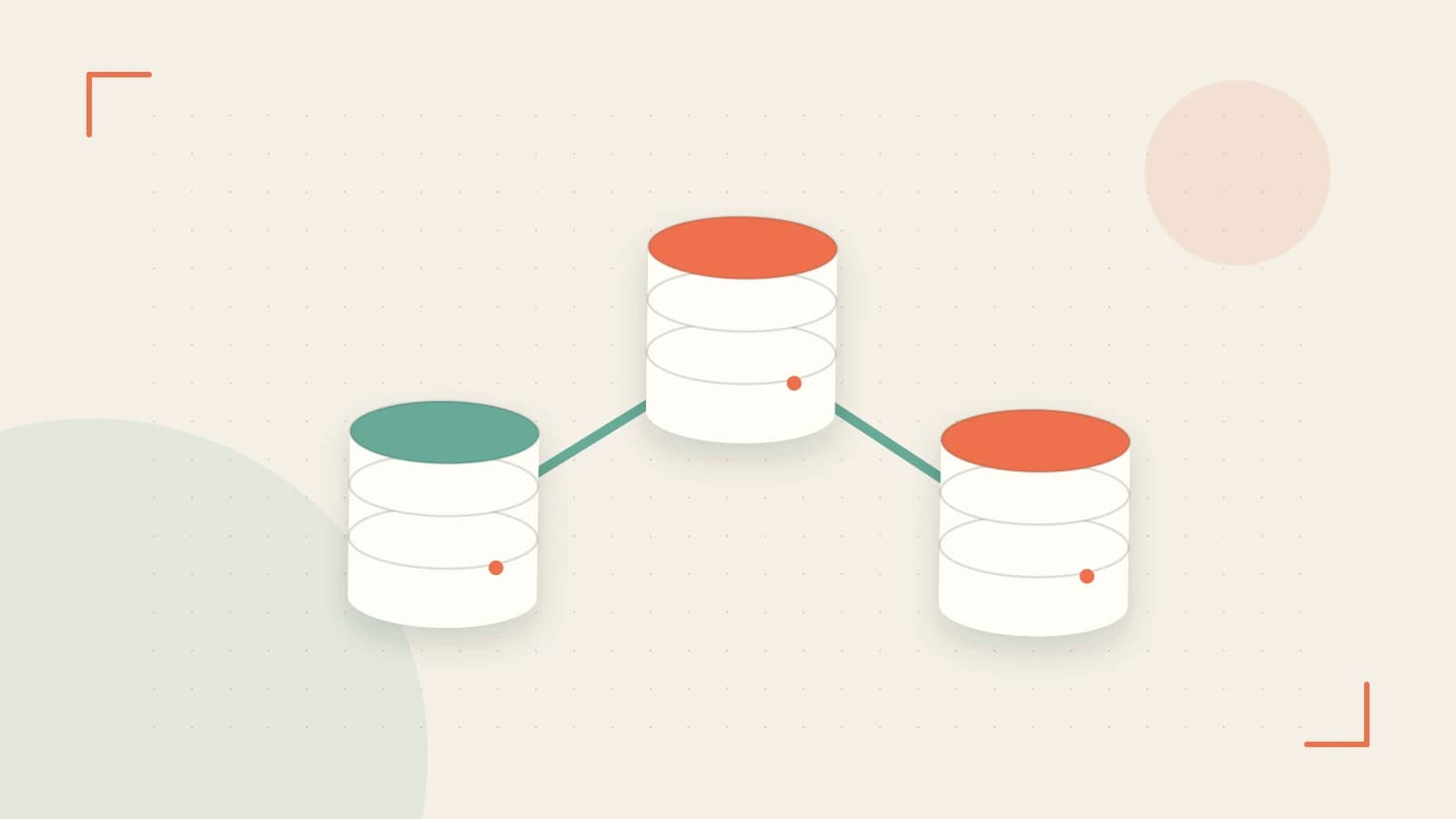
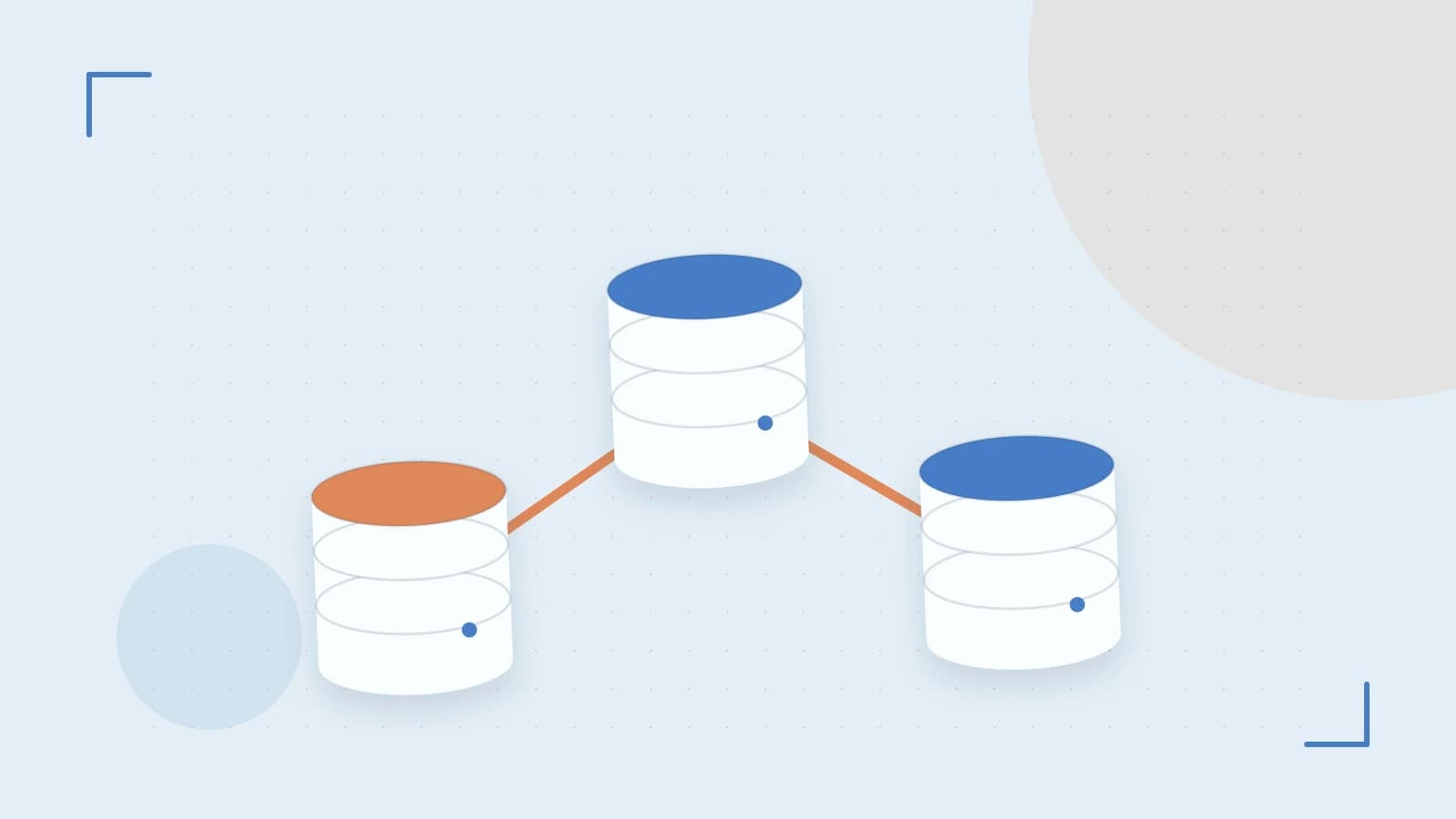
Learn how to configure Aerospike Strong Consistency (SC) mode to eliminate stale reads and ensure linearizability for critical data during network partitions.
Learn how to connect your GitHub, GitLab, or Bitbucket repositories to Codeac to automate code quality, complexity, and security analysis on every pull request.
Learn how to use Apache Pulsar tenants and namespaces to isolate production and staging environments, set namespace‑level policies, and mitigate noisy‑neighbor risks.
When a Vagrant VM feels sluggish on file‑heavy tasks, the default VirtualBox shared folder (vboxsf) is usually the culprit. This guide helps you spot the symptom, confirm the mount type, and swap to rsync or NFS for instant performance gains.
Architecture note on using Zustand persist middleware for page-reload state survival. Covers requirements, minimal design, trust boundaries, operational checks, failure modes, and design-change conditions.
Stop polling your Source of Truth. Learn how to use NetBox Webhooks to trigger real-time infrastructure updates and eliminate configuration drift between NetBox and your operational tools.
Angular Signals replace Zone.js global change detection with a granular reactive graph. Learn how signal(), computed(), and effect() work, where they fit alongside RxJS, and how to verify the performance shift.
A practical guide to enabling ARM64 Scalable Vector Extension (SVE) in Linux: verify CPU support, configure the kernel, compile with -march=armv8.1-a+sve, and check binaries at runtime.
HTTP/1.1 forces browsers to open multiple TCP connections and suffer head-of-line blocking. Tomcat's NIO2 connector can multiplex HTTP/2 streams over one TLS connection—if you configure it correctly.
Learn how to choose between injection profiles, throttling, and pacing in Gatling to maintain a steady target RPS without distorting latency measurements.
A custom JSON codec and worker verticles keep the Vert.x Event Bus responsive, but clustered delivery introduces silent failure modes and a hard 256 KB payload limit.
A practical guide to pinning exact package versions in an Anaconda environment.yml file, covering prerequisites, creation, activation, validation, and recovery.
Learn how to shift particle integration from the main thread to a GPU compute pass, set up storage buffers, tune workgroup size, and avoid the readback pitfall that can erase performance gains.
Stop bloating your JS bundles with unnecessary polyfills. Learn how to use @babel/preset-env with 'useBuiltIns: usage' and core-js to inject only the code your target browsers actually need.
Use Bitbucket Cloud mirroring to keep a read-only copy of repositories on GitHub or GitLab for disaster recovery, with commit-hash checks and dedicated credentials.
A decision guide for enforcing consistent per-client rate limits across Traefik Proxy replicas, comparing built-in in-memory counters against shared-state backends.
Apollo GraphQL missing field errors usually stem from schema mismatches or stale client caches. This diagnostic guide shows how to check the server schema, inspect the cache, regenerate types, and escalate when needed.
IntelliJ keeps inspections safe by making them stateless, file-local PSI visitors with timeout isolation and read-only access, and only allowing changes via vetted quick-fix commands.
Learn how to wrap related Knex.js queries in a transaction callback so updates commit together or roll back as a unit, with a worked account-transfer example and pool-safety tips.
FaunaDB's index-driven reads and ABAC predicates work best when designed together. A practical pattern for enforcing tenant isolation without application-level filtering.
An architecture note for running aerender over user-authored projects: pin the build, separate input/output volumes, preflight every project, and treat expressions, scripts, and plug-ins as code that can execute on the render host.
Decision guide for OpenAPI documentation with Swagger UI and Editor. Compare Code-First vs Design-First workflows, trade-offs, and concrete validation steps for choosing the right source of truth.
Renderer code calling window.myAPI gets undefined even though the preload script exposes it. This guide shows how to isolate the cause and fix it without weakening renderer security.
Clarity's session replay shows you the DOM-level reason users abandon a form — but on pages with sensitive inputs, masking is the real engineering decision. Here's how to enable, mask, and verify it before production.
Balance execution performance and iteration speed by choosing the right logic implementation. Learn when to use C++ for core systems and Blueprints for gameplay tuning.