Azure SQL Hyperscale: Rapid Vertical Scaling and Log-Rate Advantages
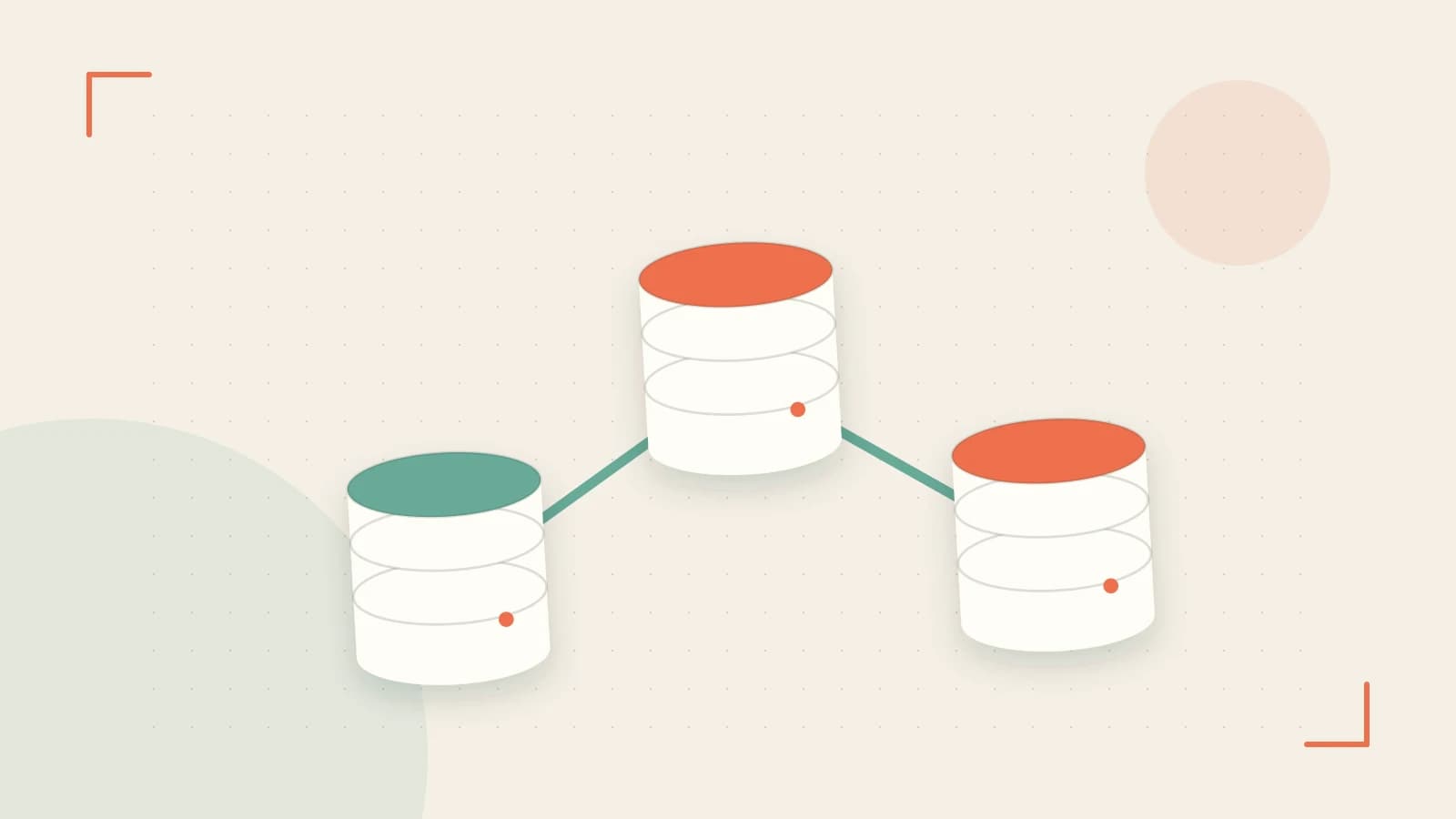
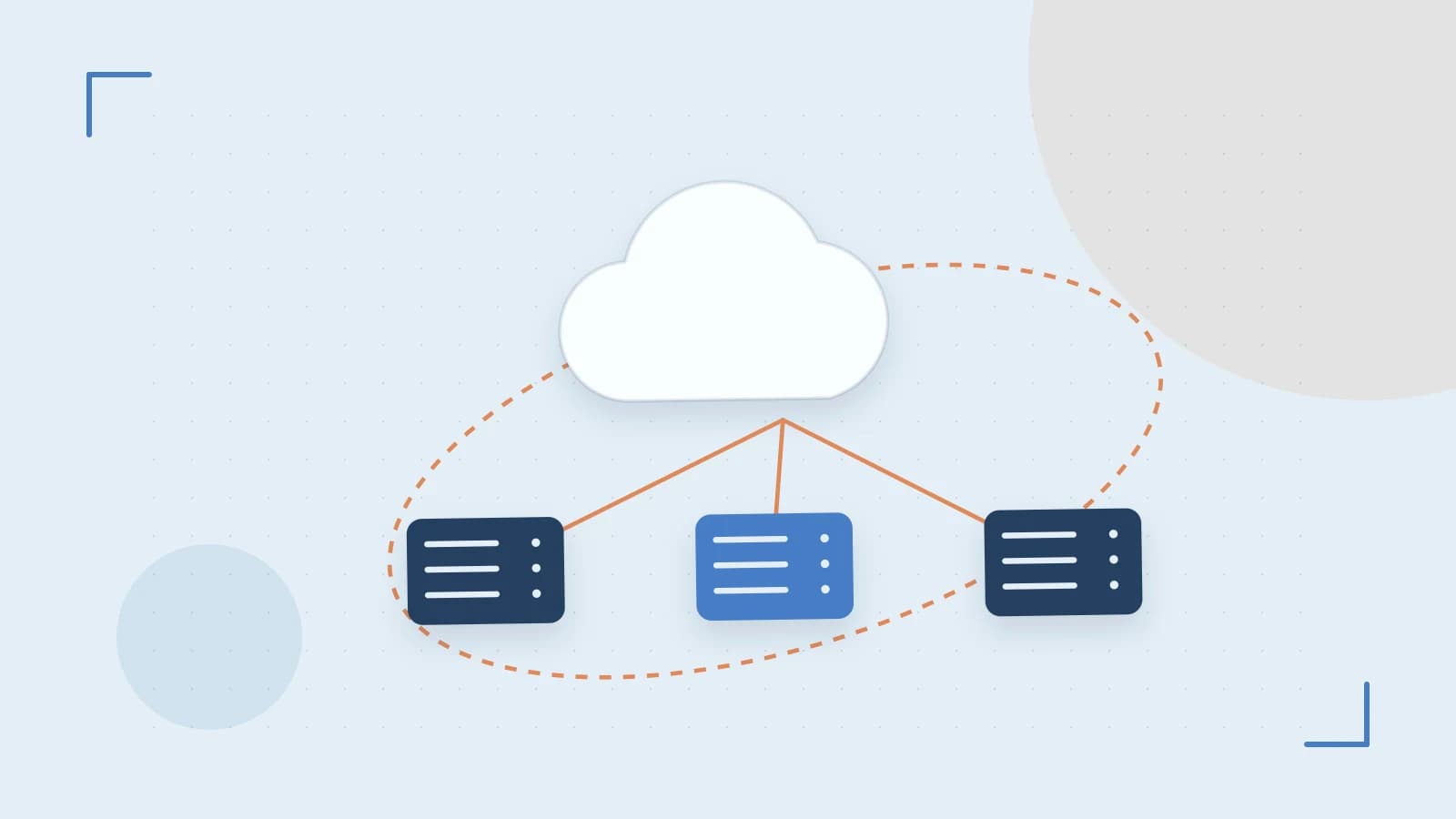
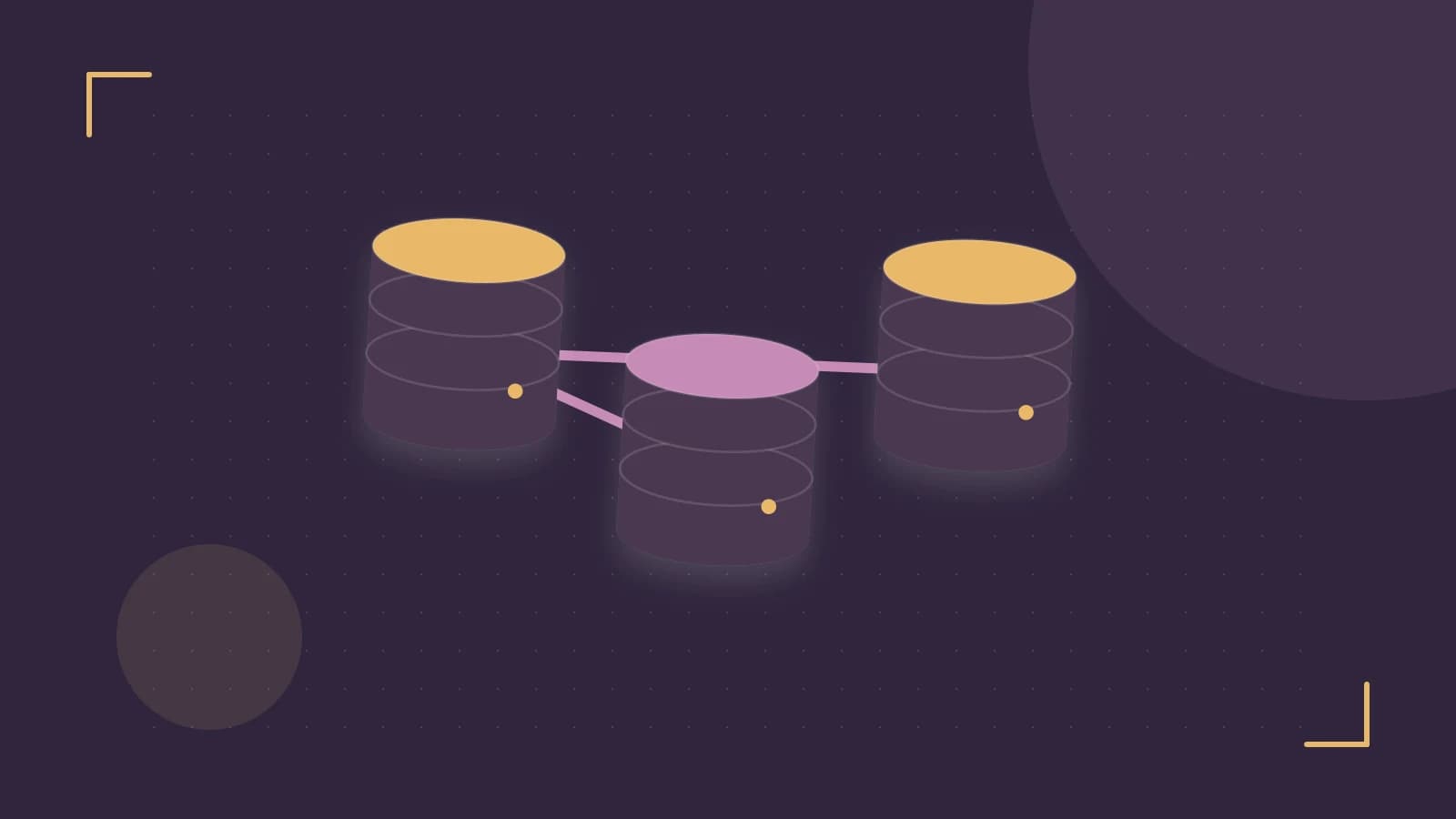
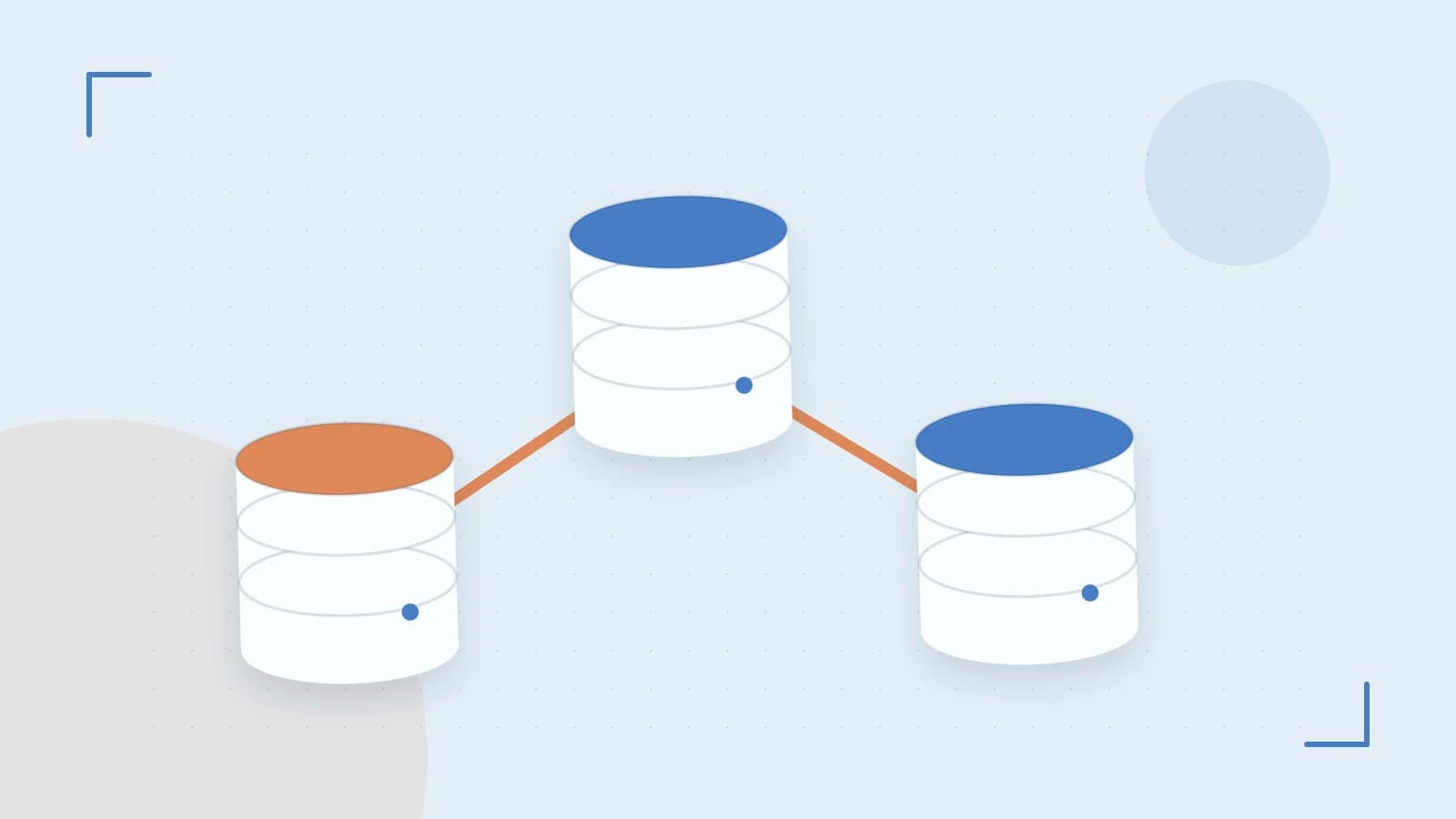
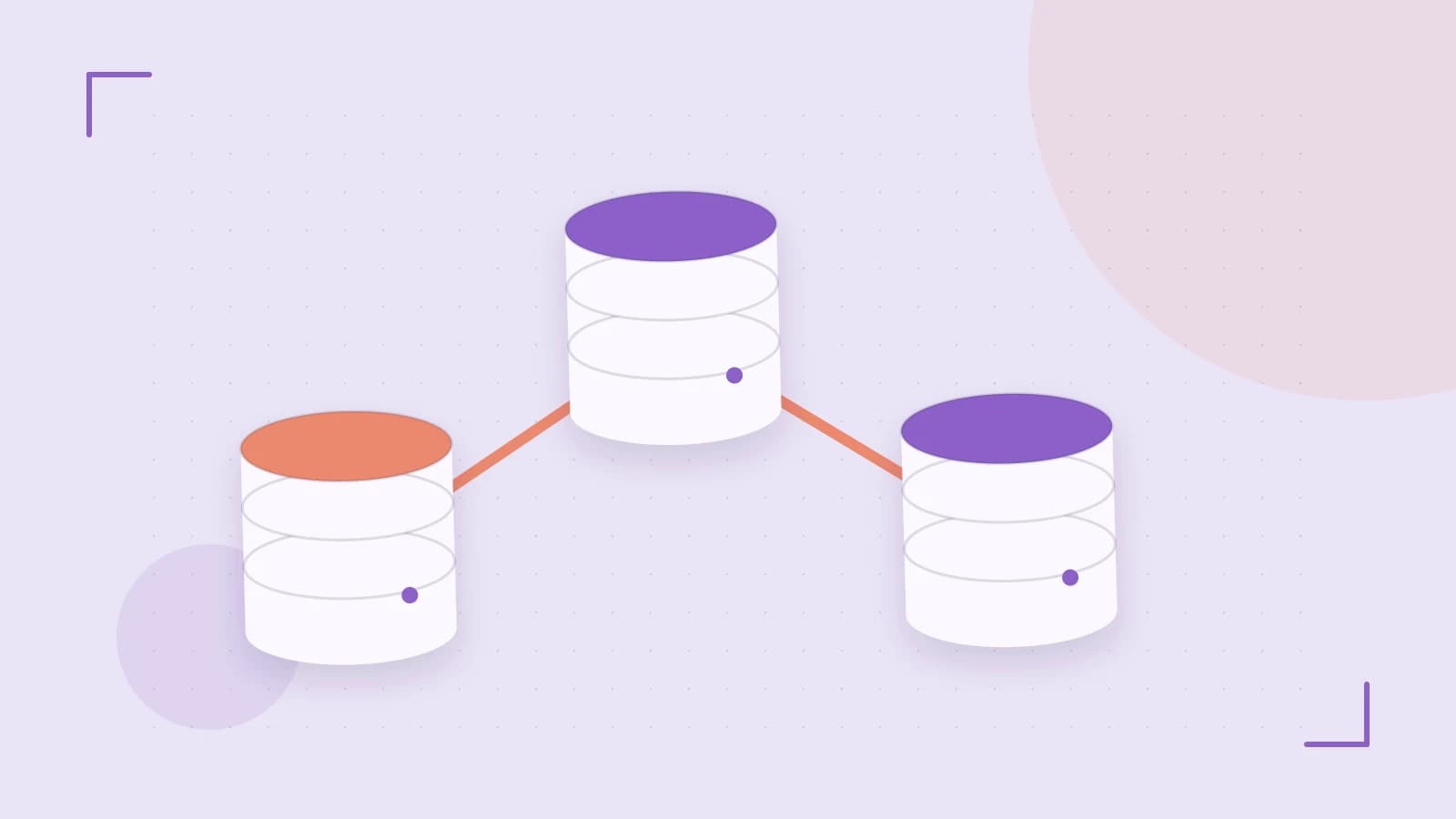
Hyperscale decouples compute from storage, enabling near-instant vertical scaling and high log-rate throughput for large Azure SQL workloads.
17 Mar 2026, 17:31 UTC
ReadMeFeed / Community knowledge
Practical guides, fresh perspectives and ideas worth trying.
Hyperscale decouples compute from storage, enabling near-instant vertical scaling and high log-rate throughput for large Azure SQL workloads.
NPSS off-design convergence failures are usually solver pairing problems, not cycle problems. How to match independent variables to dependent conditions, seed initial guesses, and verify results for a turbofan cycle.
A decision guide for Perl exception handling: compare eval/die, Try::Tiny, and the core try/catch feature, then validate your choice with a destructor-unwinding test.
Learn how Redux Toolkit's createSlice cuts Redux boilerplate, uses Immer for immutable updates, and simplifies React state management with a practical todo-list example.
WebStorm's built-in HTTP Client lets you write .http files, run requests, and commit them to git. It is not a full Postman replacement, but for quick API checks it is often enough.
Learn how NuGet lock files enable deterministic package restores, see a concrete example with dotnet CLI, and understand the trade‑offs of using locked mode.
The APL rank operator (⍤) lets you apply functions to specific array cells by rank—rows, columns, or higher‑dimensional slices—without writing explicit loops.
Learn how Astro’s client:load directive hydrates a component immediately after the page loads, with a concrete React example, limits, and common pitfalls.
TortoiseGit's Revision Graph visualizes commit history, lets you filter and navigate, and enables actions like cherry‑pick, rebase, and bisect directly from the UI.
Filament v3 tables default to simple pagination with COUNT(*) queries. For tables beyond 50k rows, cursor pagination eliminates deep-offset scans but removes page numbers and total counts. Custom pagination handles composite sort keys. This guide compares all three with validation steps.
Step‑by‑step guide to enable zero‑copy buffer sharing in OpenCL using CL_MEM_USE_HOST_PTR, including allocation, synchronization, verification, and cleanup.
Pairing OpenTelemetry Collector's batch processor with the memory limiter lets you scale telemetry throughput without OOM kills or dropped spans. The key: memory limiter first, batch second, and sizing both against your backend's actual limits.
ARC handles retain/release for you, but ownership qualifiers are still your decision. A practical rule for __weak vs __strong, a safe delegate example, the weak-strong dance for blocks, and how to verify with Instruments.
Phalcon saves each model in its own implicit transaction, which breaks multi-model operations like orders with line items. Here's how to wrap them in one explicit transaction, verify rollback works, and avoid the common pitfalls.
A decision guide for Spark broadcast joins: when the small side is small enough, how to tune autoBroadcastJoinThreshold safely, and how to verify the plan actually changed.
A diagnostic guide to memcached LRU eviction problems: how to confirm the condition with stats counters, isolate capacity, TTL, item-size, and slab causes, and apply the right fix.
qTest's filterable test run history lets you slice execution data by status, assignee, and custom fields — then bulk-update and export exactly that slice. Here's how to use it without tripping over permissions or stale exports.
Oh My Zsh only loads plugins listed in your plugins array — which means a bloated, inherited config is costing you startup time for nothing. Here's how to audit, measure, and trim it.
Confluence page restrictions can only narrow what space permissions already allow. How the two layers interact, a worked configuration, and the places restricted content still leaks.
Create a scoped PyCharm Live Template for Python property boilerplate. Learn how to configure abbreviation, variables and scope, plus limits and common mistakes to avoid.
pnpm's symlink-based node_modules makes phantom dependencies fail fast. This post explains the isolated layout, how to verify it locally, and the tooling trade-offs of strict resolution.
A diagnostic guide for Akka Cluster Sharding entities that never receive messages: registration gaps, passivation recovery failures, serializer mismatches, and how to verify each fix.
Podman rootless mode lets you run daemon-less containers as a normal user with user namespaces and systemd integration, but it limits host device and privileged port access. Learn how to verify rootless operation and make services persistent.
A quick guide to switchMap, mergeMap, concatMap, and exhaustMap with concrete examples for autocomplete, retries, and ordered writes.
How to model polymorphic request and response bodies in OpenAPI 3.x using oneOf with a discriminator: a worked Pet/Cat/Dog schema, why the mapping table and required property matter, and the pitfalls that break validators and generators.
Learn how to mount a LiveView, handle state, and prepare for high‑traffic production with Phoenix 1.7+. The guide covers prerequisites, a step‑by‑step setup, debugging tips, and recovery strategies.
Learn how to load external Python packages in the browser using PyScript’s <code><py-config></code> tag, with a hands‑on example, performance trade‑offs, and a practical checklist for production.
A decision guide for enabling Scalingo Review Apps: compare manual vs automated setup, understand trade‑offs, and follow a concrete implementation with validation steps.
Learn how Waku Relay v2 uses SHA‑256 hashes and a Bloom filter to drop duplicate messages, saving bandwidth while preserving privacy guarantees that make Waku suitable for decentralized messaging.
Learn how to declare, initialize, and use a C11 _Atomic integer as a lock‑free counter, with compile commands, verification steps, and fallback options.
Minitab’s Assistant now lets engineers run Johnson‑transformed capability analyses on non‑normal data. Learn the step‑by‑step workflow, see a concrete example, and understand the trade‑offs before you run your own study.
A diagnostic guide for React Router v6 nested routes where parent components render but child routes stay invisible — covering missing Outlet, route config structure, path splats, conditional rendering traps, and escalation steps.
Learn how to create, enable, and troubleshoot OpenRC services on ArtixLinux with a concrete SSH daemon example, plus common pitfalls and verification steps.
ClickHouse MergeTree TTL automates data expiration and tiered storage without external jobs. Define TTL clauses at table creation to delete or move partitions based on a DateTime column, align partitioning for efficient drops, and monitor merges via system tables.
Use Redis TTL (EX/PX) together with a volatile eviction policy to automatically expire stale cache entries and keep memory usage predictable.
NHibernate Future Queries batch multiple reads into a single database round trip. This post shows the API, a concrete dashboard example, driver behavior differences, and the limits you'll hit with stateless sessions, parameter caps, and all-or-nothing error handling.
An architecture note for implementing Apache mod_deflate: covers minimal server-scoped configuration, trust boundaries, operational verification, and failure modes.
Unix fork-exec preserves file descriptors by design, which can lead to security leaks. Learn how to use FD_CLOEXEC and strace to manage descriptor inheritance and prevent resource leakage.
Learn how to stop GPU starvation in TensorFlow by implementing tf.data prefetching and parallel interleaving to overlap data preprocessing with model execution.
An architecture note on Blazor Server's cascading authentication state: why the circuit is the real trust boundary, how AuthorizeView fits in, and the reconnection-after-token-expiry failure mode most designs miss.
Stop chasing 'undefined' variables in your API tests. Learn how Postman's variable hierarchy works and how to properly inject environment secrets in CI/CD to eliminate flakiness.
Learn how React Navigation's useFocusEffect hook lets you start and stop subscriptions, animations, or data fetching exactly when a screen gains or loses focus, with a concrete NetInfo example and tips to avoid common pitfalls.
Learn how to manage server-side state in Reflex using rx.State, optimize performance with @rx.var, and handle long-running tasks with async generators.
v-img fails silently: no image, no placeholder, sometimes zero height. A five-minute diagnostic path — Network tab, Vue DevTools props, computed size — plus fixes tied to each finding.
Learn how to add a track by expression to AngularJS ng-repeat to reuse DOM nodes and avoid costly rebuilds when large lists change.
Use PUBLIC, PRIVATE, and INTERFACE on targets instead of global commands so CMake propagates include paths and link dependencies transitively and correctly.
Replace nested conditionals with declarative case/in patterns when processing varied webhook payloads in Ruby 3.x.
Allocating a new Rect inside onTouchEvent or onDraw creates needless GC churn. Here's the field-caching pattern, where to invalidate it, and the mutability traps to avoid.
PostgreSQL partial indexes index only rows matching a WHERE predicate, shrinking index size and cutting write overhead for skewed data. Covers syntax, planner rules, unique soft-delete constraints, monitoring, and pitfalls.
Flaky nodemon restarts usually come from atomic editor writes, missing debounce, and bad ignore globs. Here's how to fix all three with chokidar, delay, and correct patterns.