Architecting High Availability with DigitalOcean Managed MongoDB
Learn how to implement a high-availability MongoDB architecture on DigitalOcean using a 2-node managed cluster and VPC isolation to eliminate single points of failure.
11 Aug 2025, 02:59 UTC
The Availability Gap in Small-Scale MongoDB Deployments
For small-scale applications, the primary risk is not total data loss, but unplanned downtime caused by single-node failures. While a standalone MongoDB installation on a single Droplet is cost-effective, it creates a single point of failure. The goal is to implement a design that ensures automatic failover and data redundancy without the operational overhead of managing a manual replica set.
The Smallest Suitable Production Design
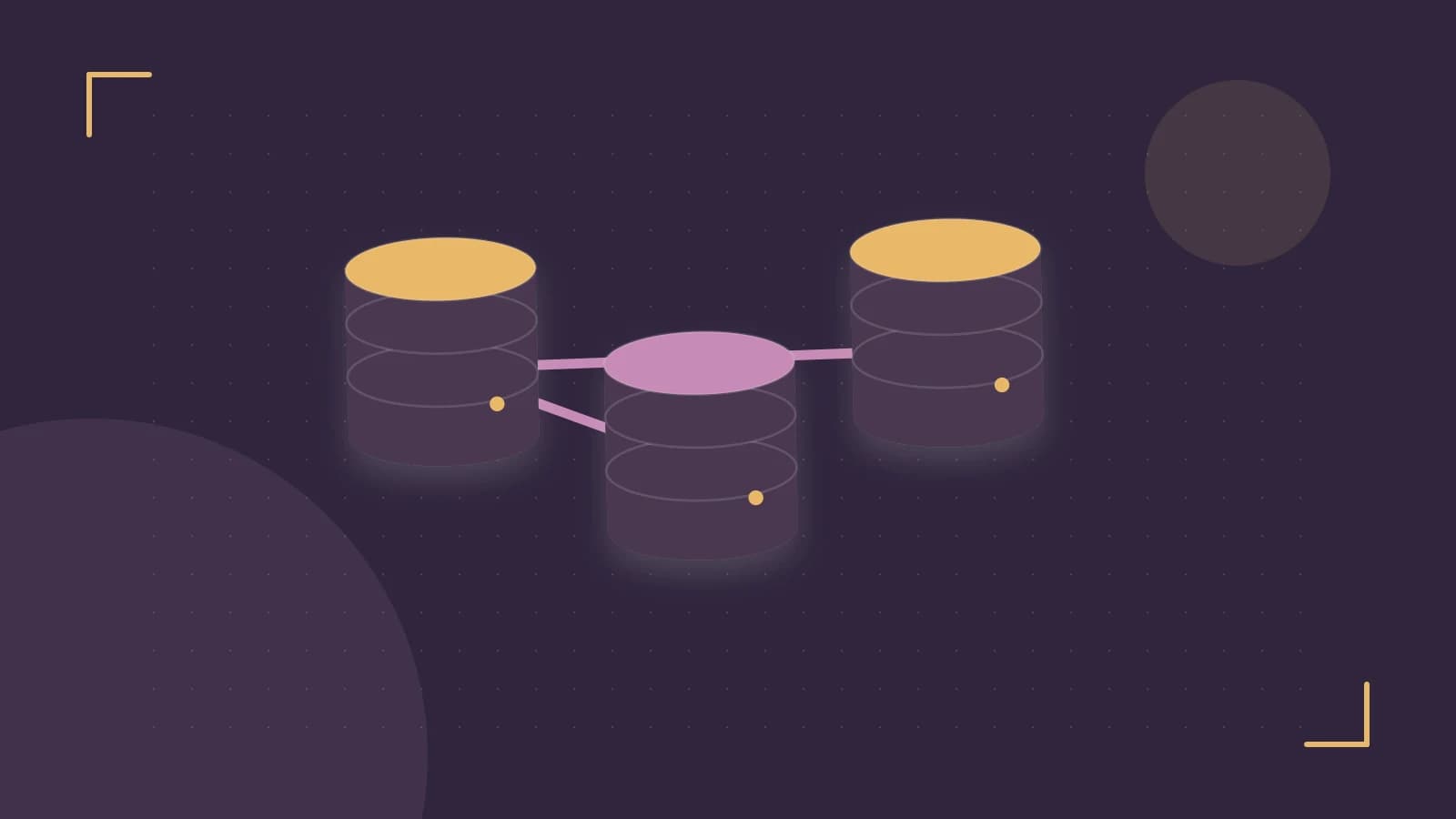
To achieve High Availability (HA) while minimizing costs, the smallest viable architecture is a Managed MongoDB Cluster with a 2-node configuration. In this setup, DigitalOcean manages the primary node (handling all writes) and a secondary node (replicating data from the primary).
This design eliminates the need for manual configuration of mongod.conf or the orchestration of heartbeat signals between nodes. The managed service handles the election process: if the primary node becomes unresponsive, the secondary is promoted to primary automatically.
Trust and Data Boundaries
Exposing a database to the public internet via IP whitelisting is a fragile security model. The recommended boundary is a Virtual Private Cloud (VPC).
- Network Isolation: The MongoDB cluster must be assigned to a specific VPC. Only Droplets residing within that same VPC can initiate a connection.
- Access Control: Use the provided connection string with TLS/SSL enabled. This ensures that data in transit between your application server and the database is encrypted.
- Authentication: Use the generated administrative user and password, rotating them periodically via the DigitalOcean Control Panel.
Operational Checks and Monitoring
Because the underlying infrastructure is abstracted, operational health is monitored via the DigitalOcean dashboard and API. Key metrics to track include:
| Metric | Critical Threshold | Action |
|---|---|---|
| CPU Utilization | > 80% sustained | Scale up instance size (Vertical Scaling) |
| RAM Usage | Approaching limit | Optimize indexes or increase RAM |
| Disk Space | < 20% remaining | Increase storage volume to avoid read-only mode |
Failure Modes and Recovery
Understanding how the system fails is critical for setting application-level timeouts.
- Primary Node Crash: When the primary fails, the system triggers an election. During this window (typically seconds), the database is in read-only mode. Your application must be configured to handle
WriteConflictor connection timeout errors during this transition. - Replication Lag: In read-heavy workloads where you query the secondary node, you may encounter "stale data" if the secondary has not yet applied the latest writes from the primary.
- VPC Misconfiguration: If a Droplet is moved to a different VPC or the VPC is deleted, the database becomes unreachable regardless of correct credentials.
Implementation Example: Connection Validation
To verify that your trust boundaries are functioning, run a connection test from a Droplet outside the designated VPC. Use the mongosh (MongoDB Shell) tool.
# Run this from a Droplet NOT in the database VPC
# Replace [HOST] and [PORT] with your cluster details
# Required permissions: Outbound network access on port 27017

mongosh "mongodb+srv://[USER]:[PASSWORD]@[HOST]/[DATABASE]?replicaSet=sg-1&authSource=admin"
Expected Result: The connection should time out or be rejected. If the connection succeeds, your VPC isolation is not configured correctly, and the database is exposed to the public internet.
Conditions for Design Evolution
The 2-node VPC design is sufficient until the following conditions are met:
- Read Scaling: If read latency increases despite indexing, add additional read-only nodes to distribute the load.
- Strict Consistency: If your application cannot tolerate replication lag, you must shift all reads to the primary node, which may necessitate a larger instance size.
- Regional Redundancy: The current design protects against node failure, not regional outages. For disaster recovery across different geographic areas, a multi-region strategy (outside the scope of a single Managed Database cluster) is required.
Rollback Procedure
Since this is a managed service, "rollback" refers to reverting configuration changes:
- VPC Changes: If a VPC migration causes connectivity loss, revert the Droplet to its original VPC via the Networking tab in the Control Panel.
- Scaling: If a vertical scale-up causes unexpected cost spikes without performance gains, scale down to the previous tier (note: this may cause a brief period of unavailability during the resize).
 mongodb
 digitalocean
0 replies
A thoughtful contribution can make all the difference. Be the first to share one.