Using MySQL Covering Indexes to Cut Disk I/O on Read‑Heavy Tables
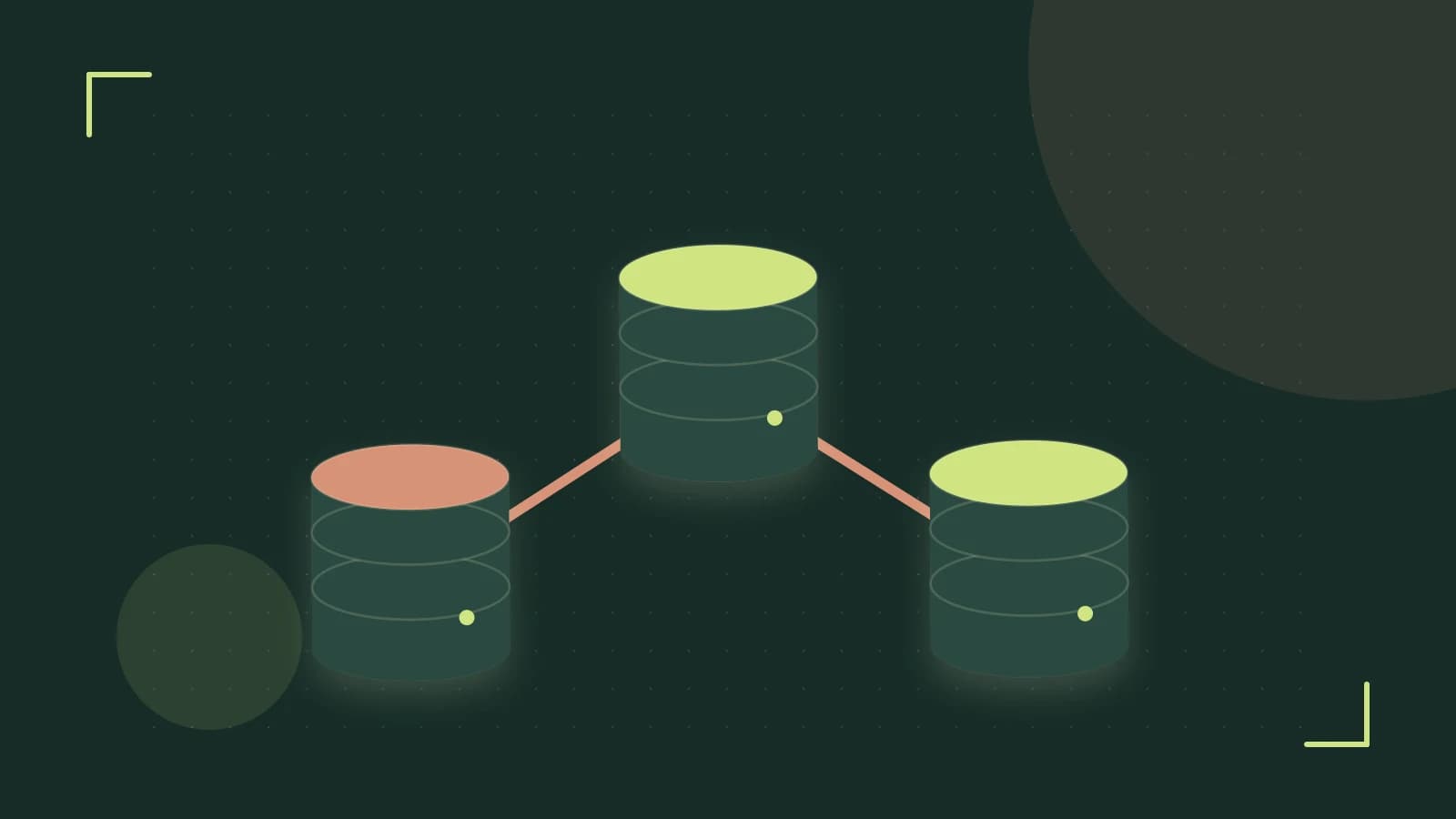
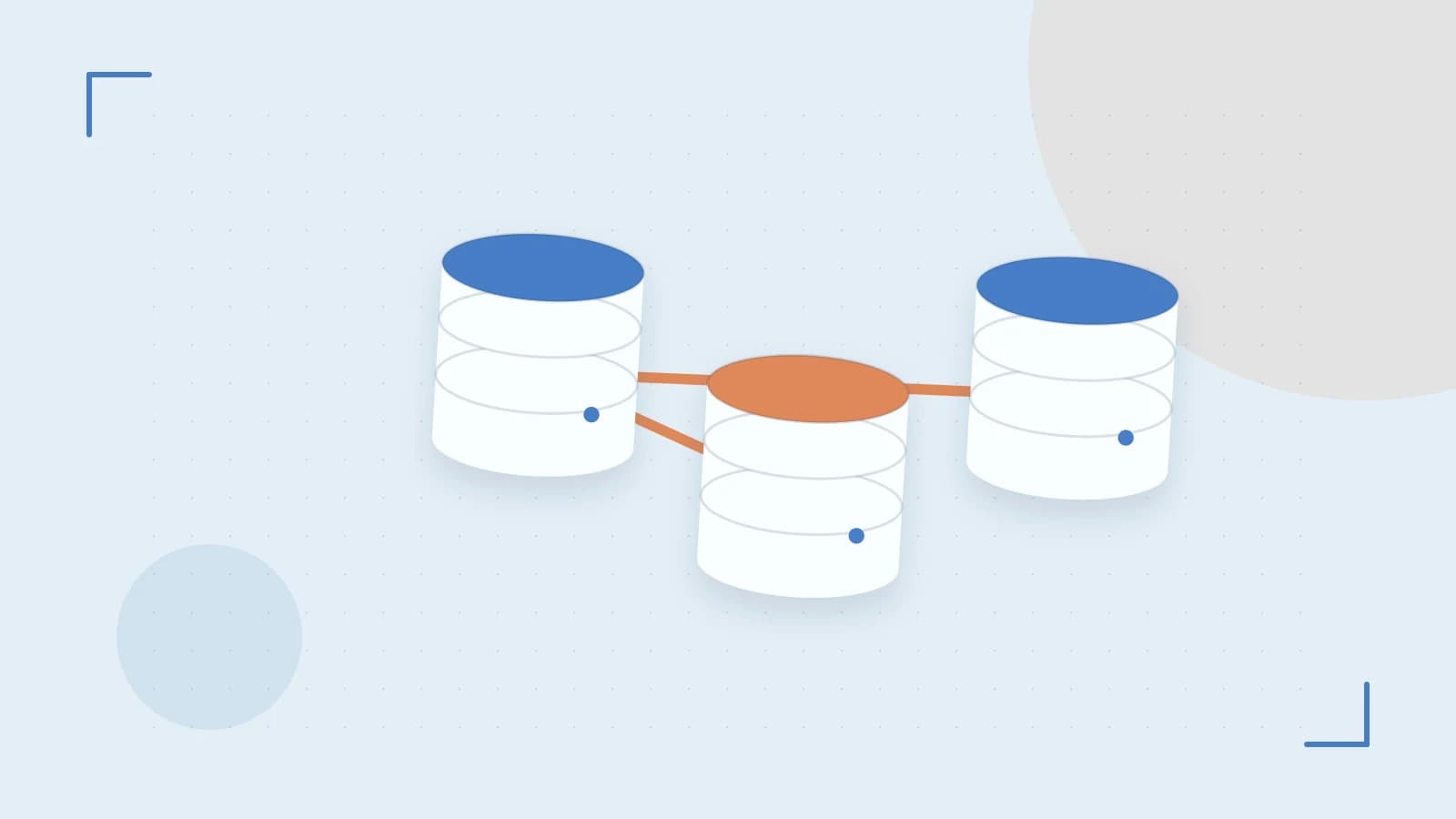
Learn how MySQL covering indexes let queries read data directly from the index tree, cutting disk I/O, and see the trade‑offs in size and write performance.
11 Jul 2025, 20:38 UTC
ReadMeFeed / Community knowledge
Practical guides, fresh perspectives and ideas worth trying.
Learn how MySQL covering indexes let queries read data directly from the index tree, cutting disk I/O, and see the trade‑offs in size and write performance.
When defining a Mongoose schema, decide between built‑in validators and custom functions. This guide compares options, explains trade‑offs, and provides a concrete example with performance checks.
Quarkus dev mode lets you edit Java, templates, or config and see changes instantly. Learn how it works, a concrete example, and the trade‑offs to keep in mind.
Learn how to choose between VU-based and Arrival Rate executors in k6 to ensure your load tests accurately simulate user behavior and system throughput.
Learn how to diagnose and fix IE10 rendering issues caused by Compatibility View using X-UA-Compatible headers and meta tags to force Standards Mode.
Stop copying and pasting node sequences in Node-RED. Learn how to use Subflows to encapsulate repeated logic, centralize updates, and reduce flow sprawl for more maintainable automations.
A step‑by‑step guide to generating 1×/2×/3× PNG, SVG, PDF, and JPG assets from one Illustrator file using Export for Screens, with verification checks, common pitfalls, and an optional automation script.
Gulp 4 replaces implicit task arrays with explicit series() and parallel() composition, making build pipelines readable, testable, and free of hidden ordering bugs.
Learn how JetBrains Gateway separates the IDE frontend from the remote backend to enable large-scale code development without taxing local hardware resources.
ISR solves the Jamstack build-time bottleneck by updating static pages on-demand without full rebuilds. Learn how stale-while-revalidate works, see a Next.js implementation, and understand the hosting and resource trade-offs.
Learn how Groovy closures capture lexical scope and use the delegate property to build DSLs. This guide covers variable reference behavior, resolve strategies, and performance trade-offs.
Learn when to replace many Three.js Mesh objects with a single InstancedMesh to cut draw calls, lower memory usage, and keep frame rates high.
Architecture note for DigitalOcean Managed PostgreSQL high availability: primary-standby design, trust boundaries, monitoring checks, failure modes, and redesign triggers.
Learn how Grails GORM dynamic finders let you replace boilerplate HQL with concise, readable service methods while understanding their limits and refactoring risks.
Use Mercurial's hg-evolve extension and obsolescence markers to amend pushed commits without breaking teammates' checkouts.
Implement LinkedIn’s OAuth 2.0 Authorization Code Flow with PKCE to secure mobile authentication without a client secret. Learn the step‑by‑step flow, a Node.js example, token rotation, rate limits, and actionable next steps.
Choosing the right Jaeger sampling strategy balances trace fidelity, latency, and storage. This guide compares probabilistic, rate‑limiting, and adaptive samplers, outlines constraints, and shows how to configure and validate each in production.
When a Xamarin.Forms Shell app opens from a custom scheme or Universal Link but lands on the wrong page or throws a route error, this guide shows a step‑by‑step diagnostic process—route registration, intent‑filter, platform checks, and how to verify each step.
Google Colab's custom container runtime lets you bring your own Docker image with pinned CUDA, Python, and library versions. This post walks through the image requirements, a minimal Dockerfile example, GPU passthrough, secrets, persistence, and the free-tier limits you'll hit in practice.
ClojureScript's :advanced compilation can shrink a Reagent app from 180 KB to 45 KB gzipped, but only if you describe every external JavaScript dependency in externs files. This post shows the size gains, the externs pitfall, and a practical CI profile strategy.
An architecture decision guide for Discloud: maps the PaaS's hard constraints—ephemeral storage, single-region hosting, vertical-only scaling, no SLA—to concrete engineering requirements so you can decide before committing code.
Eleventy's data cascade lets you define configuration once at the global level, override per directory, and fine-tune per template—without custom plugins. Here's how the four layers merge, where arrays replace instead of concatenate, and how to debug with --dry-run --output=json.
Learn how Jest’s manual mocking lets you replace real modules with controlled stand‑ins, why it’s useful, how to set it up inline or via a __mocks__ folder, and what pitfalls to watch for. A concrete example and practical checklist help you apply this feature confidently.
When Hugo’s minify pipeline doesn’t compress CSS or JS, the problem usually lies in config settings, asset paths, or environment. This guide walks through a concise diagnostic table, ordered checks, fixes, and escalation steps to get your assets minified again.
Stop duplicating authentication and validation logic in your Express routes. Learn how to implement custom middleware to handle cross‑cutting concerns and keep your handlers lean.
Learn how to use Adobe Illustrator’s Blend Tool to create smooth shape transitions, keep file size in check, and avoid export pitfalls. This guide walks through a concrete example, performance tips, and actionable best practices.
Configure CPU and memory limits for systemd services using Linux cgroups v2. Verify the unified hierarchy, create a slice, assign services, and monitor usage with systemd-cgtop.
Diagnose and resolve slow I/O and long mount times in Vagrant VirtualBox synced folders using version checks, baseline speed tests, and NFS/SMB migrations.
Learn how to add a custom show method for your own types using Julia’s multiple dispatch, and understand the compile‑time trade‑offs involved.
Learn how to implement non‑blocking file reads in Vala using async/await with a GLib main loop, including compile steps, error handling and verification.
A step‑by‑step guide to identify, diagnose, and fix 'Cannot read property … of undefined' errors by using Lodash’s _.get safely.
Learn how to use git bisect to pinpoint the exact commit that introduced a regression, with a concrete example, automation tips, and key limitations.
Learn how to embed flowcharts directly in LaTeX using the TikZ package, keeping diagram source alongside your text for version‑consistent, compile‑ready graphics.
Learn why pushing to an array or updating a nested object bound to @State or @Prop does not trigger a re‑render, and follow a step‑by‑step checklist to confirm the cause, apply immutable updates, and escalate when needed.
Explore how Homebrew uses Ruby-based Formulae and the Cellar architecture to handle complex macOS dependencies without requiring root permissions.
A decision guide for distributed Memcached caching: compare client-side hashing with centralized lookup, understand durability trade-offs, and validate key distribution before rollout.
Learn how to use Babel’s optional‑chaining plugin to transpile modern ?. syntax into ES5-compatible code. Step‑by‑step guide, prerequisites, expected checks and recovery options included.
A diagnostic guide for CentOS administrators to resolve /var/log disk exhaustion, focusing on systemd-journald vacuuming and permanent storage capping.
Stop fighting single-file sandboxes. Learn how to use CodePen Projects to create multi-file directory structures, manage assets, and build production-ready frontend prototypes.
Learn how Zustand’s selector‑based subscriptions and shallow equality can cut unnecessary renders in React components, with a concrete example and best‑practice checklist.
Architecture note for Twitter API v2 filtered stream: requirements, minimal HTTP/2 design, trust boundaries, operational checks, failure modes, and conditions that would change the design.
CLion derives its project model directly from CMakeLists.txt, so navigation and builds stay in sync. See how toolchain profiles and a two-target example work in practice.
A decision guide for Playwright authentication persistence: use storageState for 90% faster auth reuse across parallel workers, with per-worker files, session validation, and hybrid fallback for multi-role tests. Includes globalSetup implementation, debugging traces, and CI artifact handling.
Use Codecov Flags to track unit, integration, and per-language coverage independently in a single repo. Includes a complete codecov.yml and CI example with per-flag thresholds and PR comment output.
TheAlgorithms repository coordinates 30+ language implementations through per-language CI pipelines, mandatory test files, and a sponsorship gate for new languages. This guide walks through the directory structure, contribution workflow, and practical limits.
Learn how to use Ant Design’s Form and useForm hook to create maintainable, dynamic fields—complete with a working code example, validation tips, and performance considerations.
Stop fighting Plotly Express arguments. Use Graph Objects to add threshold lines, custom hover metadata, and granular trace control.
Learn how to use the CodeIgniter 4 Query Builder to prevent SQL injection and create database-agnostic queries through automatic escaping and method chaining.
The 'use client' directive in Next.js is a serialization boundary, not a toggle. Learn how to isolate interactivity to client islands while keeping data fetching on the server to reduce bundle size.
A technical decision guide comparing Swift Package Manager (SPM) and CocoaPods for Xcode projects, focusing on integration, project structure, and migration risks.