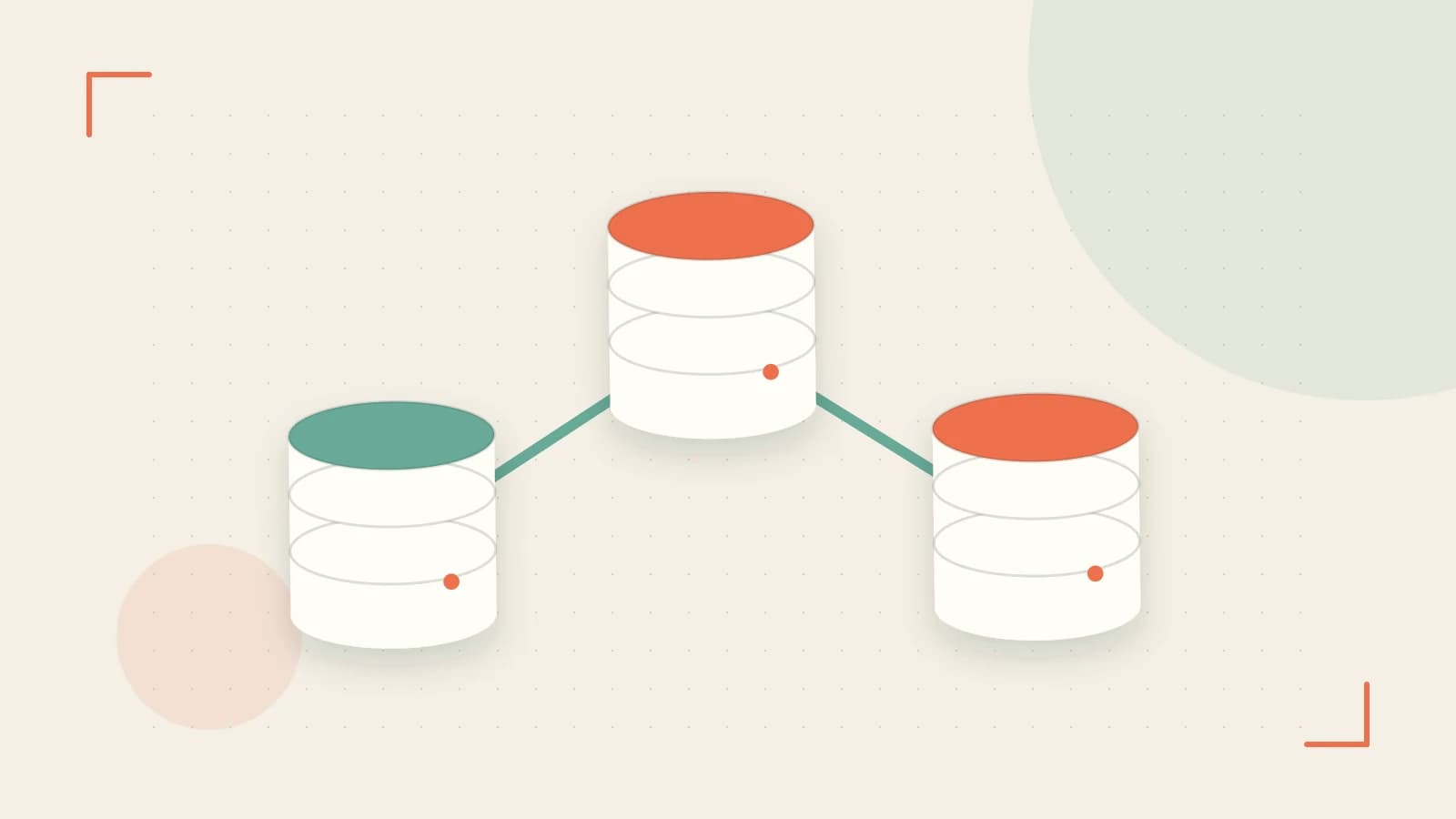
Colab VMs are ephemeral; local /content is wiped on disconnect. drive.mount() maps Google Drive to /content/drive for persistent storage. This architecture note covers requirements, trust boundaries, operational checks, failure modes, and when to change design.
Your Gitpod workspace runs init in the foreground because the prebuild didn't run, failed, or doesn't match your commit. Here's how to diagnose which, fix it, and verify the fix.
Duplicate HTTP calls in component‑heavy UIs can be eliminated with RxJS shareReplay. Learn how the default refCount in RxJS 7 affects stream lifetime, the trade‑offs of buffer size, and a concrete Angular service example that caches user data efficiently.
Stop hand‑coding JavaFX boilerplate. NetBeans' Scene Builder plugin gives you a drag‑and‑drop FXML editor inside the IDE — set it up, bind a login form to a bean, and ship UI prototypes faster.
Upgrade a production NixOS server safely by leveraging atomic generations. Learn the step‑by‑step process, a useful example, and the trade‑offs that come with NixOS's declarative system.
Enable THP on Linux to reduce TLB misses for large allocations. The article shows how to set the global state, use per‑process madvise, monitor usage, and avoid common pitfalls.
A diagnostic guide to fixing ContentLoadException in MonoGame by auditing the MGCB pipeline, verifying .xnb missing files, and resolving case‑sensitivity issues across platforms.
When a Cloudflare Worker needs mutable state, pick the right storage: KV for global, eventually consistent caching; Durable Objects for strong consistency, low‑latency per‑instance state. This guide compares options, explains trade‑offs, and shows a concrete example with validation steps.
Use Haxe’s #if directives to prune platform‑specific code, eliminating dead code and runtime checks. A concrete logger example shows how to compile clean outputs for JS, C++, and other targets.
Learn how to create separate Framework7 Views to keep navigation stacks independent in tabbed or split‑screen layouts, with a worked example and pitfalls to avoid.
Stop wasting RAM on idle VMs. Learn how to use Hyper-V Dynamic Memory to increase VM density and automatically scale resources based on real-time demand.
ARMv8.3 Pointer Authentication signs return addresses with a per-process key so corrupted returns fault instead of redirecting execution. This note covers the minimal compiler-flag design, trust boundaries, verification tests, and failure modes.
Create BigQuery ingestion-time partitioned tables with DDL or the bq CLI, query them with the _PARTITIONTIME pseudo column, and verify partition pruning actually reduces bytes scanned.
Kaggle's free GPU comes with a 9-hour session cap, a shared weekly quota, and an environment that resets on disconnect. Here's how to decide when the GPU is worth it and how to design notebooks that survive the limits.
Learn how to paginate Knockout observable arrays efficiently while still using $index for row‑level logic. This blog covers computed slicing, splice‑based paging, virtualization trade‑offs, and a complete worked example you can drop into a project.
Learn how to declare, allocate, use, and safely deallocate Fortran allocatable arrays, with a complete example, common pitfalls, and verification steps.
Protect browser forms with CakePHP CSRF while keeping stateless API routes token-free. A minimal design uses CsrfProtectionMiddleware after SessionMiddleware, excludes /api/*, and relies on FormHelper for tokens.
Decide between Symfony's global form themes and manual Twig rendering to balance development speed with design precision. Learn how to override blocks for consistent UI.
When choosing between Alloy XML views and imperative JavaScript in Appcelerator Titanium this blog walks a concrete pattern trade-offs and how to verify on target SDKs.
Fixed cy.wait() calls make Cypress suites slow and still flaky. Retry-ability, network aliases, and retrying assertions replace guesswork with deterministic waiting.
Dynatrace's OneAgent auto-instruments services and stitches PurePath traces across tiers. Here's how the model works, a reproducible demo, and the trade-off versus OpenTelemetry.
Untagged Clarity replays drown in traffic. Tag sessions by feature flag at load time to filter recordings, heatmaps and rage clicks to the cohort you actually changed.
When a Consul‑registered service shows a critical status even though its process is running, the issue is almost always a connectivity or configuration problem. This guide walks through the most common root causes, shows how to verify each, and lists concrete fixes and escalation steps.
Hoppscotch’s Batch Request lets you group multiple API calls, share data between them, and export a single JSON of all results. Follow this step‑by‑step guide, see a concrete example, learn trade‑offs, and get actionable next steps.
Dropwizard services rely on JDBC connection pools. This guide compares HikariCP, Apache DBCP, and C3P0, explains trade‑offs, and shows a concrete HikariCP configuration with validation steps.
Offload slow side work from ASP.NET Core endpoints using a bounded System.Threading.Channels queue and a BackgroundService worker — with the DI lifetime traps, graceful shutdown checks, and durability limits explained.
AlmaLinux rebuilds RHEL source RPMs for binary compatibility. Here's what that guarantee covers, how to verify it yourself, and where the rebuild lag shifts risk to you.
An architecture note on auto-instrumenting Spring Boot with the Datadog Java APM agent: minimal design, PII and agent-conflict boundaries, verification checks, and when to switch to manual spans.
Set up CircleCI dependency caching with lockfile checksum keys, prefix fallbacks, and a verification routine that confirms cache hits and real time savings.
A decision guide for Talos operators on how to apply per-node customizations without rebuilding images. Compares conditions, MachineConfigPatch, and per-node configs, with trade-offs and a validation pattern using talosctl.
Automation that is invisible when it breaks creates more work than it saves. Keep Jira Automation Rules small, tightly scoped, and observable with Rule History and Audit Log.
k3OS uses a cloud‑init‑style config.yaml to turn a bare‑metal node into a fully unattended, Kubernetes‑managed machine. This post shows how to supply the file, a working example, and the trade‑offs of using an archived distribution.
When a Travis CI pipeline fails, missing or misconfigured environment variables are a common culprit—especially in multi‑job setups. This guide walks through the symptoms, diagnostic steps, fixes, and when to ask for help.
Decide whether IBM Cloud Kubernetes Service’s cluster autoscaler or manual node‑pool scaling best fits your workload. Compare cost, performance, and ops overhead, then see a concrete Terraform/CLI example and how to validate the choice.
When Electron launches a BrowserWindow that stays white, the problem can stem from file paths, preload errors, CSP blocks, or native module mismatches. This guide shows how to identify the root cause with webContents events, verify paths, and apply targeted fixes before escalating.
Tired of scripts breaking because of absolute paths or hidden workspace state? Learn how RStudio Projects and the here package isolate directories, standardize options, and integrate Git, making your R workflows reproducible and team‑friendly.
Learn how to convert a data frame to a data.table and compute sums or means of numeric columns grouped by one or more factor variables with the fast .() syntax.
Avoid cache stampedes when scaling Memcached. This guide compares modulo sharding vs. consistent hashing (Ketama/HRW) to minimize key redistribution during cluster changes.
Stop lagging dashboards. Learn how to use Chart.js decimation plugins to render massive time-series datasets efficiently without losing the visual shape of your data.
Stop duplicating YAML across your repositories. Learn how to use GitHub Actions reusable workflows to centralize CI/CD logic, enforce standards, and manage versions safely.
Stop treating Vim like a browser. Learn to decouple buffers from windows to maintain a high-velocity refactoring workflow without the overhead of constantly reopening files.
Discover how the Rank operator ⍤ lets you apply functions to sub‑arrays (cells) of any rank, replace explicit loops, and when it’s worth the overhead. Includes a worked row‑sum example, dyadic rank demo, and common pitfalls to avoid.
Learn how to configure browserslist and import only the core-js polyfills your target browsers actually need, reducing bundle size without sacrificing compatibility.
Vite pre-bundles your dependencies with esbuild at dev-server startup, turning hundreds of module requests into one per package. Here's how it works, how to verify it, and when to tune optimizeDeps.
Optional chaining (?.) and nullish coalescing (??) replace verbose nested null checks with one readable expression — here's how to use them well, and where they bite.