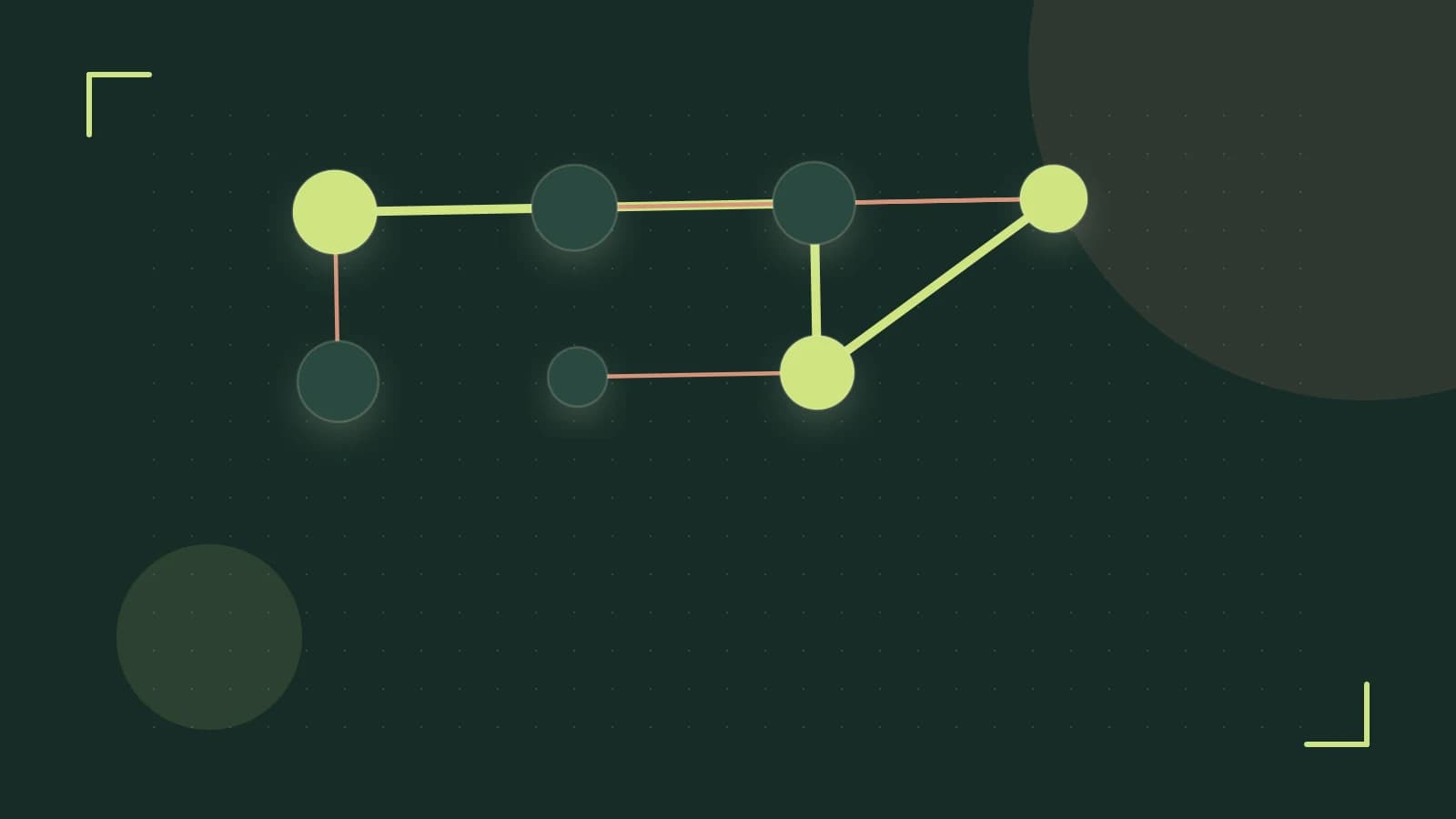
Ecto.Multi models database transactions as explicit, composable data structures instead of callback blocks. This post walks through a registration pipeline, shows how steps share results via an accumulator, and explains why keeping side effects out of the transaction matters.
Puppeteer request interception lets you block images, stylesheets, and fonts before they download. This blog shows a practical pattern for selective loading, with a script and verification steps for fidelity vs speed.
An architecture note on using Hugo page bundles and resource processing to build a marketing site with clear trust boundaries, reproducible builds, and co-located assets.
Sketch stores component overrides as deltas from master definitions, keeping files small and library updates predictable, but deep nesting and many overrides introduce sync and performance trade-offs.
Diagnose why Laravel Jetstream team switching reverts on reload in Inertia apps. Check session persistence, currentTeam middleware, and Inertia shared props to align frontend and server team context.
Stop using boolean flags to manage your UI. Learn how to use QML State Machines to create declarative, maintainable, and animatable interfaces in Qt Quick.
Render your game to a fixed virtual resolution, then scale it to any window size. This guide walks through creating a RenderTarget2D, computing the scale, handling resizing, and mapping input back to game coordinates.
CLion shows 'CMake configuration failed', targets vanish, and indexing stalls — here is how to match the symptom to the cause, fix it, and know when to escalate.
Geo-partitioning in YugabyteDB pins table partitions to regional tablespaces so writes reach consensus locally instead of across oceans — here's the DDL, the verification steps, and the availability trade-off.
Decide between Framework7's standard List View and Virtual List with a compact trade-off table, a working virtualList.create example, and a devtools-based validation plan.
BrowserStack Local lets cloud browsers reach localhost and VPN-only staging without inbound firewall changes. Here's how the tunnel works, how to scope and run it safely in CI, and the constraints to plan around.
Dropwizard's YAML configuration merges multiple files, validates with Bean Validation, and substitutes environment variables — but secrets can leak via the admin endpoint. Learn the merging order, validation hooks, and a practical pattern to keep production configs safe.
Deno's default‑deny model forces you to declare exactly what a CLI may read, write, or connect to. This post shows minimal flags in deno.json, runtime permission requests, and turning denials into deterministic CI checks—while noting path‑based limits.
Your bundle ships 70 KB of Lodash but you use five functions. Diagnose which import pattern is defeating tree-shaking, fix it, and verify with the bundle analyzer.
A diagnostic guide for Zustand v4.x covering stale selectors, hydration mismatches, Immer misuse, TypeScript inference, testing isolation, and subscribe pitfalls — with cause tables, ordered checks, and fixes tied to findings.
Step-by-step guide to enabling ARMv8.5-A Memory Tagging Extension (MTE) in synchronous mode on Linux: hardware/kernel prerequisites, compilation flags, runtime prctl() enablement, verification via SEGV_MTEERR faults, and phased deployment from async CI to synchronous staging.
GoLand's bundled Delve debugger gives you conditional breakpoints, inline variable values, and one-click test debugging that works across multi-module workspaces. Here's how to use them effectively and where they fall short.
Use Drupal Configuration Split with settings.php to layer environment-specific modules on a shared base config. Worked example: dev split for devel and stage_file_proxy, activation per environment, avoiding UUID mismatches and secrets in YAML.
Source Engine's Entity I/O moves gameplay logic into map data via a string-based async event bus. Covers C++ declaration model, Hammer authoring, runtime dispatch, and debugging tools for typos, coercion bugs, and circular loops.
A diagnostic guide for StencilJS Shadow DOM styling failures: missing styles, global CSS leaks, and CSS variable theming issues across output targets. Includes cause tables, ordered checks, fixes, and escalation criteria.
Stack Overflow scales moderation by distributing specialized review queues to reputation‑gated users, using hidden audits and rate limits to keep quality high without central oversight. Learn how to audit the system yourself with a simple SEDE query.
When accessing hardware registers in embedded C, compiler optimizations can silently break your code. The volatile keyword ensures the compiler reads the register each time. This article explains why volatile is essential, shows a GPIO ISR example, and discusses trade‑offs.
Learn how to bypass the CPU during storage I/O using DirectStorage in Windows 11, including hardware requirements, a C++ implementation example, and verification steps.
Stop paying the 'infrastructure tax.' Learn how to decide between traditional RDBMS and modern data spaces to reduce backend boilerplate and operational overhead.
When scaling Kubernetes workloads, you can either increase replica counts with HPA or tune pod resources with VPA. This guide walks through the decision criteria, compares the two autoscalers, and shows how to implement and validate each option in a real cluster.
Learn how to use Thymeleaf's Spring Security dialect to conditionally render UI elements based on authentication and role checks, with a working example, trade‑offs, and actionable steps.
LaTeX's automatic equation numbering and cross-referencing system requires proper label placement and multiple compilation passes to work correctly. Labels must appear after the element they reference, and you need at least two pdflatex runs to resolve all references.
A technical guide on implementing next_token pagination for Twitter API v2, including rate-limit handling and validation strategies to avoid data gaps.
pfSense captive portal can provide guest Wi-Fi sign-in and isolation on a single box, but it is an HTTP redirect gate with clear protocol and UX limits. Here is how to design it, configure a local auth example, and verify the limits.
Use @babel/preset-env with useBuiltIns: "usage" to have Babel inject only the core-js polyfills your code actually uses for the browsers you target, keeping legacy bundles smaller.
A practical diagnostic guide for Erlang/OTP clusters where nodes show nodedown or net_kernel:connect_node timeouts. Covers cookie, EPMD, name resolution, firewall and version checks with matched fixes.
Simulated sensors must mimic real‑world noise; otherwise algorithms that work in Gazebo fail on hardware. Use SDF to shape sensor output before it leaves the simulator.
How to configure ngrok's path-based ingress to route multiple local services through a single public HTTPS tunnel, with verification steps and known limitations.
Learn how Inkscape’s Export area → Selection lets you export only the objects you’ve picked, preserving layout for raster or vector outputs while controlling DPI.
Architecture note on using an S3 backend with native lockfile for Terraform state, covering requirements, trust boundaries, operational checks, failure modes, and when to reconsider the design.
A step-by-step guide to writing, debugging, and safely using Crystal 1.8+ macros for zero-overhead code generation and DSLs — covering AST interpolation, hygiene, {% debug %}, and common pitfalls.
Vyper makes overflow and underflow protection mandatory — no opt-out, no annotations. Here's what that costs in gas, what it buys in auditability, and when the trade-off matters.
Architecture note for integrating Weblate's Git branching and pull-request workflow into CI/CD: minimal design, trust boundaries, operational checks, failure modes, and redesign triggers with a concrete GitHub Actions example.
Terramate's hierarchical globals and code generation eliminate Terraform boilerplate duplication across monorepo stacks. Define backend, provider, and version config once at the root, override per environment or region, and generate consistent HCL files in every stack directory.
When Cucumber reports ‘Undefined steps’ or ‘Could not find glue’, the culprit is often a mis‑configured step definition package. This guide walks through the most common glue errors, how to identify them, and how to resolve them in Cucumber‑JVM 7/8 projects.
Learn how React Suspense can replace manual loading states with declarative UI, see a hands‑on example, understand trade‑offs, and get a quick checklist for production use.
Carbon’s Duration object lets you add, subtract, and compare complex periods in PHP with a single line. Learn how to use it, what pitfalls to watch for, and a practical example that saves you from manual timestamp math.
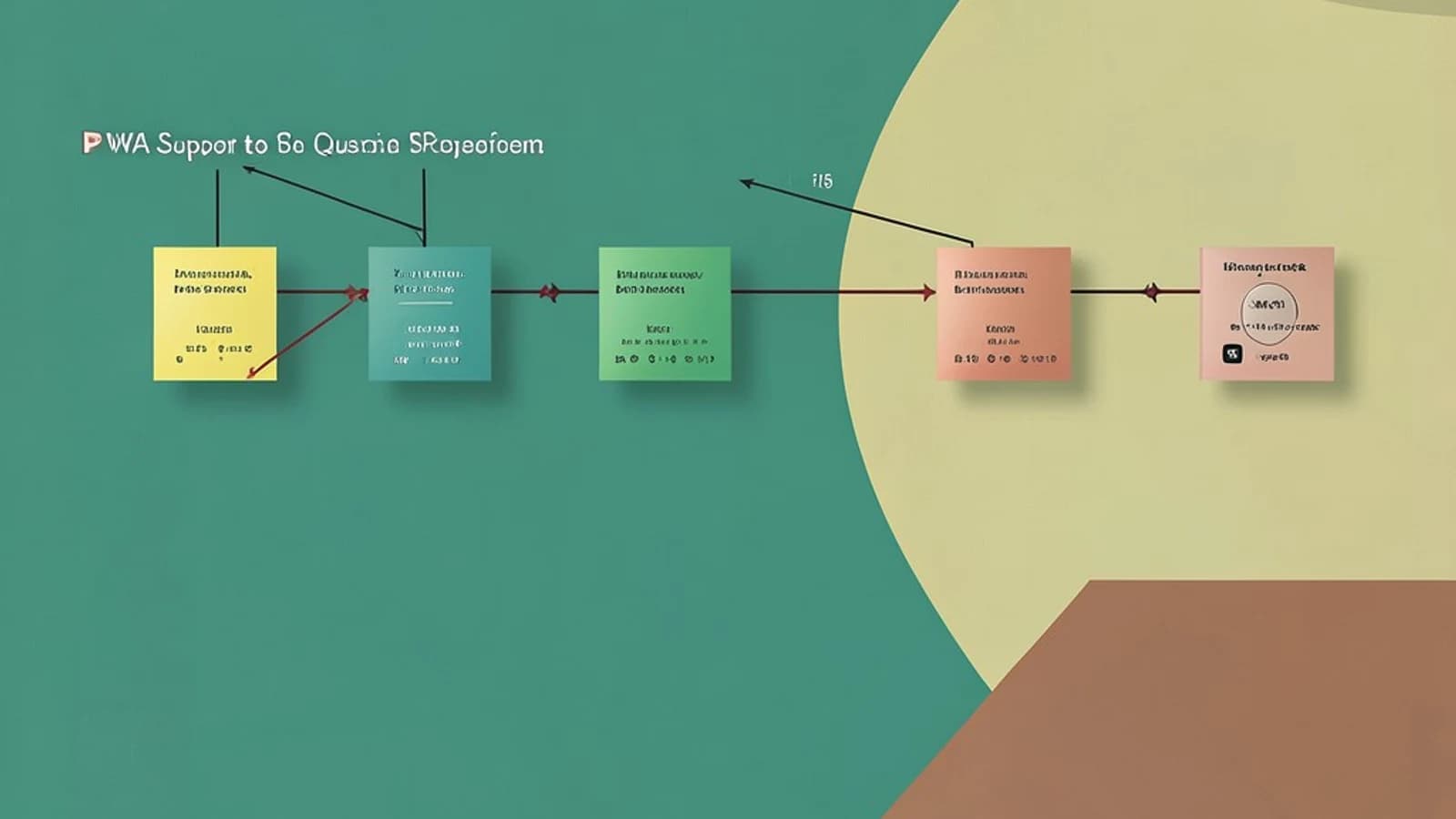
Add PWA support to a Quasar SPA without rewriting code. Learn how to update quasar.config.js, generate icons, run dev and build commands, and verify offline behavior. Ideal for teams needing web and PWA from one codebase.
In Knex.js, a transaction only works if all queries inside the callback use the passed trx object. Mixing knex and trx, forgetting to await, or running long transactions can cause deadlocks and silent failures. This guide shows correct usage, common pitfalls, and verification steps.
Use POSIX awk associative arrays to aggregate structured logs in a single streaming pass. Define field splitting, guard numeric fields, accumulate in arrays, and emit deterministic totals in END. Verify output and handle common pitfalls.
Mattermost Playbooks gives recurring incident and process workflows a repeatable shape inside chat with checklists, automated status updates, and retrospectives, without leaving the channel.