A concise diagnostic guide for Figma Mirror connectivity and sync issues on iOS and Android, with a cause-to-symptom table, ordered checks, and escalation criteria.
LiveBindings lets RAD Studio developers declaratively bind UI controls to data objects, reducing boilerplate and keeping UI and model in sync. This guide walks through a concrete VCL example, shows two‑way binding with converters, and lists common pitfalls and performance tips.
When less shows plain text even though the source contains ANSI escape codes, the problem usually lies in the command line options, environment variables, or terminal capabilities. This guide walks through a diagnostic table, ordered checks, and fixes to restore color output.
Learn how Quasar’s Server‑Side Rendering turns a Vue 3 SPA into a pre‑rendered, SEO‑ready app. Setup, benefits, pitfalls, and a concrete example guide you through adding SSR to your project.
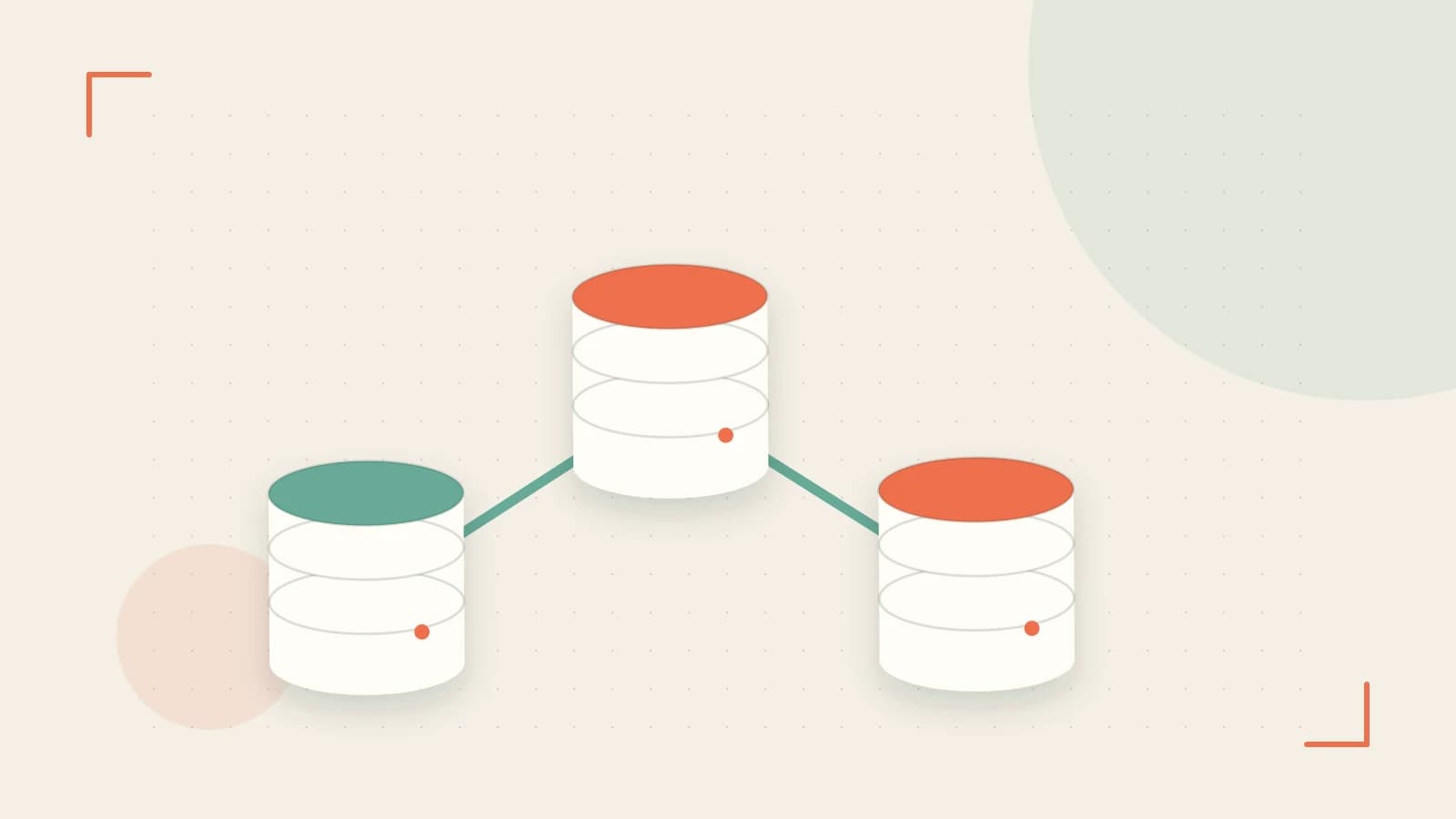
RocksDB Column Families let you keep multiple logical datasets in one engine while tuning each family’s compression, cache, and memtable settings. This guide shows how to create, use, and monitor CFs, plus the trade‑offs you should watch for.
Hoppscotch’s built‑in CORS proxy lets browser‑based API clients reach external endpoints without CORS errors. This guide details the core requirements, minimal design, trust boundaries, operational checks, and failure modes, plus practical diagnostics and when to rethink the design.
Decide when to use Karma’s autoWatch mode for rapid feedback or singleRun for deterministic CI runs. Compare latency, resource use, and reliability, and see a sample config.
Configure Mattermost to use LDAP for secure authentication. Create a service account, map attributes, test the connection, and sync users. Learn how to handle large directories, avoid lockout, and verify the setup with audit logs.
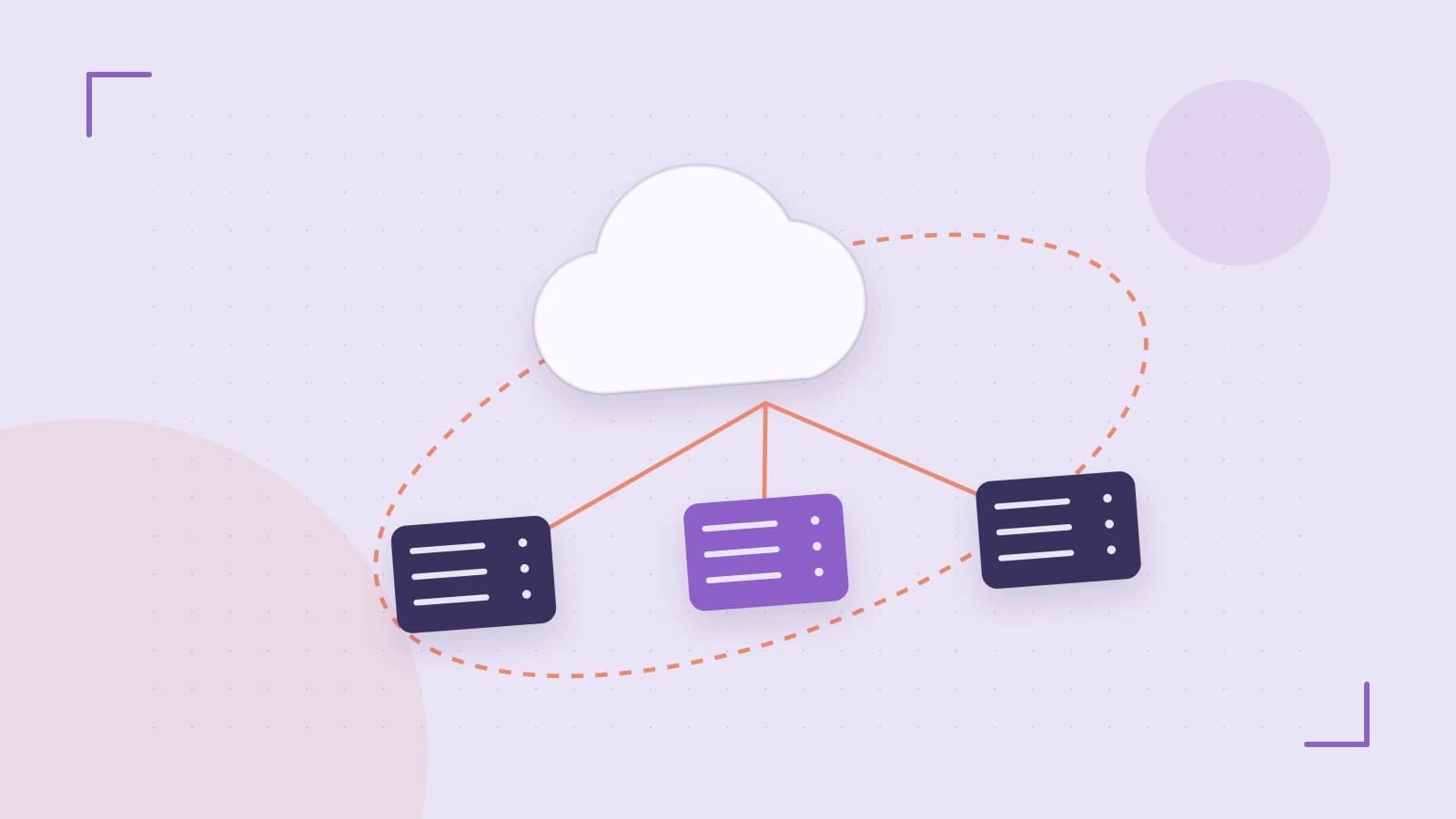
Talos Linux replaces SSH with a secure, gRPC/HTTP API for node configuration. This guide explains how the API works, demonstrates a GitOps workflow, walks through practical verification steps, and highlights trade‑offs such as network exposure and certificate management.
When dashboards push data every few seconds, destroying and recreating Chart.js instances hurts performance. This blog shows how to mutate data in place, call <code>.update()</code> with optional animation settings, and measure FPS for real‑time charts.
Learn how to use AlmaLinux’s built‑in ABS to produce RHEL‑compatible binaries from source. The guide covers requirements, a minimal design, trust boundaries, operational checks, and failure modes that may force a design change.
Provisioned concurrency lets you reserve warm Lambda environments, eliminating cold starts for latency‑sensitive workloads. This guide walks you through the concept, when to use it, a concrete CLI example, and cost‑vs‑performance trade‑offs.
Frictional contact that won't converge in ANSYS Mechanical is usually a formulation problem, not a mesh problem. Here's how the Augmented Lagrangian method works, with concrete penalty and stabilization settings and how to verify them.
Learn how Clojure transducers let you build efficient, composable pipelines without creating intermediate collections. A practical example, performance comparison, and checklist guide you from lazy seqs to transducer‑based processing.
Mattermost HA clustering relies on stateless app servers, a shared PostgreSQL database, and Redis pub/sub. This guide details the minimal architecture, trust boundaries, operational checks, failure modes, and when a design change is needed.
Ghost's built‑in members feature lets you run free and paid tiers with Stripe directly from the admin panel — no plugins or external paywall platforms. Here's what it does, how to set up a $5/month tier, and where it falls short.
Learn how to enable Splunk data model acceleration, set up a summary index, query it with tstats, and avoid common pitfalls. A practical guide with configuration snippets, verification steps, and limits for real‑world deployments.
Tired of re‑applying the same cleaning steps in SPSS each time a new dataset arrives? Learn how to capture those steps in plain‑text syntax, run them automatically, and version‑control your workflow for reproducible, error‑free analysis.
Tower's built-in merge-conflict view shows base, incoming, and current side by side and lets you resolve, stage, and commit in one window. Here's how it works, with a demo repo and its limits.
How GIMP layer masks work, how to add and paint one in the GUI, and how to automate the same steps with a Python-Fu script — plus the pitfalls that trip people up.
Hot Reload applies edits to a running .NET process without a restart. Here is how to set it up, verify the process did not restart, and recover from rejected edits.
Learn how to use Traefik’s label‑based Docker provider and the stripPrefix middleware to hide internal service paths while keeping backend code unchanged.
An architecture note on std::expected (C++23): requirements for adopting it, the minimal design, ABI boundaries where it must not appear, static-analysis checks, common failure modes, and when to choose a different strategy.
Kafka's idempotent producer kills retry-induced duplicates with one flag — if you respect the config contract and know it only covers a single partition per session.
Client-side filters break the moment you switch devices. Dovecot's Sieve plugin moves mail filtering to delivery time on the server—here's how it works, a starter script, and how to verify it actually runs.
Use Bevy's Changed<T> and Added<T> query filters to run systems only when components actually mutate, with a counter-based check to verify the filter works.
Bulk-generating branded assets from structured data? Canva's Connect API turns templates into a designer-owned rendering engine — here's the architecture, the async-export gotchas, and when it beats headless Chromium.
Learn how to master the After Effects wiggle expression with seedRandom to create deterministic procedural motion without sacrificing project performance.
Use JSON Schema as the contract in Fastify for automatic request validation with AJV and pre-compiled response serialization with fast-json-stringify, scoped inside encapsulated plugins for modular, type-safe routes.
NgRx Effects let you decouple async logic from components and reducers. Learn how to set up a functional effect, handle errors, and avoid common pitfalls with a concrete example and verification steps.
Centralize reusable expectations with RSpec shared_examples, but watch for coupling and obscured intent. A practical guide with parameterized examples.
Stop bloating your Blueprints with redundant variables. Learn how to use UDataAsset to decouple game configuration from actor logic for better memory performance and faster iteration.
Learn how to configure Harbor's built‑in image replication to create a hot standby registry, with a step‑by‑step example, trade‑offs, and verification steps.
Stop duplicating variables across your Unity Prefabs. Learn how to use ScriptableObjects to decouple configuration data from logic for better memory efficiency and runtime tuning.
Keep a Kali Linux rolling installation current without reinstall by refreshing apt, running full-upgrade, rebooting when needed, and verifying OS, kernel and tools with practical recovery options.
Learn how to identify and resolve Model-Code Divergence when UML Class Diagrams and Java implementations drift apart, including diagnostic tables and resolution strategies.
FastAPI’s <code>Depends</code> lets you decouple request handlers from resource acquisition. Learn how to write sync and async dependencies, test them with <code>TestClient</code>, and avoid common pitfalls like deep chains and circular imports.
Learn how Svelte’s reactive statements ($:) enable automatic, zero‑overhead side‑effects and see a concrete debounced search example that reduces unnecessary API calls.
Learn how data.table’s i‑j‑by syntax speeds up aggregations on multi‑million‑row datasets, with a concrete sales‑summary example, trade‑offs, and verification steps.
Learn when to use DataGrip's manual transaction mode to safely run exploratory SQL, how it differs from auto‑commit, and how to enable, use, and verify the mode.
A practical guide to enabling AutoSSL in cPanel/WHM, covering prerequisites, provider selection, verification steps, and recovery options for automatic DV certificate management.
Slow ClickHouse dashboards usually mean re-aggregating raw events on every query. A materialized view feeding a well-keyed rollup table moves that work to insert time — here's a concrete setup, plus the write-overhead and backfill trade-offs.
Use Inkscape's CLI flags --export-type, --export-filename, --export-dpi, and --export-page for reproducible batch exports on Linux, macOS, and Windows, with verification steps and version pitfalls.
Artix Linux offers OpenRC as a first-class init choice. Here's how its service scripts and runlevels work, a worked daemon example, and the honest trade-offs versus systemd.