Learn how to implement and configure tag-based, time-based, and user caching in Drupal Views to reduce database load and accelerate content delivery without serving stale data.
Stackblitz lets you import any GitHub React repo and use Vite HMR for instant UI updates, but session state disappears when you close the tab. Here's how the workflow works and how to persist your changes.
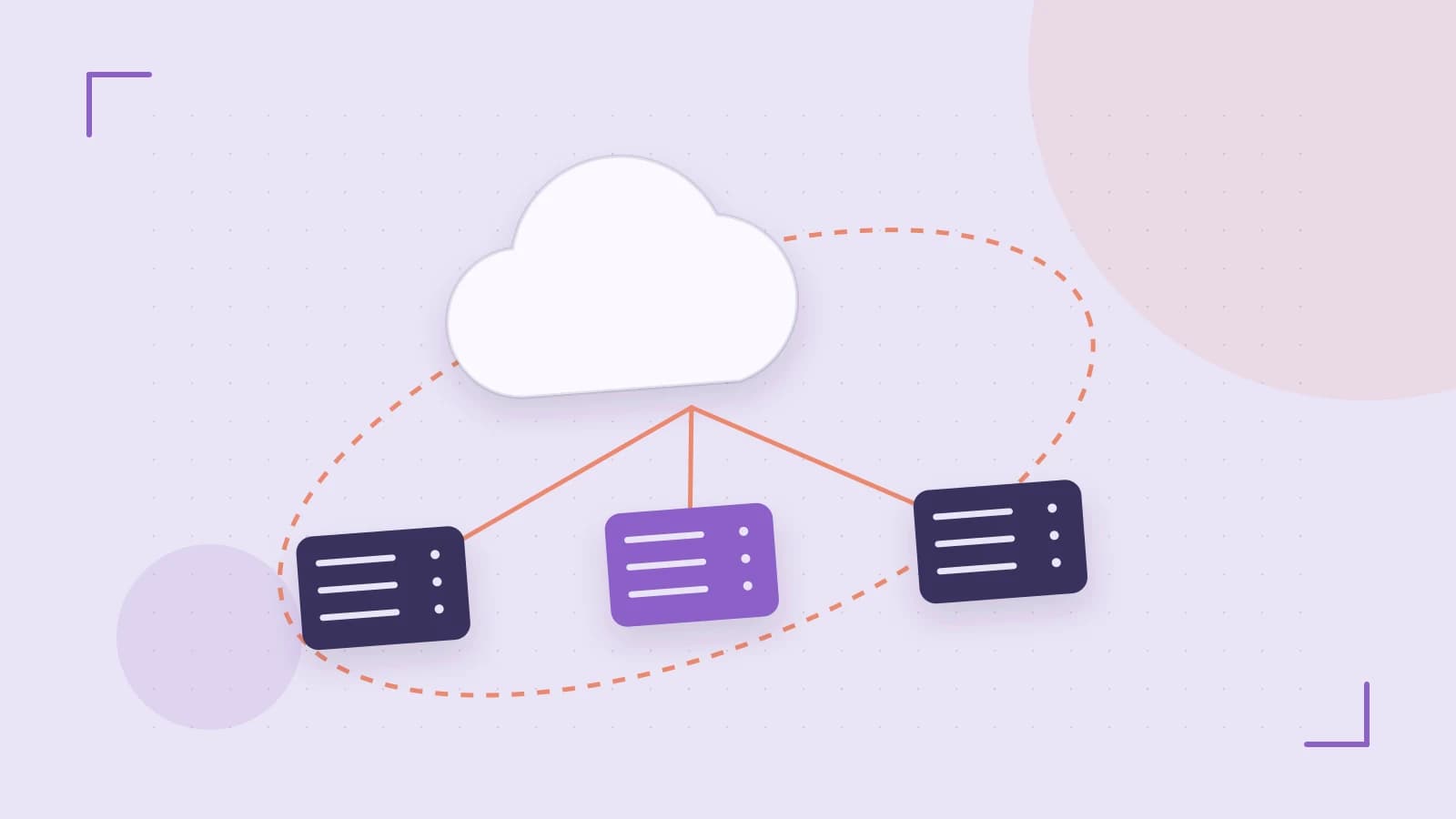
Railway's private networking lets services in the same project talk over an internal network. Here's how to wire an app to Postgres without ever exposing the database publicly.
Socket.IO Rooms let you group sockets server-side and broadcast with io.to(room).emit(). They work out of the box but are in-memory per process, so scaling across instances requires an adapter like Redis. This covers joining, broadcasting, scaling, and verification.
Learn how Hugo's taxonomy system automatically creates paginated tag list pages, eliminating manual HTML maintenance and keeping large tag collections consistent.
Learn how to diagnose NotEnoughReplicas errors in Apache Kafka by analyzing ISR churn, adjusting replica lag timeouts, and verifying synchronization state.
Chrome defaults cookies to SameSite=Lax. This guide compares Lax, Strict, and None; Secure, explaining the CSRF trade-offs and how to verify cookie attributes in DevTools.
Jetstream's Livewire vs Inertia prompt isn't about UI taste — it decides where your rendering logic lives and how you test it. Here's how to choose with a concrete example.
openSUSE's transactional-update applies system changes atomically inside a new Btrfs snapshot, activated only at reboot. Rollback is a boot-menu choice — but /var, /home, and /etc live outside the snapshot boundary.
Scala 3 opaque types give you distinct compile-time types with zero runtime overhead. Learn the syntax, a worked UserId/OrderId example, and the pitfalls: no pattern matching, manual APIs, and Scala 2 incompatibility.
CI runners start empty every run, so dependency downloads dominate feedback time. Here's how to key a GitHub Actions cache from your lockfile, with a Maven example and a verification loop.
SpriteBatch flushes every time the texture changes. Packing sprites into one atlas and drawing with source rectangles collapses hundreds of draw calls into a few—here's how to do it with real MonoGame APIs.
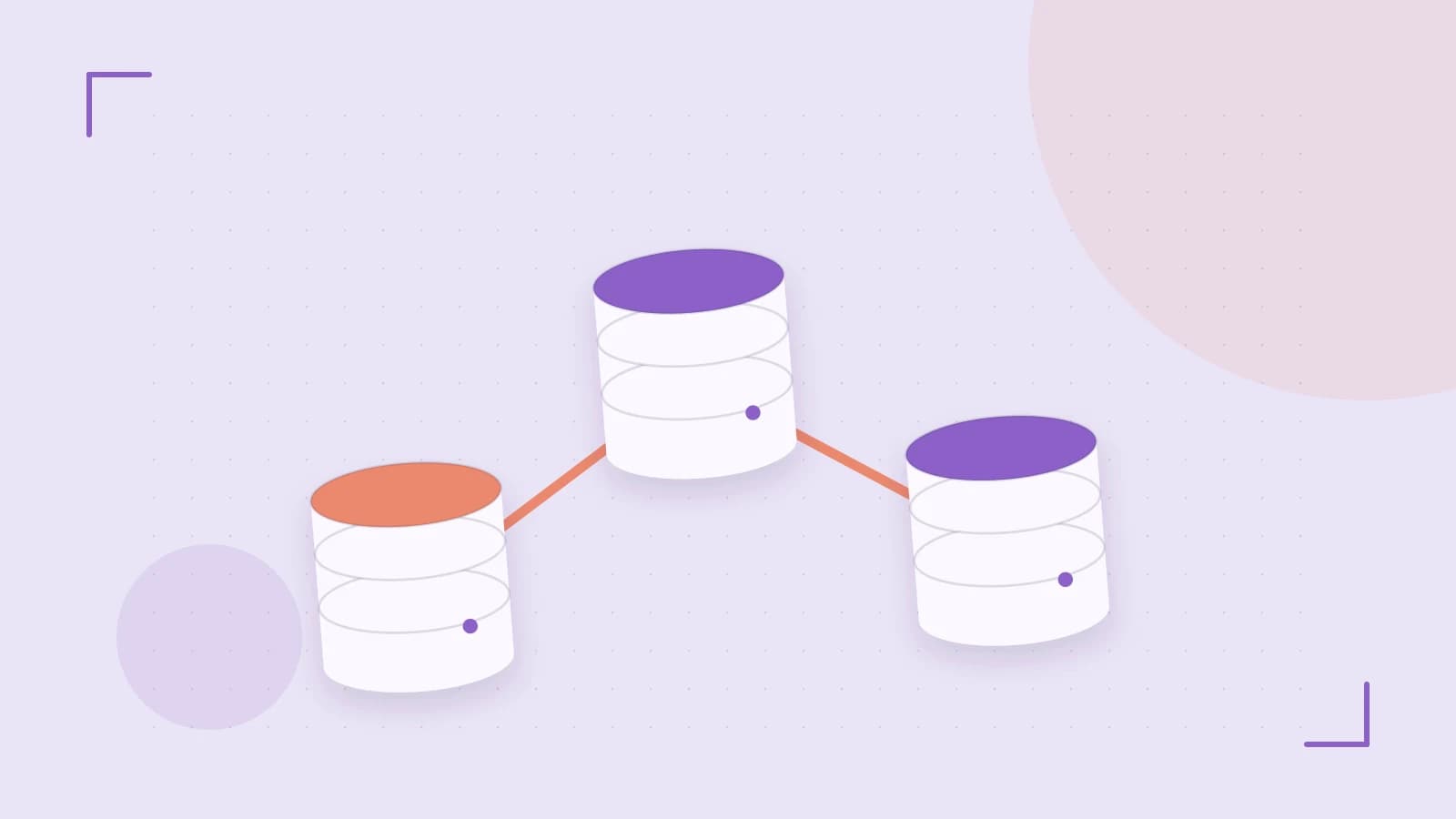
Step-by-step guide to diagnose and fix CouchDB view index build failures in a cluster, covering disk space, I/O saturation, design doc sync, and manual rebuild checks.
ARM64's Memory Tagging Extension catches out-of-bounds and use-after-free bugs in hardware. Here's how it works, how to verify it's actually enabled, and how to choose between sync and async modes.
An architecture note on using a single supervised GenServer for serialized state in Elixir: requirements, a minimal implementation, trust boundaries, production checks, and the conditions that should push you to ETS, sharding, or distribution.
Decide between Cluster API (CAPI) and Imported clusters in Rancher. Learn when to prioritize full infrastructure lifecycle automation versus a lightweight management overlay.
Learn how to effectively use @Prop and @State in StencilJS to manage component re-renders and avoid common pitfalls with object mutation in Web Components.
A technical deep dive into Blender Cycles' path tracing architecture, exploring GPU kernel execution, importance sampling, and strategies to mitigate render artifacts like fireflies.
Learn how to use Bitbucket branch permissions to block direct pushes and enforce mandatory pull request reviews and CI checks to protect your mainline code.
Stop shipping unnecessary polyfills. Learn how to use @babel/preset-env and the useBuiltIns option to automatically optimize your JavaScript bundle based on target browser support.
When After Effects stalls in the Render Queue, a quick diagnostic can pinpoint the culprit—GPU drivers, missing media, disk space, codecs, or RAM. This guide walks through ordered checks, fixes, verification steps, and escalation criteria.
Migrate from Maildir to Dovecot's mdbox storage to solve inode exhaustion in high-volume mailbox setups. Follow these steps for configuration, verification, and rollback.
Learn how Insomnia’s environment variable system lets you manage base URLs, tokens, and more across dev, staging, and prod without duplicating requests. Understand scopes, precedence, and a step‑by‑step example.
Removing a list item with Terraform count can cause a cascade of destroy/recreate actions for all later instances. Using for_each keyed by a stable identifier avoids that by giving each instance a unique address.
Erlang’s lightweight processes enable millions of concurrent tasks with minimal memory. Learn how to build a fault‑tolerant counter server, watch it recover from crashes, and understand key trade‑offs like mailbox size, data copying, and supervision loops.
Learn how to diagnose and fix pagination failures in JHipster generated entities, from verifying JpaRepository extensions to correcting Pageable implementation in the service layer.
When an API serves thousands of records, pagination keeps responses small and the backend healthy. This guide covers requirements, minimal design, trust boundaries, operational checks, failure modes, and when to change strategy.
Learn how to use parallel stages in Jenkins Declarative Pipeline to run independent build steps concurrently, see a concrete example with sleep commands, and understand the trade‑offs with executor limits and workspace isolation.
Dyalog APL’s .PARALLEL directive lets you run matrix multiplication on multiple cores with little code change. This post shows how to apply it, what to watch for, and how to verify the speedup.
No Codecov comment or a stuck "unknown" status on your PR? Work through seven ordered checks — from silent upload failures to missing base reports — with fixes tied to each finding.
Choose Bulma’s responsive <code>columns</code> for rapid, consistent layouts, or go custom Flexbox/Grid for full control. Compare browser support, learning curve, and customization in this decision guide.
Learn how BigQuery’s require_partition_filter option forces every query to include a partition predicate, preventing costly full‑table scans and guiding safer, more predictable usage.
Forgejo's repository mirroring is a queue-driven wrapper around native git fetch/push. Here's how pull vs. push mirroring works, a concrete setup walkthrough, and the limitations that bite in practice.
Learn how to eliminate flaky E2E tests by using cy.intercept() to stub network requests, manage API state, and synchronize your UI assertions with network behavior.
Learn how to use RSpec's aggregate_failures to stop the 'fix-rerun' loop when validating complex objects, and when to choose it over compound matchers.
An architecture note on Ant Design v5 token theming: one root ConfigProvider, algorithm-based dark mode, validation for tenant-supplied tokens, and failure modes.
Shipping the full Handlebars compiler to the browser costs startup time and opens a template-injection path. Precompiling moves that work to the build — here's what changes for helpers, partials, and security.
Clarity enforces deterministic smart contract execution on Stacks through a decidable stack machine, enforced read/write boundaries, and statically known gas costs — here's how that works and what it costs you.
An architecture note on Vaadin Flow Grid lazy-loading DataProviders: the minimal design, the serialization trust boundary, operational signals, failure modes, and when to switch to keyset pagination.