If you’re seeing references to the unknown "kdeneon" component, this guide walks you through verifying its existence, diagnosing common pitfalls, and outlining step‑by‑step checks and fixes.
RubyMine’s integrated debugger turns tedious Rails debugging into a visual, interactive process. Learn how to use conditional breakpoints and Evaluate Expression to pause, inspect, and modify state on the fly.
Learn how Matplotlib's constrained_layout solver automatically adjusts subplot spacing for labels, colorbars and legends, and when to prefer it over tight_layout.
Explains how to integrate the binary search routine from thealgorithms into a service, covering requirements, design, trust boundaries, checks, and failure modes.
Learn how Babylon.js InstancedMesh cuts draw calls by sharing geometry and material across thousands of objects, with a concrete code example, limits, and verification steps.
Stop struggling with the 1-pixel limit in WebGL. Learn how to use MeshLine in Three.js to create thick, consistent 3D paths and ribbons with custom screen-space widths.
A diagnostic guide for GNU nano (v2.0+): recognize common startup, configuration, and runtime problems, then follow ordered checks and fixes tied to root causes.
Automate Gitter notifications with webhooks to eliminate manual status updates. Learn how to configure endpoints that receive HTTP POST requests and integrate with CI/CD pipelines.
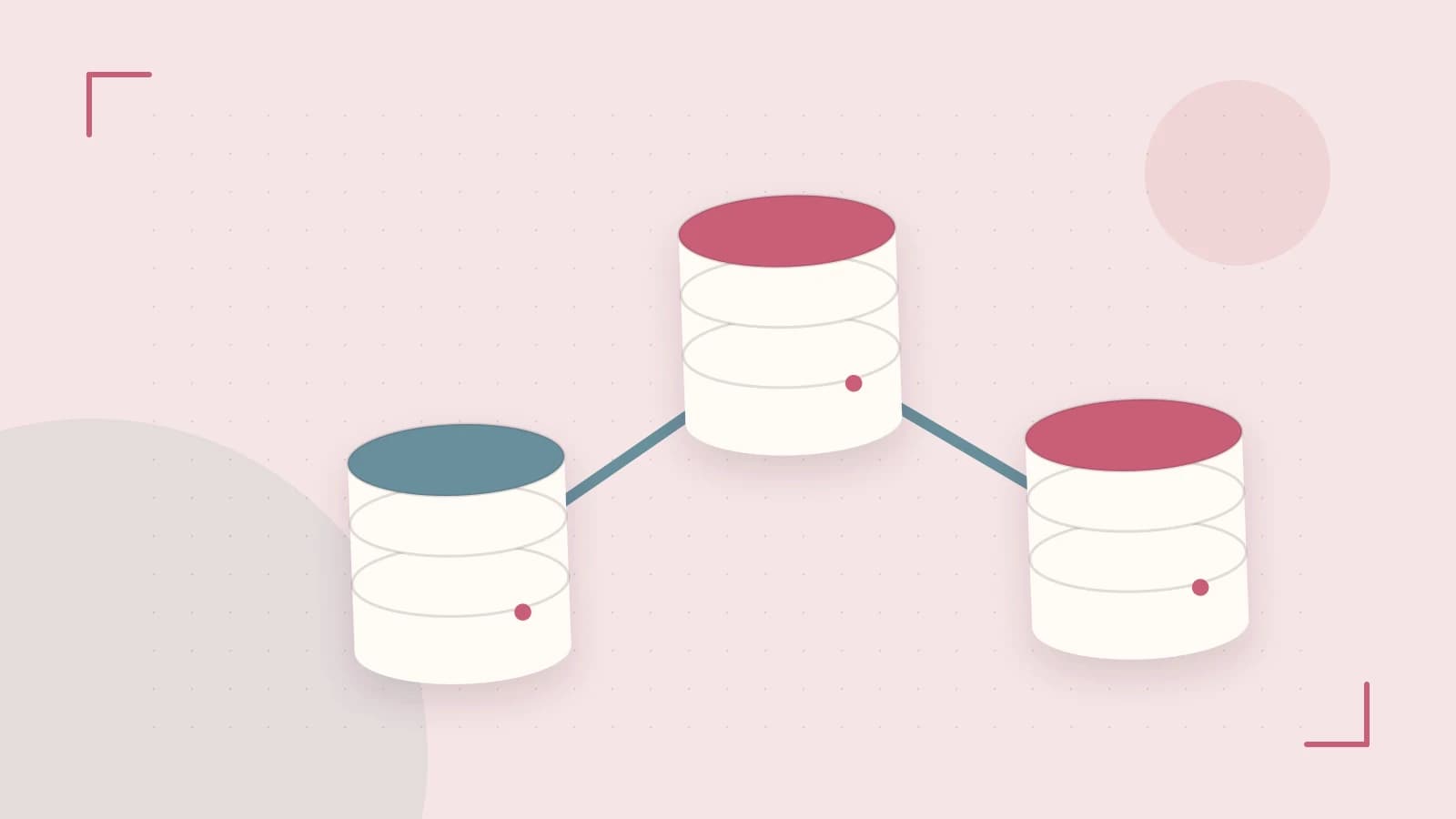
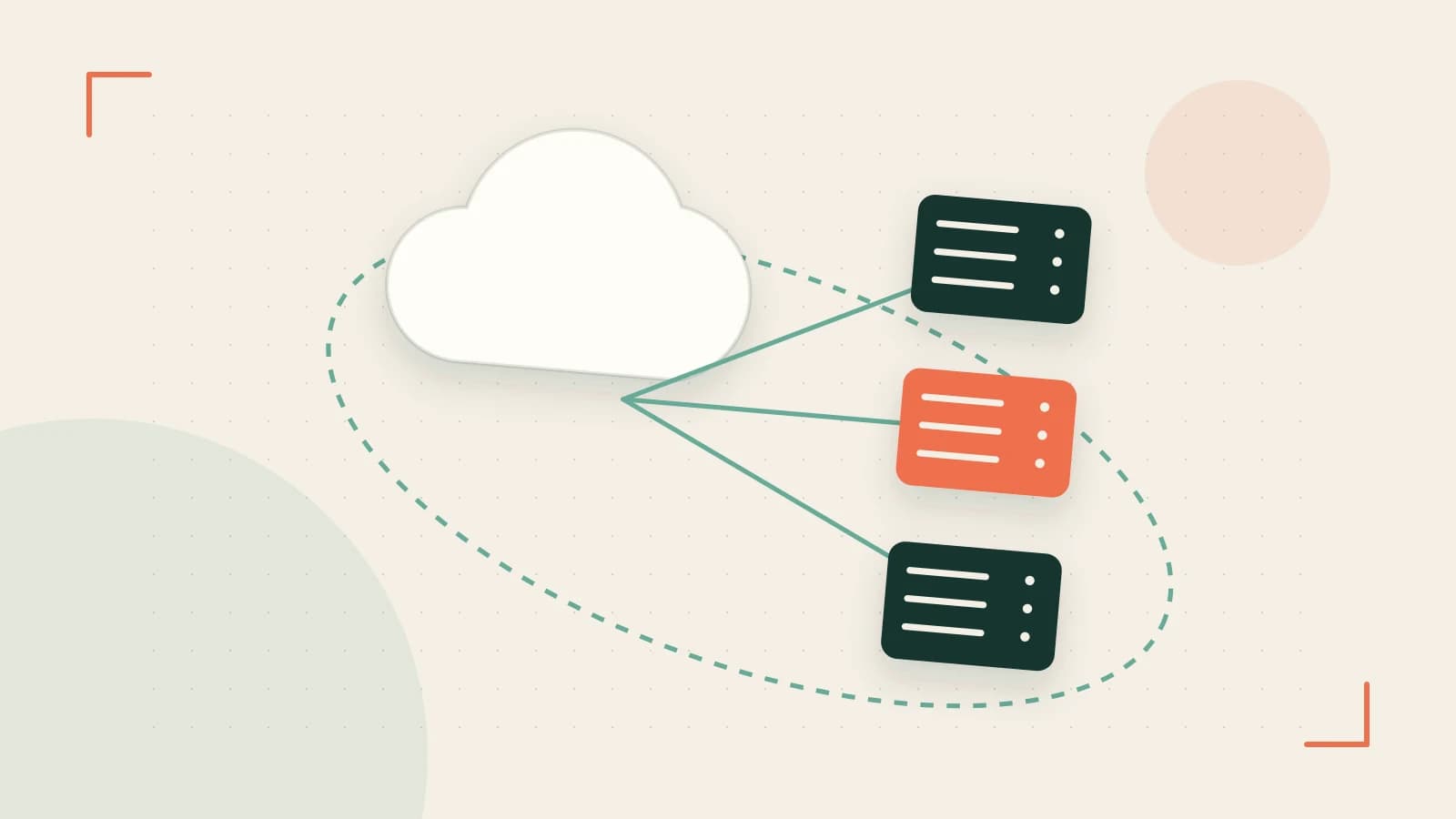
Learn how to implement multi-region failover on Railway to eliminate regional single points of failure. This guide covers Active-Passive design, data replication boundaries, and operational verification.
Choosing the right second‑level cache provider for NHibernate 5.x is critical for read‑heavy workloads. This guide compares SysCache, Redis, Memcached, and InMemory, explains trade‑offs, and walks through a concrete Redis implementation with validation steps.
Learn how to replace static config files with Splunk’s KV Store for real‑time app configuration. This post walks through creating a collection, using the REST API, and a Python example, plus trade‑offs and best practices.
Learn how to diagnose and fix nodemon restart failures, including misconfigured watch/ignore patterns, file descriptor limits, and transpiler execution issues.
Compare fusion and mechanical splicing for single-mode fiber. Learn why fusion splicing's sub-0.05 dB loss is critical for long-haul telecom and how to verify joints using OTDR.
Portable Text lets you store rich text in a structured, platform‑agnostic way. This guide walks through schema setup, GROQ querying, and rendering with a React serializer, plus trade‑offs and a practical checklist to get you started.
When a Reflex UI stops reflecting changes, the culprit is often a Signal mis‑binding, missing dependency, or stale closure. This guide walks through a concise diagnostic table, ordered checks, and targeted fixes so you can restore reactivity quickly.
When Foundation’s responsive grid misbehaves at breakpoints, this guide walks you through the most common causes, systematic checks, and targeted fixes—so you can restore layout without hunting down obscure bugs.
Learn how to enable Kali Linux Live USB persistence, keep your tools and data across reboots, and verify it works. Follow our concise guide, see a worked example, and understand the trade‑offs of this powerful feature.
Learn how to keep your VB.NET UI responsive while downloading large files with Async/Await. The article walks through a WinForms example, explains key concepts, trade‑offs, and provides a verification checklist.
Use a small UML Profile with stereotypes and tagged values to keep safety, performance and security constraints attached to model elements instead of buried in documents.
The Rexx SHELL function returns a command's exit status while the text output lands in SHELLOUTPUT. Treat them as two separate results, validate input, and watch platform quoting.
Learn how to mount Google Drive in Google Colab to persist datasets and model weights across sessions, including implementation code and performance tips.
Changing a shared PL/SQL package usually means an outage. Edition-Based Redefinition pins each session to an edition so old and new code run side by side.
Introduce @CompileStatic into an existing Groovy codebase one class at a time: read the compile errors as a map of dynamic dependencies, isolate the rest with @CompileDynamic, and verify the bytecode.
JupyterHub splits one shared Jupyter Server into per-user servers behind a single login. Here is the minimal four-component design, where the trust boundaries actually fall, and the checks that catch orphaned servers and leaked routes.
Use \include for top-level chapters and \input for everything else, then \includeonly gives you partial rebuilds that still resolve cross-references — provided the .aux files from a full build exist.
EF Core's IAsyncEnumerable streams rows instead of materializing them, but only if you also stop tracking and accept a connection held open for the loop.
A formula is a Ruby class that only runs when no bottle matches. Here is a worked example, what each part controls, and the mistakes that break installs.
Vim's Ctrl-V block mode edits a column across many lines at once. A worked prefix example, how I, A and r differ, and where tabs and wrapped lines break the rectangle.
Vite's dev server feels instant because esbuild pre-bundles node_modules into single-file ESM before the browser ever asks. Here's how the cache invalidates — and the monorepo case it misses.
Deciding between Gitter's legacy REST API and the Matrix Bot API? Learn why the Matrix bridge is the preferred path for new chatbots despite bridge latency and auth complexity.
Choose CodePen Pens for single-file, embeddable prototypes and Projects for multi-file apps with npm. A compact comparison and validation steps help you avoid migrating work later.
Replace nested NavigationPages with Xamarin.Forms Shell routes for predictable back navigation and deep linking. This guide shows a working AppShell configuration, route registration, and GoToAsync usage with limits and common mistakes.
When a DigitalOcean Managed PostgreSQL cluster times out, the problem often lies in VPC firewall rules, DNS, or connection strings. This guide walks through a step‑by‑step diagnostic flow, from verifying firewall settings to checking DNS and cluster health, with actionable fixes and escalation tips.
Learn how to use Netlify’s _redirects file and netlify.toml to solve deep‑link 404s in single‑page apps and proxy third‑party APIs, with rule ordering, force overrides, and caching trade‑offs explained.
Snapper's pre/post snapshots make a bad openSUSE update reversible — but only for the root subvolume. How undochange and rollback differ, and what they leave behind.
Matplotlib’s backend selection dictates whether a plot runs in a headless server, CI pipeline, or interactive desktop. This guide explains the architecture, how to lock in a backend before import, and diagnostic steps to avoid runtime failures.
A decision guide for paginating Hugo list pages: compare built-in .Paginate, manual slicing, and client-side paging with a concrete template example, version-specific config, and a validation checklist.
Opaque types make UserId and OrderId distinct to the Scala 3 compiler while erasing to Long at runtime. Here's the pattern, what erasure costs, and how to verify both.
Closed-model injection hides saturation behind polite virtual users. Here is how Gatling's open and closed steps differ, and how to pick one deliberately.
OPcache caches compiled PHP opcodes in shared memory. Here is a production php.ini, how to size it from its restart counters, and why deploys go stale.
CouchDB's replication protocol and _changes feed are a ready-made offline-first sync engine. Here's how to use them, and why Mango queries belong elsewhere.
Cairo fixes the output backend when you create the drawing context. Compare image, PDF, SVG, PostScript, recording and similar surfaces, then verify the choice with status checks and a zoom test.
Vert.x gives you two supported places to run blocking code: executeBlocking and worker verticles. How they differ, when each fits, and how to verify the thread handoff.