Choosing Chart.js maintainAspectRatio for Fluid Layouts
Guidance on deciding between Chart.js maintainAspectRatio true or false, with constraints, trade‑offs, implementation steps, and verification tips.
13 May 2026, 08:35 UTC
ReadMeFeed / Community knowledge
Practical guides, fresh perspectives and ideas worth trying.
Guidance on deciding between Chart.js maintainAspectRatio true or false, with constraints, trade‑offs, implementation steps, and verification tips.
Learn how to implement async-await in VB.NET to prevent UI freezes and deadlocks. This guide covers Task management, ConfigureAwait(False), and non-blocking I/O patterns.
An architecture note on Vim’s persistent undo (undofile) feature: requirements, minimal design, trust boundaries, operational checks, failure modes, and when the design would need to change.
Learn how to add a persistence partition to a Kali Linux live USB so that installed tools, configurations, and wordlists survive reboots, with step‑by‑step setup, verification, and wear‑leveling tips.
Learn how to use Span<T> with stackalloc for zero‑allocation memory work in .NET, including setup, safe usage patterns, analyzer checks, and rollback strategies.
Learn how Heroku Review Apps create disposable environments for each pull request, letting you test changes without affecting production, plus tips to control costs and clean up.
This guide helps troubleshoot Talos node network failures—diagnose interface status, static IP, firewall, TLS, MTU, DNS, and apply fixes with talosctl. Includes a concrete example and verification checklist.
Eliminate edge node drift using k3OS's immutable root filesystem and declarative config.yaml. Learn how to bake custom configurations into ISOs for zero-touch deployment.
A concise architecture note that explains what Vite’s HMR needs, how it is built, where trust is enforced, how it operates, and when it falls back to a full reload.
Stop polling your database for updates. Learn how to use the Cosmos DB Change Feed to build event‑driven, real‑time data pipelines with a concrete Azure Functions example.
Compare S3 Standard‑IA, One Zone‑IA, and Glacier Instant Retrieval for data accessed less than once per month, then apply a lifecycle rule to automate tiering and validate the transition.
Learn how DataGrip’s intelligent SQL completion and built‑in result‑set pagination reduce typing and context‑switching when querying large tables.
Learn how to validate incoming JSON with Clojure spec, coerce values, and produce clear error messages when validation fails.
Learn how to configure GitLab CI/CD caching for monorepo dependencies to reduce build times, avoid stale caches, and stay within storage limits.
Decide when to use SPSS point‑and‑click versus syntax files for reproducible, version‑controlled statistical work.
Learn how to use SQL Developer’s built‑in SQL Formatter to enforce consistent style interactively, via menus, and from the command line, with a worked example and notes on limits.
Learn why Travis CI may skip restoring a build cache, how to pinpoint the cause, and what fixes to apply before escalating.
Add instant visual feedback during page transitions in Inertia.js apps by enabling the built‑in progress bar. Learn why it matters, how to configure it, and when a custom solution might be better.
Guide to decide between Couchbase FTS and N1QL LIKE/REGEXP for text queries, with a compact trade‑off table, step‑by‑step index creation, query validation, and rollback steps.
Explore the trade‑offs between Static and Dynamic decoding in Kaldi. Learn how HCLG graphs impact ASR latency, memory usage, and grammar flexibility.
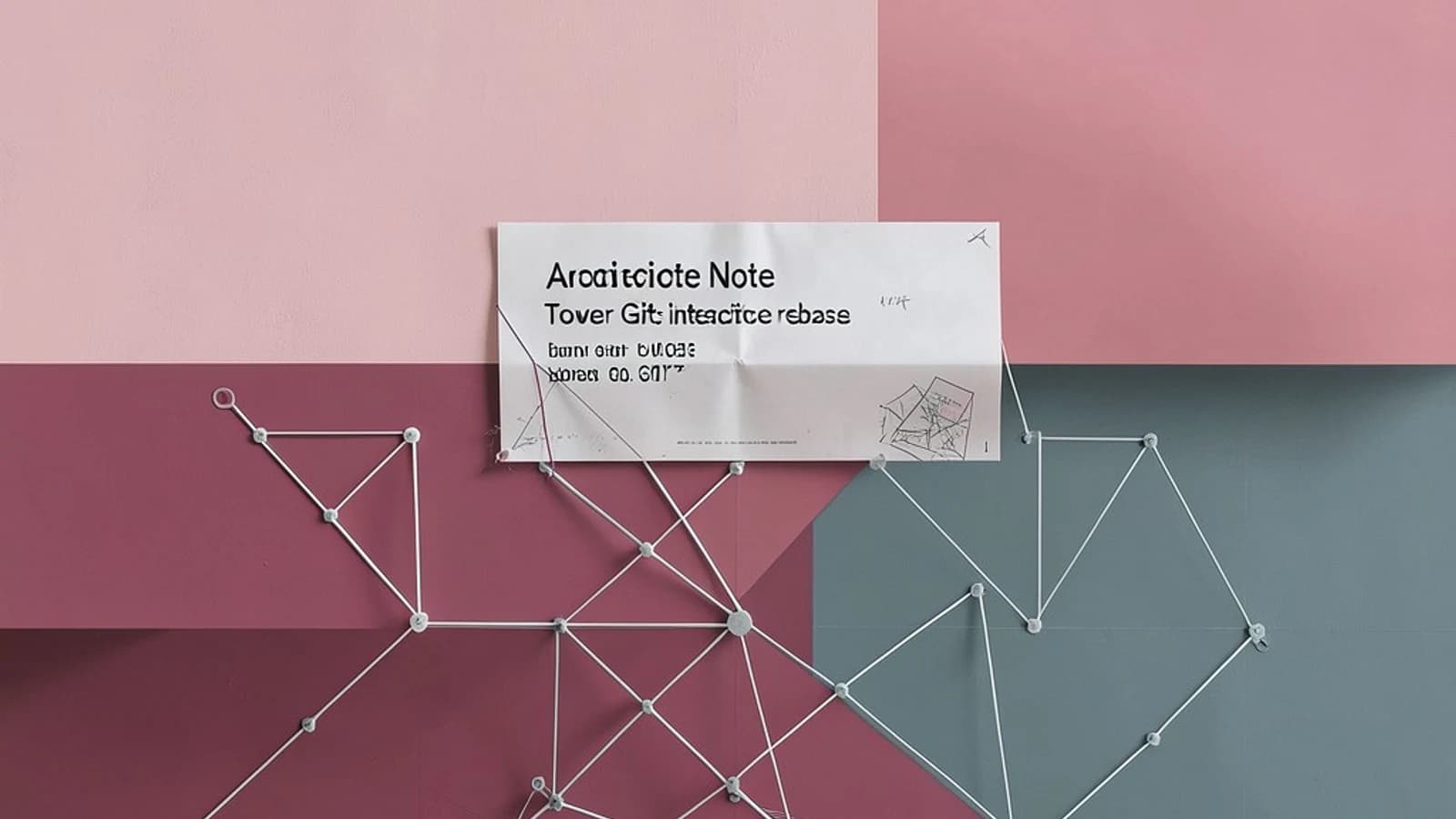
An architecture note on Tower Git's interactive rebase, detailing the transition from text-based todo lists to a visual drag-and-drop system with safety boundaries.
Learn how to use VMware vSphere DRS VM‑VM affinity and anti‑affinity rules to keep latency‑sensitive VMs together or spread them for fault tolerance, with a concrete configuration example and practical validation steps.
Learn how to use a single Argo CD ApplicationSet to manage multiple environments securely, with clear trust boundaries, operational checks, and failure‑mode awareness.
Learn how to offload pagination, sorting, and filtering to the backend using Angular Material’s MatTable backed by a custom CDK DataSource, reducing initial payload and keeping change detection lean.
A step‑by‑step guide to recognize, diagnose, and resolve Build Timeout errors in Netlify CD pipelines, with checks, fixes, and escalation criteria.
Stop chasing runtime null pointer exceptions. Learn how Dart's sound null safety turns potential crashes into compile-time errors and how to refactor your data parsing for stability.
A diagnostic guide to identify and resolve Sourcetree slowdowns in large Git repositories by checking logs, disabling the file system watcher, switching to system Git, and verifying improvements.
Explore how Firefox uses a multi-process architecture to prevent single-tab crashes from freezing the browser, and learn how to tune the memory vs. stability trade-off.
Learn how to turn on Chrome’s Site Isolation feature to run each website in its own renderer process, improving security and limiting cross‑site attacks.
If your mobile app hits “database is locked” errors, Write‑Ahead Logging (WAL) may be the fix. This post explains what WAL is, how to enable it, the performance trade‑offs, and how to verify the change.
Learn how to drive multiple test iterations with a single Scenario Outline in Karate, see a working example, and understand limits and pitfalls.
Learn how to use VS Code Remote Containers to lock down your Node.js development environment with a devcontainer.json file, verify the setup, and understand the trade‑offs.
Guidance on choosing Swift’s Result type versus throwing functions for error handling, with a decision table, trade‑offs, and code examples.
Learn how Ember Octane’s @tracked decorator simplifies reactivity, with a step‑by‑step counter example, common pitfalls, and best‑practice tips for production code.
Learn how to diagnose and fix disk exhaustion in CouchDB caused by MVCC revision bloat using the _compact endpoint and automatic compaction settings.
Learn how to add Lua processors to Filebeat for custom transformations while monitoring resource impact.
Learn how to implement DynamoDB Global Tables for multi-region active-active deployments, including conflict resolution, replication monitoring, and failover strategies.
Stop manually editing reports for different clients. Learn how to use Quarto parameterization in RStudio to create dynamic, reproducible templates that scale.
A technical guide on choosing between Point-to-Point, Publish-Subscribe, and Request-Response patterns in the Vert.x Event Bus to optimize load balancing and event delivery.
Step‑by‑step guide to connect Rancher to an LDAP server for centralized authentication and role‑based access control.
YAML anchors and merge keys let you define a base configuration once and reuse it across environments, cutting duplication and reducing errors. This post walks through a concrete example, explains how merge works, and highlights pitfalls to avoid.
Learn how to diagnose and fix the 'Requested unknown parameter' warning in DataTables by aligning JSON keys, implementing defaultContent, and managing error modes.
Explore how Jule achieves deterministic memory management without a garbage collector, balancing low-level control with compiler-enforced safety.
Troubleshoot missing or flickering transparent objects in Blender Eevee. This guide covers material blend modes, viewport clipping, and GPU settings to fix transparency sorting.
Learn how to compose atomic database operations with Ecto.Multi, see a worked example of user‑profile creation, and understand its limits.
A step‑by‑step diagnostic guide for Apollo Client cache inconsistencies after mutations, with checks, fixes, and escalation paths.
Learn how to set up and use Premiere Pro’s proxy workflow to edit 4K footage smoothly, with a step‑by‑step example, verification tips, and trade‑offs.
Architecture note for IBM Cloud Kubernetes Service custom worker images: covers requirements, minimal Dockerfile design, trust boundaries, post‑deployment checks, and failure conditions that would require a redesign.
Learn how Backbone.Events’ listenTo and stopListening methods decouple views from models while preventing memory leaks, with a concrete example and practical limitations.
Learn how IntelliJ IDEA’s Local History feature lets you restore deleted files or specific code changes without relying on external version control.