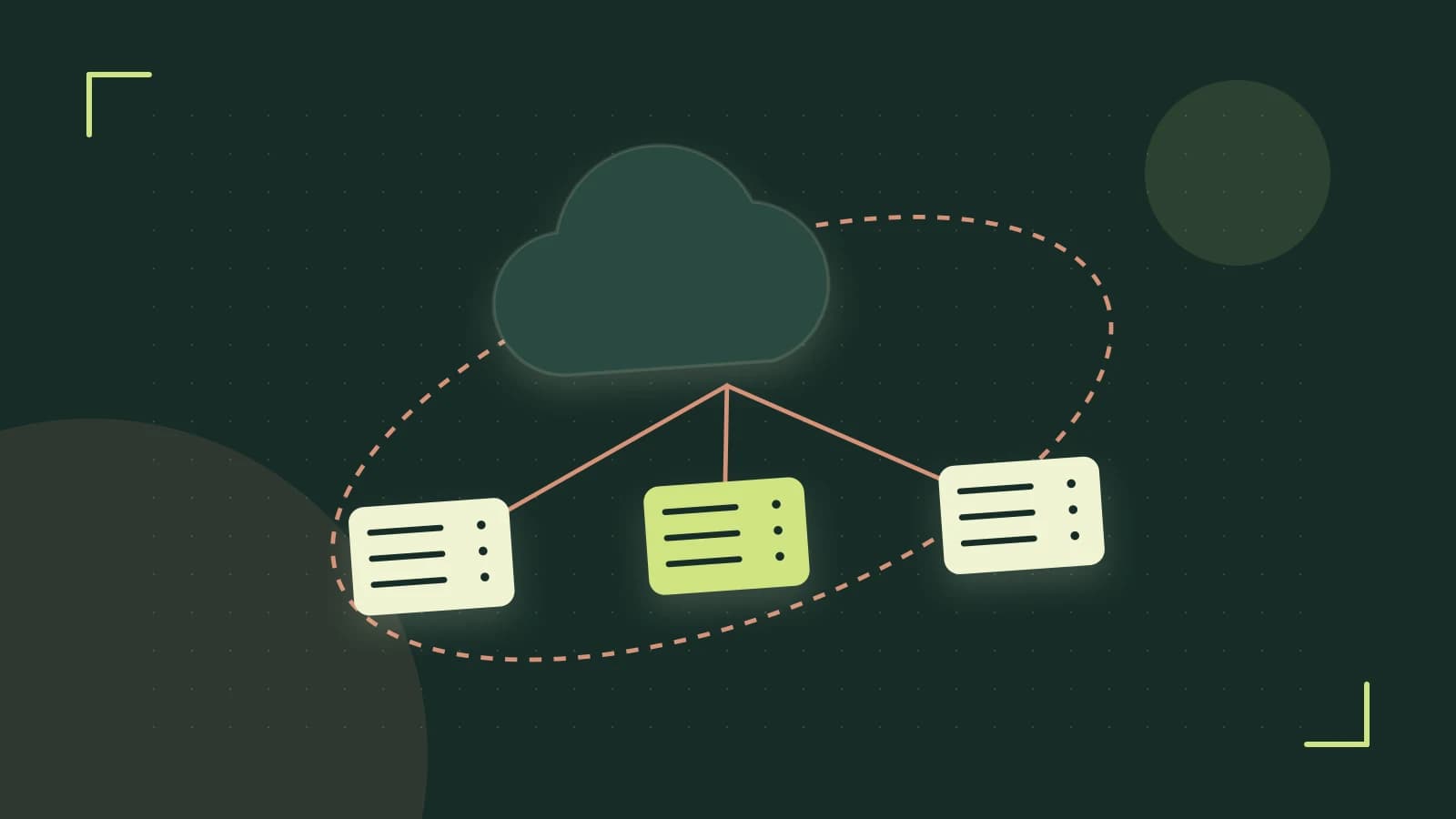
Learn how to activate FIPS‑validated cryptography in Talos Linux by adding a single kernel parameter via machine configuration, verify the setting, and understand the impact on your Kubernetes workloads.
Learn how to decide between Appwrite’s collection‑level and document‑level permissions, see a layered configuration example, and verify the outcome with simple SDK calls.
Vite eliminates slow dev server starts by leveraging native browser ES Modules. Learn how it separates dependencies from source code to maintain instant boot times.
Learn how to diagnose and fix frequent Ren'Py problems such as black screens, undefined variables, audio glitches, save corruption, and UI misalignment with a step‑by‑step guide.
Learn how to eliminate Lambda cold starts using Provisioned Concurrency. This guide covers implementation via aliases, scaling strategies for peak traffic, and how to verify results using CloudWatch.
Learn how to use Akka Cluster Sharding to ensure single-writer consistency across distributed nodes, preventing race conditions in stateful applications.
Stop stale network calls from breaking your UI. Learn how to use Fetch and AbortController to cancel requests and enforce timeouts in modern JavaScript.
Discover how ngrok’s built‑in HTTP inspector records every request and how the paid request‑replay feature lets you resend traffic to test or debug local services. The article covers setup, practical examples, limits, and common pitfalls.
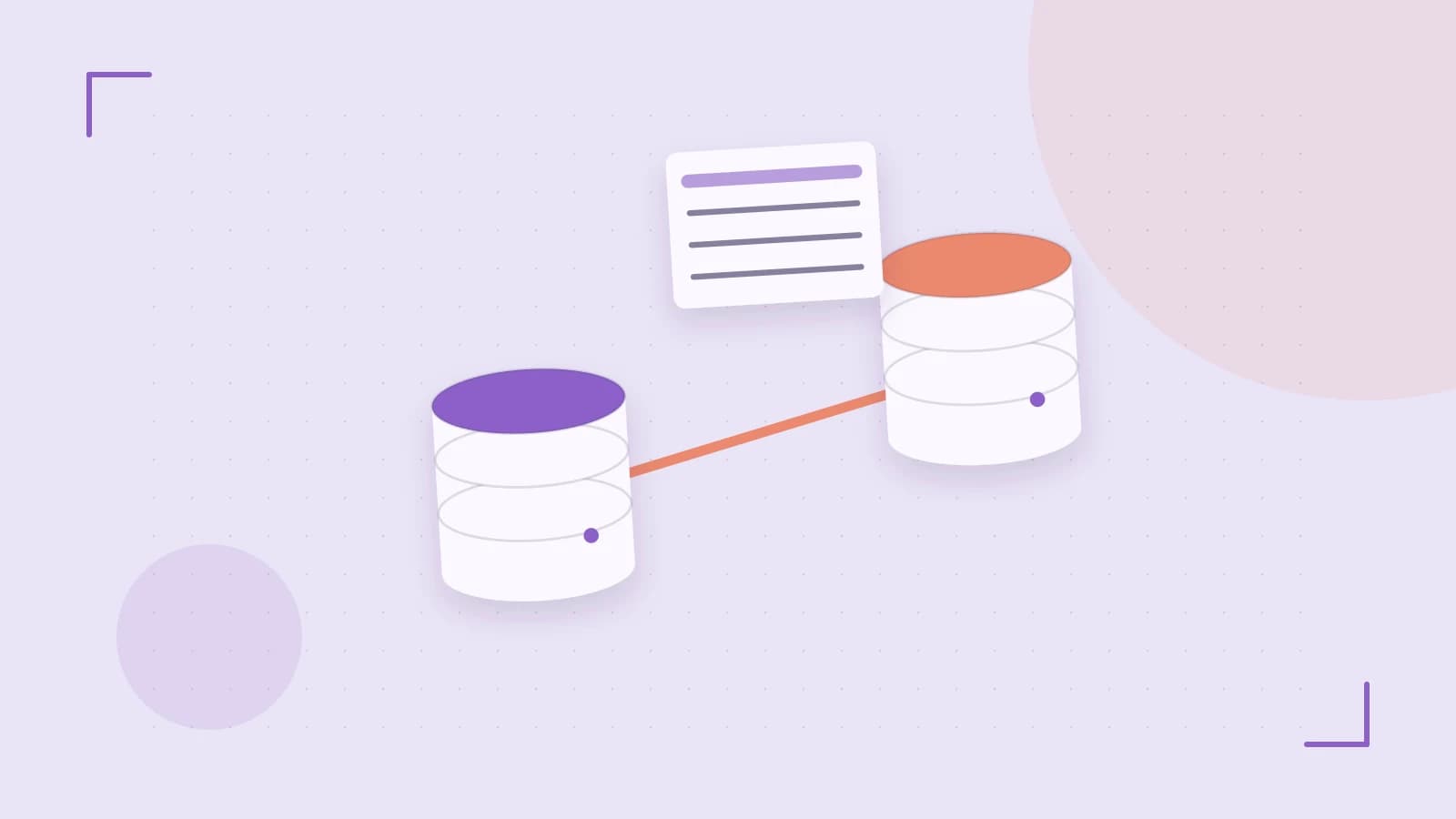
Stop relying on Primary Indexes. Learn how to implement Covering Indexes in Couchbase N1QL to eliminate the 'fetch' phase and drastically reduce query latency.
Learn how to diagnose and resolve unexpected rebuilds in Bazel by identifying action cache misses caused by environment leakage, non-deterministic toolchains, and absolute paths.
Stop struggling with text-based rebase lists. Learn how to use Towergit's visual interface to squash, reorder, and clean up feature branches before merging.
Learn how Ghost’s native membership system stores members, syncs with Stripe, and gates content—plus a step‑by‑step example and the trade‑offs to consider.
Learn how C# 9 records provide immutable data carriers with value‑based equality and concise with‑expressions, plus practical guidance on usage, trade‑offs, and verification steps.
Rendering dynamic geometry efficiently requires VBOs, mapping, and sync objects. This guide shows the minimal architecture, operational checks, failure handling, and when to switch strategies.
Argo CD’s Sync Waves let you order resources in a GitOps deployment, ensuring that dependencies like ConfigMaps or CRDs are created before the objects that need them. Learn how to configure, test, and balance waves in this practical guide.
NumPy broadcasting lets you perform element‑wise operations on arrays of different shapes by virtually expanding the smaller array. This guide explains the rules, shows a concrete example, and highlights common mistakes and limits.
Learn how openSUSE’s default Btrfs layout combined with Snapper provides instant, space‑efficient system snapshots and one‑command rollbacks after updates or package changes.
Deciding between SSG, Edge Functions, and Serverless Functions on Netlify is a balance of latency and data freshness. This guide compares the three strategies to help you optimize TTFB.
Stop relying on full database scans in CouchDB. Learn how to use MapReduce Views to create B-tree indexes for high-performance data retrieval and range queries.
Explore the architecture of Waku Store, a P2P persistence layer that enables offline message retrieval using local KV stores and cryptographic verification.
Learn how Gatling feeders inject dynamic test data from CSV, JSON, JDBC, Redis or custom sources, with a concrete example, setup steps, and key limitations to watch.
Learn how to decide between SonarQube’s Leak Period and Overall Quality Gates, see a side‑by‑side comparison, and follow a concrete setup and validation example.
Stop fighting dependency conflicts. Learn how to use Anaconda to isolate Python versions and binary dependencies for reproducible data science workflows.
Learn how to use Android WorkManager to guarantee background task execution after a reboot, with a concrete worker example, constraints, and observation via LiveData.
Learn how to keep the GUI responsive while worker threads run long tasks by using Qt::QueuedConnection, with design considerations, safety checks, and failure modes.
Learn how to allocate, use, and verify fine‑grained SVM buffers in OpenCL 2.0 to share pointers between host and kernel without explicit map/unmap calls.
Learn how to enable DataTables server‑side mode to load only the needed page of data, reducing bandwidth and keeping sorting, filtering and pagination responsive.
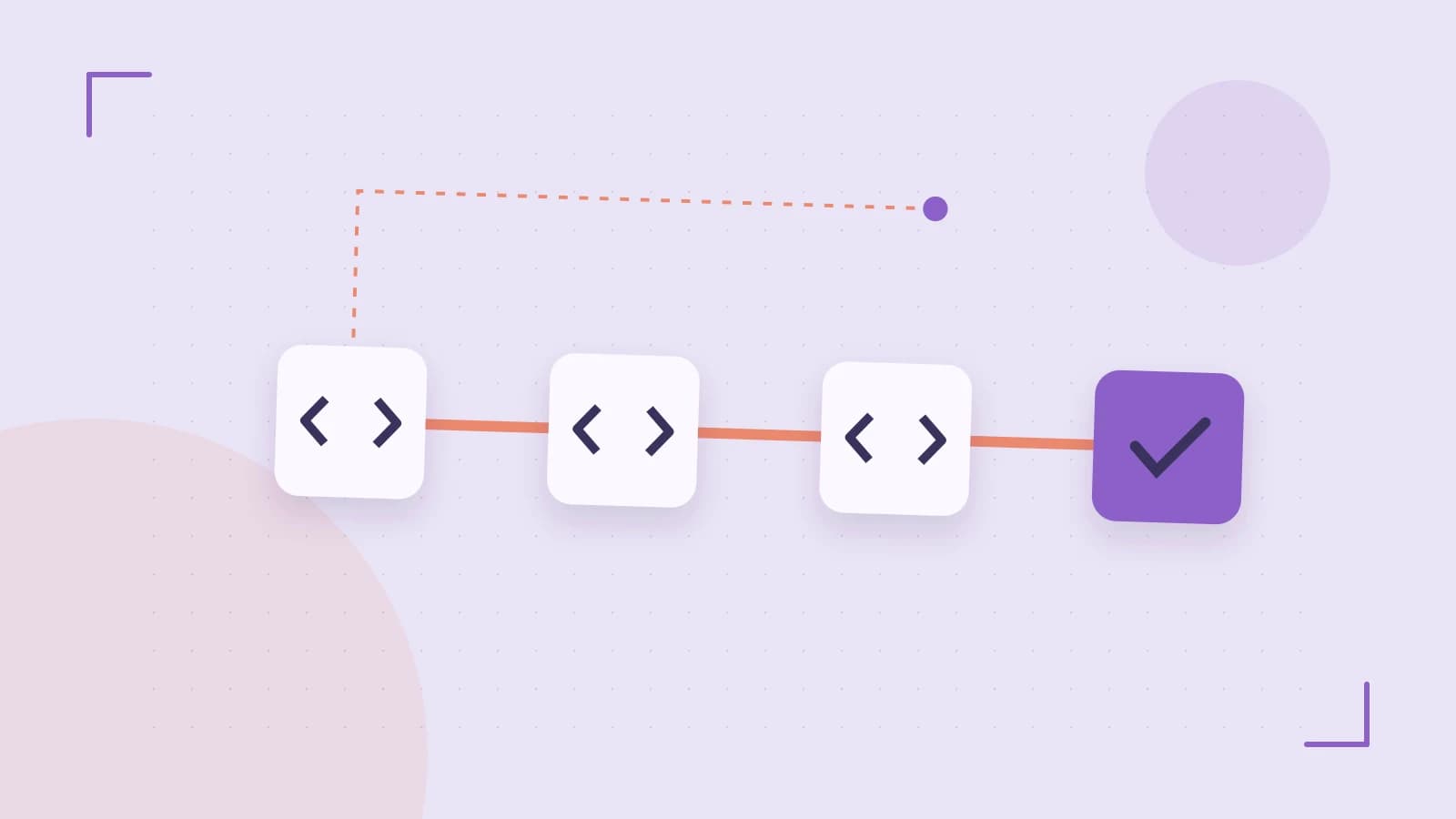
Learn how to configure Bitbucket Pipelines parallel steps to run independent tasks simultaneously, with a Maven compile/test example, verification tips, and concurrency limits to watch.
A step‑by‑step guide to identify why PyScript fails to run Python code, with checks for script order, WASM MIME type, CORS, and CSP, plus fixes and escalation paths.
Learn how Zsh glob qualifiers let you embed file‑size,‑time and‑type tests directly in a pattern, simplifying scripts that would otherwise rely on long find pipelines.
Learn how to use .qodana.yml to silence noisy inspections, manage profiles, and exclude generated code to improve the accuracy of your static analysis reports.
When your app’s first load feels sluggish, dynamic imports can slice the bundle into on‑demand chunks. This guide shows how to set them up in Webpack, verify they work, and avoid common pitfalls like browser support and load failures.
Learn how to store passwords safely with PHP's built‑in password_hash, covering requirements, minimal design, trust boundaries, operational checks, failure modes, and when to revisit the approach.
Stop hard-coding your service dependencies. Learn how to use NestJS Custom Providers (useClass, useValue, and useFactory) to build a decoupled architecture that is easy to test and configure.
Learn how to configure rootless Podman using User Namespaces to eliminate root-privileged daemons and enhance host security through subuid and subgid mapping.
A technical guide for choosing between OpenAL EFX hardware reverb and software fallbacks, featuring a decision matrix, implementation code, and validation steps.