Managing State at Scale: When to Use Akka Cluster Sharding
Stop building manual routing tables for distributed state. Learn how Akka Cluster Sharding automates entity distribution and memory management through passivation.
25 Jan 2026, 09:42 UTC
The State Distribution Problem
When building a distributed system, you often encounter a scaling wall: how to manage millions of individual stateful entities (like user sessions, IoT device shadows, or shopping carts) without overloading a single node or building a complex manual routing table. If you store everything in a database and fetch it for every request, your latency spikes. If you keep it in memory on one server, you have a single point of failure and no way to scale horizontally.
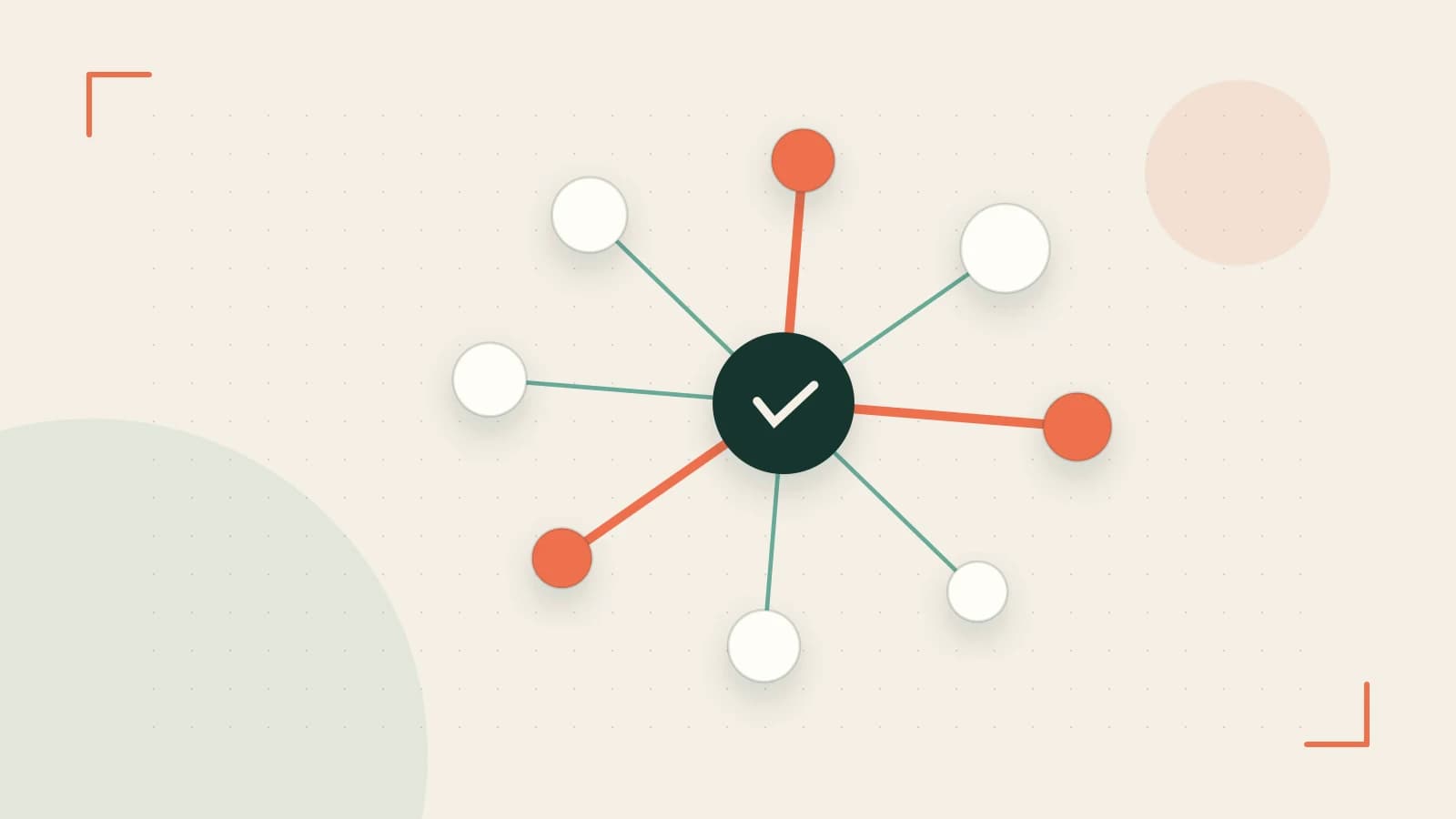
The takeaway is that Akka Cluster Sharding solves this by treating the cluster as a single large pool of resources, automatically mapping specific entity IDs to specific nodes. This provides location transparency: you send a message to an entity ID, and Akka ensures it reaches the correct actor, regardless of where that actor lives in the cluster.
How Sharding Distributes Work
Cluster Sharding uses a consistent hashing mechanism. Instead of a central directory that would become a bottleneck, the system calculates which node should host a particular entity based on its unique ID. This ensures that messages for the same entity always land on the same node, maintaining strict state consistency for that specific entity.
Passivation and Memory Management
Keeping millions of actors active in memory is impractical. Akka handles this through passivation. When an entity has been idle for a configured period, the system stops the actor to reclaim memory. When a new message arrives for that entity, the system automatically reactivates it, reloading its state from a persistent store. This allows you to handle a massive number of entities while only paying the memory cost for those currently active.
Implementing a Sharded Entity
To implement sharding, you need an EntityId (a unique identifier) and a EntityTypeKey (which identifies the type of actor being sharded). Below is a conceptual configuration for a Typed Akka system.
// Define the entity behavior
val entityBehavior = Entity.stopped { entityContext => entityId => {
  // Logic for handling messages for this specific entityId
  Behaviors.receiveMessage { message =>
    println(s"Received message for entity $entityId")
    Behaviors.same
  }
}}

// Initialize the ShardRegion
val sharding = ClusterSharding.get(system)
val typeKey = EntityTypeKey[Command]("UserSession")

sharding.init(Entity.of(typeKey, entityBehavior))

// Sending a message to a specific entity without knowing its location
sharding.entityRefFor(typeKey, "user-123").tell(SomeCommand)
Execution Context: These commands are run within the Akka ActorSystem. The entityRefFor call does not create the actor immediately; it returns a proxy that routes the message to the correct node where the actor is (or will be) hosted.
The Trade-offs: Rebalancing and Latency
Cluster Sharding is not a "silver bullet." There are two primary operational costs to consider:
- Rebalancing Latency: When a new node joins the cluster or an existing node crashes, Akka rebalances the shards to distribute the load. During this handoff, messages for affected entities may be buffered or delayed until the entity is successfully started on the new node.
- Passivation Spikes: While passivation saves memory, it introduces a latency penalty for the first request after an entity has been dormant. The system must instantiate the actor and potentially reload state from a database before the message can be processed.
To verify the distribution of your entities, you can use the Sharding stats API or inspect the /user actor hierarchy to see which ShardRegion is managing which entities.
Decision Matrix
| Scenario | Manual Routing | Cluster Sharding |
|---|---|---|
| Small number of entities | Simple/Efficient | Overkill |
| Millions of stateful entities | Complex/Fragile | Optimal |
| Strict memory constraints | Manual Cache Mgmt | Automatic Passivation |
| Dynamic Cluster Scaling | High Manual Effort | Automatic Rebalancing |
 akka
 scala
0 replies
A thoughtful contribution can make all the difference. Be the first to share one.