k3OS and the Case for an Immutable Kubernetes Node OS
k3OS stripped the Kubernetes node down to an immutable image and a YAML file. Here's why that design decision matters, how node provisioning actually worked, and what to use now that the project is archived.
25 May 2026, 01:56 UTC
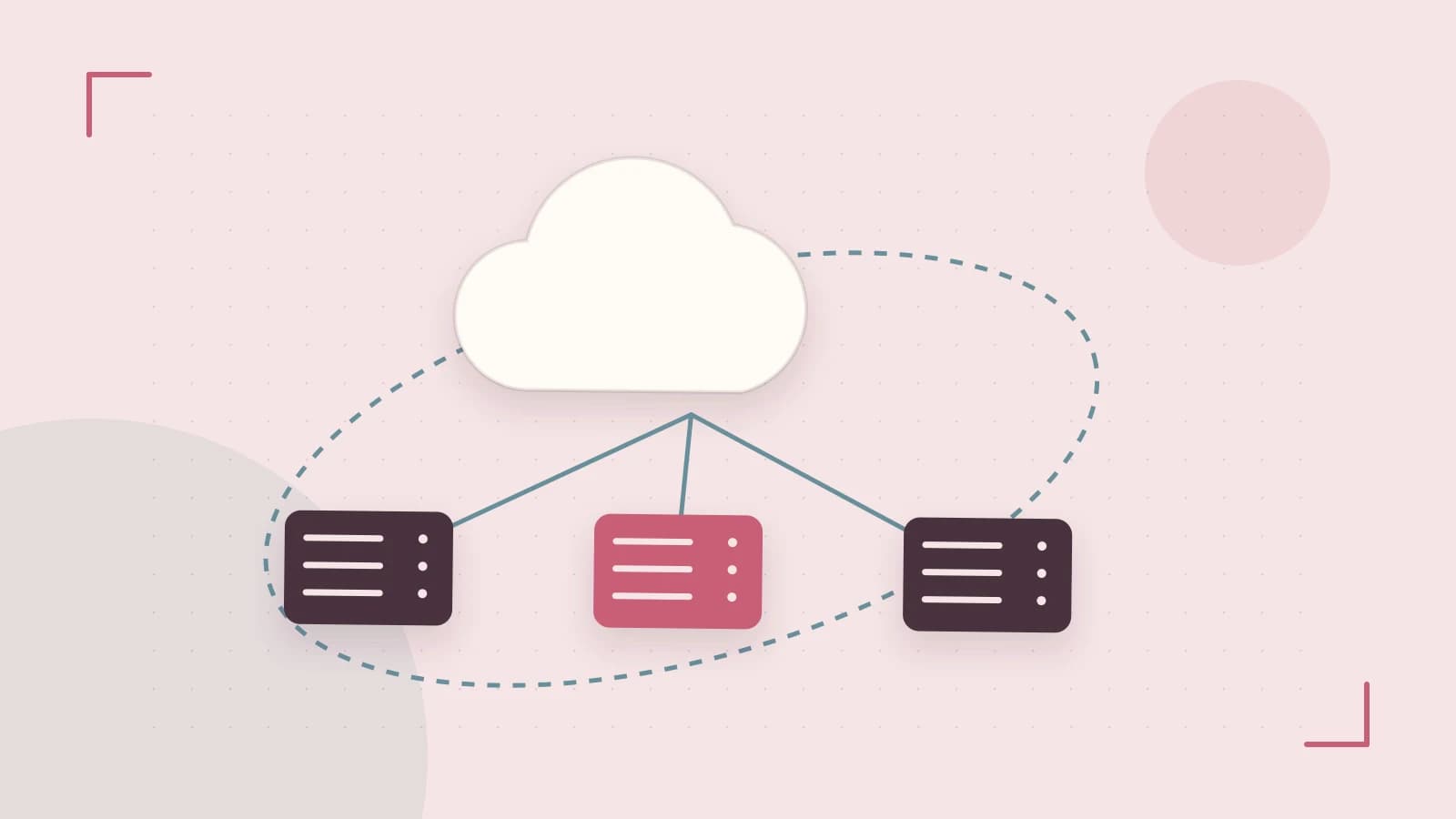
Running Kubernetes on a general-purpose Linux distribution means every node accumulates drift: a package installed here, a config edited there, a half-finished upgrade somewhere else. k3OS was Rancher's answer to that problem — a minimal operating system built to do exactly one thing: boot into a k3s node. The useful takeaway is the design pattern, not just the distro: treat the node OS as an immutable, declaratively configured artifact, and most node-level configuration management problems disappear.
One important caveat up front: k3OS is no longer actively developed (the project was archived after Rancher's acquisition by SUSE, with Elemental and other approaches taking over the niche). The engineering decisions behind it are still worth studying, and the config examples below reflect its documented behavior — but verify against the archived repository before building anything new on it.
The problem k3OS was solving
A typical k3s deployment on Ubuntu or Debian inherits everything that makes those systems flexible: apt, systemd units you can tweak by hand, and decades of accumulated tooling. That flexibility is a liability at the edge. When you manage hundreds of nodes you can't physically touch, "someone SSH'd in and fixed it" is an outage waiting to happen.
k3OS stripped the node down to a kernel, a minimal userland, and k3s. There was no package manager to abuse and no persistent root filesystem to drift. The OS image was the configuration.
Immutable root, declarative config
Two decisions did most of the work:
- Immutable root filesystem. The OS booted from a read-only image. Changes to the running system didn't survive a reboot unless they lived in explicitly writable paths. This made every node in a cluster bit-for-bit consistent after boot.
- Declarative YAML configuration. Node setup — hostname, SSH keys, network settings, k3s arguments — was expressed in a single
config.yaml, applied at boot. Provisioning a node meant writing a file, not running a runbook.
The trade-off is real: you lose the ability to make in-place fixes. If your operational culture depends on logging into nodes and editing things, an immutable OS will fight you — deliberately.
A worked example: provisioning a node
A k3OS node was configured through a YAML file, typically supplied at install time or via a cloud-init-style datasource. A representative config looked like this:
ssh_authorized_keys:
  - ssh-ed25519 AAAA... [contact removed]
hostname: edge-node-07
k3os:
  k3s_args:
    - agent
    - "--server=https://10.0.0.10:6443"
    - "--token=${NODE_TOKEN}"
  ntp_servers:
    - 0.pool.ntp.org
On first boot, the system reads this file, sets the hostname, authorizes the key, and joins the node to the cluster at 10.0.0.10 as an agent. No interactive installer, no post-boot scripting. To verify the result after boot, you'd check that the node registered:
# Run on the server node or any machine with kubeconfig
kubectl get nodes
# Expect: edge-node-07 in Ready state
If the node doesn't appear, the usual suspects are an unreachable server URL, a bad token, or the config file not being picked up by the datasource — check boot logs with journalctl -b on the node console.
Upgrades: replace, don't patch
Package-level updates didn't exist in k3OS. An upgrade meant replacing the OS image and rebooting. That's a heavier operation than apt upgrade, but it's atomic and reversible in concept: if the new image fails, you boot the old one. The cost is that every security patch requires a node reboot, so clusters need enough capacity to tolerate rolling restarts — which, to be fair, Kubernetes workloads should already assume.
Limitations worth knowing
- k3s-only. k3OS was not a general-purpose OS. If you needed agents, drivers, or tooling outside the Kubernetes workload itself, you had to containerize them or look elsewhere.
- Project status. The repository is archived. For new deployments, evaluate maintained alternatives (e.g., Elemental, Talos, or Flatcar) that follow the same immutable, declarative model.
- Debugging friction. A read-only root means debugging tools must be present in the image or run as privileged containers; you can't just install
tcpdumpmid-incident.
What to take from it
Even if you never run k3OS, its core decision is worth stealing: make node state reproducible by making it replaceable. Define node configuration as data, keep the OS read-only where possible, and treat upgrades as image swaps. If you want to see the pattern in action, the archived k3OS repository and its install docs are still readable — spin up a VM, boot the ISO, and watch a node go from powered-off to cluster member with nothing but a YAML file.
 k3s
k3s kubernetes
 k3os
k3os0 replies
A thoughtful contribution can make all the difference. Be the first to share one.