Handling Read-Heavy Spikes with Scalingo PostgreSQL Read Replicas
Learn how to resolve database bottlenecks using Scalingo's managed PostgreSQL read replicas and HPA-driven autoscaling to handle read-heavy traffic spikes.
28 Sept 2025, 10:26 UTC
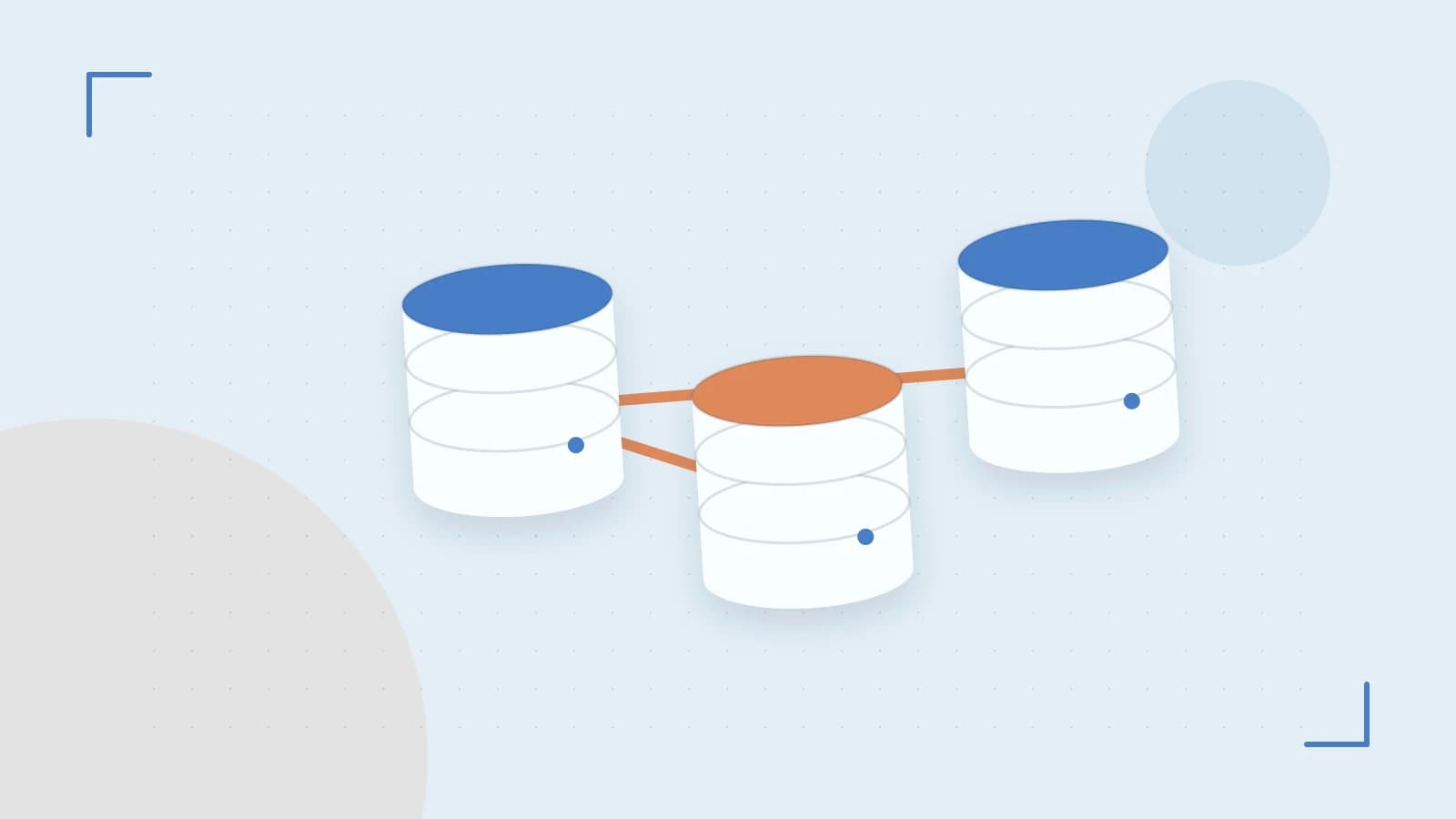
The Bottleneck of a Single Primary Database
When a PostgreSQL application grows, the primary database often becomes the bottleneck not because of write volume, but because of read-heavy operations. Complex reporting queries, high-traffic API endpoints, and administrative dashboards compete for the same CPU and memory resources as your critical write transactions. This contention leads to increased latency for end-users and can eventually crash the primary instance.
The solution is to offload read traffic to read replicas. On Scalingo, this is handled via a managed PostgreSQL service that leverages Kubernetes Horizontal Pod Autoscaler (HPA) to scale read capacity dynamically based on demand.
Architecture: Shared Storage and HPA
Unlike traditional replica setups that require separate data volumes and continuous streaming replication over the network, Scalingo's architecture utilizes a ReadWriteMany (RWX) Persistent Volume Claim (PVC). This allows multiple replica pods to access the same underlying storage volume.
The scaling mechanism is driven by the HPA, which monitors specific metrics—typically CPU utilization. When the average CPU across your current replicas exceeds a defined threshold, the HPA triggers the creation of additional replica pods. Because these pods share the storage volume, they can spin up quickly without needing to perform a full data synchronization from the primary.
Implementing a Read-Write Split
To take advantage of this, your application must be configured to distinguish between write operations (INSERT, UPDATE, DELETE) and read operations (SELECT). You cannot simply point all traffic to a single endpoint; you need a strategy to route traffic to the replica pool.
Example: Connection Routing in Node.js
In a typical setup, you will have two environment variables provided by Scalingo: DATABASE_URL (pointing to the primary) and a specific replica endpoint (e.g., DATABASE_REPLICA_URL). Here is a conceptual implementation using a connection pool manager:
const { Pool } = require('pg');

// Primary pool for writes and critical reads
const primaryPool = new Pool({ connectionString: process.env.DATABASE_URL });

// Replica pool for heavy read operations
const replicaPool = new Pool({ connectionString: process.env.DATABASE_REPLICA_URL });

async function getUserData(userId) {
  // Route read-only query to the replica pool
  const result = await replicaPool.query('SELECT * FROM users WHERE id = $1', [userId]);
  return result.rows[0];
}

async function updateUserSettings(userId, settings) {
  // Route write query to the primary pool
  await primaryPool.query('UPDATE users SET settings = $1 WHERE id = $2', [settings, userId]);
}
Verification and Monitoring
To verify that the autoscaling is functioning, you can monitor the replica count during a load test. If you have access to the underlying cluster tools, run the following command to check the HPA status:
# Run on the cluster management console
kubectl get hpa -n [your-namespace]
Expected Check: Look for the TARGETS column. If the current CPU percentage is higher than the target, you should see the REPLICAS count increase from the minimum to the current active count.
Trade-offs and Operational Limits
While automated scaling simplifies capacity planning, it introduces specific technical trade-offs:
- Cross-Zone Latency: Depending on how the pods are distributed across availability zones, queries to a replica may incur slightly higher network latency than a local query to the primary.
- Metric Thrashing: If the HPA threshold is set too tight (e.g., 50% CPU), the system may enter a "thrashing" state where pods are constantly created and destroyed in response to minor fluctuations.
- Consistency Lag: Although the shared storage reduces some synchronization overhead, there is still a brief window where a read from a replica might not reflect a write that just occurred on the primary (eventual consistency).
Practical Summary
Managed read replicas are most effective for applications with a high read-to-write ratio. To implement this successfully, ensure your application logic separates the DATABASE_URL from the DATABASE_REPLICA_URL and set your HPA thresholds conservatively to avoid unnecessary pod churn. For critical data that must be read immediately after a write, always route those specific queries to the primary instance.
 scalingo
 postgresql
0 replies
A thoughtful contribution can make all the difference. Be the first to share one.