Gardener Shoot Lifecycles: Declarative Control Across Cloud Providers
Gardener separates management and workload with Seed and Shoot clusters. A declarative Shoot object lets you provision and scale Kubernetes across AWS, Azure and GCP through a provider abstraction and reconciliation loop.
30 Nov 2025, 18:04 UTC
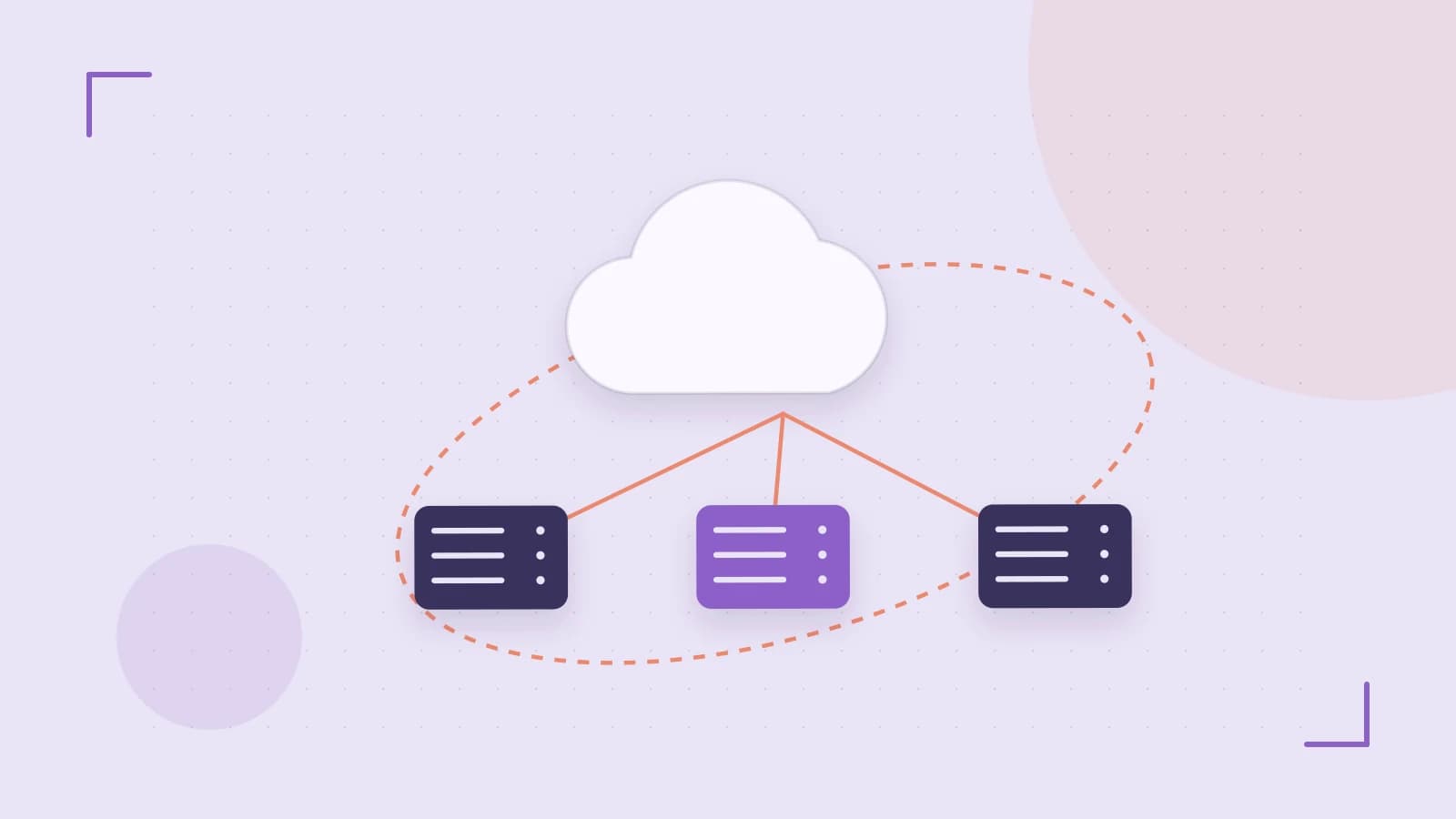
The problem is familiar: you want the same Kubernetes platform shape on AWS, Azure and GCP without maintaining three separate Terraform modules and a runbook for each provider's quirks. Gardener's answer is to keep the management plane separate from the workload plane and express a Shoot cluster as a declarative object that a Seed cluster reconciles.
The useful takeaway is this: describe the desired Shoot once, let the Seed's reconciliation loop translate it through a provider abstraction, and rely on MachineDeployment/MachineSet semantics for worker scaling. You trade operational simplicity for a hard dependency on Seed health.
Seed and Shoot separation
A Seed cluster is the management cluster that runs Gardener controllers. A Shoot cluster is the user-facing workload cluster that Gardener provisions and manages. The separation means control plane upgrades, backups and credentials live in Seed, while tenants interact only with their Shoot.
This design isolates blast radius for management operations but creates a single point of management. If the Seed cluster is unavailable, no Shoot can be created, updated or healed. Health checks should therefore monitor Seed API availability and controller manager restarts separately from Shoot readiness.
Declarative Shoot lifecycle
The Shoot object is the source of truth. It declares cloud provider, region, machine type, Kubernetes version and worker configuration. Gardener's controllers continuously compare the Shoot spec with the actual cloud state and correct drift.
Worker autoscaling is expressed via the workers block. Depending on Gardener version and provider, the controller materializes this as a MachineDeployment or MachineSet. Changing the desired replica count in the Shoot spec is the intended way to scale, not manual node group edits.
To inspect state, run from a workstation with access to the Seed API and a role that can read garden.shoot resources:
kubectl get shoot <shoot-name> -n <project-namespace> -o yamlCheck the status.conditions for Ready and the worker status for actual replica counts. This is the practical way to verify reconciliation progress without assuming success.
Provider abstraction in practice
Gardener implements a provider-specific extension layer. The generic Shoot spec is translated into provider API calls for AWS, Azure or GCP. That abstraction reduces duplication but does not erase provider differences.
A minimal Shoot manifest illustrates the shape. Replace placeholders with your project, seed and cloud values. This is illustrative, not a tested deployment:
apiVersion: shoot.gardener.cloud/v1beta1
kind: Shoot
metadata:
  name: <shoot-name>
  namespace: <project-namespace>
spec:
  cloudProfileName: <cloud-profile>
  secretBindingName: <secret-binding>
  region: <region>
  provider:
    type: aws
    workers:
    - name: worker
      machine:
        type: <machine-type>
      maximum: 5
      minimum: 2
  kubernetes:
    version: <k8s-version>
Apply it against the Seed API:
kubectl apply -f shoot.yamlRequired permissions include create/get on shoots in the target namespace and read access to the referenced SecretBinding. Risk: an incorrect machine type or unsupported Kubernetes version for the provider can cause provisioning to stall. Verify supported versions via the CloudProfile before applying.
To scale workers, edit the workers block to change minimum/maximum or the desired replica count and reapply. Gardener reconciles the change through the provider extension. Expect node replacement rather than in-place resize for most instance types, which can cause workload disruption if pods are not tolerant.
Trade-offs and limits
Multi-cloud uniformity comes with complexity. Provider API behaviors differ for networking, IAM and machine images, so the abstraction leaks in edge cases. Version skew between Gardener core and the Kubernetes versions the cloud provider supports can lead to provisioning failures. Always confirm compatibility in the CloudProfile and Gardener release notes.
The Seed dependency is the biggest operational limit. Back up etcd, monitor controller manager logs, and avoid co-locating critical Seed components with a single Shoot.
A practical verification habit is to trace a change: update the Shoot spec, watch the Shoot status conditions, and inspect controller logs for the shoot-controller and the provider extension to confirm the reconciliation path from Shoot object to provider API call. This confirms the loop is working without assuming it.
Use Gardener when you need repeatable, declarative Shoot provisioning across clouds and can accept centralized management. Keep Seed highly available, pin compatible versions, and treat worker changes as disruptive operations that require pod disruption budgets.
 gardener
 kubernetes
0 replies
A thoughtful contribution can make all the difference. Be the first to share one.