Choosing Read the Docs for Multi-Version Documentation: A Practical Engineering Decision
Read the Docs automatically builds documentation from Git repositories when code is pushed, supporting multiple versions simultaneously. Learn how to set it up and the trade-offs involved.
17 Nov 2025, 09:06 UTC
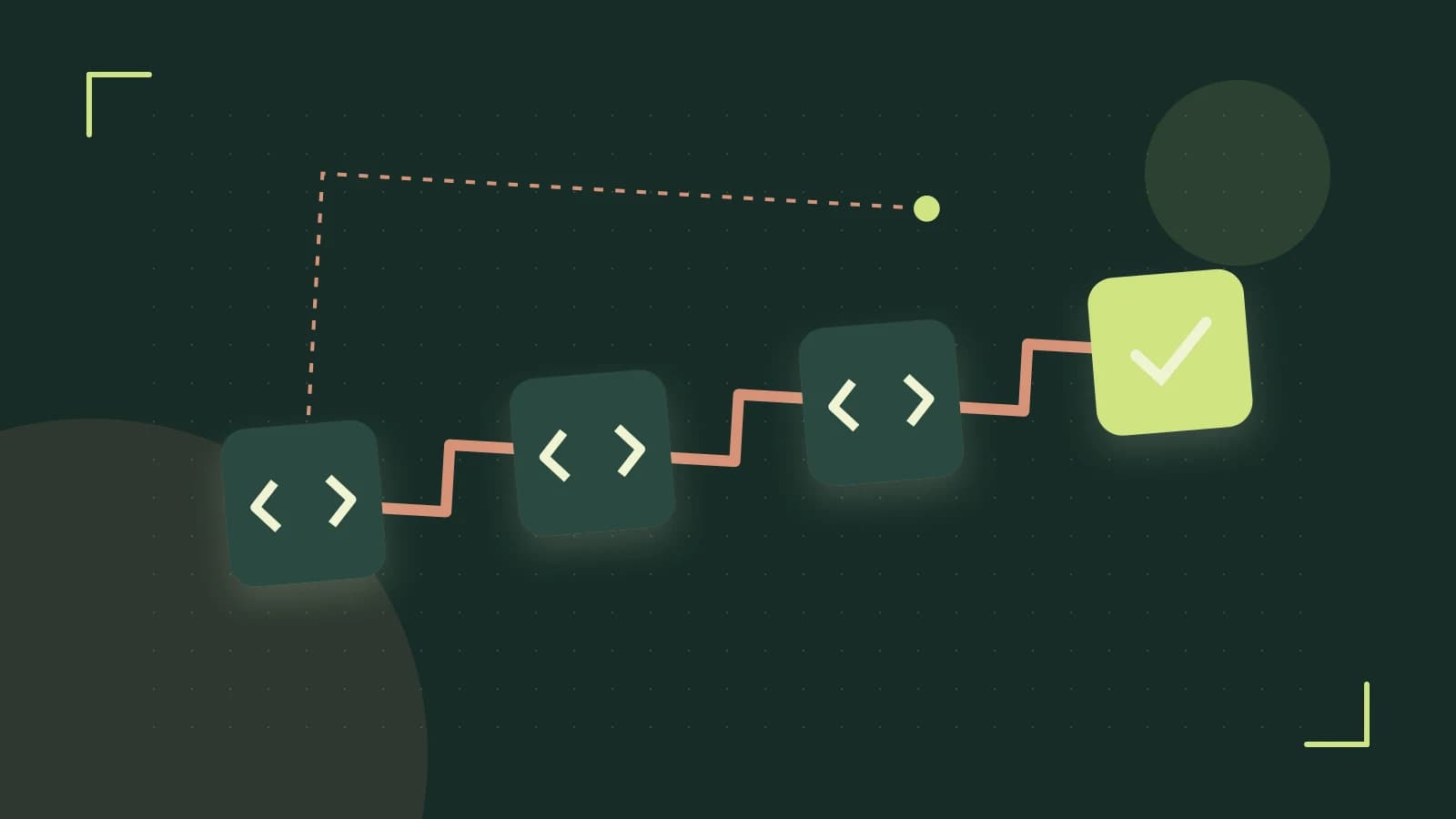
The Real Cost of Maintaining Documentation Across Versions
When your project releases v1.0, v1.5, and v2.0 within months, which documentation version should users see? Hardcoding links or manually copying files creates maintenance debt that grows with each release. Read the Docs solves this with automatic versioning directly from your version control system.
Why Read the Docs Works Differently
Unlike static documentation hosts, Read the Docs integrates with your Git workflow. When you push a tag like v1.0.0 to GitHub, it automatically builds and publishes that version. Your main branch becomes the "latest" version, always reflecting current development. This eliminates manual deployment steps and ensures documentation matches code exactly.
Supported Formats and Build Outputs
The platform parses reStructuredText, Markdown, and MyST formats, generating HTML for web viewing plus PDF and ePub for offline use. A readthedocs.yaml configuration file specifies builders, themes, and dependencies, making builds reproducible across environments.
Worked Example: Setting Up Automatic Builds
Create a readthedocs.yaml file in your project root:
version: 2
build:
  os: ubuntu-22.04
  tools:
    python: "3.11"

sphinx:
  configuration: docs/conf.py

text:
  fallback_theme: basic

types:
  - html
  - pdf
After connecting your repository in the Read the Docs dashboard, the platform will trigger builds on each push. Check build logs in the web interface to diagnose parsing errors—common issues include missing dependencies or misconfigured Sphinx extensions.
Trade-offs and Limitations
Build times increase significantly for projects with complex Python dependencies or custom themes. Large documentation sets can take several minutes to build, and the free tier only supports public repositories, requiring paid plans for private documentation. During high-traffic periods, the platform may experience delays in serving documentation, though this rarely affects build reliability.
Practical Verification Steps
- Create a test project on readthedocs.org linked to a GitHub repository
- Add a simple
README.mdand verify automatic builds trigger on push - Create a git tag like
v1.0.0and confirm it appears as a selectable version - Check the build logs to ensure no parsing or building errors occurred
For most open-source projects, the automatic versioning and zero-config setup outweigh build time concerns. Start with the free tier to validate the workflow before committing to paid features.
 readthedocs
0 replies
A thoughtful contribution can make all the difference. Be the first to share one.