Architecting Non-Destructive Pipelines with GIMP's GEGL Graph
Explore how GIMP uses the GEGL library to implement non-destructive image editing via Directed Acyclic Graphs (DAGs) and memory-efficient tiling.
18 Jul 2025, 11:23 UTC
The Problem: Destructive Pixel Manipulation
Traditional image processing relies on destructive editing, where applying a filter permanently alters the pixel values of a layer. To revert a change, the user must rely on an undo stack, which consumes significant memory and prevents the adjustment of parameters after the operation is complete. The technical challenge is implementing a system that allows complex filter chains to be modified in real-time without duplicating massive image buffers in RAM.
The GEGL Architecture: A Directed Acyclic Graph (DAG)
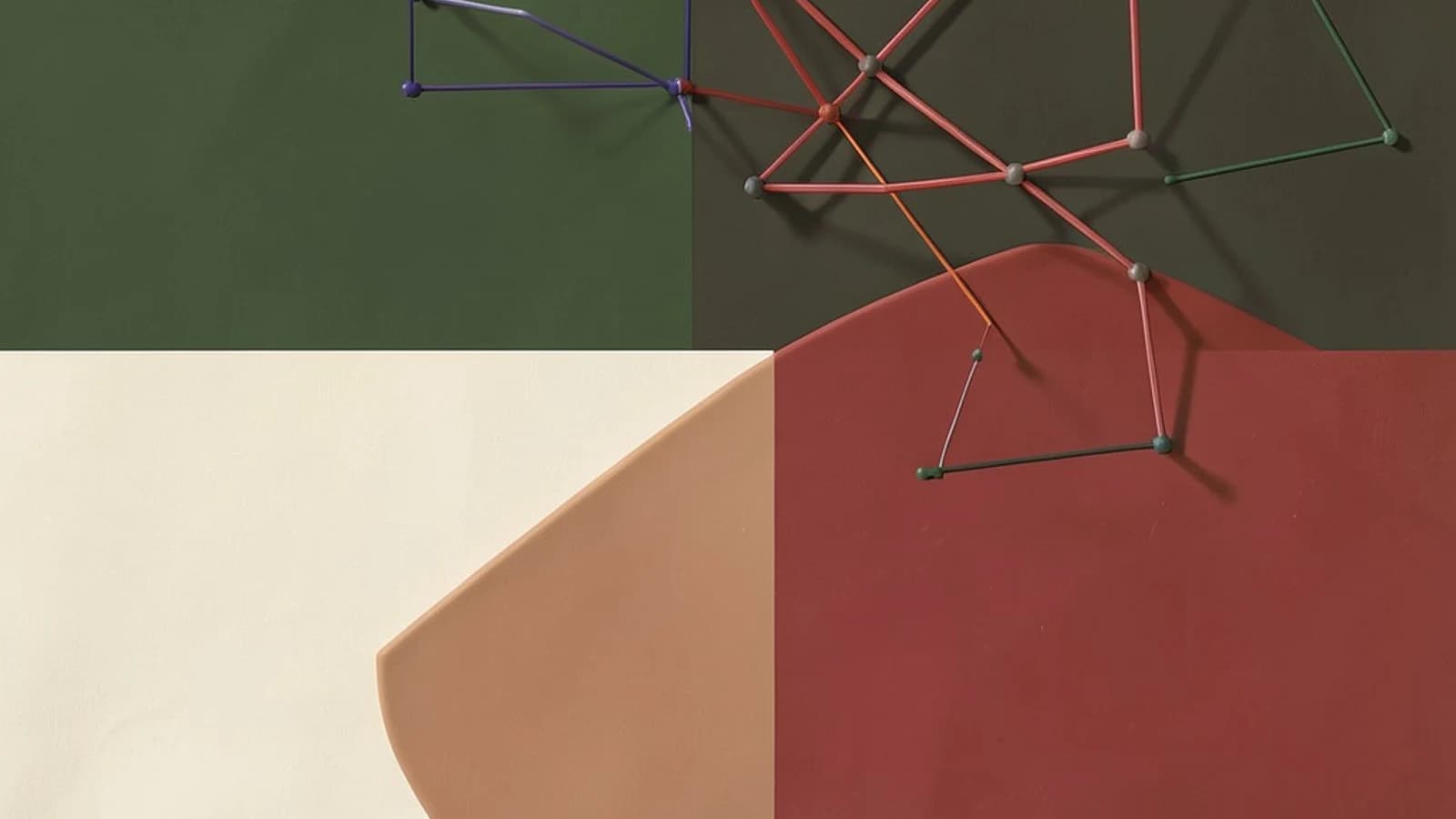
GIMP addresses this through GEGL (Generic Graphics Library). Instead of treating an image as a static array of pixels, GEGL treats it as a Directed Acyclic Graph (DAG). In this model, the image is the starting node, and every filter or adjustment is a subsequent node in the graph. The final output is only calculated when the pixels are actually needed for display or export.
Smallest Suitable Design for Non-Destructive Processing
The core design separates the representation of the operation from the execution of the pixel math. The smallest functional unit of this design consists of three components:
- Nodes: Individual operations (e.g., Gaussian Blur, Color Balance) that define how to transform input pixels into output pixels.
- Buffers: Temporary storage areas that hold processed pixel data.
- The Scheduler: A mechanism that determines the order of operations and manages the flow of data between nodes.
Data Boundaries and Memory Management
To prevent memory exhaustion when processing high-resolution images, GEGL employs Tiling. Rather than loading an entire 10,000-pixel layer into memory, GEGL breaks the image into small, manageable blocks (tiles).
Data boundaries are strictly maintained by passing these tiles between nodes. A node receives a buffer of pixels, performs its specific calculation, and passes the result to the next node. This isolation ensures that the original source image remains untouched until the user explicitly "commits" the changes (e.g., by flattening the image or exporting to a file).
Operational Checks and Verification
To verify that a process is utilizing the GEGL graph rather than a legacy destructive method, you can monitor the system's memory behavior during a high-resolution operation.
Verification Steps:
- Open a high-resolution image (e.g., 50MB+ TIFF) in GIMP 2.10+.
- Apply a GEGL-based filter (found under the
Filtersmenu). - Observe the system monitor. If the memory usage remains relatively stable or grows in small increments rather than spiking to the size of the full image multiplied by the number of layers, the tiling mechanism is functioning.
- Adjust the filter parameters in the tool options. Immediate updates to the preview without re-running the entire filter from scratch indicate the DAG is lazily evaluating only the visible area.
Failure Modes and Performance Constraints
| Failure Mode | Cause | Technical Result |
|---|---|---|
| Memory Exhaustion | Excessive graph depth or overly large tile sizes. | Application crash or fallback to disk swapping (extreme slowdown). |
| Preview Latency | Deeply nested nodes requiring multiple passes per pixel. | Lag between slider movement and visual update. |
| Buffer Overflow | Incompatible color space conversions between nodes. | Visual artifacts or "striping" in the rendered output. |
Conditions for Design Evolution
The current DAG architecture is optimized for CPU-bound tiling. The design would require a fundamental shift if the following conditions occur:
- GPU Integration: Moving from CPU tiles to GPU textures would require replacing the buffer-passing logic with a shader-based pipeline (e.g., OpenCL or Vulkan).
- Real-time Video: The current lazy evaluation is designed for static images; streaming high-frame-rate video would require a more aggressive caching strategy than the current tiling system provides.
 gimp
gimp0 replies
A thoughtful contribution can make all the difference. Be the first to share one.