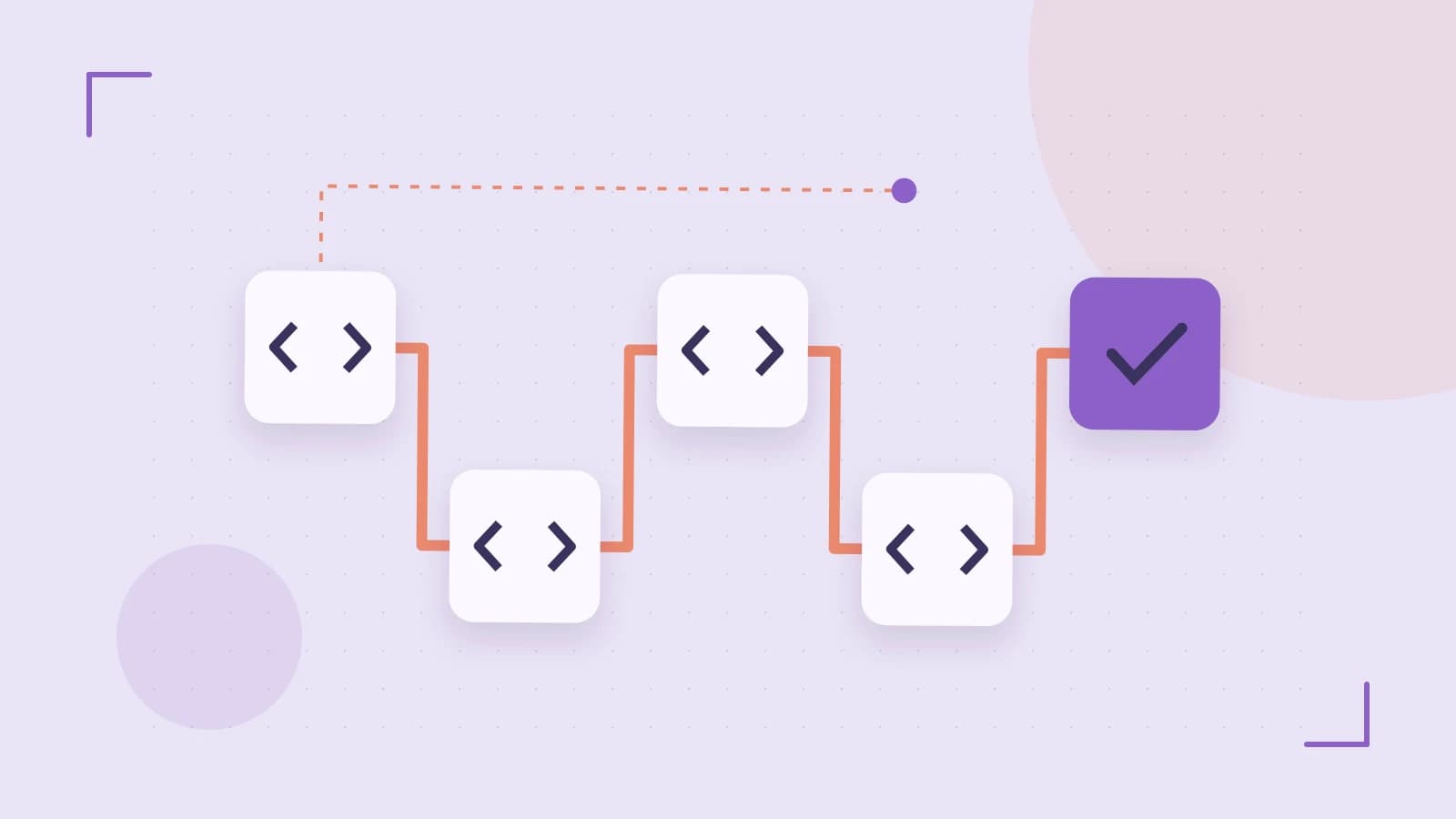
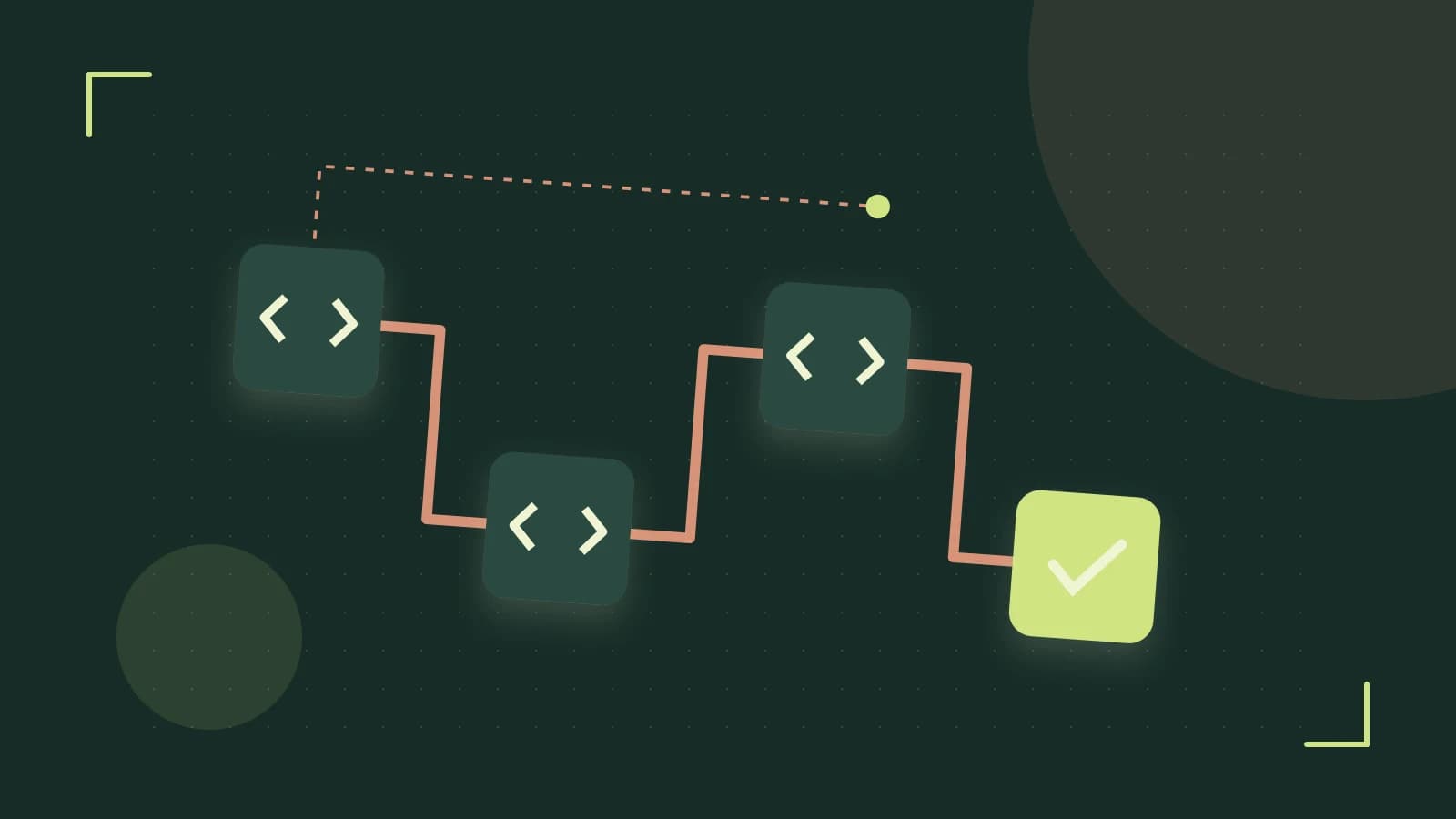
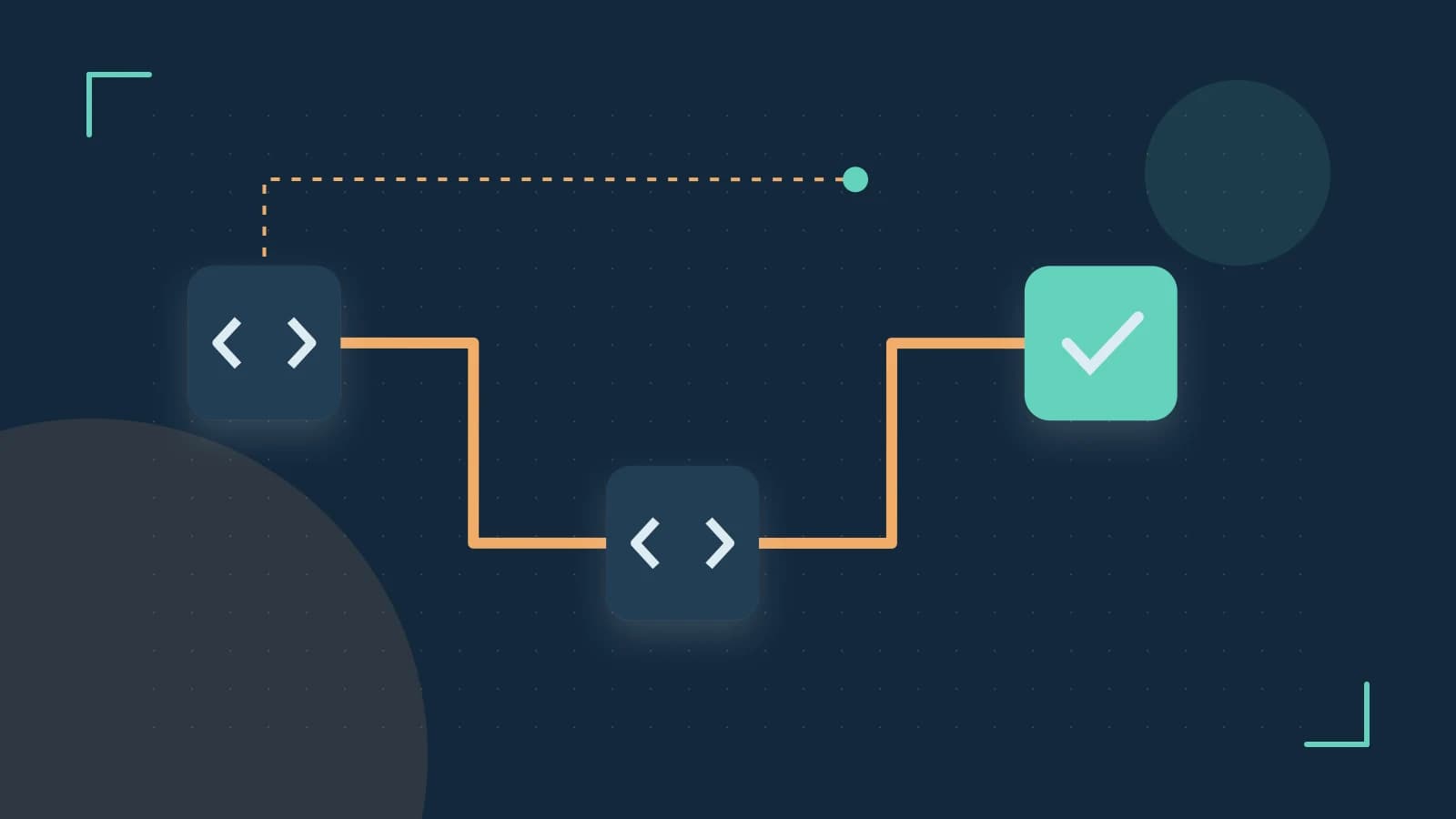
Ecto.Multi composes multiple Repo operations into a single atomic transaction with named steps and explicit dependencies. This guide shows a registration example, explains limits like single-transaction scope and no auto-retry, and covers common mistakes such as nesting or mixing manual Repo calls.
Vue Storefront's default client-side rendering hurts LCP and SEO. Adding Nuxt 3 SSR streams fully formed HTML from the server, reusing existing GraphQL composables. A minimal config, static generation for catalog pages, and the memory/hydration trade-offs you'll actually hit.
ProcessWire models all content as Pages with reusable Fields, making relationships first-class and editable in the admin without custom tables. Selectors provide a readable query language that returns Page objects, trading raw SQL control for template readability and rapid iteration.
Rollup's incremental materialized view refresh reduces recomputation overhead by up to 90% for Spark workloads, but requires careful configuration around partition keys, trigger intervals, and join complexity to avoid fallback to full refresh.
Unpredictable latency in Capacitor's Bridge stems from asynchronous JSON serialization. Optimize large data transfers by chunking payloads rather than sending monolithic objects.
If ARM64 servers underperform despite low CPU load, the bottleneck is likely frequency throttling, memory saturation, TLB overhead, or SVE underutilization. Use specific perf counters to diagnose.
A practical architecture note for synchronizing child input values to parent state in StencilJS using @Prop and @Event, including trust boundaries and failure checks.
Stata imports may store numeric-looking variables as strings, breaking analysis commands. Learn to detect the type with describe and convert safely using destring.
After a Symfony deploy, users may see stale pages because the Cache-Stamp header does not change when the cache is rebuilt. Check headers before rolling back.
When multi-pass effects fail due to read-write hazards, the ping-pong pattern using two FBOs solves the problem by ensuring data is read from a completed state before being written to a new state.
DCGs let you write context‑free grammars declaratively; they compile to ordinary predicates with a difference‑list argument, enabling parsing and generation in one step.
Use Storybook's 'args' metadata to achieve type-safe, interactive component testing without modifying source code. This feature allows runtime prop manipulation via the Controls UI.
Choose between a shared Puppeteer context and incognito contexts for parallel automation. Compare isolation, memory, startup cost and safety, then use a bounded context pool with proper cleanup and validation.
Slack's Workflow Builder automates team processes without code. Build incident response, onboarding, or approval workflows that trigger on messages, reactions, or schedules.
Control guest network access using pfSense captive portal with local users, RADIUS/LDAP, or vouchers. Configure session timeouts, verify authentication logs, and understand security limitations.
A diagnostic guide for Qt QThread misuse: distinguish subclassing QThread from the moveToThread worker pattern, with symptoms, checks, fixes, and escalation criteria.
Learn how to implement rootless containers using Podman. This guide covers subordinate ID configuration, user namespace mapping, and overcoming common limitations like privileged port binding.
Learn how to route read-only workloads to a secondary replica in Premium and Business Critical tiers using ApplicationIntent=ReadOnly, and how to verify the routing while accounting for replication lag.
To prevent message loss upon RabbitMQ broker restarts, set the queue as durable and ensure published messages use delivery_mode=2 (persistent). This dual configuration guarantees message survival across failures.
Stop writing a new Storybook story for every prop combination. CSF args and the Controls addon let you define component inputs once and explore every variant live in the browser—no reloads, no duplicate files.
Slack bot tokens authenticate API calls but require channel membership to post messages. This guide covers OAuth 2.0 setup, configuration, and common pitfalls.
Learn how to set up a practical CSS Grid layout, understand its browser limits, avoid common mistakes like over‑nesting or confusing it with Flexbox, and verify the result with DevTools and compatibility tables.
WebStorm's Local History captures every file change—keystrokes, refactors, external edits—independent of Git. Learn how to recover deleted code blocks, audit automated refactorings, and configure retention before you need it.
Step‑by‑step guide to identify and resolve Datadog ingest pipeline throttling, covering condition signs, cause analysis, ordered checks, fixes, and escalation.
NetworkX stores adjacency as a dict of dicts to support arbitrary nodes and rich attributes. That flexibility enables incremental building and attribute filtering, with trade-offs in memory and speed at scale.
A concise guide showing how Racket's async library lets you write non‑blocking I/O, with a concrete web‑scraper example and practical verification steps.
TortoiseGit's Amend last commit checkbox lets you fold a forgotten change into the previous local commit before pushing. It rewrites HEAD, so it is safe only for unshared history.
Use Portainer's built-in RBAC to give each team visibility only to the Docker endpoints they own—no separate Portainer instances required. Walk-through with concrete team/endpoint assignments, verification steps, and the limitations you accept.