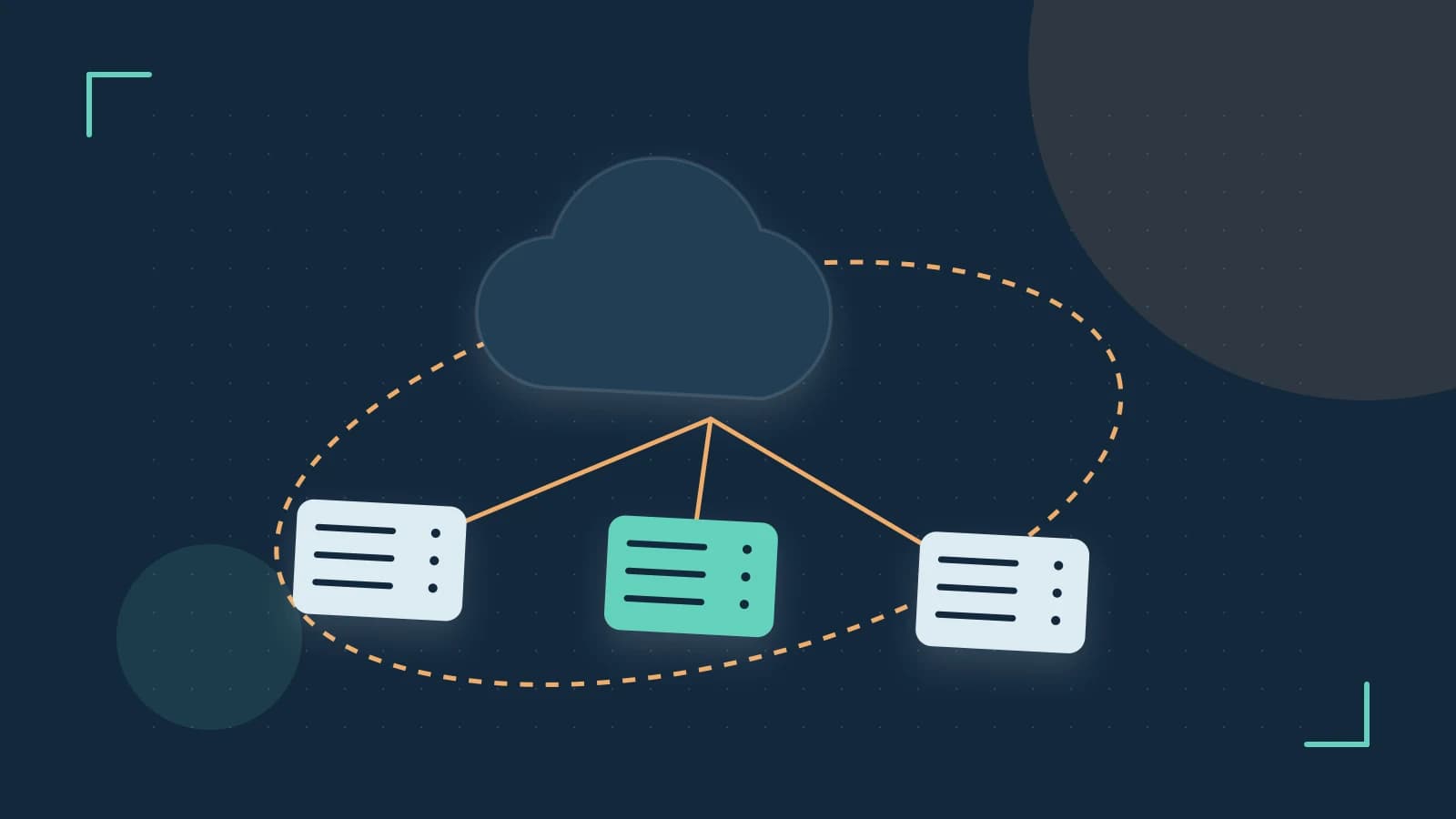
Tomcat NIO decouples connections from worker threads. Tuning maxThreads, maxConnections and acceptCount together avoids thread exhaustion and hidden queuing under load.
Legacy /sys/class/gpio GPIO is deprecated on Raspberry Pi OS Bookworm. Learn to detect chips, map BCM lines, and toggle GPIOs with gpiodetect, gpioinfo, gpioset, and gpioget.
Choose the Client SDK for browser-based Appwrite database access and the Server SDK only for trusted backends. A decision guide with permission trade-offs and validation steps.
Learn how to enable Row‑Level Security in Supabase, write a simple “one‑row‑per‑user” policy, and avoid common pitfalls like owner bypass and unauthenticated access. Follow the step‑by‑step guide and practical checklist to secure your tables today.
tRPC removes separate API schemas by exporting your server router type to the client. See a protected-procedure example with Zod and context, plus the coupling limits that matter for third-party consumers.
A decision guide for storing data in Safari. Compare LocalStorage and IndexedDB for quotas, data types, and Safari's tracking protections, then validate your choice in Web Inspector.
A Spring MVC endpoint returns HTTP 400 when a required @RequestParam is missing. Learn how to trace the cause to a name mismatch, missing default value, or binding conflict.
Azure SQL Database Automatic Tuning can shift query execution plans automatically. This post walks through the three modes, when Parameter Sensitive Plans help, and how to inspect and control plan changes with T-SQL.
Design pattern for Nuxt 3 server routes with Nitro, covering trust boundaries, runtimeConfig separation, operational checks, and when to scale beyond co-location.
NPSS standardizes policy-based access control in healthcare exchanges using PDP/PEP architecture and ABAC, with a concrete consent-evaluation example and practical trade-offs.
Learn how Gatsby's build-time image pipeline works, how to configure gatsby-plugin-image with StaticImage and GraphQL, and which mistakes break builds.
Reduce context switching by storing API requests as versioned .http files inside your WebStorm project, with environment variable support and inline test scripts that run within the IDE.
Spyder's IPython kernel integration uses a lightweight client-server model over ZeroMQ. This guide explains the minimal design, trust boundaries, operational checks, failure modes, and when to change the architecture for remote kernels or protocol updates.
Zig’s defer and errdefer statements give deterministic scope-exit cleanup and error-only rollback; this guide explains LIFO execution, evaluation timing, and common pitfalls with a file example.
Passport.js sessions can balloon if you store the whole user profile. This blog explains why keeping the session tiny—by serializing only an ID—matters, how to order middleware correctly, and the trade‑off of a per‑request database lookup.
Query Store turns SQL Server plan regressions from guesswork into evidence. Learn how to enable it, capture query history, force a known-good plan, and avoid the storage and replica traps.
pnpm stores packages once in a global content-addressable store and hardlinks them into workspaces, eliminating monorepo disk duplication—if your tools handle symlinks.
HPC software stacks break when dependencies shift silently. Spack environments and lockfiles freeze the exact dependency graph, but only if you understand concretization and host configuration limits.
Explore how Waku Relay uses stateless forwarding and TTL mechanisms to enable low-latency decentralized messaging without the overhead of local storage.
Use a reusable SQLAlchemy declarative mixin with server_default=func.now() and onupdate=func.now() to let the database manage created_at and updated_at without application code.
Learn how to choose between HTTP/1.1 and HTTP/2 in Apache Tomcat, comparing NIO and NIO2 connectors to optimize latency and memory usage in production.
A decision guide that outlines constraints, compares OVS and Linux Bridge, explains trade‑offs, and provides a minimal validation workflow for selecting the right Neutron network backend.
Learn how InfluxDB's TSM engine optimizes high-write time-series workloads through WAL, immutable files, and shard-based deletion, while avoiding the common pitfall of high series cardinality.
Learn how to set up listener‑source relationships, choose a distance model, and apply Doppler shift in OpenAL with a concrete C example and verification steps.
Binding click handlers to rows breaks as soon as new rows arrive. Here is how jQuery's .on() selector argument delegates events, plus where delegation costs you.
Want to see what a row looked like yesterday? MariaDB’s system‑versioned tables keep every change automatically. This post walks through how they work, a point‑in‑time query example, the unbounded‑history trade‑off, and how to prune history with partitions.
Learn how to replace manual async action boilerplate with createAsyncThunk, which automatically generates pending, fulfilled, and rejected actions for predictable state updates.
Troubleshoot 'Disconnected' status in Portainer Agent environments. This guide covers network verification, TLS handshake errors, version parity, and remediation steps.
Stop the publish-update cycle. Learn how to use npm workspaces to manage local shared libraries and applications in a single monorepo with automatic symlinking and dependency hoisting.