When a Java app fails to start because of a YAML merge key error, the culprit is often an unsupported merge key or a mis‑indented anchor. This guide walks through the symptoms, root causes, step‑by‑step checks, fixes, and when to involve the platform team.
Cosmos DB Change Feed lets you react to every write in real time. This guide explains how to enable it, consume changes with the .NET SDK, handle filtering, multi‑region writes, and key trade‑offs. Follow the checklist to build a reliable event‑driven pipeline.
Launch one Chromium instance and create a BrowserContext per session to isolate cookies, storage and permissions for parallel scraping or testing without paying launch overhead per user.
Stop naming drift in architecture diagrams with a small team-owned UML Profile. Learn how stereotypes and tagged values add domain meaning while keeping models standard and exchangeable.
Choose how to centralize design tokens in Sketch for multi-file teams. Compare native Variables, Shared Styles + Libraries, and plugin-managed tokens on version control, designer autonomy and Inspect handoff fidelity.
Move layout logic to the parent with CSS Grid. Define explicit columns and rows, place items by line numbers, and avoid extra wrappers for two-dimensional alignment.
Weblate moves translations out of files into a normalized database model per component. Editing happens against units, files are regenerated on commit, enabling format-agnostic workflows with per-component QA and suggestions.
Learn how to use Less guarded mixins to handle conditional styling for themes and layouts, reducing CSS duplication and keeping your stylesheets maintainable.
A decision guide for choosing between static, dynamic, and pool-based memory allocation in bare-metal Embedded C, featuring a MISRA-compliant implementation.
Learn how to choose between request-based and always-allocated CPU in Cloud Run to balance cold start latency, background processing needs, and operational costs.
A practical guide to configuring Deno's permission flags for least-privilege execution: mapping requirements, applying granular --allow-* and --deny-* flags, handling dynamic requests, and verifying the effective sandbox with static analysis and runtime smoke tests.
Learn how to implement JSON Schema validation at microservice trust boundaries to prevent data corruption, ensure contract adherence, and maintain forward compatibility.
Learn how to prevent non-DOM props from leaking into HTML in styled-components. Compare transient $ props and shouldForwardProp for TypeScript safety and SSR consistency.
Learn how to map misspelled or alternative tags to canonical tags on Stack Overflow using synonyms, including reputation requirements and verification steps.
FireDAC lets RadStudio apps keep data access code stable across desktop and mobile by separating connection, command and presentation, with driver swaps instead of rewrites.
Doctrine's setFirstResult and setMaxResults work for early pages, but deep OFFSET pagination scans discarded rows. Learn when to switch to keyset pagination.
Learn how SVGO’s multipass mode repeatedly applies optimizations to shrink SVG files while preserving appearance, with a practical example, trade‑offs, and CI‑friendly usage.
Protractor’s Angular locators (by.model, by.binding, by.repeater) let tests find elements via data bindings, cutting flakiness in legacy AngularJS suites. They work only with Protractor ≤7.0.0 on pre‑Ivy apps and are deprecated, so verify before relying on them.
Learn how to implement Vyper custom errors for gas‑efficient, clear failure handling. This guide covers requirements, minimal design, trust boundaries, operational checks, failure modes, and when to rethink the approach.
Guide to deciding when to use Terramate's code generation for DRY Terraform, with a comparison table, trade‑offs, and a step‑by‑step validation example.
Learn how SpiceDB's relational consistency model eliminates 'Access Denied' race conditions by balancing strong and eventual consistency for authorization checks.
Stop manually adding .Where(x => !x.IsDeleted) to every query. Learn how to use EF Core Global Query Filters to implement a robust, systemic soft-delete pattern.
Deciding between SPA, SSR, and SSG in Quasar affects SEO, first paint speed, and hosting costs. This guide compares the modes and provides a validation strategy for SSR and PWA implementation.
REBCO high‑temperature superconducting tape enables compact tokamaks with 10–20 T fields, but shifts engineering complexity into quench detection, radiation lifetime, and demountable joint qualification.
Decide which Vim line‑numbering mode—absolute, relative, or both—best fits your workflow. Compare trade‑offs, see a quick config snippet, and learn how to validate the choice in your editor.
Learn how to switch KDE Neon to the official Plasma Wayland session, verify it works, run X11 apps via XWayland, and understand the current limitations for developers and daily users.
Tower's Custom Actions let you run scripts on selected files in the GUI. This guide shows how to configure and use this feature, with notes on limitations and verification.
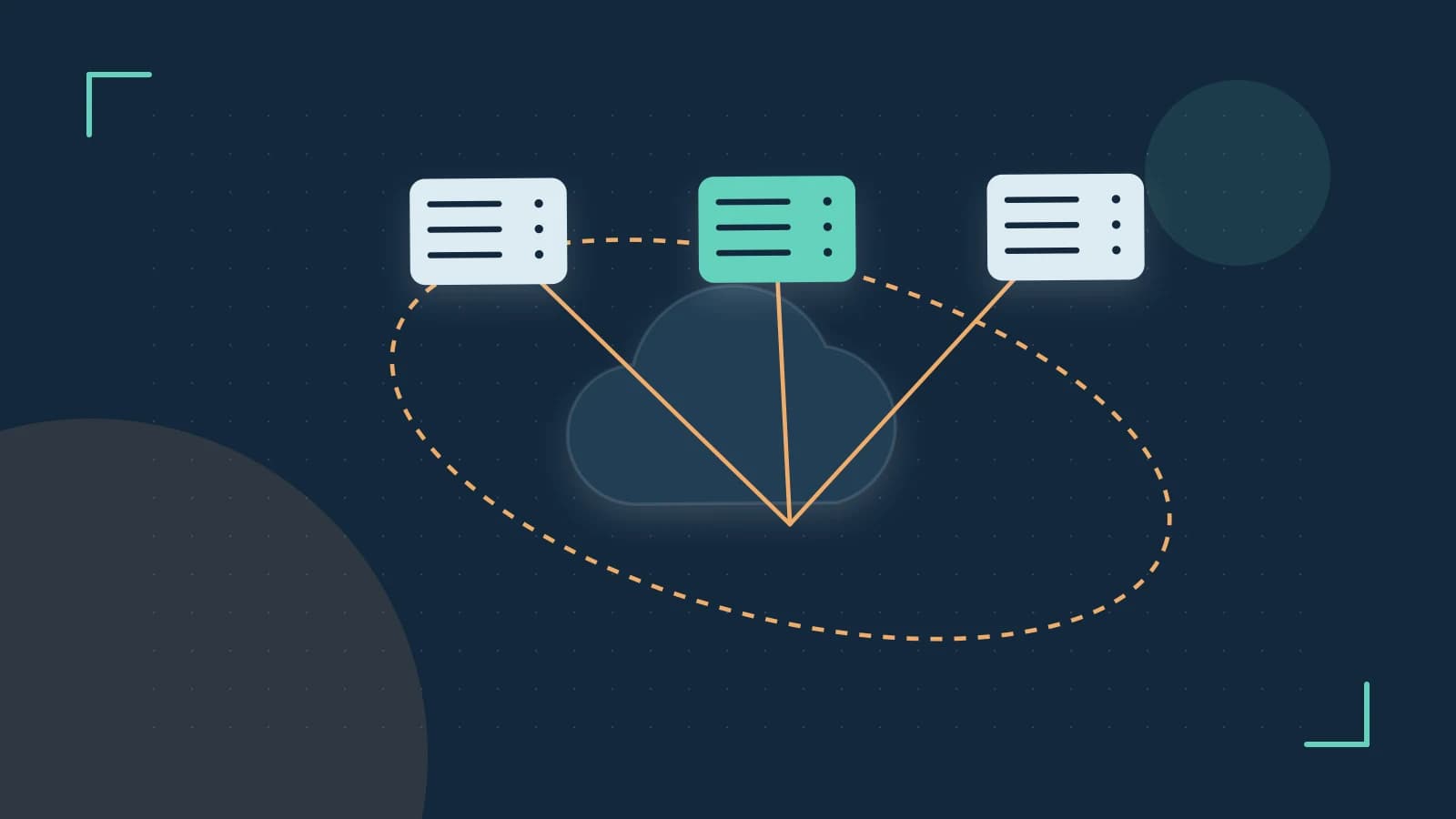
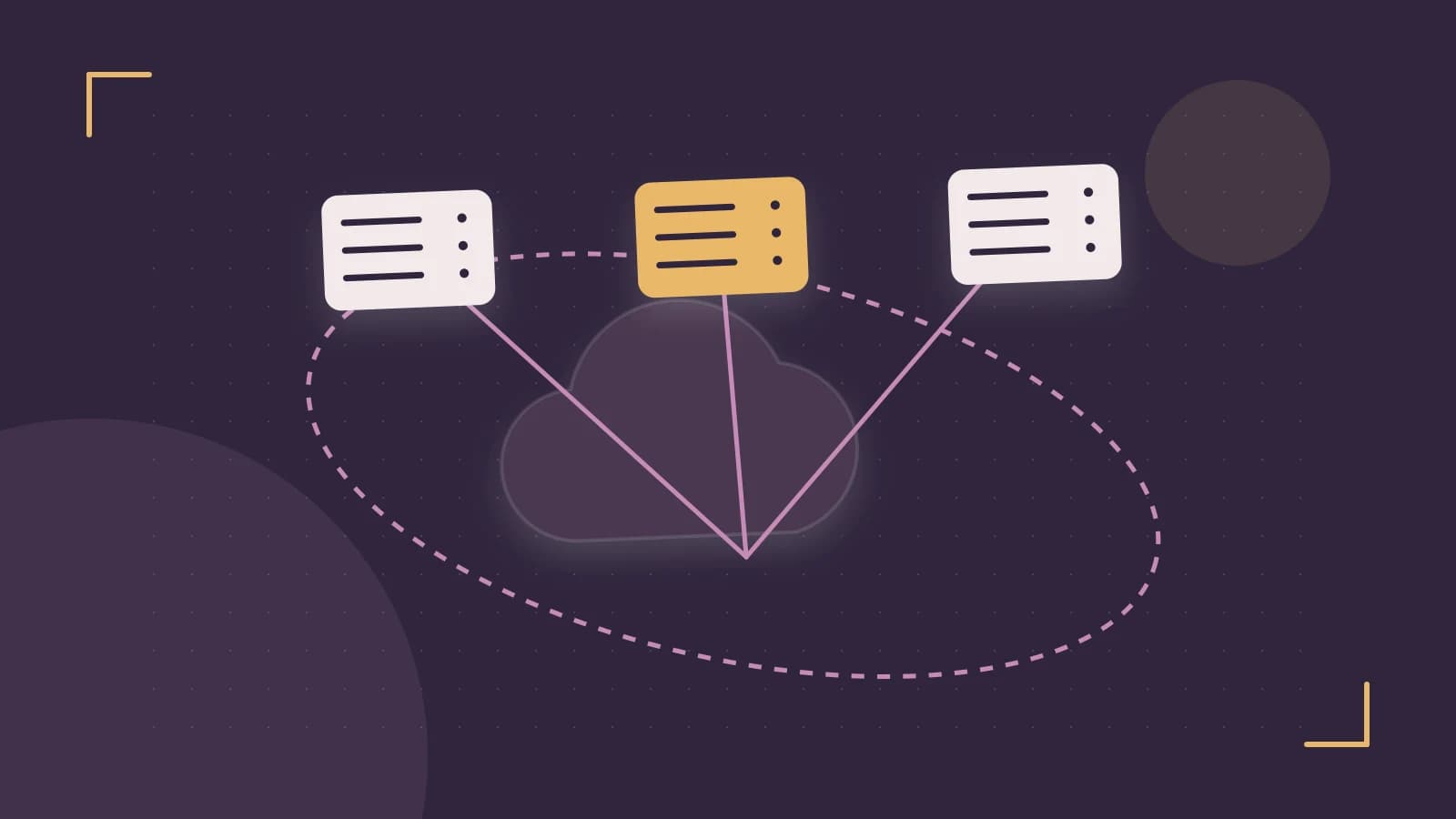
The default PickFirst policy silently selects one server and ignores the rest—causing uneven load and hidden failure risks in multi-instance gRPC deployments.
Learn how to use F# Units of Measure to prevent common unit-conversion bugs. This guide covers compile-time dimensional analysis, runtime overhead, and C# interoperability.
Learn when to use JavaScript’s optional chaining operator versus traditional property‑access patterns, with a clear comparison table, trade‑off analysis, and a ready‑to‑use code example.
Learn how to architect a production-ready Ghost instance, from choosing MySQL 8 over SQLite to establishing secure data boundaries and operational health checks.
Use use-package to declare lazy loading for heavy Emacs packages. Defer load until first command or mode activation, keep init declarative, and verify with emacs-init-time and macro expansion.
Learn how to proxy external APIs and provide SPA fallback on Netlify using 200‑status rewrite rules in netlify.toml, with verification steps and common pitfalls.
Stop the "works on my machine" cycle. Use GitHub Codespaces devcontainers to lock Python, dependencies, and VS Code extensions into a reproducible container. Follow a concrete example, weigh trade‑offs, and get started today.
When scaling Kafka consumer groups, the rebalancing strategy can make or break throughput. This guide explains the constraints, compares the three supported strategies, and shows how to configure and validate your choice in a production‑ready cluster.
MicroOS uses atomic Btrfs snapshots and a boot-time health-checker to deliver automatic rollback for container hosts. This architecture note covers the subvolume layout, update flow, trust boundaries, failure modes, and when to choose a different openSUSE variant.
A practical guide to picking FTP, FTPS, or SFTP in FileZilla Site Manager, securing credentials with a master password, and setting up key‑based SFTP with real‑world verification steps.