Enabling and Validating TCP Fast Open on Linux Servers
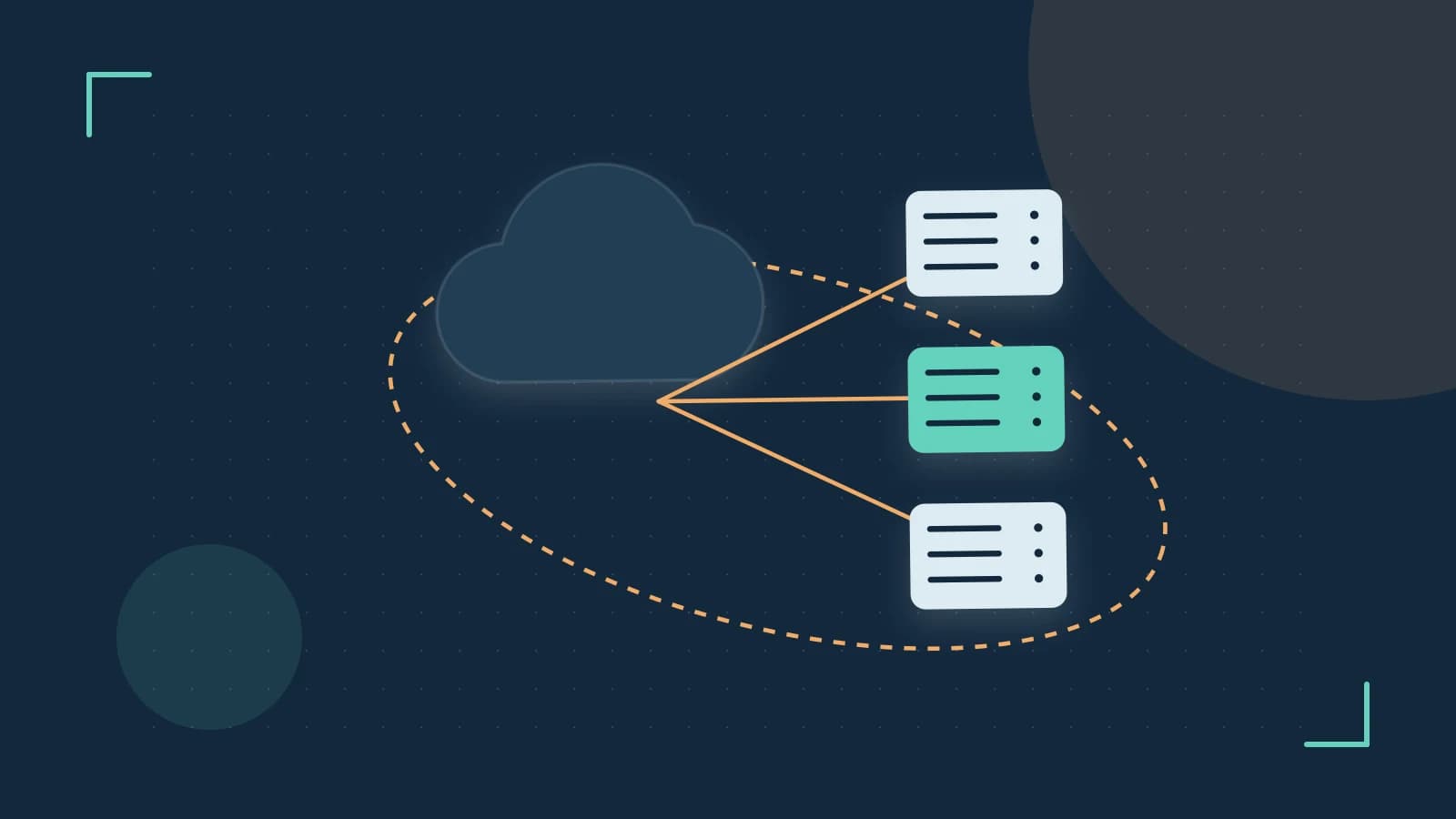
Learn when to enable TCP Fast Open, compare the sysctl options, understand the trade‑offs, and apply and verify the setting on a Linux host.
20 Jan 2026, 22:01 UTC
ReadMeFeed / Community knowledge
Practical guides, fresh perspectives and ideas worth trying.
Learn when to enable TCP Fast Open, compare the sysctl options, understand the trade‑offs, and apply and verify the setting on a Linux host.
Learn how to eliminate flaky tests in Cypress using cy.intercept() to stub network requests, handle asynchronous responses with aliases, and simulate server errors.
Learn how to use PGraphics for offscreen rendering in Processing. Discover how to match renderers for GPU acceleration, manage VRAM, and implement post-processing effects like blur.
Automate full-stack OneAgent injection on Kubernetes using the Dynatrace Operator: create the secret, install via Helm, define a DynaKube CR, annotate namespaces, and verify metrics, traces, and logs flow to your tenant.
Edge Middleware moves auth, routing, and feature flags to the edge — but only if you respect the 1.5 MB bundle, 50 ms CPU, and no-request-body limits. Here's how to decide when it fits and how to verify it works.
Decide whether to use Figma Variables or Styles for your design tokens. Compare token types, theming, and developer handoff in a clear table, then walk through a concrete export example and validation checklist.
Qodana lets you run JetBrains IDE inspections inside CI pipelines with Docker. Learn how to set up a baseline, export SARIF for PR annotations, and manage memory limits in a practical GitHub Actions example.
Moodle’s built‑in Activity Completion and Conditional Access can be combined to create adaptive learning pathways. This guide walks through a practical example, discusses trade‑offs, and shows how to verify the setup.
Use rememberSaveable to keep Compose UI state—text, toggles, lists—through device rotations without a ViewModel. Follow the step‑by‑step guide, verify with Layout Inspector, and know the limits.
Wire a Kubeflow Pipelines TensorFlow training component into MLMD so runs, parameters, and model artifacts are tracked durably — and avoid the ephemeral-storage mistake that silently erases metadata.
Learn how to assign tags to Bazel test targets and run only the relevant subset in CI, cutting test time dramatically while keeping full coverage on merges.
Learn how to reduce noise and choose hysteresis thresholds in OpenCV's Canny edge detection to get clean structural boundaries without false positives.
Learn how Playwright’s auto‑waiting removes flaky UI tests, see a concrete search‑widget example, and understand the tracing and WebKit limits you need to manage.
Learn how to bind VCL controls to a TClientDataSet using LiveBindings in RAD Studio without writing manual data‑field code.
Learn how Rust’s borrow checker lets you return a reference to data without copying, using a longest‑word function as a concrete example.
A technical guide on building a secure remote code execution engine, focusing on container isolation, syscall filtering, and resource management for algorithmic judges.
Notion’s block-based architecture gives you unmatched flexibility, but it can make page retrieval slow. Learn how the model works, see a concrete API example, and discover practical ways to keep performance high.
Learn how to create a custom Doctrine repository, write efficient QueryBuilder queries, inject them into services, and verify the generated SQL while avoiding the N+1 problem.
When a C++ program crashes or corrupts data at random points, a dangling pointer or use‑after‑free is often the culprit. This guide walks through symptoms, root causes, systematic checks, and concrete fixes using smart pointers and ASan.
When multiple threads race for a limited resource, a counting semaphore can enforce a safe cap. This post walks through a producer‑consumer example, shows how to configure fairness, and highlights pitfalls like permit leaks.
Atom's 2022 switch to Tree-sitter added incremental parsing and structural queries, but the editor's archival froze the parser at v0.20.8. This post shows the integration's real impact, a package example using Tree-sitter queries, and how to verify your setup.
Build custom syntax highlighting for GNU nano using nanorc: patterns, color slots, true-color setup, multiline limits, and nano 7.0 linter/formatter hooks — with a worked example and performance checks.
Move merchandising logic (pinning, banners, redirects) into Algolia Query Rules so marketing can iterate via dashboard while engineers keep version control. Worked seasonal-banner example, AI re-ranking composition, and six practical limits included.
A concise architecture note on GitBook SaaS Git Sync: requirements, minimal design, trust boundaries, operational checks, failure modes, and when to change the design — with a concrete .gitbook.yaml example and verification steps.
Rocky Linux's Peridot build system replaces CBS with a pluggable Go pipeline that enforces reproducible builds via signed BuildSet manifests, modular composes, and automatic SPDX SBOMs — enabling a 24-hour security-update SLA through gated promotions.
Learn how to turn on .NET Hot Reload in Rider, apply code changes while debugging, and avoid common pitfalls.
Guide to decide when to use strong (FULL) or eventual (ZONKED) consistency for permission checks in SpiceDB, with trade‑offs and a validation example.
DataGrip's introspection engine uses a background pipeline — dialect‑specific catalog queries, a normalized in‑memory model, persistent LevelDB/RocksDB cache, and incremental DDL detection — to deliver near‑instant code completion across 30+ databases without blocking the UI.
This guide walks you through creating a Jira Cloud automation rule that automatically assigns an issue to a chosen user when a designated custom field changes. Follow the steps, verify the rule, and know how to recover if it misbehaves.
Enable Option Strict On to catch type errors at compile time, improve performance, and avoid late binding. Learn how to set it project‑wide, see a clear code example, and understand common pitfalls and when you might need to disable it.
A practical guide to creating reproducible Kali Live ISOs with the official live‑build framework, covering minimal design, trust boundaries, operational checks, and common failure modes.
An architecture note on using @ngrx/entity's createEntityAdapter for normalized collection state: requirements, minimal reducer and selector setup, server-data trust boundaries, tests, and the conditions that outgrow it.
When you run a Raspberry Pi without a monitor, a frozen system can lock you out. This guide shows how to use the Pi’s hardware watchdog, wired into systemd, to automatically reboot the board, and explains the limits and practical checks you need.
Stop managing OTP state and fighting SMS pumping. Learn how Twilio Verify abstracts 2FA logic, provides built-in fraud protection, and handles multi-channel fallback.
Step‑by‑step guide to diagnose why a k3OS node boots but k3s fails to start, focusing on k3os-config validation and immutable filesystem checks.
GROQ lets you filter, join, and project Sanity content in a single request. This guide covers the essential query pipeline, reference expansion, Portable Text handling, parameterization, caching, and the common mistakes that cause timeouts or oversized responses.
A step-by-step guide to creating UML 2.5 sequence diagrams from OpenAPI specs — covering lifelines, synchronous/asynchronous messages, combined fragments for error handling, and validation checks that keep diagrams aligned with implementation.
NPSs flow-based analysis reduces storage and CPU load while delivering real-time traffic visibility.
A diagnostic guide for Helm upgrade failures caused by immutable Kubernetes fields (Service clusterIP, Deployment selector, CRD schemas). Covers recognizable errors, a cause table, ordered checks, targeted fixes, and when to escalate.
Learn how JUnit 5's @ParameterizedTest lets you replace repetitive test methods with a single, data‑driven test, reducing boilerplate while keeping clear failure reports.
Guide to calling a C++ function from Carbon and exposing Carbon types to C++ using the Carbon toolchain and Bazel.
Mattermost messages, presence, and typing indicators that only appear after a refresh point to a broken WebSocket. Diagnose the handshake, proxy timeouts, SiteURL, and clustering.
Stop blocking your production database with long-running ALTER TABLE commands. Learn how MariaDB's Instant DDL adds columns in milliseconds without rebuilding data.
Maven Wrapper pins a specific Maven version in your repo so every developer and CI job uses the exact same distribution. Covers generating the wrapper, SHA-512 checksum validation, GitHub Actions caching, and trade-offs (no JDK management, manual upgrades).
Chart.js 4 removes auto-registration. Import only the controllers, scales, elements, and plugins you need, register them explicitly, and let your bundler tree-shake the rest. A minimal line chart with decimation drops to ~20 kB gzipped.
Streamlit's st.fragment decorator isolates UI sections so only that fragment re-runs on widget changes — cutting dashboard latency from seconds to milliseconds without replacing caching.
Kibana Spaces let teams share a single deployment while keeping dashboards, visualizations, and saved objects isolated. Learn how to create, assign, export, and migrate Spaces, plus trade‑offs and best practices for a multi‑tenant observability stack.
Learn how NixOS creates immutable generations, how to list, rollback, and clean them, and what disk‑space trade‑offs to watch.
Implementing a global modal manager with React‑Bootstrap requires careful handling of portals, focus traps, and accessibility. This guide outlines the minimal design, operational checks, and failure modes to ensure reliable modal behavior.
A concise diagnostic guide for Vite environment variable handling: identify missing variables, root causes, ordered checks, fixes, and escalation criteria.