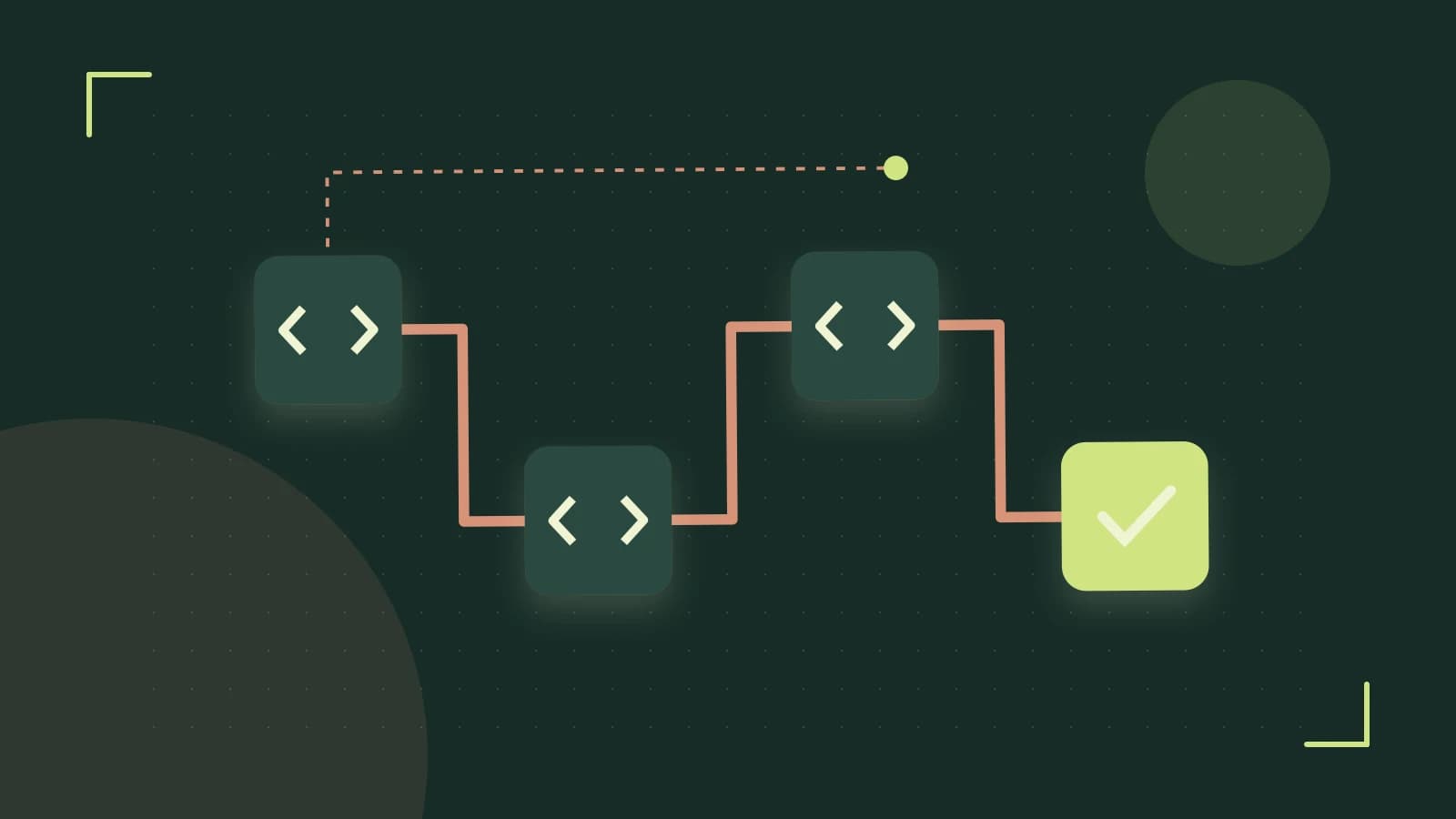
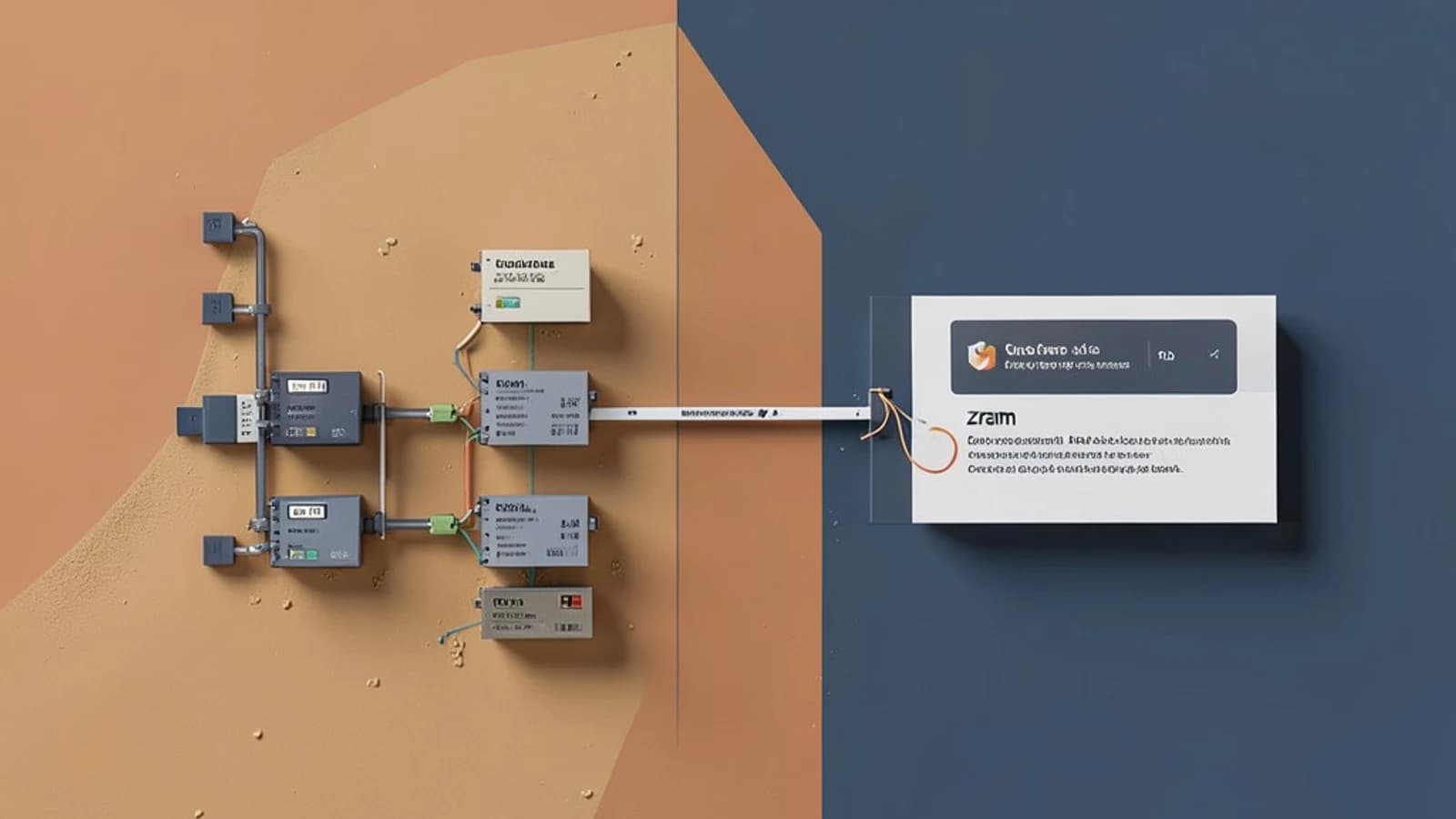
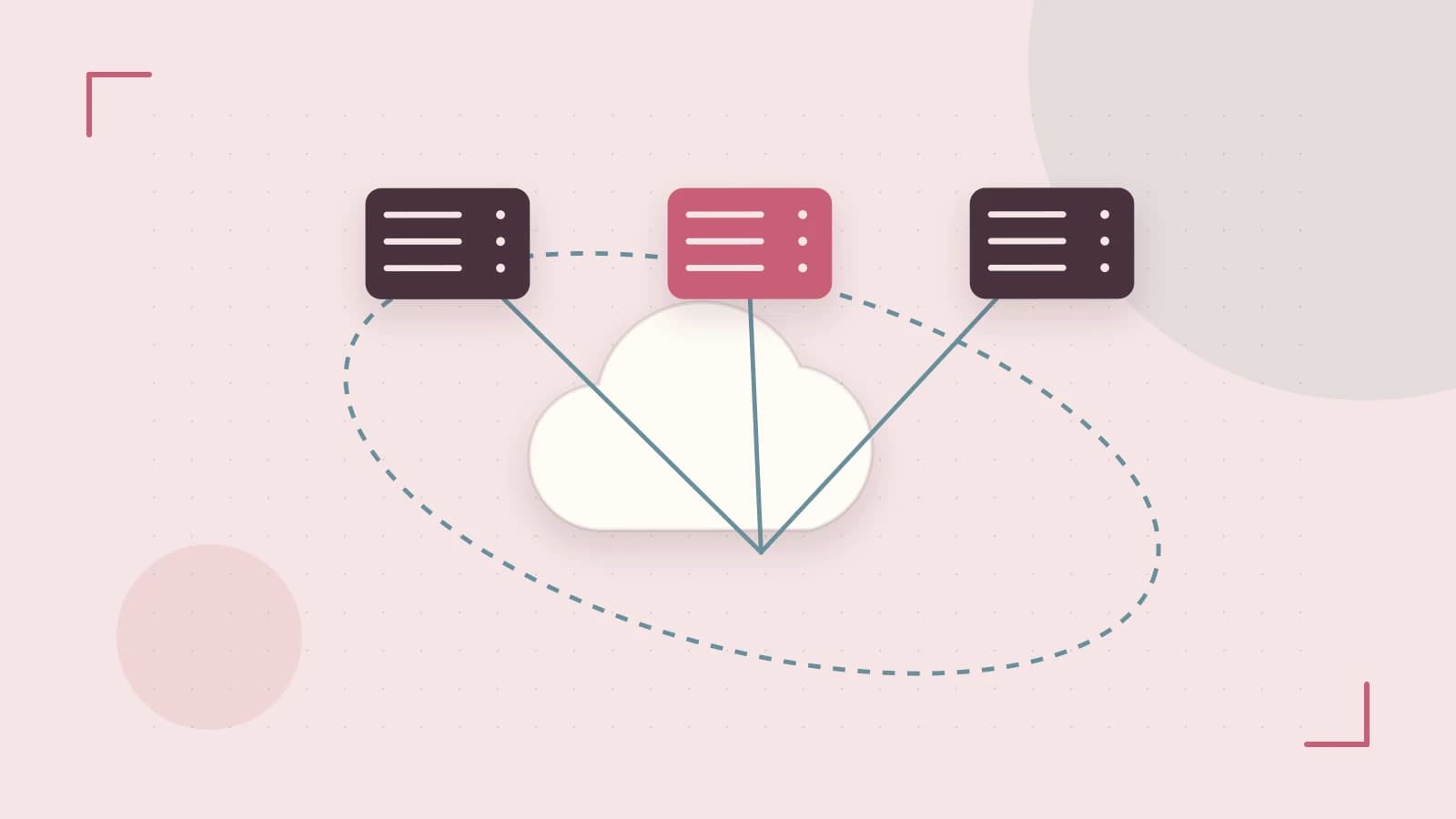
An architecture note on isolating policy decisions from data-plane forwarding in a network policy service, with modular components, trust boundaries, health checks, and failure-mode mitigations.
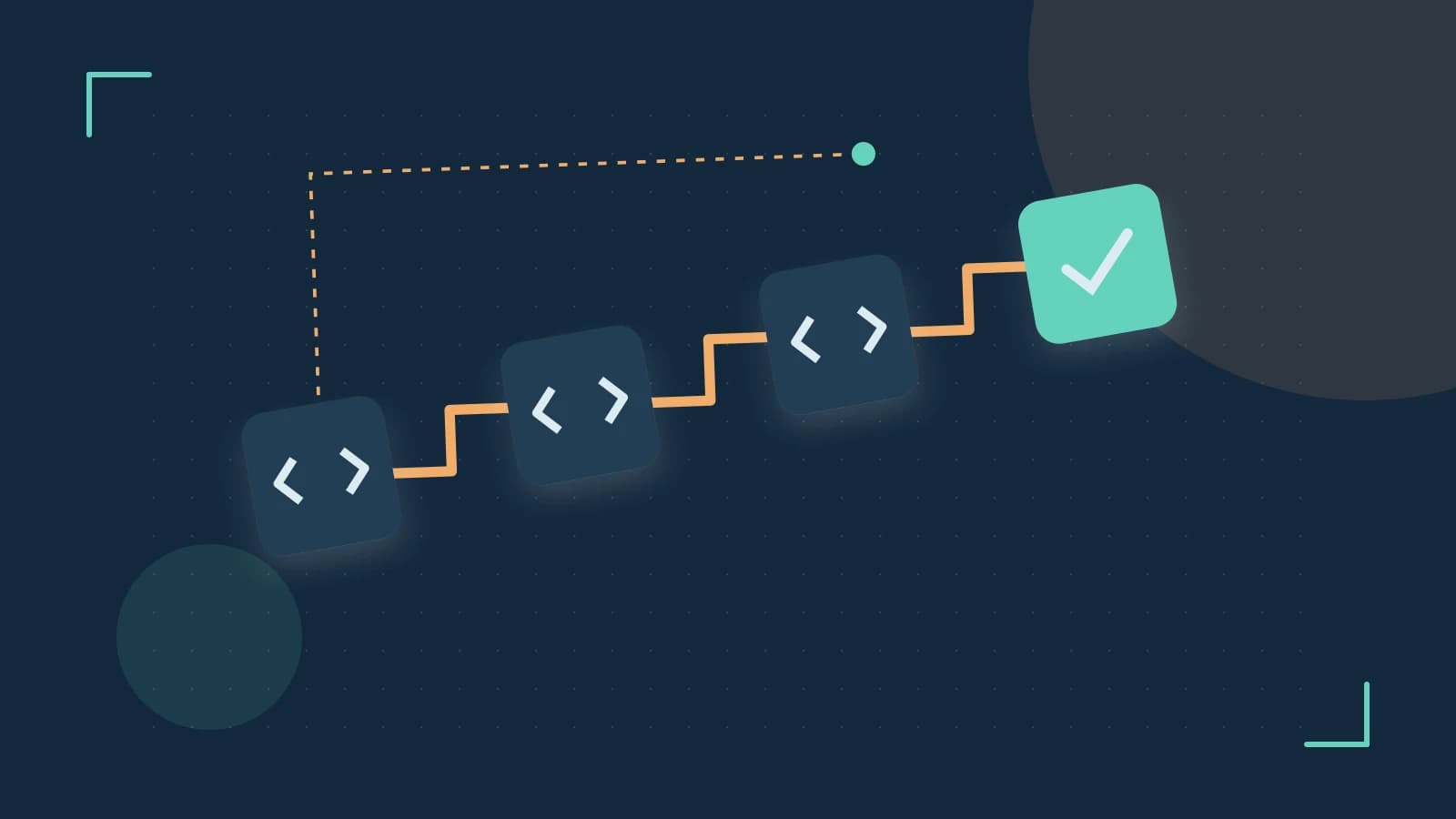
Compare pinned, floating, and centrally managed NuGet versions, with a concrete CPM plus lock-file setup and restore-based checks to confirm what actually resolved.
Learn how to use Redux Toolkit's createSlice and createAsyncThunk to eliminate boilerplate and build a type-safe, immutable state architecture with clear data boundaries.
Stop VB.NET UI freezes by implementing Async/Await. Learn how to handle I/O-bound tasks, avoid deadlocks, and manage synchronization contexts to keep your applications responsive.
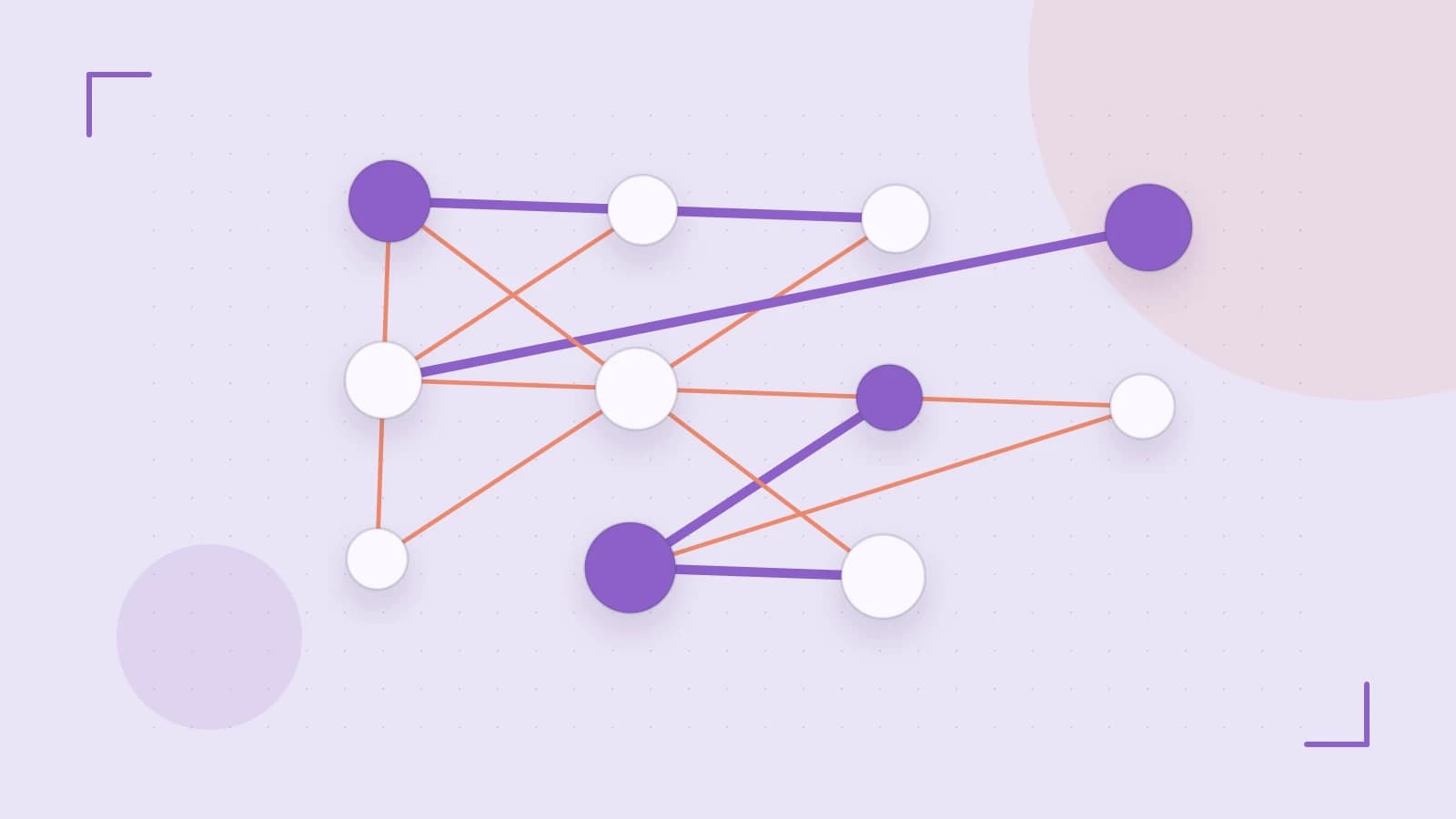
Decide between Graph, DiGraph, MultiGraph, and MultiDiGraph by evaluating directionality, parallel edges, memory, and algorithm behavior. A concise table, trade‑off discussion, and a step‑by‑step implementation guide help you pick the right type for your network model.
Discover how Visual Studio 2022’s Live Unit Testing instantly runs impacted tests as you code, the trade‑offs in CPU and memory, and how to set it up for C#/.NET projects.
A decision guide that compares head‑based and tail‑based sampling strategies, outlines trade‑offs, and shows how to configure and validate each option in a high‑throughput system.
Learn how to add encrypted persistence to a Kali Linux live USB so your tools, configs, and wordlists survive reboots while keeping the base image pristine.
Choose between static preload via py-config and dynamic micropip install in PyScript. Compare startup latency, bundle size, offline use and maintenance, with concrete HTML examples and a validation approach.
Explains how TortoiseGit isolates Git work from Explorer via an in‑process COM stub and an out‑of‑process helper, covering requirements, design, trust boundaries, checks, and failure modes.
Learn how to apply, reorder, and toggle GIMP 3.0’s GEGL‑based non‑destructive layer filters so you can edit photos reversibly without duplicating pixels.
Stop updating webhook URLs every time you restart your server. Learn how to use ngrok custom subdomains to create a persistent, TLS-enabled bridge to your local environment.
A diagnostic guide to the N+1 query problem in Doctrine ORM: how to recognize lazy-loading overhead in the profiler, when JOIN FETCH is the right fix, and when eager loading makes things worse.
A step‑by‑step diagnostic flow for resolving Okta SAML 2.0 failures caused by Audience URI mismatches, clock skew, and certificate issues. Includes checks, fixes, verification steps, and escalation guidance.
Emacs daemon architecture eliminates slow startup times by running a persistent server process. Use emacs --daemon with emacsclient for instant connections, and integrate with systemd for automatic session management.
Trello Butler provides rule-based automation to eliminate manual board maintenance. Learn how to set up auto-archiving for stale done cards and understand the trade-offs of board-scoped rules.
Crystal’s pattern matching lets you replace nested if/else blocks with concise, type‑safe branches. Learn the syntax, see a step‑by‑step example, and weigh performance trade‑offs before adding it to your codebase.
Learn how to hide or show Moodle activities using Conditional activities based on completion status or grade thresholds. This step‑by‑step guide covers prerequisites, configuration, verification, and recovery options.
Stop polling your database for updates. Learn how to use Cosmos DB Change Feed to build low-latency, event-driven pipelines that sync downstream services in real-time.
A diagnostic guide for fixing 'require is not defined' and Node API access failures in NW.js renderer processes, including manifest configuration and CSP fixes.
Stop losing your tools and configs on every reboot. Learn how to implement and verify Kali Linux Live USB persistence for portable, stateful penetration testing.
Learn how to build a Slack Workflow that reacts to file uploads, posts a confirmation, and creates a task in an external system via a secure webhook. Step‑by‑step guide, checks, and recovery tips.
Discover how to model and validate OrderService → PaymentService interactions with UML sequence diagrams, check real call order with logs, and understand when async messaging can break the model.
Learn how to reliably train Kaldi’s LF‑MMI model, from GMM‑based lattice generation to hyper‑parameter tuning, with a concrete example and practical diagnostics. Reduce WER, avoid common pitfalls, and get actionable steps for production pipelines.
Learn how Photoshop’s Smart Objects let you resize and transform layers non‑destructively, preserve image quality, and avoid common pitfalls. Follow a step‑by‑step example and check the results in a current release.
A decision guide to Selenium's implicit, explicit, and fluent waits: when each fits, why mixing them backfires, and a validated Java implementation with Page Objects.
Deploy Nomad jobs with Consul Connect sidecar injection for zero‑trust communication. This guide covers the minimal architecture, trust boundaries, operational checks, failure modes, and when to change the design.
Decide whether to enable Twilio call recording globally or per‑call, pick the right format (wav or mp3), and choose storage (Twilio or S3). This guide compares options, explains trade‑offs, and walks through a concrete implementation and validation steps.
Portable Text lets you store rich‑text as JSON in Sanity, query it with GROQ, and render it in React using custom serializers. This guide shows the full workflow, a real example, and the size‑versus‑flexibility trade‑off.
Oracle SQL Developer's Export Wizard replaces hand-written spool scripts for moving table data to CSV. Here is how to use it, verify the output, and automate it with sdcli.
Learn how to update only the data‑heavy parts of an InertiaJS page with the `visit` method’s `only` option, reducing payload size and avoiding unnecessary UI resets.
Use Opera Workspaces on desktop to keep project tabs isolated. Create named workspaces, move tabs between contexts, verify isolation and persistence, and know the profile and sync limits for recovery.
JSON Pointer gives a standard way to address a single value inside a JSON document. This post shows the syntax, a worked example in Python, and the trade‑offs you should test before adopting it.
A diagnostic guide for nodemon restart reliability: recognize missed-restart and thrash symptoms, map them to watch/ignore pattern causes, run ordered checks with --list and touch tests, apply targeted fixes, and know when to escalate to OS watcher limits.
Deciding between Mattermost server-side (Go) and webapp (JS/TS) plugins is critical for stability and performance. Learn when to use each and how to combine them for complex integrations.
Chart.js's built-in decimation plugin cuts rendered points from 50k to ~500 using LTTB, preserving visual trends while restoring 60fps interaction. Requires 'index' scale and sorted data; tooltips need a callback for original values.
Use zram to create compressed RAM-backed swap that reduces OOM risk for short memory bursts without adding disk latency. Covers manual setup, verification via swapon and mm_stat, and CPU trade-offs.
Learn how to use NestJS hierarchical modules to prevent dependency bloat, establish clear domain boundaries, and avoid the pitfalls of global modules in large-scale applications.
Stop manually selecting identical shapes. Learn how to use Illustrator's Global Edit to synchronize scale, color, and rotation across similar objects without the overhead of Symbols.
Learn how to use Hoppscotch’s environment variables to create reusable API requests, manage secrets, and share configurations safely. This guide covers syntax, scope, best practices, and a step‑by‑step example.
Playwright tests fail with ElementNotFound or TimeoutError when auto‑wait can’t locate elements. This guide offers a diagnostic checklist, cause table, step‑by‑step checks, targeted fixes, and escalation paths to resolve such failures.
Learn how to add @functools.lru_cache to pure functions in thealgorithms to memoize results, speed up recursive DP algorithms, and avoid common mistakes.
Learn how to choose between Global Raster Effects and Object Rasterization for print‑ready drop shadows in Illustrator, with a step‑by‑step setup and validation guide.
Learn how to use Windows 11 Virtual Desktops to reduce cognitive load and isolate project workspaces, including a comparison with single-desktop management and essential shortcuts.
Stop fighting 'works on my machine' bugs. Learn how to use PyCharm Professional's Remote Interpreter to write code locally while executing it on a remote Linux server via SSH.
Learn how Blazor WebAssembly’s ‑pwa flag scaffolds a service worker, what assets get cached, and how to verify offline functionality. A step‑by‑step example shows bundle impact, trade‑offs, and how to customize caching.