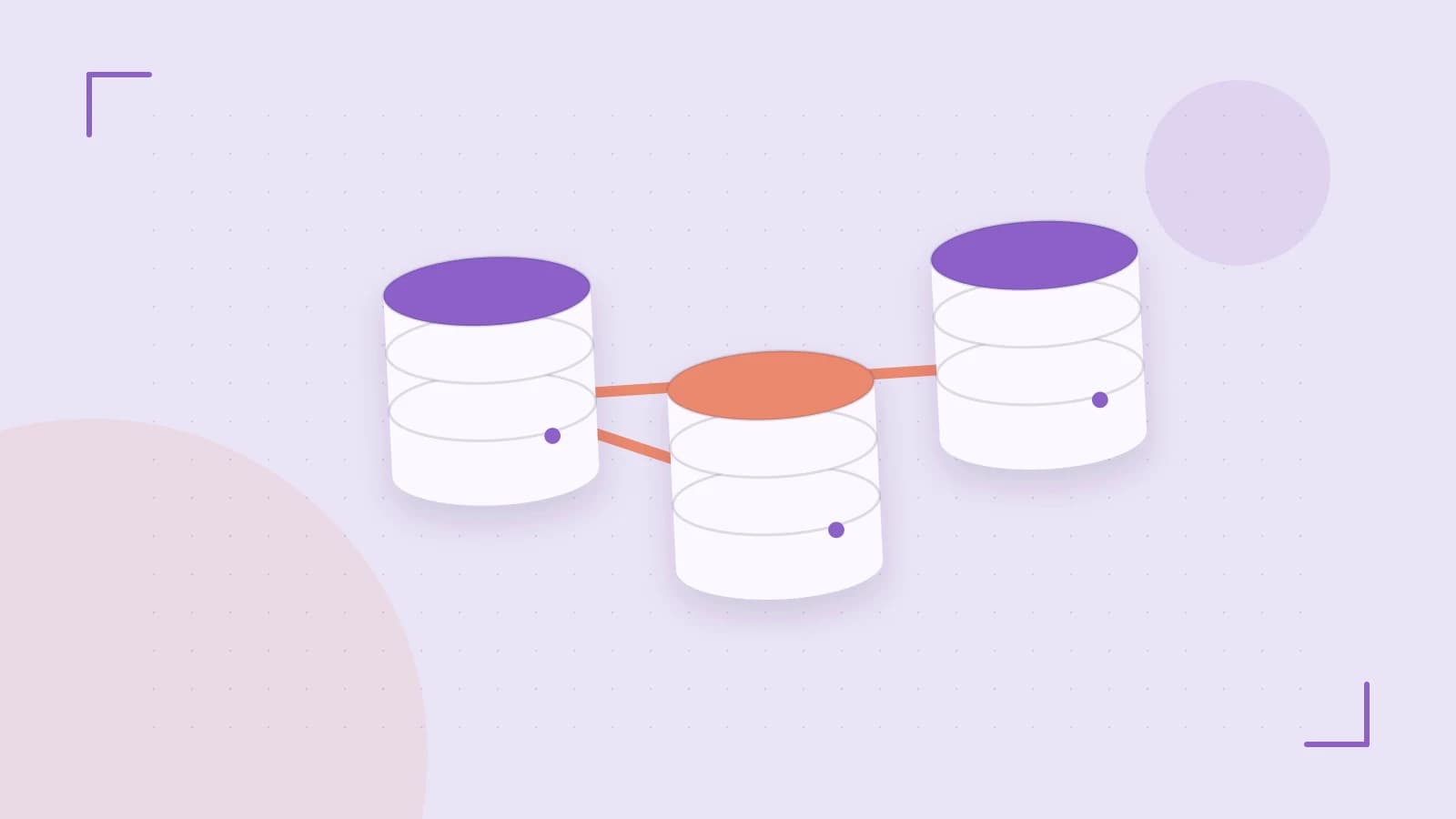
Learn how to use Apache Cassandra's Lightweight Transactions (LWT) and the Paxos protocol to prevent race conditions and ensure linearizability for critical writes.
A technical guide for choosing between In-Memory, Elasticsearch, and Cassandra storage backends for Jaeger, focusing on scalability, searchability, and operational overhead.
Stop fighting with unpredictable layouts. Learn how to use Bootstrap's 12-column grid hierarchy and mobile-first breakpoints to create seamless transitions from phone to desktop.
Use IFTTT Webhooks to push IoT sensor data to a custom HTTP endpoint without coding a full applet. This guide compares Webhooks with direct HTTP and MQTT, explains trade‑offs, and shows a concrete implementation and validation steps.
VeeValidate 4 lets you declare form rules once in a Zod schema and route failures to fields. Here is a worked example, the checks that prove it works, and the trade-offs.
High‑traffic WordPress sites can suffer from slow database queries. The Transients API offers a lightweight, built‑in caching layer that can dramatically reduce load. This guide shows how to cache custom queries, manage TTLs, and avoid common pitfalls.
Learn how to parameterize Hoppscotch requests using environment variables and templating, override them in scripts, and avoid common pitfalls. Get a step‑by‑step guide with a live example and practical checklist.
devcontainer.json defines the base image, features, extensions, forwarded ports, and lifecycle commands for a Codespaces environment. Here is what each part does and where the startup-time cost hides.
Learn how to implement server-side validation in Inertia.js using Vue 3 and Laravel. This guide covers using the useForm hook to preserve input and display field-specific errors without page reloads.
Learn how to use Visual Studio's Diagnostic Tools window and Performance Profiler to spot memory leaks and CPU bottlenecks in .NET apps, with a concrete example and practical verification steps.
A diagnostic path for Hibernate LazyInitializationException: locate the session boundary that closed too early, then pick a fix that matches the finding.
Stop manually updating your Jira filters. Learn how to use JQL's historical operators and dynamic date functions to create self-maintaining project audits and dashboards.
Learn how to use Heroku Config Vars to separate sensitive credentials and environment settings from your source code, including CLI implementation and runtime behavior.
Learn how to use Axios request and response interceptors to inject auth tokens, log calls, and normalize errors across a JavaScript app, plus the trade‑offs to watch for.
When you need responsive layouts in legacy environments, IE10 still matters. This guide shows how to combine standard Flexbox, -ms- prefixed rules, and a float fallback to keep designs functional across modern browsers and IE10, plus a quick validation checklist.
Traditional shell scripts often use grep or awk to simulate maps, but Bash 4+ offers native associative arrays. This guide shows syntax, a word‑frequency example, trade‑offs, and how to check your Bash version.
Discover how UML Activity Diagrams let you visualize complex workflows, model parallel paths, and even generate test cases. See a step‑by‑step example that turns a diagram into a Java skeleton.
Learn how to implement HTML5 LocalStorage for persistent client‑side data. This guide covers JSON serialization, storage limits, and security constraints for managing state without a server.
Learn how to write efficient GROQ queries, hook them into real‑time listeners, and paginate data in Sanity.io. A concrete example shows live updates and pagination with practical checks and trade‑offs.
When you expose virtual machines to a production network, the Hyper‑V virtual switch is the first line of defense. This guide walks through the minimal architecture that keeps traffic isolated, verifies operational health, and anticipates failure modes that could break connectivity.
Stop losing complex SQL queries to crashes or accidental deletions. Learn how to use DataGrip’s Query Consoles and Local History to create a fail‑safe iterative development workflow.
Learn how to expand VM disk capacity in Harvester. This guide covers increasing volume size in the UI and performing the necessary partition and filesystem resizing within the guest OS.
Exporting and importing large Oracle schemas is easier than ever with SQL Developer’s Data Pump wizards. Learn how to configure filters, parallelism, and remapping to move terabytes of data efficiently while avoiding common pitfalls.
Leverage Gulp’s <code>since</code> option to rebuild only changed files, cutting build times while ensuring deterministic output. This architecture note covers requirements, minimal design, trust boundaries, operational checks, failure modes, and when to evolve the build strategy.
When Harbor 2.x returns a 422 error because a project has hit its storage, image, or tag limits, follow this diagnostic guide to pinpoint the culprit, apply targeted fixes, and verify the result.
An architectural analysis of Homebrew's use of Ruby DSLs for package definitions, focusing on the balance between build flexibility, the 'Cellar' isolation model, and security boundaries.
Learn how to use NATS JetStream Durable Consumers to move from ephemeral pub-sub to guaranteed at-least-once delivery for critical distributed systems.
Learn how to move performance‑critical code from Titanium’s JavaScript layer into a custom native module to reduce bridge overhead and improve app responsiveness.
Learn how to implement Grafana Unified Alerting to decouple evaluation from notification, prevent notification storms, and manage data source boundaries in multi-source environments.
Learn how to wrap primitive values with Haxe Abstracts, expose domain‑specific methods and operator overloads, and verify that the generated code behaves correctly across targets.
Learn how Firefox’s Enhanced Tracking Protection blocks trackers in the content process, how to verify it’s active, and what to do when Strict mode breaks a site.
Learn how to detect, measure, and cap GraphQL query complexity to prevent performance regressions and DoS attacks. Follow our step‑by‑step diagnostic guide, example configs, and escalation rules.
Learn how to configure VS Code’s integrated terminal, split it for concurrent work, and bind npm scripts to tasks—so you can build, test, and watch logs without leaving the editor.
Learn how Ember Octane's native class syntax cuts boilerplate in components, with a worked toggle‑button example, version requirements, and migration tips.
Handlebars printing raw tags or escaped entities? Diagnose whether {{ }}, {{{ }}}, SafeString helpers, or pre-escaped data is the cause, and fix it without opening an XSS hole.
Learn how to use Go's context package to implement request-scoped timeouts and cancellation in HTTP handlers to prevent goroutine leaks and optimize resource usage.
Learn how to implement server-side pagination in Grails using GORM's max and offset parameters to prevent OutOfMemoryErrors and optimize database performance.
YAML anchors, aliases, and merge keys let you define shared config once and override only what differs — if your parser supports them. A worked Docker Compose example, verification steps, and the limits.
Learn how to balance test speed and isolation in pytest by combining session-scoped database engines with function-scoped transactions to prevent state leakage.
Learn how to implement a Signal Bus in Godot to eliminate signal drilling and decouple game objects while avoiding common pitfalls like circular dependencies and state mutation.
Kraken.js moved Express middleware order into JSON config via the meddleware module. Here's how priority-based pipelines work, how to verify them, and when the indirection isn't worth it.