Validate XML with XSD: A Practical Guide to Catching Errors Early
XML Schema validation is the first line of defense against malformed data. This post walks through why, when, and how to validate XML against an XSD, shows a concrete example in Java, discusses performance trade‑offs, and gives clear next‑steps for production use.
08 Feb 2026, 03:07 UTC
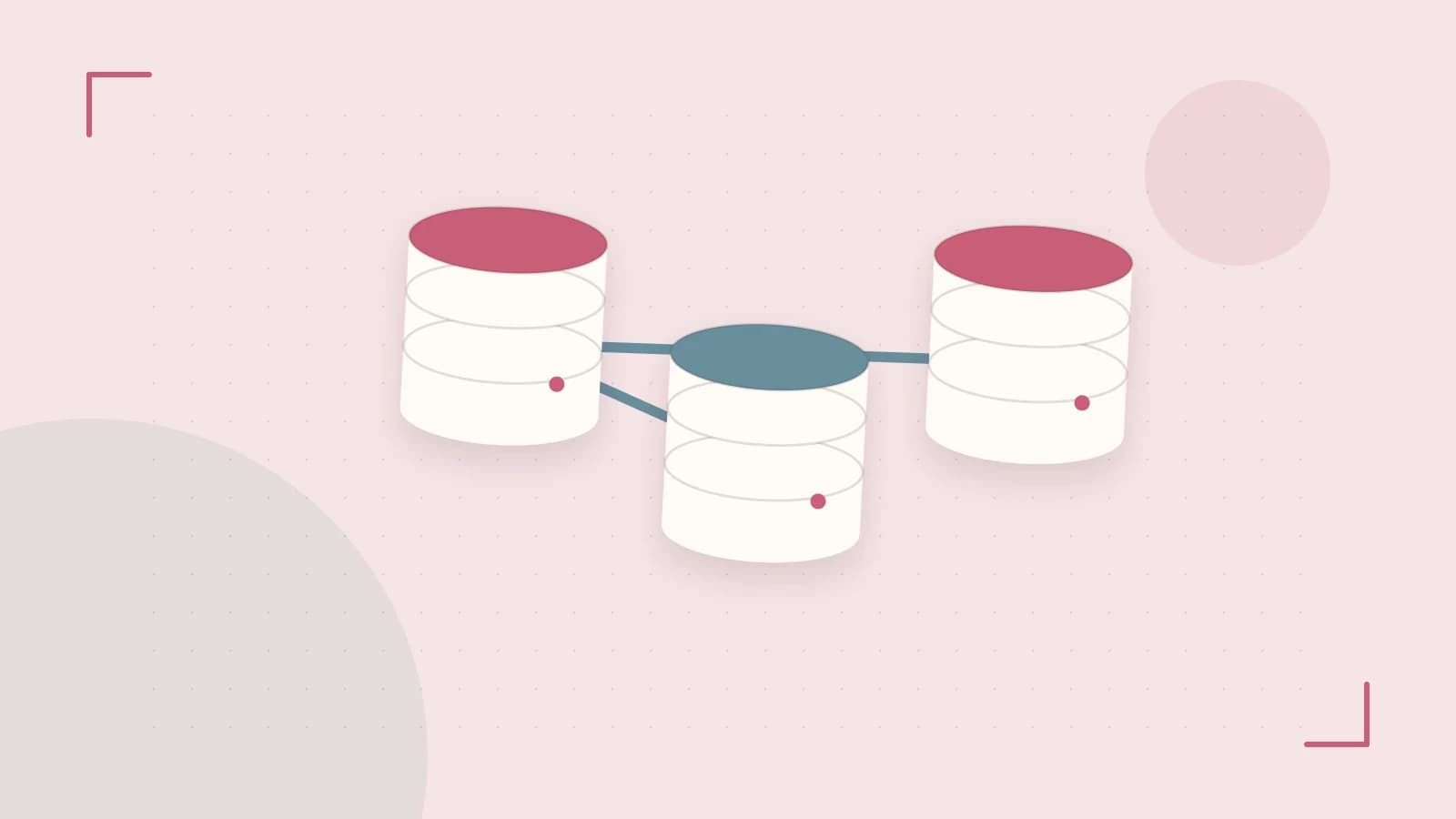
Problem: XML arrives, but is it trustworthy?
When an application consumes XML from external partners, a single malformed element can cascade into downstream failures—null pointer exceptions, incorrect calculations, or even data corruption. The root cause often lies in missing attributes, wrong data types, or unexpected element ordering. Relying on ad‑hoc string checks is brittle and error‑prone.
Thesis: Use XML Schema (XSD) validation to enforce structure before processing.
XML Schema is a declarative language that describes the allowed structure, data types, and constraints of an XML document. By validating against an XSD at the point of ingestion, you:
- Catch structural violations early, before any business logic runs.
- Provide clear, machine‑readable error messages that pinpoint the offending element.
- Decouple data contracts from code, enabling independent evolution of the schema.
Concrete Example – Java
Below is a minimal, self‑contained example that demonstrates schema validation using Java’s javax.xml.validation API. Replace the placeholder paths with your actual files.
// 1. Load the XSD
SchemaFactory factory = SchemaFactory.newInstance(XMLConstants.W3C_XML_SCHEMA_NS_URI);
Schema schema = factory.newSchema(new File("/path/to/schema.xsd"));

// 2. Create a Validator
Validator validator = schema.newValidator();

// 3. Load the XML to validate
Source xmlSource = new StreamSource(new File("/path/to/input.xml"));

// 4. Perform validation – throws SAXException on failure
try {
    validator.validate(xmlSource);
    System.out.println("Validation succeeded – safe to process.");
} catch (SAXException e) {
    System.err.println("Validation failed: " + e.getMessage());
    // In production, log the full error list or rethrow
}
Key points to verify:
- Ensure the XML’s namespace matches the
targetNamespacedefined in the XSD; otherwise, validation will silently pass or fail unpredictably. - Check the exception message to confirm that the reported error matches the expected constraint (e.g., missing required attribute).
- When debugging, enable the validator’s
setErrorHandlerto collect all errors before aborting.
Python Counterpart – lxml
For those in Python, lxml.etree offers a similar API. The example below mirrors the Java flow.
from lxml import etree

# Load schema
schema_root = etree.parse("/path/to/schema.xsd")
schema = etree.XMLSchema(schema_root)

# Load XML
xml_doc = etree.parse("/path/to/input.xml")

# Validate – raises XMLSchemaError on failure
try:
    schema.assertValid(xml_doc)
    print("Validation succeeded – safe to process.")
except etree.XMLSchemaError as e:
    print("Validation failed:", e)
Both examples illustrate the same principle: validate first, then process.
Trade‑Offs & Limitations
- Performance: Full document validation consumes CPU and memory, which can be significant for multi‑megabyte streams. For high‑throughput pipelines, consider:
- Streaming validation (e.g., SAX with incremental schema checks).
- Validating only critical sections (e.g., root element or key sub‑trees).
- Schema Size: Large XSDs become unwieldy. Modularize using
<xs:include>or<xs:import>to keep schemas maintainable. - Versioning: When the data contract evolves, multiple schemas may coexist. Embed a
versionattribute in the root element and tie it to a specific XSD via a namespace or a mapping table. - Namespace Pitfalls: A mismatch between the XML’s namespace and the schema’s
targetNamespacecan lead to silent validation failures. Always double‑check thexmlnsdeclaration against the schema.
Actionable Closing
To integrate XSD validation into your production pipeline:
- Define a strict schema for each partner or data format, including element order, required attributes, and data types.
- Validate at ingestion using the language’s native validator, catching and logging all errors before any business logic runs.
- Monitor validation failures by aggregating error logs; a spike often indicates a partner’s data change.
- Version and namespace your schemas; maintain backward compatibility by keeping older schemas under separate namespaces.
- For very large XML streams, experiment with streaming validation or validate only the header elements to reduce overhead.
By treating XML Schema validation as a first‑class gatekeeper, you reduce runtime errors, simplify debugging, and enforce a clear contract between data producers and consumers.
 java
 xml
0 replies
A thoughtful contribution can make all the difference. Be the first to share one.