Running WebLogic on Kubernetes: Why the Operator Pattern Changes the Math
Moving WebLogic domains to Kubernetes by hand means reimplementing lifecycle logic the platform already knows. The WebLogic Kubernetes Operator fixes that—here's how it works and what to decide first.
02 Jun 2026, 11:33 UTC
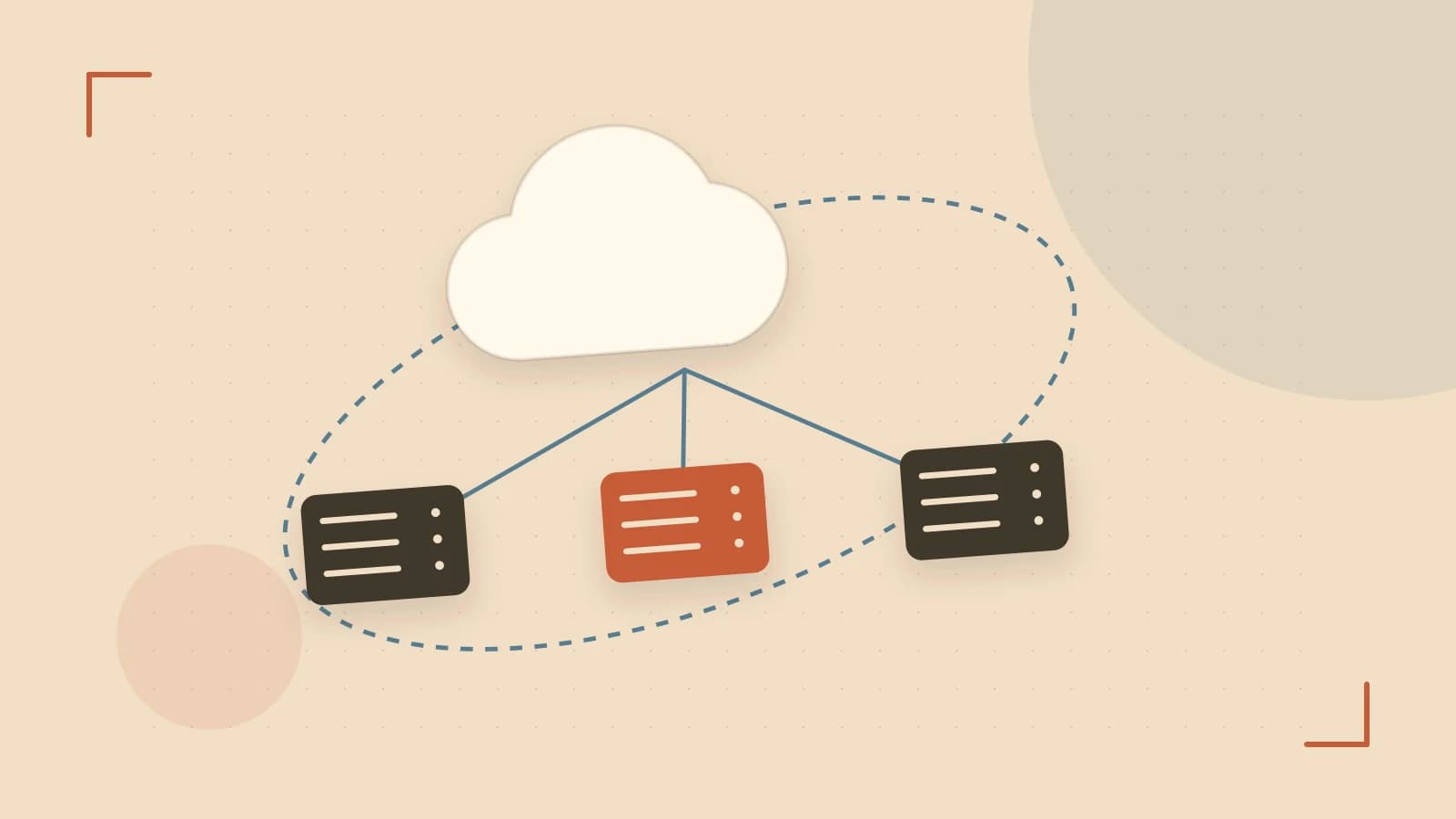
If your organization runs Oracle WebLogic Server, you've probably had this conversation: the business wants containerized deployments and elastic scaling, but WebLogic domains—with their admin servers, managed servers, and node managers—don't map cleanly onto Kubernetes primitives. Hand-rolling Deployments and StatefulSets for a WebLogic domain is possible, but you end up reimplementing lifecycle logic that WebLogic administrators already take for granted: ordered startup, graceful shutdown, rolling restarts after configuration changes.
The practical answer is the WebLogic Kubernetes Operator, an open-source controller (maintained at oracle/weblogic-kubernetes-operator) that treats a WebLogic domain as a first-class Kubernetes resource. The thesis of this piece: adopting the operator is less about "moving to Kubernetes" and more about deciding who owns domain lifecycle logic—you, in scripts, or a controller that already understands WebLogic semantics.
What the operator actually does
The operator introduces a Domain custom resource definition (CRD). Instead of writing pod specs by hand, you declare a domain—cluster size, server templates, image reference, secrets—and the operator reconciles reality to match. Concretely, it handles:
- Domain creation and scaling. Change
replicason a cluster entry in the Domain resource and the operator starts or stops managed servers, updating services accordingly. - Rolling restarts. When the image or domain configuration changes, the operator restarts managed servers one at a time. Before terminating a pod, it instructs the managed server to drain in-flight sessions, which is what makes zero-downtime rolling updates realistic for stateful J2EE workloads.
- Introspection. A short-lived "introspector" job reads the domain configuration and validates it before servers start, catching misconfigurations early rather than at server boot.
Because the operator exposes JMX metrics in a Prometheus-friendly format (via the WebLogic Monitoring Exporter), you get observability without bolting on a separate agent—heap usage, thread pools, datasource health all land in your existing dashboards.
The decision that matters: where does the domain home live?
The operator supports two deployment models, and choosing between them is the real engineering decision:
| Aspect | Domain Home in Image | Domain Home on Persistent Volume |
|---|---|---|
| Immutability | Full—config baked into image | Config mutable on shared storage |
| Config change workflow | Rebuild image, rolling restart | Edit on PV, restart servers |
| Storage dependency | None required for domain config | Requires performant shared PV (e.g., NFS) |
| Best fit | CI/CD-driven teams, cloud-native discipline | Legacy migration, frequent console-driven changes |
Domain Home in Image is the cleaner long-term model: every configuration change goes through your pipeline, producing an auditable, reproducible artifact. The cost is cultural—administrators used to tweaking settings in the WebLogic console must accept that console changes won't survive a pod restart. Domain Home on PV eases migration from traditional deployments but reintroduces a mutable, shared-state dependency that Kubernetes was supposed to eliminate. Many teams start on PV and migrate to image-based domains once their pipeline matures.
A minimal worked example
The following assumes a Kubernetes cluster (1.19+ is a reasonable baseline, but check the operator's compatibility matrix for your version), Helm 3, cluster-admin rights for the initial install, and WebLogic Server 12.2.1.4 or later—earlier releases are not supported.
First, install the operator from your workstation (not on the cluster nodes):
helm repo add weblogic-operator \
  https://oracle.github.io/weblogic-kubernetes-operator/charts

helm install weblogic-operator weblogic-operator/weblogic-operator \
  --namespace weblogic-operator --create-namespace \
  --set "domainNamespaces={default}"
Check that the operator pod is running before proceeding:
kubectl get pods -n weblogic-operatorThen define a domain. A trimmed-down Domain resource looks like this:
apiVersion: weblogic.oracle/v9
kind: Domain
metadata:
  name: sample-domain
  namespace: default
spec:
  domainHome: /u01/oracle/user_projects/domains/sample-domain
  image: container-registry.example.com/weblogic:12.2.1.4
  imagePullPolicy: IfNotPresent
  webLogicCredentialsSecret:
    name: sample-domain-credentials
  configuration:
    model:
      domainType: WLS
  serverPod:
    env:
    - name: JAVA_OPTIONS
      value: "-Xms512m -Xmx1g"
  clusters:
  - clusterName: cluster-1
    serverStartState: RUNNING
    replicas: 2
Apply it with kubectl apply -f domain.yaml, then watch the rollout:
kubectl get pods -n default -l weblogic.domainUID=sample-domain -wYou should see the introspector job complete, then the admin server pod reach 1/1 Running, then the two managed servers. To verify functional access, expose the admin console via a NodePort service (the operator creates ClusterIP services by default) and log in with the credentials from the sample-domain-credentials secret. If the admin pod stays in Init or CrashLoopBackOff, check the introspector job logs first (kubectl logs job/sample-domain-introspector)—that's where most configuration errors surface.
Trade-offs and limitations
The operator is not a free lunch. Three honest caveats:
- Version floor. WebLogic 12.2.1.4 is the minimum; older domains must be upgraded first, which is its own project. Also verify the operator release supports your Kubernetes version and distribution—the compatibility matrix in the project README changes with each release.
- Networking and storage planning is on you. The operator creates services, but ingress for applications, admin console exposure, and (for PV-based domains) persistent volume provisioning are your responsibility. A misconfigured ingress leaves the console unreachable; a slow or misconfigured PV can corrupt domain state or stall server startup.
- Operational learning curve. Debugging shifts from WebLogic logs alone to a three-layer investigation: Kubernetes events, operator logs, and server logs. Teams without Kubernetes experience should budget time for this.
Where to start
Don't migrate a production domain first. Install the operator in a sandbox cluster, deploy one of the sample domains from the operator's GitHub repository, and practice the two workflows that matter: scaling a cluster by editing replicas, and performing a rolling restart after an image change. If both feel boring—in the good sense—you have your answer about whether the operator earns its place in your platform.
 kubernetes
 fusion
0 replies
A thoughtful contribution can make all the difference. Be the first to share one.