Polygon PoS Sidechain: How Validators Achieve 5‑Second Finality and What to Watch For
Polygon’s PoS chain delivers block finality in ~5 seconds using a Tendermint-based validator set. This guide explains the mechanism, shows how to verify block times, and highlights common pitfalls.
15 Jul 2026, 02:13 UTC
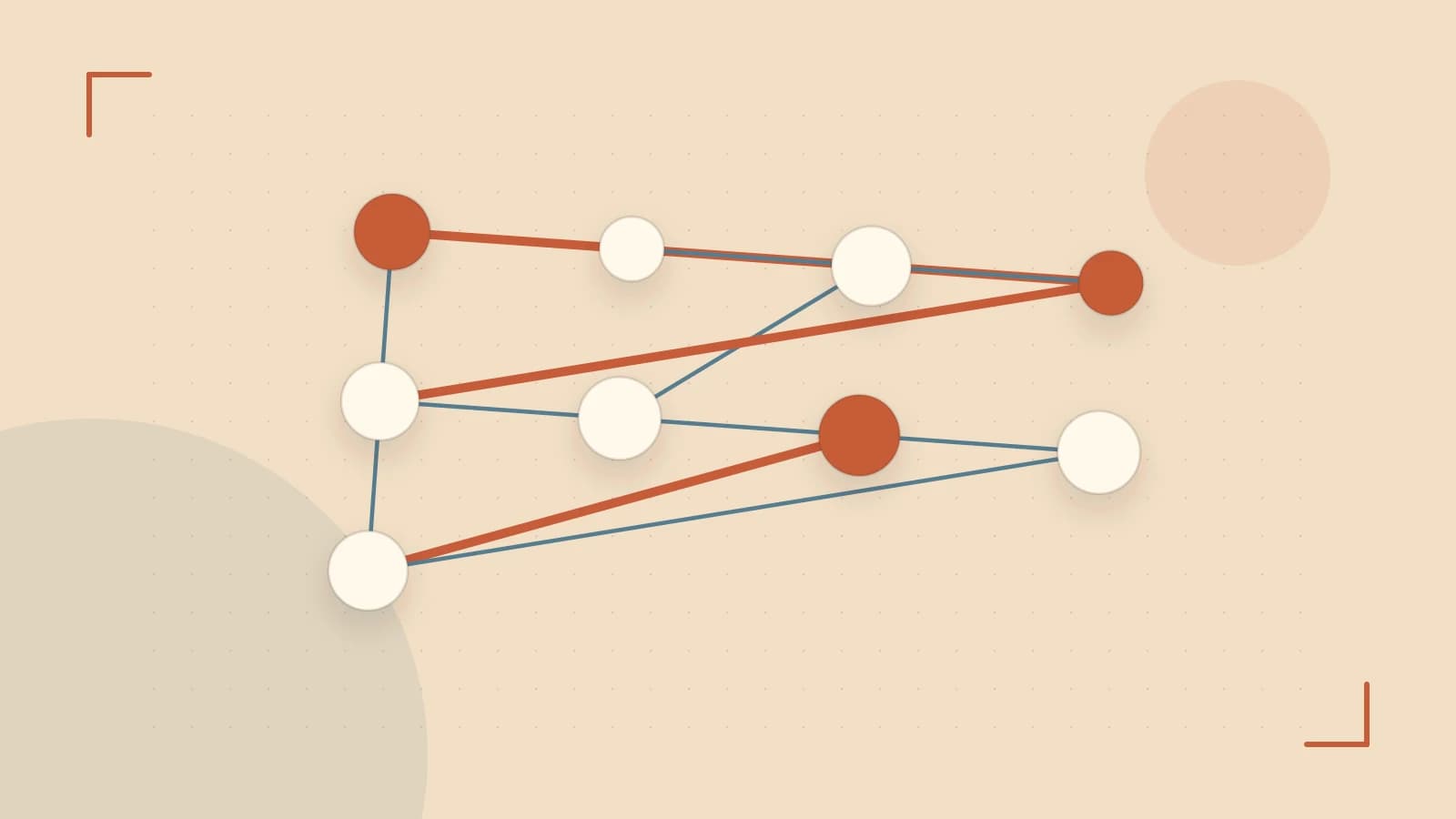
Answer: Polygon PoS delivers ~5‑second finality with a Tendermint‑based validator set
Polygon’s PoS sidechain uses a set of validators that each stake MATIC. The validators run a Tendermint‑BFT core, which guarantees that a block is final after a single round of voting. In practice, this means that once a transaction is included in a block, it is considered irreversible after about five seconds, making the chain suitable for high‑frequency applications.
How the Consensus Works
The core of Polygon PoS is the Tendermint consensus engine, which follows these steps for each block height:
- Proposer selection: The validator whose weighted stake is the highest for the current round is chosen as the proposer.
- Proposal: The proposer creates a block and broadcasts it to the network.
- Voting: All validators vote on the proposed block. A block is considered locked once it receives a super‑majority (2/3 + 1) of weighted votes.
- Commit: When a block is locked, the validators commit it, and the block becomes final.
Because the voting and commit steps take only a few hundred milliseconds, the overall time to finality is around five seconds on the mainnet. Validators are rewarded in MATIC for each block they successfully commit, and misbehaving validators are slashed according to the slashing conditions defined in the polygonscan smart contracts.
Deploying a Contract on Mumbai to Verify Block Times
To see the five‑second finality in action, deploy a simple ERC‑20 contract on the Mumbai testnet and watch the block times in the Polygon Explorer.
# Install Hardhat and required plugins
npm install --save-dev hardhat @nomiclabs/hardhat-ethers ethers @polygon/mumbai

# Create a Hardhat project and a simple ERC‑20 contract
npx hardhat init
# (Add ERC‑20 code to contracts/MyToken.sol)

# Compile the contract
npx hardhat compile

# Deploy to Mumbai
npx hardhat run scripts/deploy.js --network mumbai
After deployment, copy the transaction hash and paste it into Mumbai Polygonscan. The block timestamp will be shown. Compare the timestamp of the block containing the deployment transaction with the timestamp of the next block that confirms the transaction. The difference should be close to five seconds.
Running a Local Validator Node
To observe block production directly, run a local validator using the official polygon-sdk package.
# Clone the SDK and install dependencies
git clone https://github.com/polygon-xyz/polygon-sdk.git
cd polygon-sdk

# Build the validator binary
make build

# Create a validator keypair
./bin/polygon-validator keygen --output validator.key

# Start the node (replace <YOUR_MATIC_ADDRESS> with your wallet)
./bin/polygon-validator run \\
  --chain-id 137 \\
  --validator-key validator.key \\
  --mumbai \\
  --rpc-endpoint https://rpc-mumbai.maticvigil.com \\
  --private-key <YOUR_PRIVATE_KEY>
Run the node with sudo or as a user with sufficient permissions to bind to the required ports. The console will output block numbers and timestamps. Verify that the time between two consecutive committed blocks is roughly five seconds.
Checking Finality and Slashing Events
Polygon exposes slashing events via the Polygonscan API. To confirm that slashing logic works, query recent events:
curl -X GET "https://api-testnet.polygonscan.com/api?module=logs&action=getLogs&fromBlock=0&toBlock=latest&address=0xValidatorContractAddress&topic0=0xSlashingEventSignature"
Look for Slashing events in the response. Each event includes the validator address, the reason, and the amount slashed. This confirms that the validator set enforces penalties for misbehavior.
Limitations & Common Mistakes
- Validator Set Changes: Adding or removing validators requires a governance proposal. Misconfigured nodes during a transition can drop out of the active set, causing downtime.
- Reward Variability: Block rewards and validator incentives are set by the network parameters and can change. Monitor the
polygonscanreward schedule or theconfig.jsonof the SDK for updates. - Honest Majority Assumption: The system assumes that >2/3 of the staked MATIC is controlled by honest validators. A 51% attack would break finality guarantees.
- Network Latency: While finality is ~5 seconds, network propagation delays can cause local nodes to see blocks slightly later. Verify using the explorer and local logs.
- Configuration Errors: Incorrect
--rpc-endpointor missing--private-keywill prevent a node from participating. Always double‑check these values.
Practical check: After deploying a contract, confirm that the block containing the transaction appears in the explorer and that the next block confirms it within five seconds. For validators, observe the Committed status in the node logs and cross‑reference with the explorer’s block finality indicator.
 polygon
0 replies
A thoughtful contribution can make all the difference. Be the first to share one.