Oh My Zsh Plugin Architecture: Building Reliable Shell Extensions
Oh My Zsh plugins execute synchronously during shell initialization. This architecture note covers requirements, minimal design patterns, trust boundaries, and operational checks for building reliable shell extensions without degrading developer experience.
19 Nov 2025, 09:15 UTC
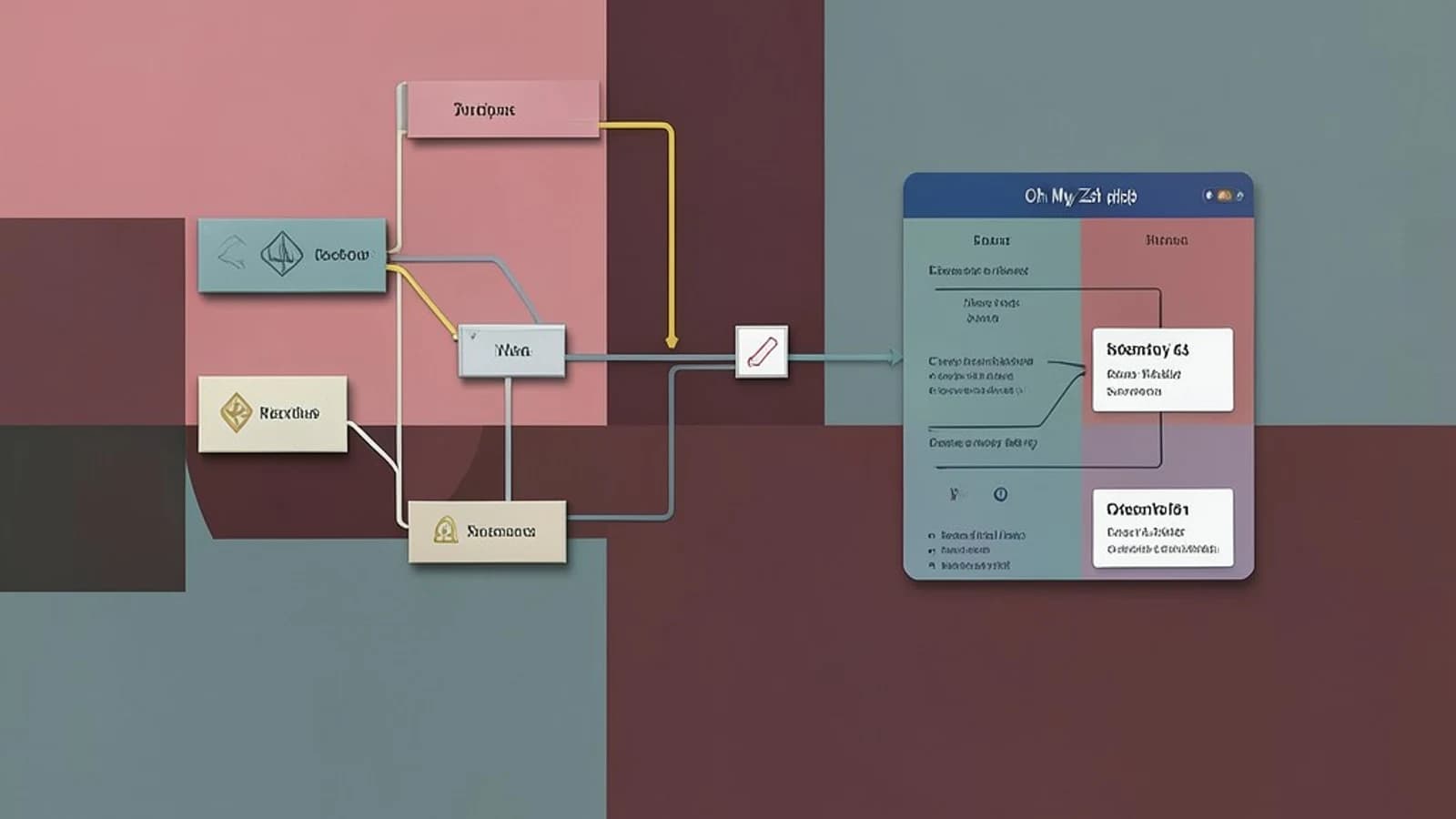
The Problem: Shell Plugins as Unmanaged Code
Oh My Zsh plugins execute arbitrary shell code during session initialization, creating a tension between extensibility and reliability. Each plugin in ~/.oh-my-zsh/plugins/<name>/<name>.plugin.zsh runs synchronously during startup, meaning poorly written plugins can degrade the entire development environment.
Requirements for Safe Plugin Design
- Selective Loading: Only load plugins explicitly listed in the
plugins=()array in.zshrc - Minimal Performance Impact: Startup time should not exceed ~100ms for typical configurations
- Isolated State: Plugins should not interfere with each other or core shell functions
- Predictable Hooks: Use precmd, preexec, and chpwd hooks for command lifecycle events
Smallest Suitable Design
A well-designed plugin follows this structure:
# ~/.oh-my-zsh/plugins/myplugin/myplugin.plugin.zsh
myplugin_function() {
  # Plugin logic here
}

# Optional: hook registration
if [[ $ZSH == *zsh ]]; then
  precmd_functions+=(myplugin_precmd)
fi

myplugin_precmd() {
  # Runs before each prompt
}
Trust and Data Boundaries
Plugins operate within the user's shell context with full access to environment variables, command history, and file system. The plugin manager does not sandbox execution. This means:
- Never load plugins from untrusted sources
- Avoid plugins that modify global aliases or functions
- Review hook implementations for side effects
Operational Checks
Verify plugin behavior with these commands:
- Measure startup time: Run
time zsh -i -c exitbefore and after adding plugins - Test hook execution: Add
echo "precmd ran"to verify hook timing - Check naming conflicts: Use
functions | grep <function_name>to detect overrides
Failure Modes
Plugins fail in predictable ways:
- Slow startup: Heavy operations in plugin initialization code
- Hook conflicts: Multiple plugins registering the same function name
- State leakage: Variables persisting across shell sessions unexpectedly
When This Design Changes
Consider alternatives if:
- Startup time exceeds 200ms with minimal plugins
- Multiple plugins need to coordinate complex state
- Security requirements mandate execution isolation
In these cases, evaluate external plugin managers like Zimfw or direct .zshrc configuration without Oh My Zsh.
Concrete Example: Measuring Plugin Impact
Create a minimal test plugin to quantify performance:
mkdir -p ~/.oh-my-zsh/plugins/timetest
cat > ~/.oh-my-zsh/plugins/timetest/timetest.plugin.zsh << 'EOF'
timetest_precmd() {
  # Empty hook for baseline measurement
}
precmd_functions+=(timetest_precmd)
EOF
Then measure:
# Without plugin
time zsh -i -c exit

# Add to plugins=() in .zshrc
plugins=(timetest)

# Measure again
time zsh -i -c exit
Expected: Each plugin adds 1-10ms to startup depending on hook complexity.
 zsh
 ohmyzsh
0 replies
A thoughtful contribution can make all the difference. Be the first to share one.