MS-DOS 8.3 Filenames Were a Memory Trade, Not a Quirk
MS-DOS 8.3 names come from a fixed 32 byte FAT directory entry. The limit was a speed and memory trade for floppies and 640KB systems, not a quirk, with real collision risks today.
19 May 2026, 07:52 UTC
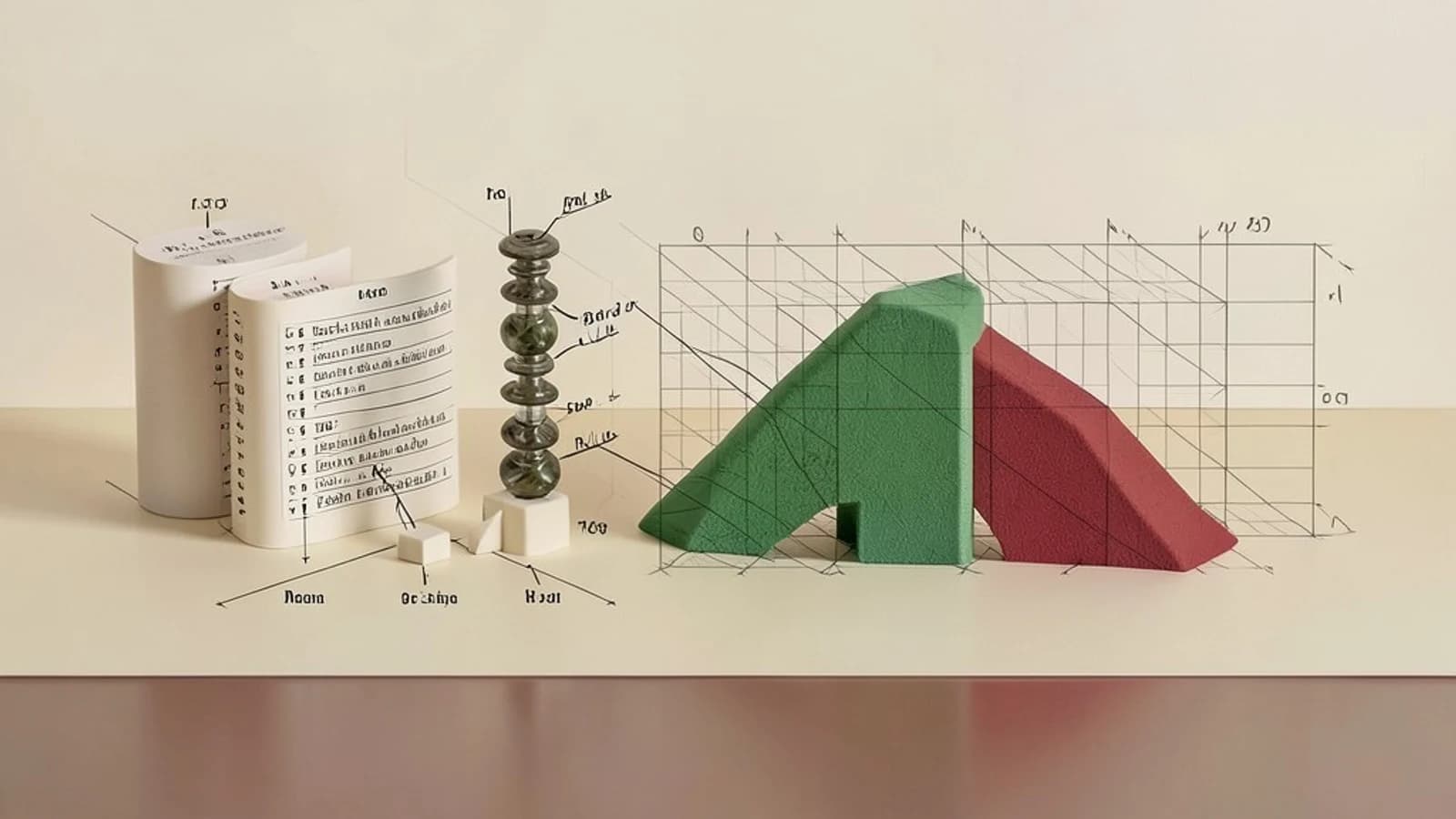
The name you typed is not the name DOS keeps
You copy a file to a DOS-formatted disk and the name changes. A modern name like MyAnnualReport2025.docx is not stored natively. MS-DOS accepts only 8.3 names, 8 characters for the name and 3 for the extension, in an uppercase ASCII subset. The limit is not a policy choice. It is enforced by the fixed 32 byte FAT directory entry defined from MS-DOS 2.0 onward.
The useful takeaway is that 8.3 is a hardware-economy decision. Fixed length entries made directory scans fast and predictable on floppies and 640KB RAM machines, at the cost of name length and collision risk.
The 32-byte FAT directory entry as a design constraint
Each file and subdirectory is one 32 byte entry in a FAT directory. The first 11 bytes are the name and extension packed together: 8 bytes for the name, 3 bytes for the extension, padded with spaces. The remaining bytes hold attributes, timestamps, starting cluster and file size.
Because the entry size is fixed, the directory is a simple linear array. No variable length fields, no allocation for longer names, no linked lists. The BIOS INT 21h file API, functions such as 5Ch Create File and 4E Find First, expects this layout and rejects or truncates names that do not fit.
What the entry actually holds
Layout is stable across FAT12 on early floppies and FAT16 on later hard disks, with differences in cluster size and volume limits, not in entry size. Case is stored as uppercase. Character set depends on the OEM code page and BIOS.
Why fixed length won on floppies and 640KB
On slow media and limited CPU cycles, reading a directory meant reading sequential sectors into a small RAM buffer. A fixed 32 byte entry allowed the OS to compute an entry offset by simple arithmetic and scan without parsing.
It also kept the boot sector and File Allocation Table small. Smaller tables meant faster boots and less RAM consumed by buffers. Dynamic allocation for variable length names would have required more code, more RAM, and more seeks on a 360KB floppy.
Worked example: short name accepted, long name rejected
Native MS-DOS accepts MYREPORT.DOC. The name fits in 8 bytes, the extension in 3 bytes, and the entry is written unchanged.
A name such as MyAnnualReport2025.docx does not fit. Native COMMAND.COM will truncate or reject it. If truncation is applied, two different long names can map to the same 8.3 alias, creating a collision risk. This is why retro workflows rely on short aliases.
Long filename support only appears later with VFAT extensions in Windows 95 and third party DOS drivers. Stock MS-DOS 6.x does not provide it.
Trade-offs and limits you still see today
The trade is speed and simplicity versus expressiveness. Fixed entries are cache friendly and trivial to implement. The cost is name collisions, loss of case, and a hard 8.3 ceiling.
Behavior varies by MS-DOS version and FAT type. Early FAT12 volumes have different cluster limits than FAT16. Emulation environments may mask the limit by translating names, so testing on a real DOS environment or an accurate emulator is important.
How to verify the limit without guessing
Inspect a raw FAT directory entry with a read-only hex viewer on a disk image. Run on the host OS with read access to the image file, for example <path/to/disk.img>. Do not write to the image.
Expected checks are structural, not value specific. Each entry should be 32 bytes. The first 11 bytes correspond to name plus extension, padded with spaces. Attributes, timestamps and cluster fields follow. If you attempt file creation in a native DOS emulator using COMMAND.COM, names longer than 8.3 are truncated or rejected by the API.
Risk: writing to a FAT image can corrupt the allocation table and make the volume unreadable. Keep a copy and work read-only.
When you need compatibility with real MS-DOS, plan names to 8.3 up front and reserve short aliases for files that must be shared across modern and retro systems.
 msdos
msdos0 replies
A thoughtful contribution can make all the difference. Be the first to share one.