Managing Resource Exhaustion with Counting Semaphores
Learn how to use counting semaphores to prevent resource exhaustion and manage concurrency limits in multi-threaded applications.
11 Sept 2026, 15:25 UTC
The Cost of Unbounded Concurrency
Many developers treat concurrency as a "more is better" problem, spawning threads or launching asynchronous tasks as quickly as requests arrive. However, the underlying resources—database connection pools, file handles, or third-party API rate limits—are finite. When the number of concurrent requests exceeds these limits, the system doesn't just slow down; it often crashes due to memory exhaustion or triggers "Too Many Connections" errors that kill the entire application.
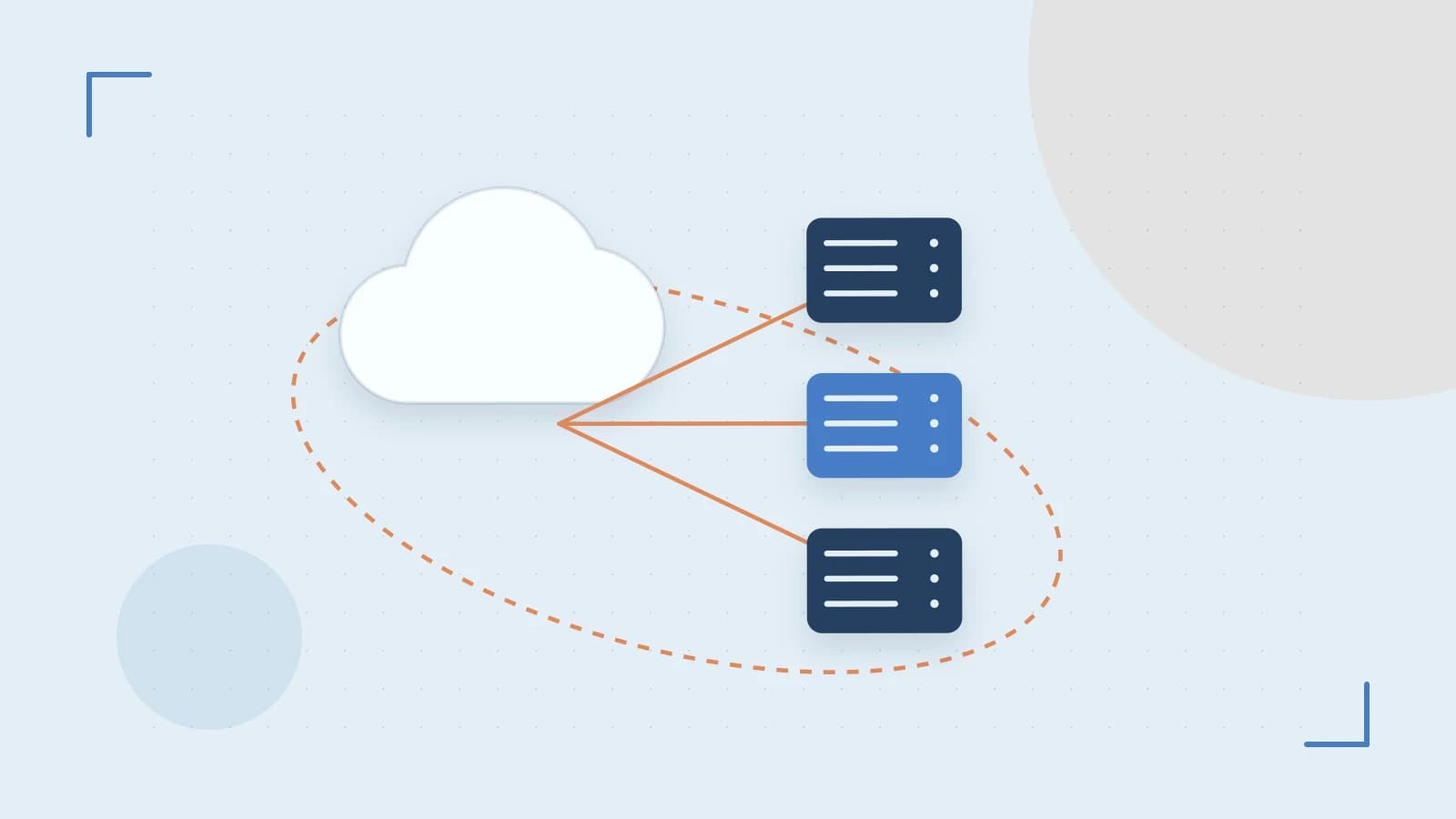
The practical solution is a Counting Semaphore. Unlike a Mutex (Mutual Exclusion), which allows only one thread to enter a critical section, a counting semaphore maintains a set of permits. It acts as a gatekeeper, allowing a specific number of concurrent operations while forcing others to wait in a queue until a permit is released.
Binary vs. Counting Semaphores
Choosing the right semaphore type depends on whether you are protecting a piece of data or managing a pool of resources.
- Binary Semaphores: These have a permit count of one. They behave similarly to mutexes, ensuring that only one thread can access a resource at a time. Use these for protecting shared state (like a global counter) from race conditions.
- Counting Semaphores: These are initialized with a value N. They are used for resource throttling. For example, if your database can only handle 10 concurrent queries without spiking latency, a semaphore with 10 permits ensures you never exceed that threshold.
Implementing a Throttled Resource Pool
Consider a scenario where an application must download files from a remote server, but the server limits the client to 3 concurrent connections to prevent IP blocking. In a language like Java or Python, the implementation follows a strict acquire and release pattern.
# Conceptual implementation of a throttled downloader
# Initialize semaphore with 3 permits
semaphore = Semaphore(3)

def download_file(file_id):
    # Block here if 3 downloads are already active
    semaphore.acquire()
    try:
        print(f"Downloading {file_id}...")
        # Perform the actual network I/O
        perform_download(file_id)
    finally:
        # Always release in a finally block to prevent permit leaks
        semaphore.release()
        print(f"Finished {file_id}, permit released.")
Execution Context: This code should be run within the worker threads or async tasks responsible for the downloads. The acquire() call is a blocking operation; the thread will pause execution until another thread calls release().
Critical Verification Checks
- Permit Leakage: If
release()is not called (e.g., due to an unhandled exception), the permit is lost forever. Eventually, the semaphore count hits zero, and the application deadlocks. Always wrap the logic in atry...finallyblock. - Fairness Settings: Some semaphore implementations allow a "fairness" flag. When enabled, the semaphore grants permits in the order they were requested (FIFO). This prevents thread starvation, where a thread is perpetually bypassed by newer requests, though it may slightly decrease overall throughput due to increased bookkeeping.
Trade-offs and Performance Risks
While semaphores prevent system collapse, they introduce their own overhead. High contention—where hundreds of threads are fighting for a few permits—leads to frequent context switching. The CPU spends more time swapping threads in and out of the waiting state than performing actual work.
| Metric | Low Contention | High Contention |
|---|---|---|
| Latency | Minimal (Immediate acquire) | High (Wait time in queue) |
| CPU Usage | Efficient | High (Context switch overhead) |
| Stability | Stable | Stable (Prevents crash, but slows down) |
Practical Decision Guide
To determine if a semaphore is the right tool for your task, check the following:
- Is the resource limited? If you are limiting a software-defined variable, a Mutex is enough. If you are limiting a physical or external resource (sockets, DB connections), use a Counting Semaphore.
- Who owns the permit? Unlike Mutexes, semaphores do not have a concept of an "owner." Any thread can release a permit, even if it didn't acquire it. While powerful for producer-consumer patterns, this can make debugging difficult if permits are released accidentally.
- Is the wait time acceptable? If your system cannot afford to block threads, consider using a
tryAcquiremethod with a timeout. This allows the application to return a "Server Busy" (HTTP 503) response rather than hanging indefinitely.
 sema
sema