Enforcing Sequential Integrity in CircleCI Pipelines with Stage Dependencies
Ensure critical CI steps run in order by leveraging CircleCI pipelines to enforce strict sequential execution between jobs using stages, ensuring downstream steps only run on success.
27 Dec 2025, 18:56 UTC
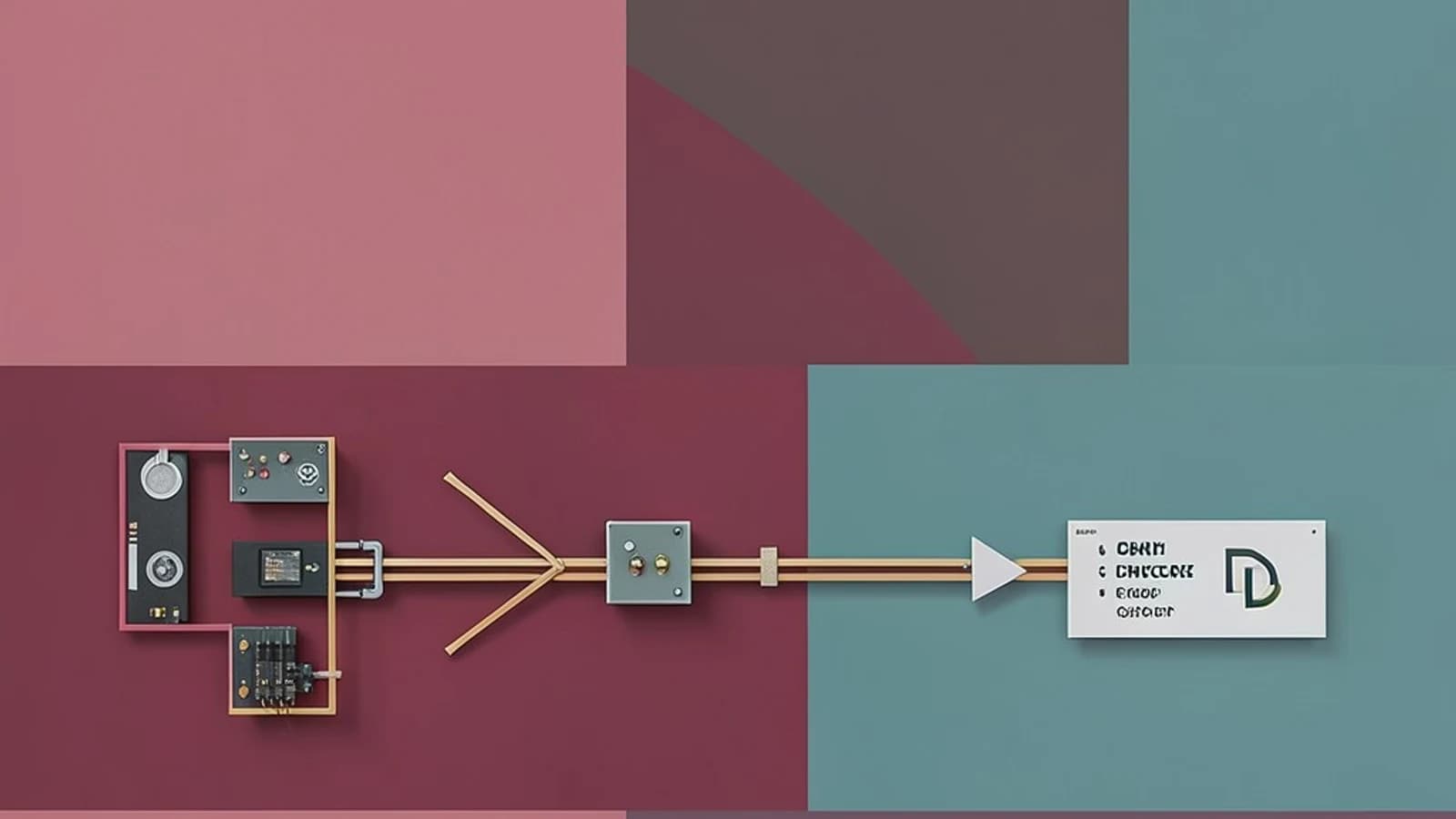
Pipeline Stage Dependency: Guaranteeing Execution Order
The problem is ensuring that subsequent steps in a continuous integration (CI) workflow only execute after preceding, critical steps have successfully completed. The useful takeaway is that CircleCI enforces this dependency declaratively through pipeline stages; failure in an earlier stage automatically halts later stages.
Minimal Design for Sequential Integrity
The smallest suitable design uses distinct stages in the .circleci/config.yml file. Jobs are then assigned to these stages, and the pipeline execution model inherently manages the sequence.
Trust and Data Boundaries
Each job runs in an isolated, ephemeral container or virtual machine. This isolation is a key security boundary; secrets injected via environment variables are scoped to the job execution and are not accessible by other unrelated jobs unless explicitly passed as artifacts or environment variables.
Operational Checks for Stage Flow
To verify sequential integrity, define two stages, build and test. The test stage must only run if build succeeds.
Concrete Configuration Example
version: 2.1
jobs:
  build_job:
    docker: cimg/node:18
    steps:
      - checkout
      - run: echo \"Build successful\"
  test_job:
    docker: cimg/node:18
    steps:
      - checkout
      - run: echo \"Tests passed\"

workflows:
  ci_workflow:
    jobs:
      - build_job
      - test_job:
          requires: [build_job]
Note: In CircleCI v2.1+, defining stages implicitly via the workflow structure (as shown above) enforces the dependency. If build_job fails, test_job will not start.
Failure Modes and Design Implications
If a job within a required stage fails (e.g., a compilation error), the pipeline execution stops immediately for all subsequent stages. This prevents downstream testing or deployment on broken code.
Verification and Limitations
To check the result, run the pipeline and inspect the job logs. If test_job does not appear in the run history after build_job fails, the dependency is correctly enforced. Resource limits (CPU/Memory) must be defined per job, not globally for the project.
Limitation: This model only guarantees sequential *execution*; it does not guarantee the *correctness* of the preceding step—only its successful completion status.
 circleci
0 replies
A thoughtful contribution can make all the difference. Be the first to share one.