Building Reusable VR Interactions with A-Frame Custom Components
Learn how to encapsulate click and hover logic in a reusable A‑Frame component, reducing duplication and keeping your VR markup clean.
22 Nov 2025, 08:02 UTC
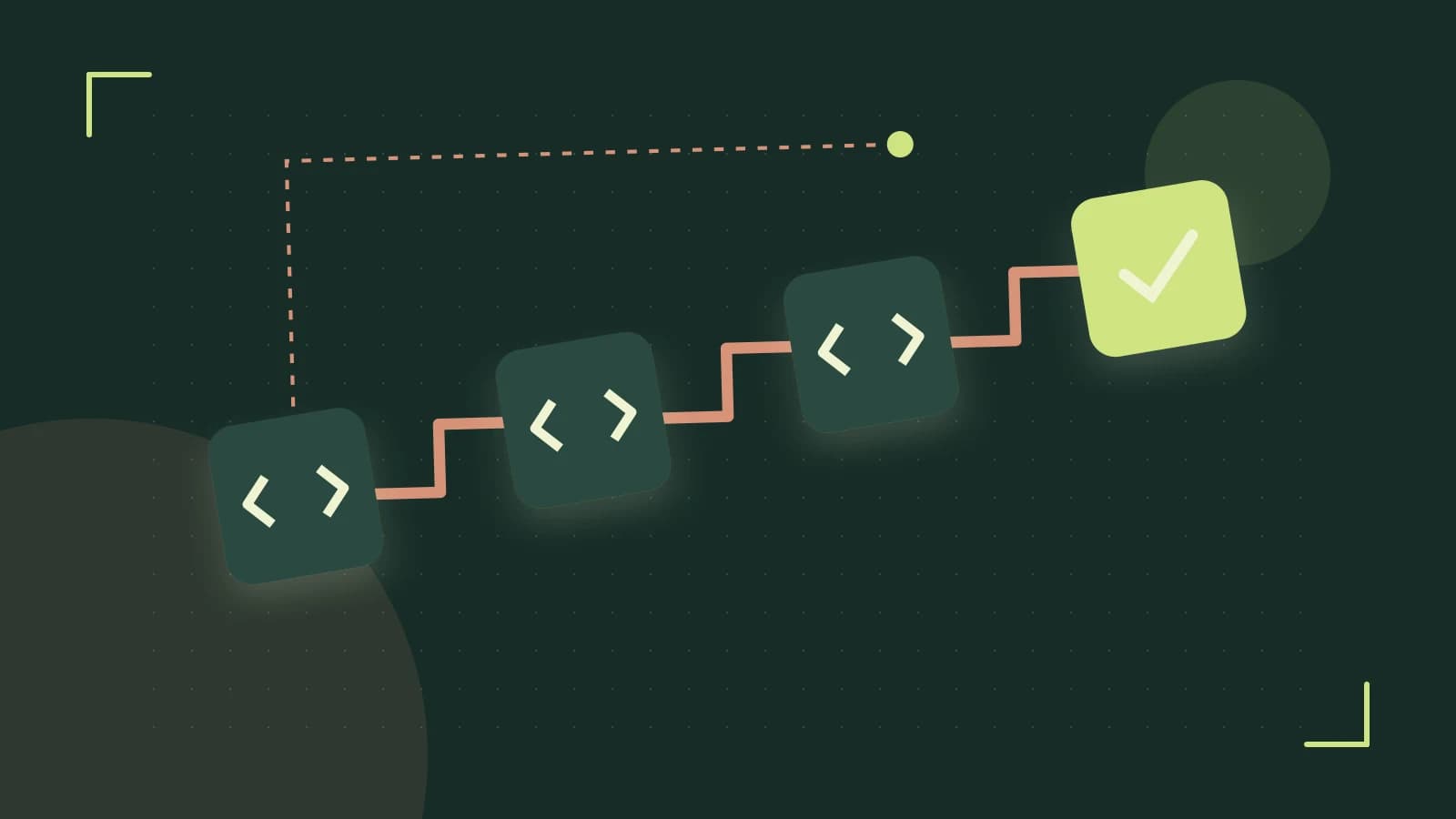
Problem: Repeated Interaction Logic in A‑Frame Scenes
When building VR experiences with A‑Frame, many objects need the same click or hover behavior—changing color, playing a sound, or emitting an event. Writing that logic directly on each <a-entity> leads to duplicated code, harder maintenance, and inconsistent behavior.
Thesis: Encapsulate the behavior in a custom component
By registering a reusable component with AFRAME.registerComponent, you can place the interaction logic once and apply it to any entity via an attribute. The markup stays clean, and the component can be tested and versioned independently.
How the Entity‑Component Pattern Works in A‑Frame
init– runs once when the component attaches; good for setting up listeners or initial state.update– called whenever the component’s data changes; useful for reacting to schema updates.tick– runs on every frame; reserve for lightweight per‑frame work.- The component receives
this.el(the entity) andthis.data(parsed schema values).
Worked Example: A Clickable Component
// Register the component once, e.g., in a script tag before
AFRAME.registerComponent('clickable', {
  schema: {
    color: {type: 'color', default: '#ff0000'},
    clickedColor: {type: 'color', default: '#00ff00'}
  },

  init: function () {
    // Store original material color
    this.originalColor = this.el.getAttribute('material').color;
    // Listen for click events
    this.el.addEventListener('click', function (evt) {
      // Change material to clickedColor
      this.el.setAttribute('material', 'color', this.data.clickedColor);
      // Emit a custom event that other parts of the scene can listen to
      this.el.emit('clicked', null, false);
    }.bind(this));
  },

  // Optional: revert color when the component is removed or paused
  remove: function () {
    this.el.setAttribute('material', 'color', this.originalColor);
  }
});
Use it in the scene:
<a-scene>
  <a-entity geometry="primitive: box"
            material="color: #ff0000"
            clickable="clickedColor: #00ff00"
            position="-1 0.5 -3">
  </a-entity>
</a-scene>
When the box is clicked, its material switches to the green defined by clickedColor and a clicked event is dispatched. Other systems can listen via this.el.addEventListener('clicked', handler).
Trade‑off and Limitations
- Runtime overhead: each component instance adds a small object and event listener; for hundreds of entities the cost is still modest but worth noting if you target low‑end devices.
- Understanding the lifecycle is required; misuse of
tickcan hurt frame rate. - The component schema API is available starting with A‑Frame 1.2.0; older releases will throw an error if you try to define
schema.
Closing Advice
- Start small: implement a single responsibility (e.g., only click handling) and verify with the A‑Frame inspector (Ctrl+Alt+I).
- Test the emitted event by opening the browser console and watching for the
clickedlog. - Combine components: add a second component like
draggableto the same entity to build richer interactions without rewriting logic. - Keep per‑frame work minimal; if you need animation, prefer
requestAnimationFrameor A‑Frame’s built‑in animation system.
By moving interaction logic into custom components, you keep your VR scenes declarative, reduce duplication, and make the codebase easier to evolve as your project grows.
 aframe
0 replies
A thoughtful contribution can make all the difference. Be the first to share one.