Architecting Vitess Vindexes: Decoupling Logical Keys from Physical Shards
Learn how Vitess Vindexes decouple logical sharding keys from physical MySQL shards to enable horizontal scaling without application code changes.
05 May 2026, 13:52 UTC
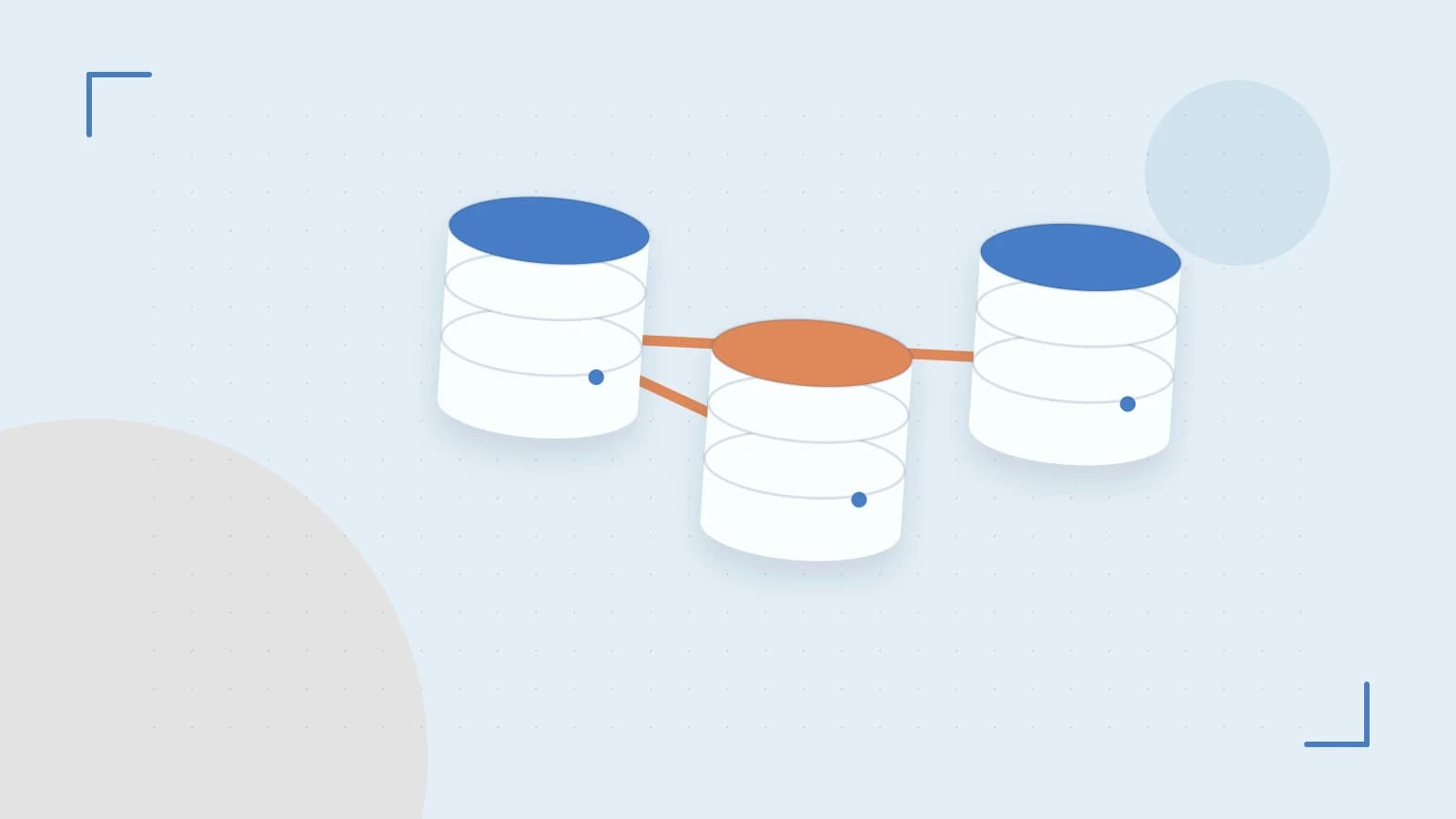
The Problem: The Sharding Key Rigidity
In traditional MySQL sharding, the application must know exactly which physical server holds a specific row. If you change your sharding logic or add more servers, you often have to rewrite application code and manually migrate data. This creates a rigid architecture where scaling is a high-risk event.
The takeaway: Vitess solves this using Vindexes. A Vindex is a mapping function that decouples the logical sharding key (used in your SQL) from the physical shard location. By changing the Vindex definition, you can redistribute data across the cluster without modifying your application's query logic.
The Smallest Suitable Design: Hashed Vindexes
For most scaling requirements, the smallest and most effective starting point is the hashed Vindex. This design is ideal when you have a high-cardinality key (like a user_id) and want to prevent "hotspots"—where one server handles significantly more traffic than others.
In a hashed configuration, Vitess applies a hashing algorithm to the key and uses the result to determine the shard. This ensures an even distribution of writes across all available shards, regardless of whether the input keys are sequential.
Configuration Example
To define a hashed Vindex for a customer_id column, you configure the keyspace. While this is typically handled via vtctldclient or a YAML configuration, the logical mapping looks like this:
# Logical Vindex Definition
# Column: customer_id
# Vindex Type: hashed
# Shards: 2 (Initial setup)

# Example query handled by VTGate:
SELECT * FROM orders WHERE customer_id = 12345;
How it works: VTGate takes 12345, hashes it, and routes the request only to the specific shard containing that hash. The application remains unaware of whether the data lives on shard_-43 or shard_12.
Trust and Data Boundaries
The VTGate layer serves as the primary trust and routing boundary. It is the only component that needs to understand the Vindex mapping. The underlying MySQL instances (the tablets) are "dumb" in this regard; they simply store the data and execute the SQL they are sent.
- Application Layer: Sends standard SQL. It does not know the shard map.
- VTGate: Intercepts the SQL, identifies the Vindex key in the
WHEREclause, and calculates the destination shard. - Tablet (MySQL): Receives the routed query and returns the result.
Operational Checks and Verification
To ensure your Vindex is routing traffic correctly and not overloading a single node, use the vtctldclient tool. You must run these commands from a terminal with administrative access to the Vitess control plane.
Check Shard Distribution:
# List all shards and their current status
vtctldclient GetShards
Verify Routing:
The most practical way to verify Vindex health is to monitor the vtgate logs or metrics for "scatter-gather" operations. A healthy Vindex implementation should show a high percentage of single-shard queries and a low percentage of cross-shard queries.
Failure Modes: The Scatter-Gather Trap
The most common failure mode in a Vitess architecture is the Scatter-Gather query. This occurs when a query is executed without the Vindex key in the WHERE clause.
If you run SELECT * FROM orders WHERE order_date = '2023-01-01', but the Vindex is based on customer_id, VTGate has no way to know which shard holds the data. It is forced to send the query to every single shard in the cluster and aggregate the results.
Risks of Scatter-Gather:
- Linear Latency Increase: As you add more shards to scale, scatter-gather queries actually become slower because the system must wait for the slowest shard to respond.
- Resource Exhaustion: A few un-indexed queries can spike CPU across the entire cluster, potentially causing a cascading failure.
When to Change the Design
A Vindex design is not permanent, but changing it is an expensive operation. You should trigger a resharding workflow (splitting a shard) under these conditions:
- Storage Exhaustion: A single physical shard exceeds its disk capacity.
- IOPS Bottleneck: A specific shard becomes a performance bottleneck due to a disproportionate amount of traffic (data skew).
- Growth Forecast: Your data growth rate suggests that the current number of shards will be insufficient within the next 3–6 months.
Rollback Note: Because resharding involves moving physical data between MySQL instances, there is no simple "undo" button. Rollbacks require restoring from a backup or performing a reverse migration of the data shards.
 vitess